Guinea Pig Care Guide: Everything You Actually Need to Know
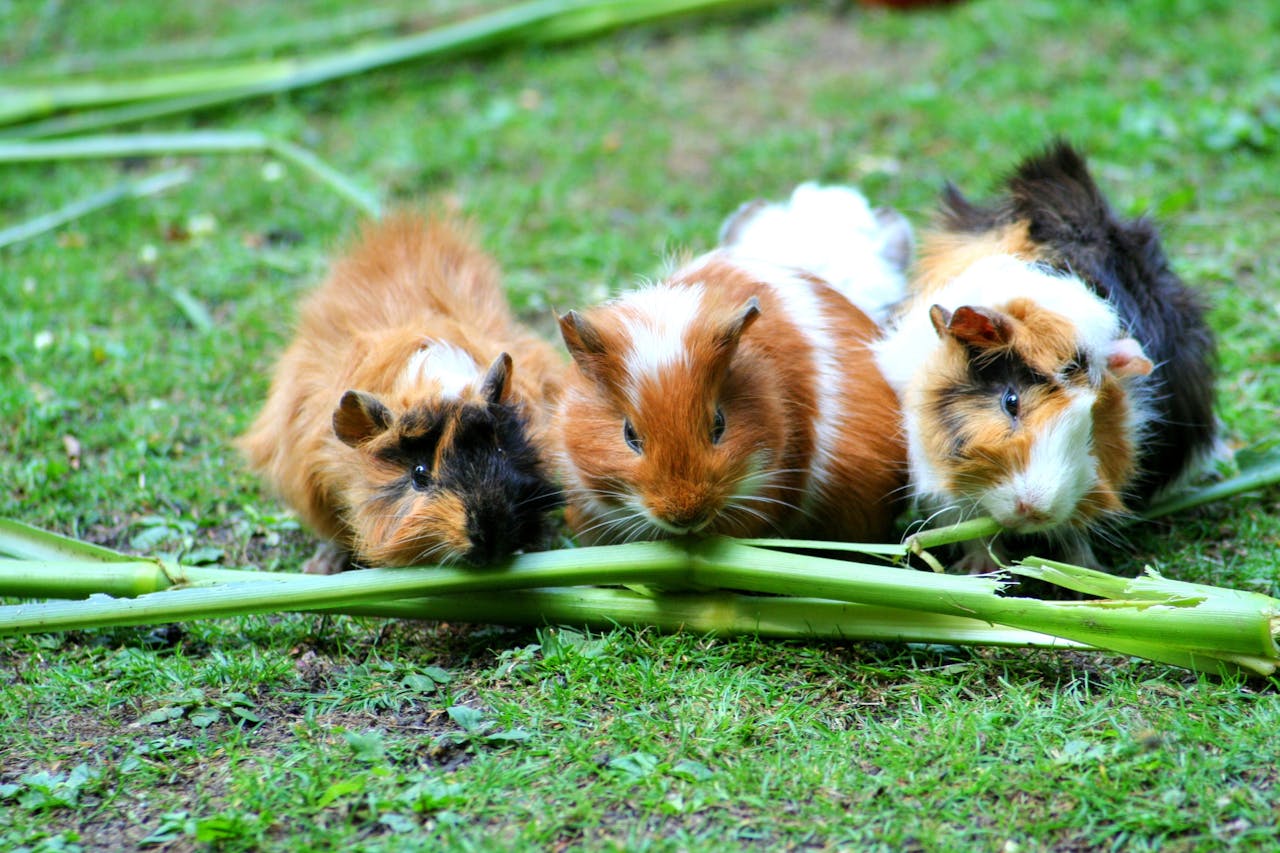
If you’re thinking about getting a guinea pig—or you already have one and want to give it the best life possible—you’re in the right place. Over the past 20+ years working with animals, grooming dogs, and caring for small pets, I’ve helped many families understand that guinea pigs are adorable but definitely not “set-and-forget” pets.
They’re social, vocal, emotional little animals that rely completely on their owner for the right food, housing, and attention. When properly cared for, guinea pigs can live 5–8 years (sometimes longer) and develop surprisingly strong bonds with their owners.
Below, I’ll walk you through everything I’ve learned from real hands-on experience—from choosing the right guinea pig to feeding, health care, and common mistakes new owners make.
Key Takeaways
- Guinea pigs are highly social animals and should ideally be kept in pairs.
- A large cage (minimum 7.5 sq ft for two) is essential for their physical and mental health.
- Unlimited hay + fresh vegetables + vitamin C are the foundation of a proper diet.
- Bedding matters—avoid cedar and scented bedding, which can harm their respiratory system.
- Guinea pigs require daily interaction and regular health monitoring, including weekly weight checks.
- Proper enrichment like tunnels and chew toys helps prevent boredom and stress.
- Clean cages and good nutrition dramatically reduce health problems.
1. Choose the Right Guinea Pig (or Better Yet, Two)
One of the first things I always tell new pet owners is this: guinea pigs should not live alone.
They’re naturally herd animals. In the wild, they live in groups for safety and companionship. Keeping one guinea pig by itself often leads to loneliness, stress, and even depression-like behavior.
From my experience helping families choose pets:
- Always adopt two guinea pigs together if possible.
- Same-sex pairs usually work best for beginners.
- If you want mixed sexes, ensure one is spayed or neutered.
- Adoption centers and rescues are often better than pet stores.
According to animal welfare organizations, paired guinea pigs show more natural behaviors, including playing, vocalizing, and grooming each other.
Simply put: two pigs = happier pigs.
2. The Cage: Bigger Than You Think
One of the biggest mistakes I see is people buying those tiny cages sold in pet stores.
Guinea pigs need space to move, explore, and exercise.
For two guinea pigs:
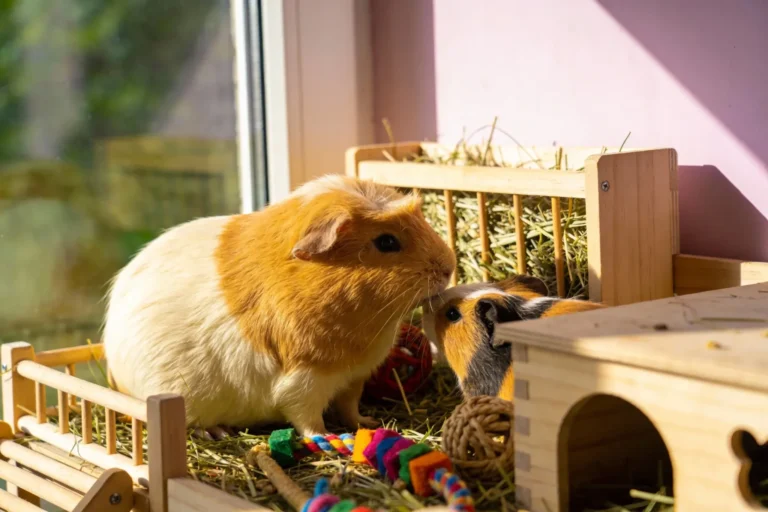
- Minimum size: 7.5 square feet
- Ideal cage type: 2×4 C&C cage (Cubes and Coroplast)
- Bigger cages reduce stress and territorial fights.
Important cage tips I’ve learned over the years:
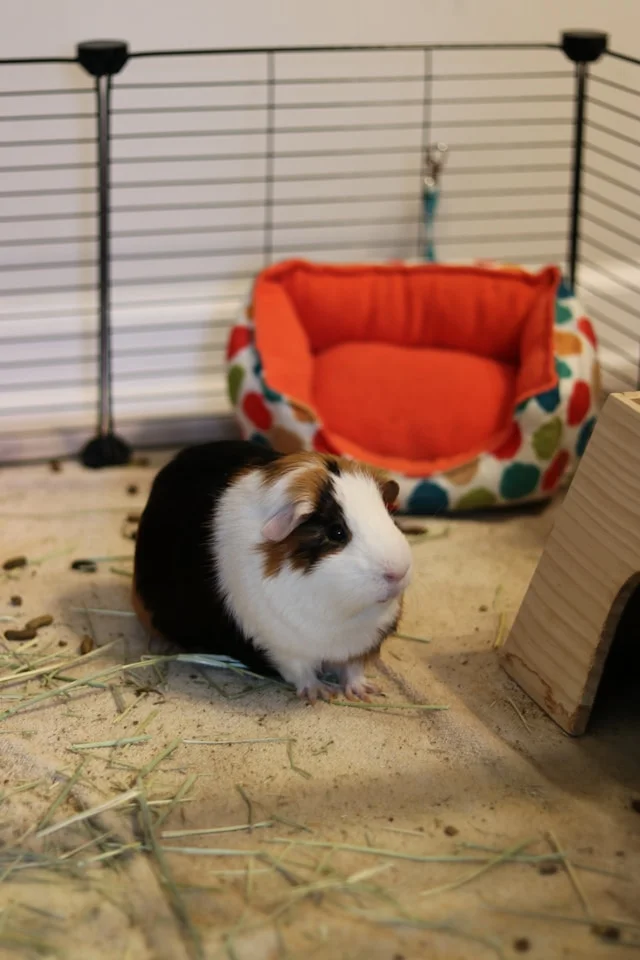
- Never use wire-bottom cages—they can cause foot injuries called bumblefoot.
- Provide at least one hideout per guinea pig so they feel safe.
- Add a hay rack or hay pile in one area.
A larger cage also helps keep the environment cleaner, since guinea pigs produce up to 100+ droppings per day.
Yes… you’ll get used to it.
3. The Bedding Situation
Good bedding keeps guinea pigs comfortable and prevents health problems.
After trying several options over the years, these work best:
Best bedding choices
- Paper-based bedding
- Kiln-dried pine shavings
- Washable fleece liners
Bedding to avoid
- Cedar bedding (toxic oils)
- Non kiln-dried pine
- Scented bedding
If you choose fleece liners like I often recommend:
- Wash them every 3–4 days
- Use absorbent pads underneath
- Sweep droppings daily
The upside is fleece bedding is eco-friendly and cost-effective long term.
4. Food: It’s Not Just Carrots, People
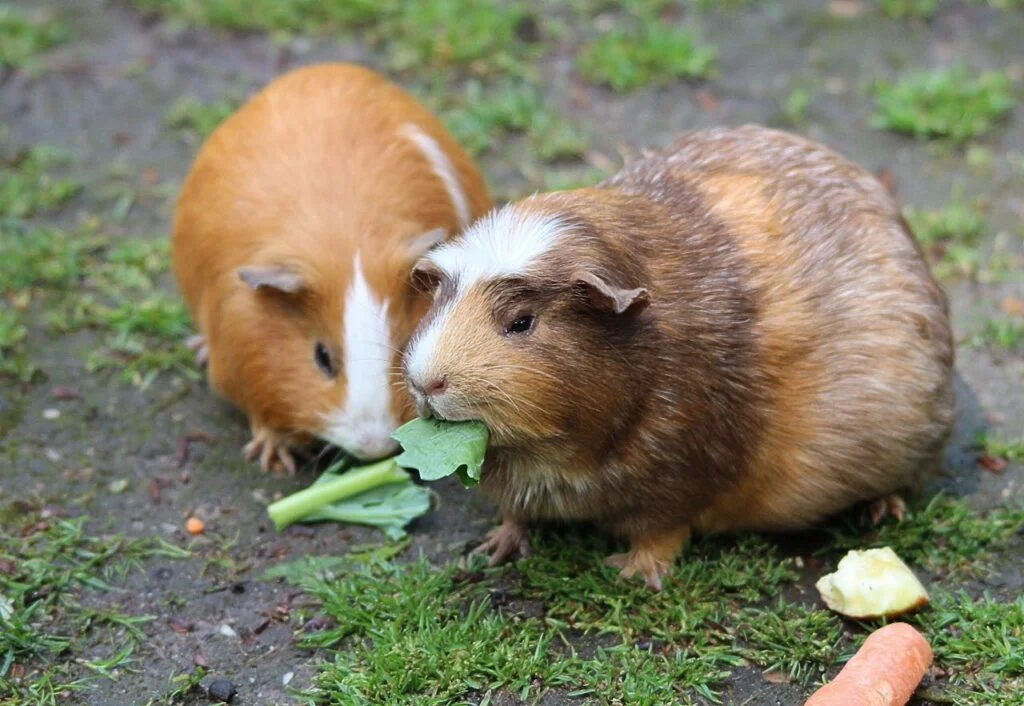
Many people assume guinea pigs eat mostly carrots. In reality, their diet is much more specific.
I’ve worked with many pet owners who unintentionally fed the wrong foods and caused digestive issues.
A healthy guinea pig diet looks like this:
Daily essentials
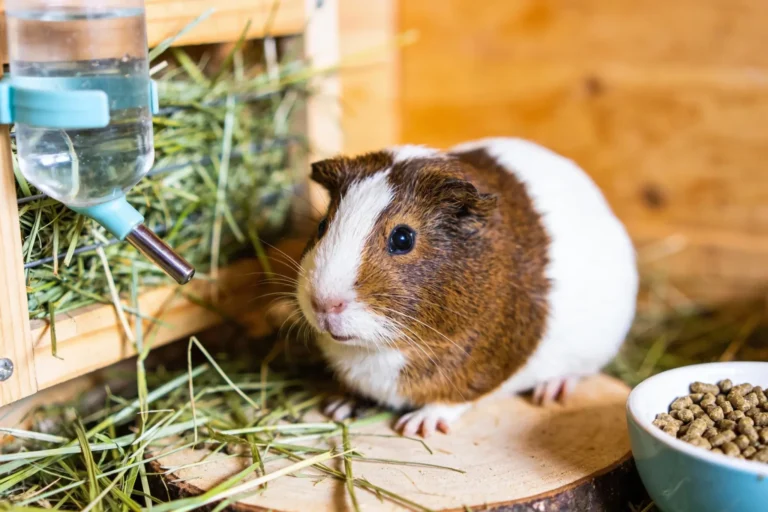
- Unlimited hay (Timothy hay for adults)
- 1 cup fresh vegetables per guinea pig
- Fresh water daily
- Vitamin C
Guinea pigs cannot produce their own vitamin C, which makes them vulnerable to scurvy if their diet lacks it.
Good vegetables include:
- Bell peppers (very high vitamin C)
- Romaine lettuce
- Cilantro
- Cucumber
- Zucchini
Foods to limit or avoid
- Iceberg lettuce
- Sugary fruits daily
- Processed treats
- Rabbit food
Pellets should be timothy-based with no colorful additives or seeds.
A balanced diet is the single biggest factor in guinea pig health.
5. Handling & Socializing
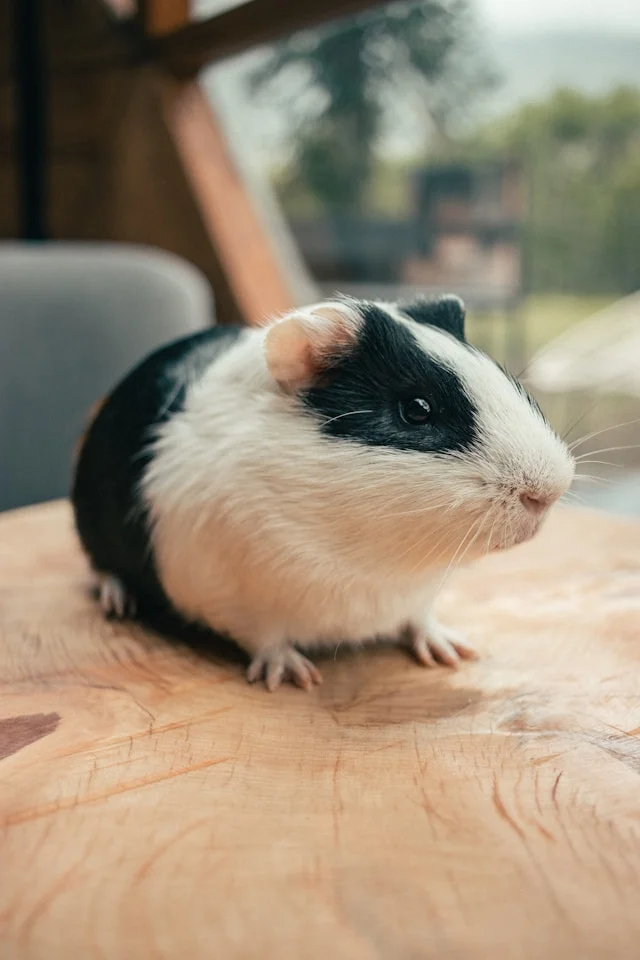
Guinea pigs are prey animals, which means their instinct is to run from anything grabbing them.
I’ve noticed that new owners sometimes mistake this for their guinea pig “not liking them.” That’s not the case—it just takes patience.
Here’s what works best:
- Approach calmly
- Scoop from underneath instead of grabbing
- Support both chest and hind legs
- Handle them daily
Over time, they learn to recognize your voice and routine.
One of the funniest moments for guinea pig owners is hearing their first “wheek”—that loud squeal they make when they think food is coming.
Trust me, once they connect you with vegetables, they’ll start greeting you loudly.
6. Health: How to Keep Them Alive and Thriving
Guinea pigs are small animals, but they require careful health monitoring.
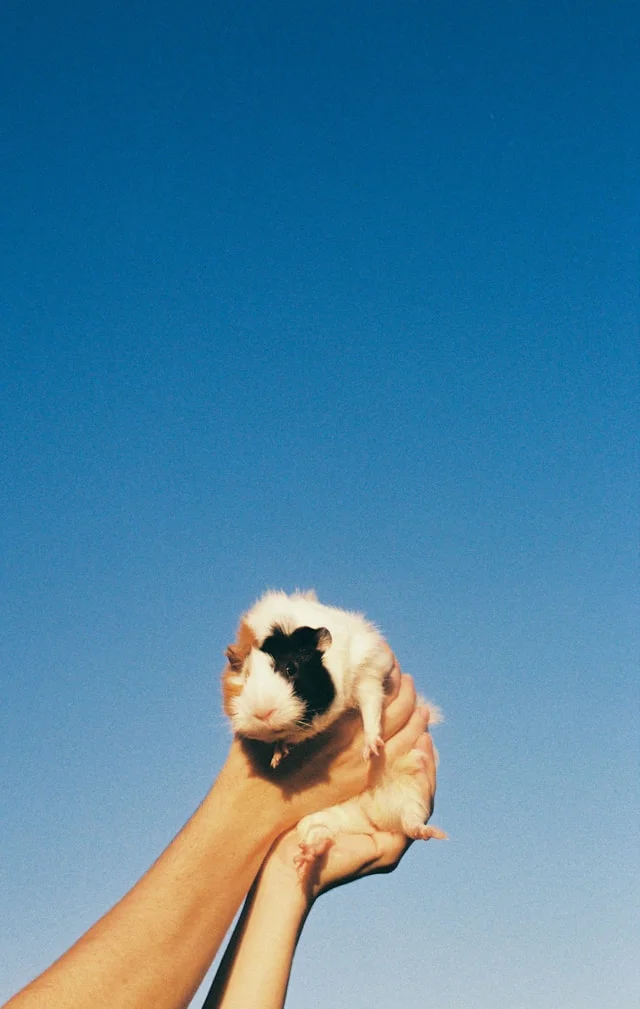
A healthy guinea pig typically weighs 700–1200 grams depending on breed and sex. I always recommend weekly weight checks using a kitchen scale, because weight loss is often the first sign of illness.
Watch for symptoms like:
- Loss of appetite
- Runny nose
- Crusty eyes
- Diarrhea
- Sitting puffed up in a corner
These can indicate respiratory infections or digestive issues.
Essential care includes:
- Nail trimming every 3–4 weeks
- Clean cages
- Access to constant hay for dental health
- Annual vet checkups with an exotic animal veterinarian
If a guinea pig stops eating for 12 hours, treat it as an emergency. Their digestive system must keep moving.
7. Entertainment: Bored Pigs = Sad Pigs
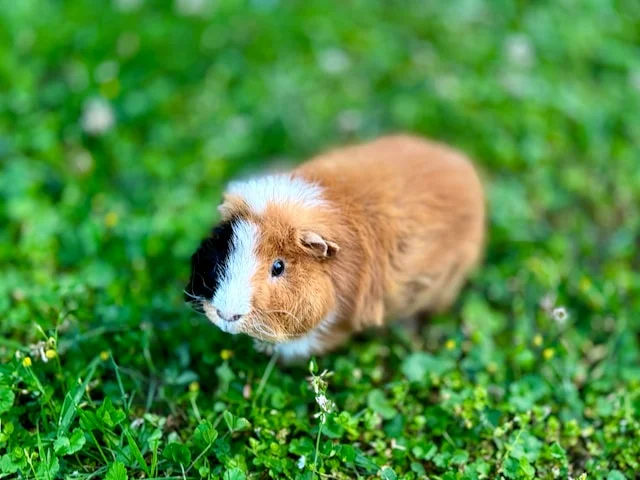
Guinea pigs may not fetch balls like dogs, but they absolutely enjoy enrichment.
In fact, mental stimulation is crucial for preventing stress.
Some of the enrichment ideas I’ve used successfully include:
- Tunnels and fleece forests
- Cardboard hideouts
- Hay stuffers
- Foraging mats
- Toilet paper roll toys
When guinea pigs feel happy and safe, they perform a behavior called “popcorning”—jumping into the air with excitement.
The first time you see it, it’s honestly unforgettable.
8. Grooming and Bathing (or Not)
Unlike dogs, guinea pigs rarely need baths.
Over-bathing can actually cause dry skin and irritation.
In my experience caring for small animals:
- Long-haired breeds may need regular brushing
- Trim fur near the back if it becomes messy
- Spot-clean dirty areas with a damp cloth
Baths should only be done occasionally and with pet-safe shampoo.
The real secret to clean guinea pigs is simple:
Keep the cage clean.
9. Noise, Behavior & Bonding
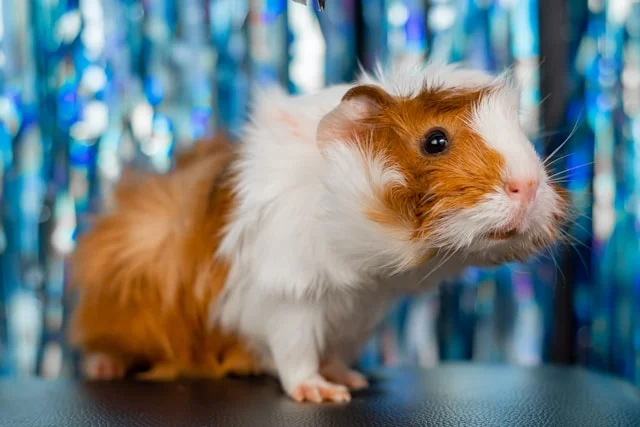
Guinea pigs communicate through a surprising range of sounds.
After spending time with them, you’ll start recognizing what each noise means.
Common guinea pig sounds:
- Wheeking: Excited for food
- Purring: Content or relaxed
- Teeth chattering: Feeling threatened
- Rumblestrutting: Dominance behavior
Bonding takes time, but it’s incredibly rewarding.
I’ve seen guinea pigs that started shy eventually run to the cage door whenever their owner enters the room.
Spending just 15–20 minutes daily interacting with them can strengthen that bond significantly.
10. Common Mistakes to Avoid
Over the years, I’ve seen a few common mistakes that new guinea pig owners make.
Avoid these and your guinea pigs will have a much better life:
- Buying cages that are too small
- Using cedar or scented bedding
- Not providing unlimited hay
- Keeping only one guinea pig
- Ignoring weight monitoring
- Feeding too many sugary fruits
Fixing these simple issues can dramatically improve guinea pig health and lifespan.
Final Thoughts: They’re Small, But They’re Not Simple
Guinea pigs might look like tiny fluff balls, but they require thoughtful care, proper nutrition, and daily attention.
In my two decades of caring for animals—from grooming dogs to helping families manage small pets—I’ve learned that guinea pigs thrive when owners treat them like real companions rather than cage pets.
Give them:
- Space to move
- Fresh food every day
- A friend to live with
- Time with you
Do that, and you’ll be rewarded with years of adorable squeaks, popcorn jumps, and quirky personalities.
And honestly? That joyful little chaos is exactly what makes guinea pigs so lovable.