Guinea Pigs vs Rats as Pets: Which Tiny Critter Is Right for You?
If you’re trying to decide between guinea pigs and rats, you’re already thinking beyond the usual cat-or-dog route. Both are social, intelligent, and full of personality. But living with them feels very different once the cage is set up and daily care begins. This guide walks you through everything you need to know so you can confidently choose the pet that truly fits your home, schedule, and expectations.
Personality & Social Vibes
Guinea Pigs
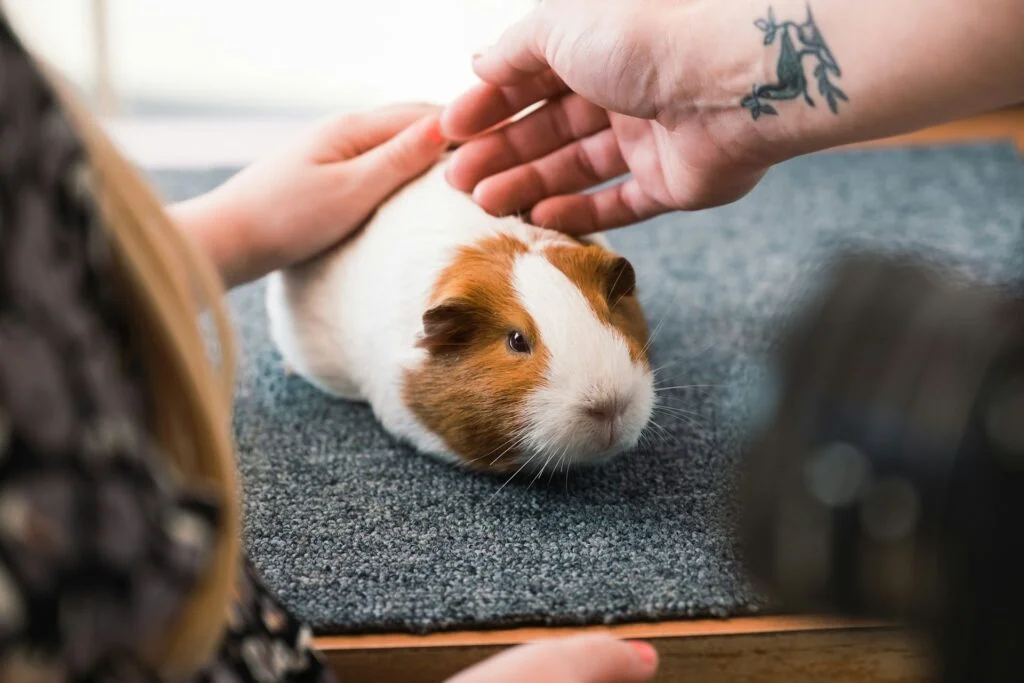
Guinea pigs are naturally cautious. When you first bring them home, they may hide, freeze at sudden noises, or take time to approach you. This isn’t rejection — it’s instinct. With patience and consistency, they begin recognizing your voice, your footsteps, even the sound of the fridge opening.
Once bonded, they communicate constantly through squeaks and body language. They’re expressive in a soft, endearing way. They prefer sitting beside you rather than climbing all over you. If you enjoy calm companionship and gentle interactions, you’ll likely love their steady presence.
What you can expect from guinea pigs:
- A gradual bonding process
- Gentle, relaxed cuddle sessions
- Vocal reactions to food and familiar sounds
- A peaceful, predictable temperament
Rats
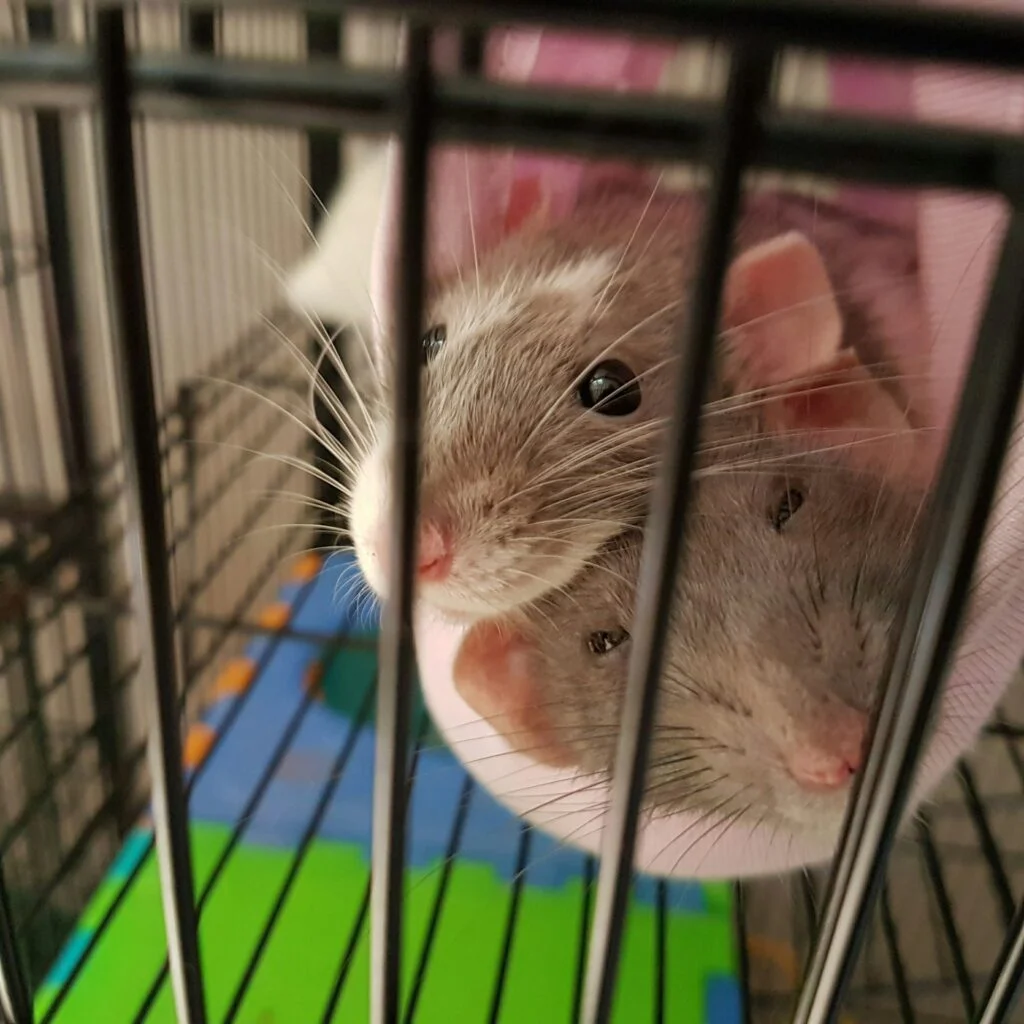
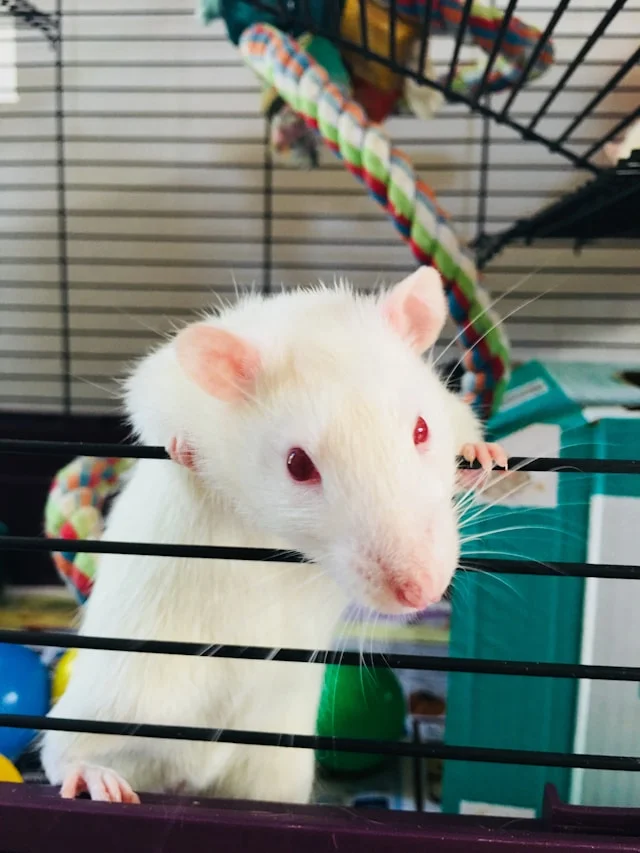
Rats are bold and curious almost immediately. They explore everything — including you. It’s common for them to climb onto your shoulder, investigate your sleeves, or sniff your hands without hesitation.
They’re highly intelligent and thrive on interaction. Many rats learn their names, respond when called, and master simple tricks. They don’t just sit near you; they actively engage with you. If you enjoy playful, energetic pets that feel interactive and responsive, rats often exceed expectations.
What you can expect from rats:
- Fast bonding and strong attachment
- High intelligence and trainability
- Climbing, exploring, and constant curiosity
- Active, hands-on interaction
Cage & Space Requirements
Guinea Pigs
Guinea pigs need significant floor space. They do not climb, so height doesn’t compensate for lack of width. A proper enclosure should allow them to run, stretch, and move freely on a flat surface.
Their care also involves daily spot-cleaning because they produce a considerable amount of waste. A larger enclosure actually makes maintenance easier in the long run.
Basic housing essentials for guinea pigs:
- Large horizontal cage (minimum 7.5 sq ft for two)
- Unlimited hay supply area
- Hiding spaces
- Soft bedding
- Daily spot cleaning routine
Rats
Rats prefer vertical environments. They love multi-level cages with platforms, hammocks, ropes, and tunnels. Even if you have limited floor space, you can provide enrichment by building upward.
They are easier to litter train than guinea pigs, which helps control mess. Their active nature means their cage should include mental and physical stimulation.
Basic housing essentials for rats:
- Tall, multi-level cage
- Climbing accessories and hammocks
- Enrichment toys
- Litter training setup
- Regular cleaning schedule
If your home has limited horizontal space, rats adapt more easily. If you can dedicate a larger floor area, guinea pigs thrive in that setup.
Care & Maintenance
Guinea Pigs
Guinea pigs require daily vegetable preparation, unlimited hay, and consistent access to fresh water. Vitamin C is essential because their bodies cannot produce it. Skipping this leads to serious health issues.
Routine care includes:
- Daily fresh vegetables
- Constant hay refills
- Weekly full cage cleaning
- Nail trimming
- Regular weight checks
They cannot be reliably litter trained, so ongoing cleaning is part of ownership. If you don’t mind a structured, hands-on feeding routine, this becomes second nature.
Rats
Rats require daily feeding and fresh water, but their diet is less centered on hay and more straightforward to manage. They groom themselves thoroughly and can be litter trained, making their space easier to maintain.
Routine care includes:
- Daily feeding
- Cage cleaning
- Mental enrichment activities
- Nail trimming
- Regular health monitoring
If you prefer slightly simpler feeding and cleaning routines, rats often feel more manageable.
Cost to Keep Them
Both pets are generally more affordable than larger animals, but costs still add up.
Guinea Pigs
Upfront costs include a large enclosure and proper supplies. Monthly expenses typically cover:
- Bedding
- Hay
- Fresh vegetables
- Pellets
- Exotic vet care
Their lifespan ranges from five to eight years, meaning you commit financially and emotionally for a longer period.
Rats
Initial setup can be slightly less expensive. Monthly costs include:
- Bedding
- Food
- Enrichment items
- Exotic vet care
Rats live about two to three years. While this short lifespan reduces long-term expenses, it can mean more frequent emotional goodbyes.
If you want a longer-term companion, guinea pigs offer stability. If you prefer a shorter commitment with high interaction, rats provide that experience.
Family-Friendly Factor
Guinea Pigs
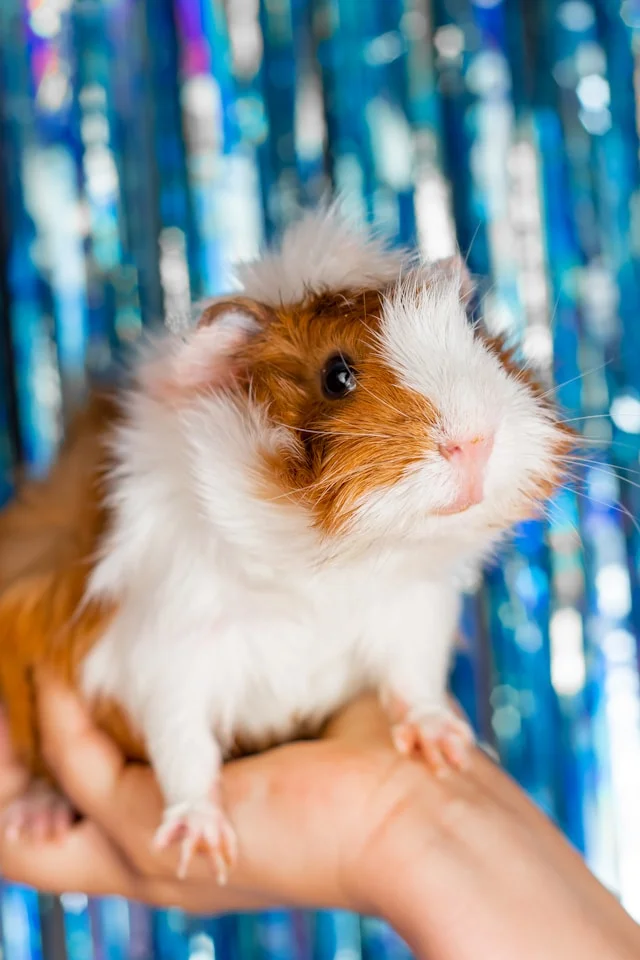
Guinea pigs are often easier for families with children, especially when supervised. Their slower movement makes them easier to handle gently. However, they are fragile and require careful support at all times.
They are best suited for:
- Calm, supervised cuddling
- Families who value quiet interaction
- Children old enough to handle gently
Rats
Rats are excellent for older children and teens who understand how to handle small animals properly. They move quickly and enjoy climbing, which may be overwhelming for very young kids.
They are best suited for:
- Interactive play
- Trick training
- Active bonding sessions
Enrichment & Bonding
Guinea Pigs
Guinea pigs enjoy:
- Tunnels
- Chew toys
- Soft hideouts
- Supervised floor time
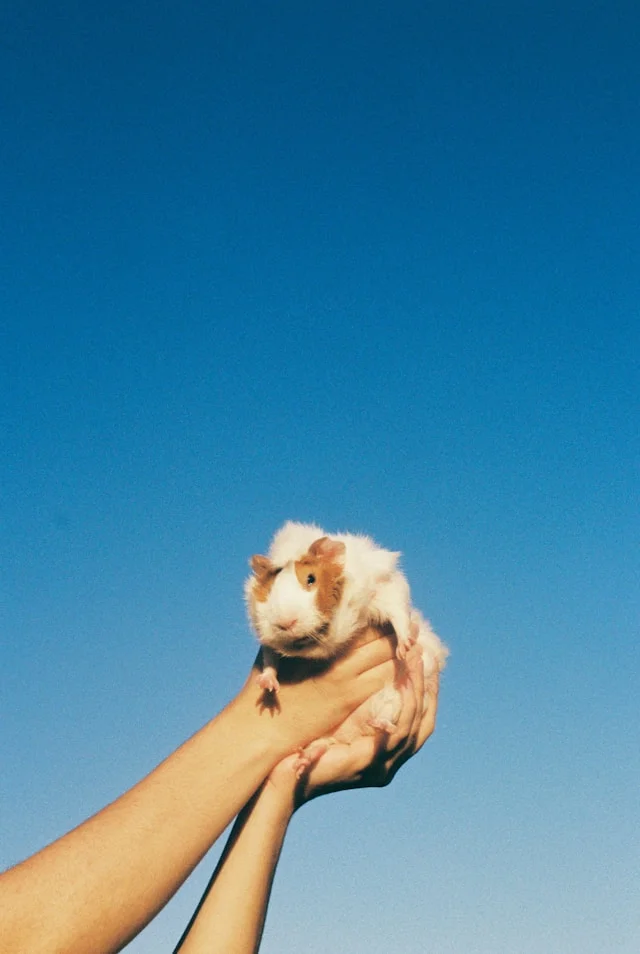
Their bond builds slowly but becomes consistent and comforting. They may not demand constant attention, but they recognize and respond to familiar routines.
Rats
Rats thrive on:
- Puzzle toys
- Obstacle courses
- Trick training
- Daily out-of-cage interaction
They form strong bonds quickly and often seek out your presence actively.
If you enjoy calm companionship, guinea pigs feel soothing. If you enjoy mental engagement and playful interaction, rats keep you entertained.
Real Talk: Health & Vet Considerations

Guinea Pigs
Common health concerns include:
- Dental problems
- Respiratory infections
- Vitamin C deficiency
If a guinea pig stops eating, it requires immediate veterinary attention. Access to an experienced exotic vet is essential.
Rats
Common health concerns include:
- Tumors
- Respiratory issues
Even with excellent care, genetics can play a role. Their shorter lifespan means health challenges may appear sooner.
Understanding these realities before bringing one home prepares you for responsible ownership.
Final Verdict of Guinea Pigs vs Rats as Pets
Choose guinea pigs if you want:
- A longer-lived companion
- Calm, gentle interaction
- A steady daily routine with fresh food prep
- Quiet but expressive pets
Choose rats if you want:
- A highly interactive, intelligent pet
- Fast bonding and trick training
- A vertical cage setup
- A shorter but deeply engaging companionship
Both animals bring joy when cared for properly. The right choice depends on your living space, time availability, budget, and the type of connection you’re looking for. When you match their needs to your lifestyle, the experience becomes rewarding and meaningful for both you and your pet.