5 Homemade Dog Dental Treats to Keep Those Teeth Sparkling
Most of us brush our own teeth without thinking twice, but when it comes to dogs, dental care often slips through the cracks. I’ve been there too. Life gets busy, dogs wiggle, and brushing doesn’t always happen as often as it should. Still, dental health matters just as much for them as it does for us. Bad breath isn’t just unpleasant — it’s often the first sign that plaque, tartar, and gum irritation are building up.
Homemade dental treats are one of the easiest ways to support your dog’s oral health between brushing sessions. They don’t replace brushing, but they absolutely help reduce buildup, keep gums stimulated, and make dental care something your dog actually looks forward to. When you make them yourself, you also know exactly what’s going into your dog’s body, which gives real peace of mind.
Why Homemade Dental Treats Are Worth the Effort
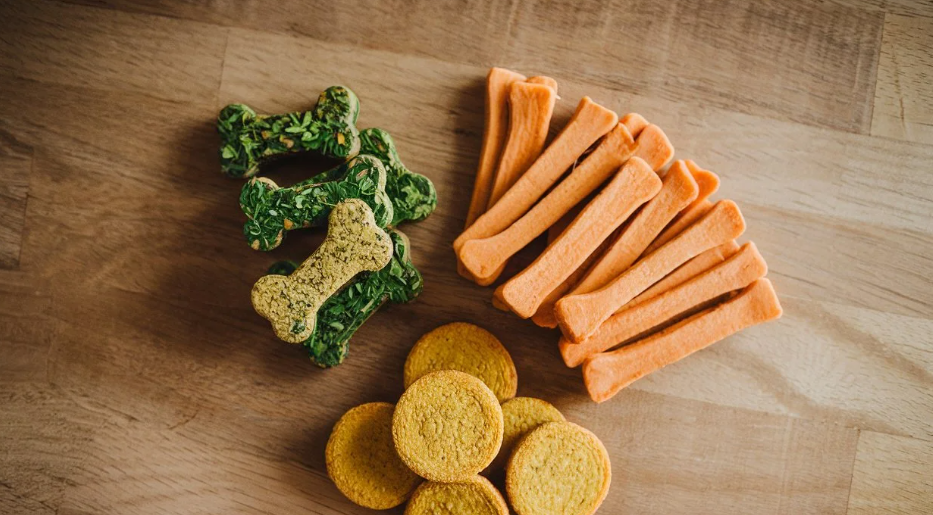
Store-bought dental chews often promise miracles, but many rely on fillers, artificial flavors, or ingredients that don’t truly benefit a dog’s mouth. When you prepare treats at home, you control the texture, the ingredients, and the size — all of which directly affect how effective they are.
From personal experience, dogs are far more enthusiastic about homemade treats. They chew longer, engage more, and actually enjoy the process, which is key for dental benefits. The act of chewing itself helps mechanically remove plaque, while certain natural ingredients support fresher breath and healthier gums.
Parsley and Mint Breath Bites
Why These Ingredients Work Together
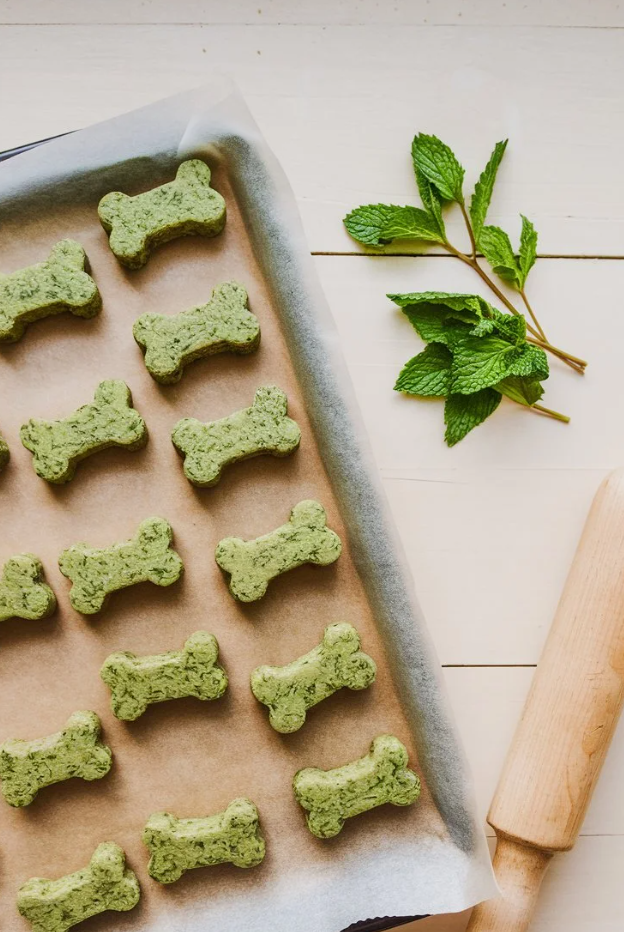
Parsley and mint have been used for generations as natural breath fresheners, and that benefit extends to dogs as well. When combined into a firm, slightly rough baked treat, they do more than mask odors — they help reduce the bacteria that cause bad breath in the first place.
How These Treats Support Teeth
As your dog chews, the texture gently rubs against the surface of the teeth. This friction helps loosen early plaque before it hardens into tartar. Over time, consistent chewing can make a noticeable difference in breath freshness and overall mouth cleanliness. I’ve personally noticed that dogs who get these treats regularly tend to have less mouth odor between brushing sessions.
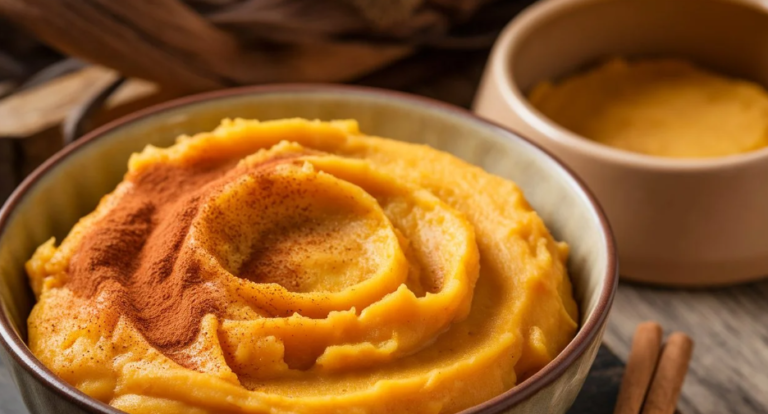
Sweet Potato Chews for Natural Plaque Control
Why Sweet Potatoes Are a Smart Choice
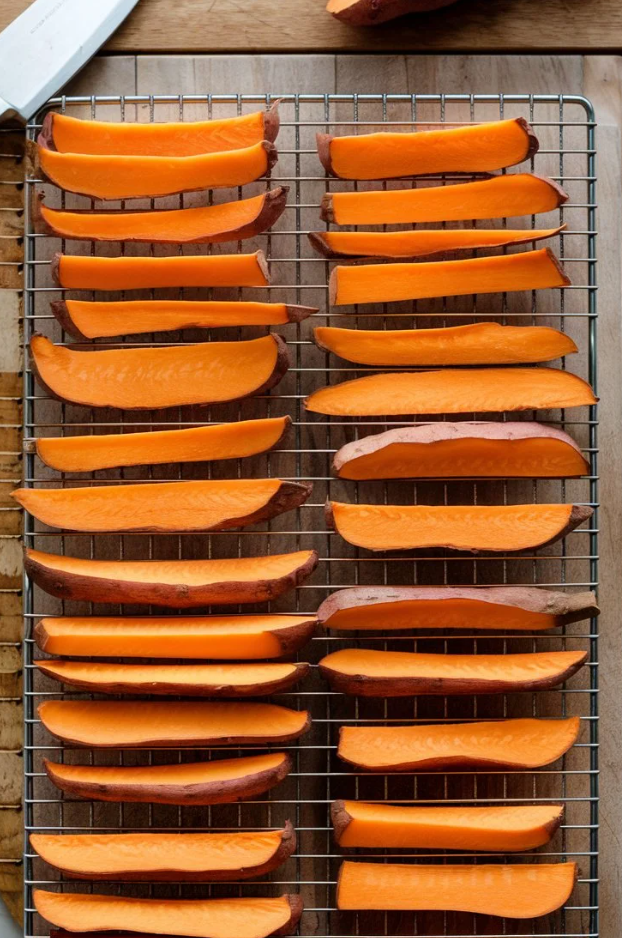
Sweet potatoes are naturally firm once dehydrated, making them ideal for long-lasting chews. Unlike soft treats that disappear in seconds, these require real gnawing, which is exactly what you want for dental support.
More Than Just a Chew
Beyond their dental benefits, sweet potatoes provide vitamins that support immune health, vision, and skin. Dogs usually love the natural sweetness, so there’s no need to add anything artificial. From experience, even picky eaters tend to stay engaged with these chews longer than most store-bought options.
Coconut Oil and Turmeric Biscuits
How Coconut Oil Helps Oral Health
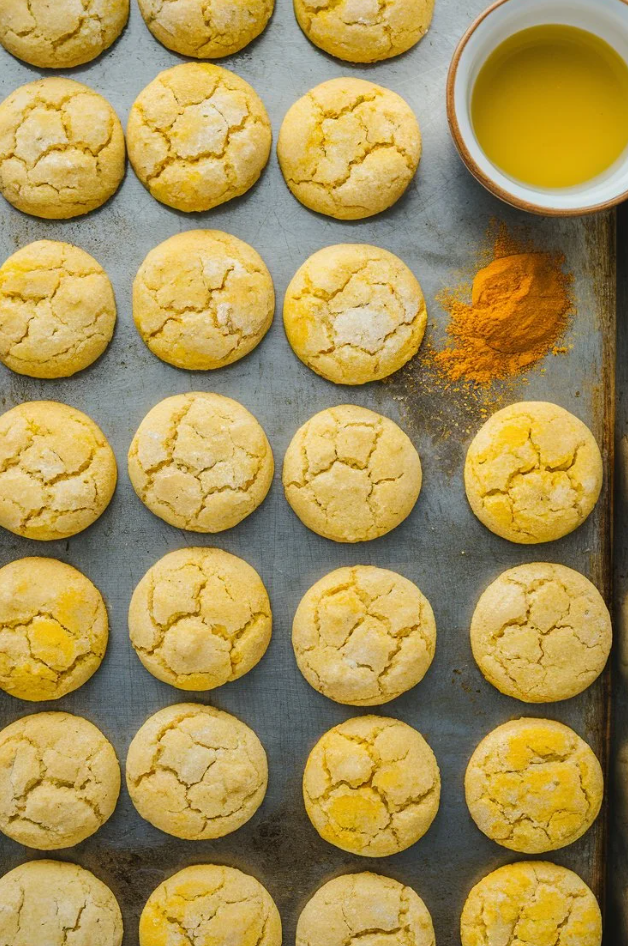
Coconut oil contains natural compounds that help limit harmful bacteria in the mouth. When used in baked treats, it coats the teeth slightly during chewing, which may help reduce bacterial growth over time.
The Role of Turmeric
Turmeric supports gum comfort and helps calm minor inflammation. Dogs with sensitive gums often do well with treats that include it in small, safe amounts. Combined with a crunchy texture, these biscuits support both teeth and gum health while still feeling like a reward.
Frozen Yogurt and Blueberry Bites
Soothing Gums While Supporting Teeth
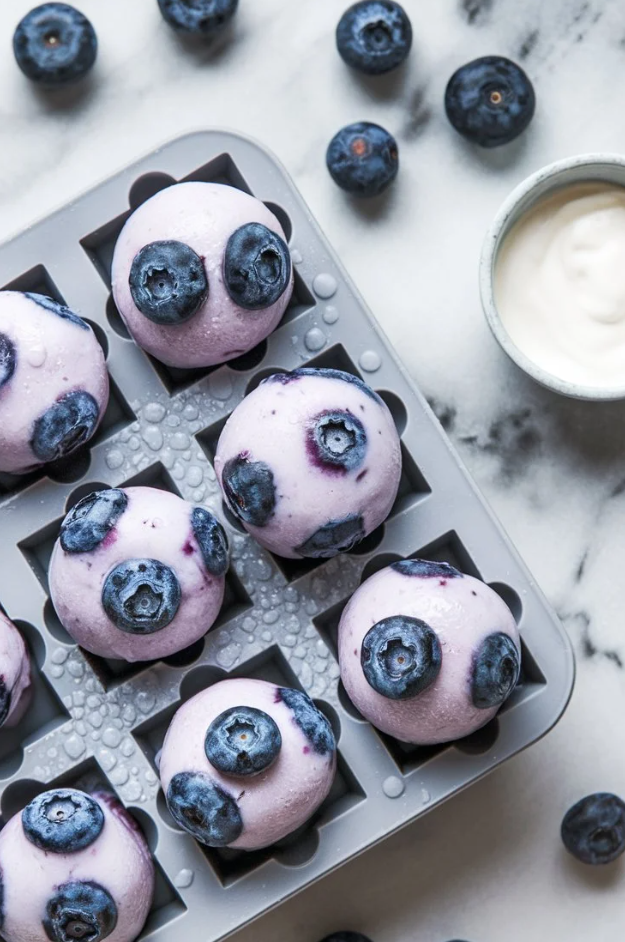
Cold treats can be incredibly soothing, especially for dogs with sensitive gums or puppies going through teething. The freezing process adds firmness, encouraging gentle chewing and licking that stimulates the gums without irritation.
Why Blueberries Make a Difference
Blueberries bring antioxidants into the mix, supporting overall health while adding texture once frozen. The contrast between smooth yogurt and frozen fruit keeps dogs engaged longer, which increases the dental benefit. On hot days, these treats also double as a cooling snack, which dogs genuinely appreciate.
Carrot and Peanut Butter Sticks
Crunch That Works
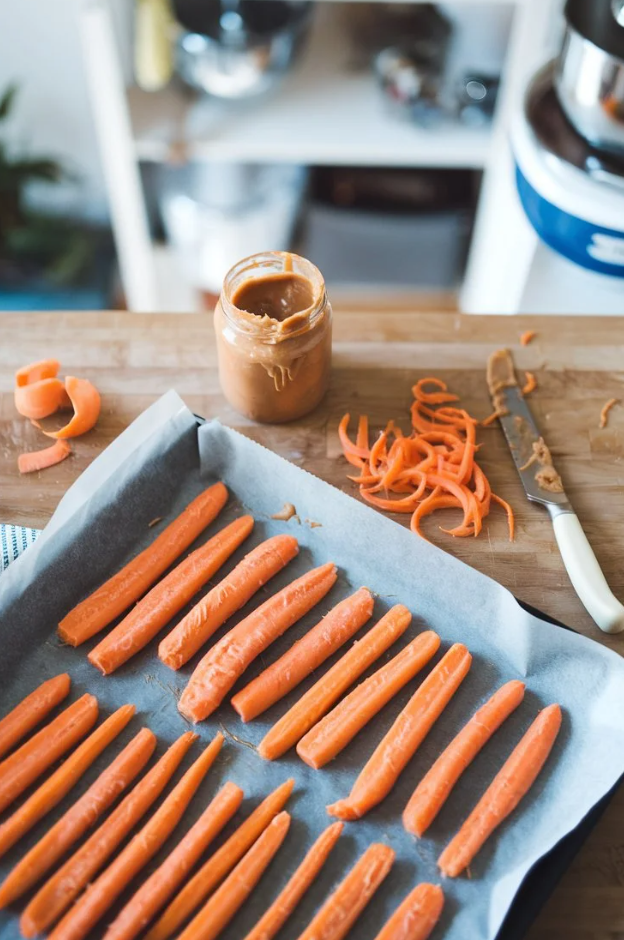
Carrots are naturally crunchy, and that crunch is exactly what helps scrape plaque from teeth. When dogs chew carrots, the fibrous texture rubs against the tooth surface in a way that softer treats simply can’t.
Why Freezing Helps
Freezing carrot sticks coated with a thin layer of peanut butter makes them more durable and satisfying to chew. This slows your dog down, increases chewing time, and gives the teeth and gums a proper workout. In my experience, dogs treat these like high-value chews while still getting real dental benefits.
How Often Dogs Should Have Dental Treats
Dental treats work best when given consistently but not excessively. Offering them a few times a week fits naturally into most routines. They’re meant to support dental care, not overwhelm your dog’s diet. Paying attention to portion size ensures your dog gets benefits without unnecessary calories.
Safety and Ingredient Awareness
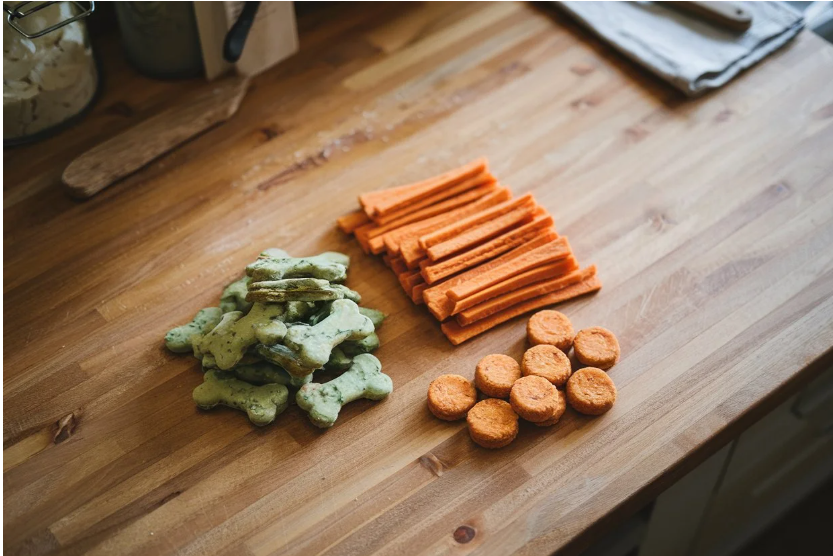
Every dog is different, and ingredient awareness matters. Always avoid foods known to be unsafe for dogs, and pay attention to how your dog reacts to new treats. Starting with small portions allows you to observe tolerance and preference without risk.
From experience, dogs adjust quickly to homemade treats, and many show excitement the moment they recognize the smell coming from the kitchen.
Storage and Freshness Tips
Homemade treats don’t contain preservatives, so proper storage matters. Refrigeration works well for short-term use, while freezing keeps treats fresh for much longer. Airtight containers prevent moisture buildup and help maintain texture, which is important for dental effectiveness.
Do Dental Treats Replace Brushing?
No — and they shouldn’t. Brushing remains the most effective way to maintain dental health. That said, dental treats fill the gap when brushing doesn’t happen daily. They support cleaner teeth, fresher breath, and healthier gums when used alongside brushing and regular veterinary checkups.
Final Thoughts of Homemade Dog Dental Treats
Making dental treats at home is one of those small efforts that pays off in big ways. You see it in fresher breath, cleaner teeth, and a dog that genuinely enjoys dental care instead of resisting it. When you combine smart ingredients with the right textures, you’re not just giving treats — you’re supporting long-term health.
With consistency, awareness, and a little time in the kitchen, homemade dental treats become a natural part of caring for your dog’s overall well-being.