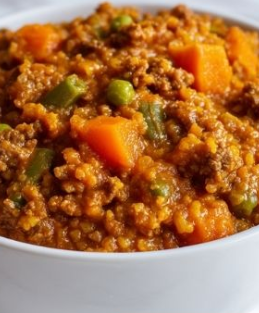
Homemade Dog Food Recipes for Adult Dogs: 2 Vet-Approved Meals Worth Making
Snickers just turned four, and while we skipped a big party, it made me rethink his meals. I’d been serving the same two homemade recipes for years, and although he still ate them, I noticed a tiny pause at the bowl—a subtle sign he might be craving something new.
Save For Later
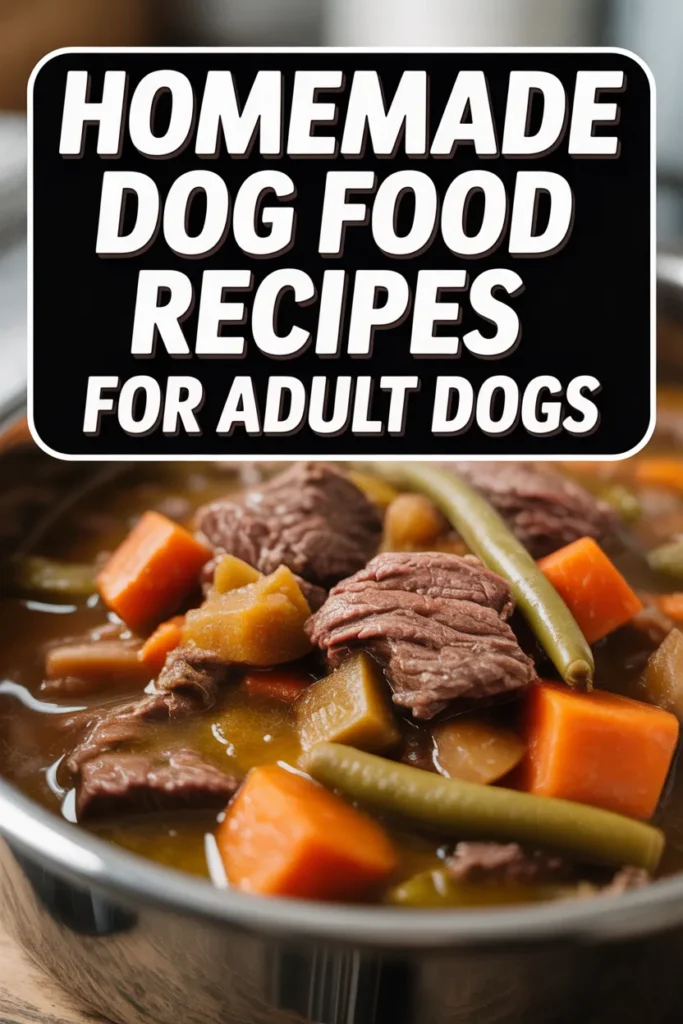
Over one weekend, I experimented with two fresh recipes. First, a slow-cooked beef and pumpkin stew that fills the kitchen with a warm, fall aroma. Second, a quick salmon and egg skillet perfect for weeknights. Both recipes are tailored for adult dogs, with protein, carbs, and fats balanced for fully grown pups.
Since switching, that hesitant sniff before eating is gone. Snickers now dives in enthusiastically, proving that a little variety makes a huge difference.
What Adult Dogs Actually Need
Feeding adults isn’t the same as feeding puppies, but many homemade recipes don’t reflect this. Here’s what I focus on:
- Adjusted protein levels: Adults thrive on 18–25% protein depending on activity, while puppies need 25–30%.
- Fiber for digestion: Vegetables like pumpkin and green beans help keep adult digestion smooth.
- Moderate healthy fats: Essential for coat and energy without promoting weight gain.
- Balanced calcium and phosphorus: Prevents long-term bone issues; supplements can help round this out.
Most vets emphasize protein, fiber, and fats first. The rest can be tailored to your dog’s specific health needs.
Recipe 1: Slow Cooker Beef & Pumpkin Stew
This is my set-it-and-forget-it recipe. I start it before lunch, and by dinner, the kitchen smells amazing. The pumpkin melts into the broth, creating a thick stew that Snickers loves.
Ingredients:
- 2 lbs lean ground beef (90/10)
- 1 cup plain pumpkin puree
- 1.5 cups chopped green beans
- 2 medium carrots, diced
- 1.5 cups uncooked brown rice
- 4 cups low-sodium beef broth
- 1 tbsp coconut oil
- ¼ tsp turmeric (optional)
Steps:
- Brown the beef: Render excess fat for flavor and better texture.
- Layer ingredients: Rice on the bottom, then beef, vegetables, pumpkin, and broth. Don’t stir yet.
- Cook low and slow: 6 hours low or 3.5 hours high until thick.
- Add finishing touches: Stir in coconut oil and turmeric while warm.
- Cool and portion: Makes ~10 cups, about 5 days of meals.
Storage: Fridge up to 5 days, freezer up to 3 months. Portioning makes daily feeding effortless.
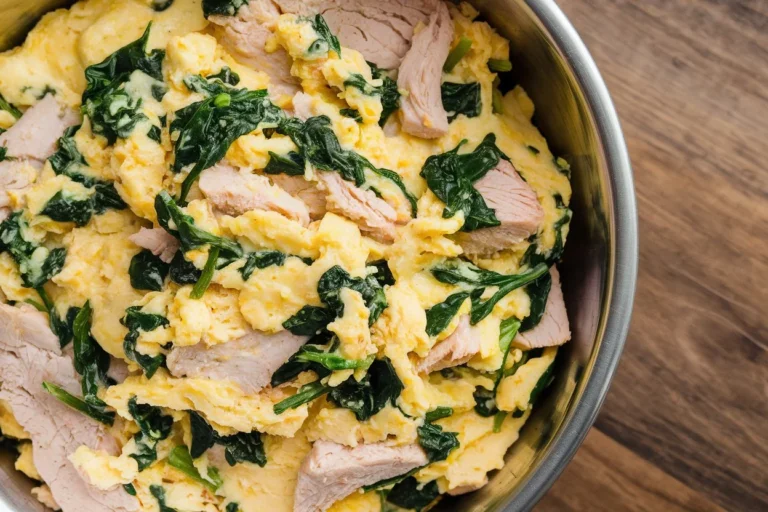
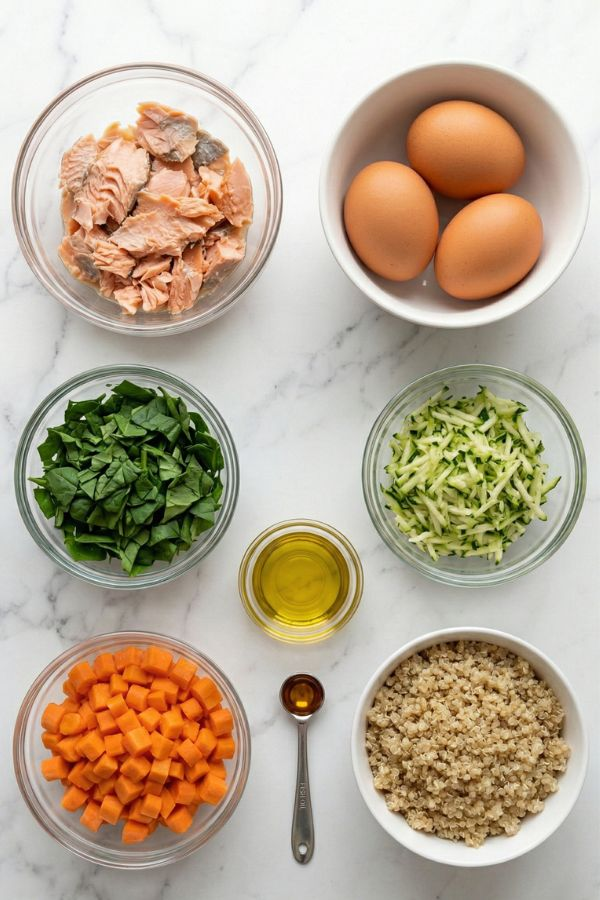
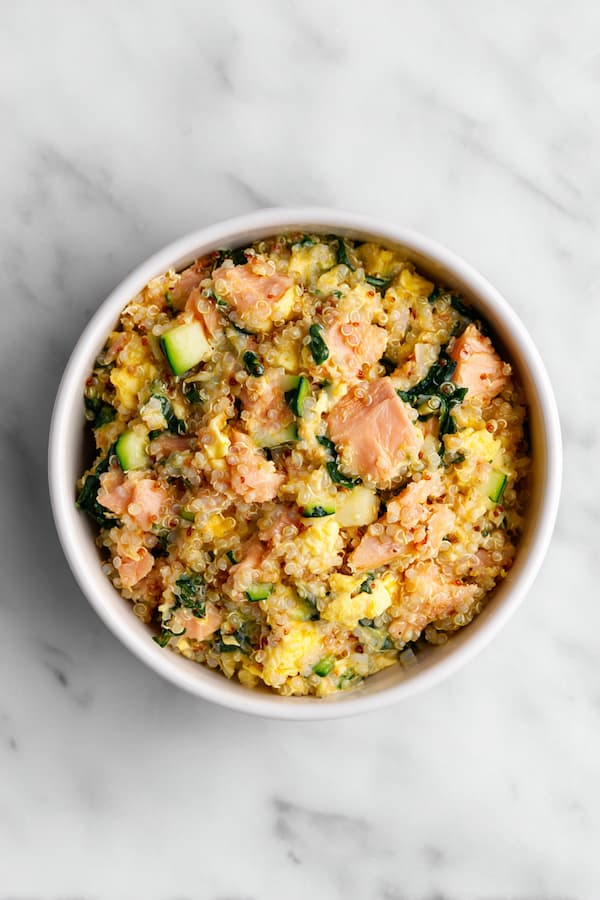
Recipe 2: Salmon & Egg Skillet
For busy nights, this 20-minute skillet is my go-to. It’s packed with omega-3s, which promote healthy skin and a shiny coat. Within two weeks, Snickers’ fur gets softer when I rotate this in.
Ingredients:
- 2 cans salmon in water (14.75 oz total)
- 3 large eggs
- 1 medium zucchini, grated
- 1 cup fresh spinach, chopped
- 1.5 cups cooked quinoa
- 1 tbsp olive oil
- 1 tsp fish oil
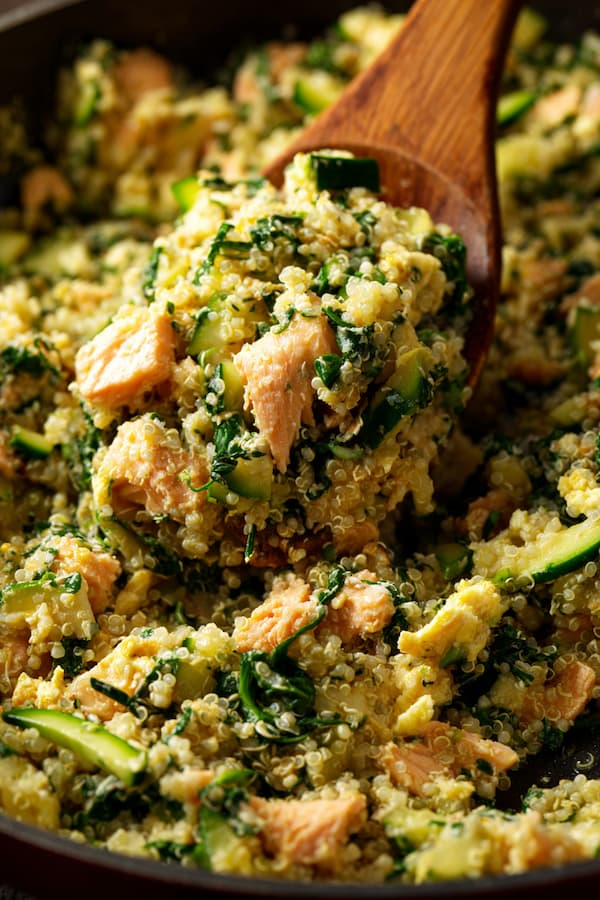
Steps:
- Cook quinoa ahead: Makes assembly faster.
- Scramble eggs: Soft curds, not rubbery, then remove.
- Sauté vegetables: Zucchini and spinach for 2–3 minutes.
- Add salmon: Break into skillet, warm gently.
- Combine: Mix in quinoa and eggs, drizzle with fish oil.
Storage: Best fresh, 3–4 days in fridge. Eggs don’t freeze well; cook fresh if batch-prepping.
Serving Guidelines for Adult Dogs
Portions depend on weight and activity:
| Dog Weight | Beef Stew (daily) | Salmon Skillet (daily) |
|---|---|---|
| 10 lbs | ¾ cup | ⅔ cup |
| 15 lbs | 1 cup | ¾ cup |
| 20 lbs | 1¼ cups | 1 cup |
| 25 lbs | 1½ cups | 1¼ cups |
| 30 lbs | 1¾ cups | 1½ cups |
Feed in two meals daily. Adjust down if your dog gains weight easily. Consult your vet for supplements to cover calcium, phosphorus, or other nutrients.
Common Questions
- Fresh salmon instead of canned? Yes, bake or poach without seasoning.
- Is quinoa safe? Most dogs tolerate it; it’s a seed, not a grain. Introduce gradually.
- Swap beef for turkey? Definitely; leaner meat is perfect for less active dogs.
- Signs the recipes work? Look for energy consistency, solid stools, shiny coat, and eagerness at mealtime.
The Pause Is Gone
That brief hesitation Snickers had at the bowl is gone. Now, the fridge opening sends him sliding across the kitchen like it’s the most important appointment of the day. Rotating these two recipes keeps meals exciting for him and stress-free for me.
The beef stew wins on flavor and substance, while the salmon skillet is my weeknight lifesaver. Together, they cover all bases without making me a full-time dog chef.
Pro Tip: Always consult your vet before switching to a fully homemade diet to ensure nutritional balance.
Key Takeaways
- Adult dogs need less protein, more fiber, and controlled healthy fats.
- Rotating meals prevents boredom and ensures balanced nutrition.
- Slow-cooked beef stew is hearty, while salmon skillet is quick and omega-rich.
- Portion sizes vary by weight; consult a vet for supplements.
- Look for shiny coat, solid stools, and excitement at mealtime as signs of success.
All content on this site is written and reviewed by our experienced team to ensure it is accurate, reliable, and helpful for our readers. Our Our Process page explains how we carefully research and create high-quality content, while our Team page introduces the professionals behind our work. We also provide clear guidelines for content or image concerns on our Image Removal page, so you can trust that we prioritize transparency, quality, and reader safety.