Homemade Lamb Dog Food: 2 Simple and Healthy Recipes
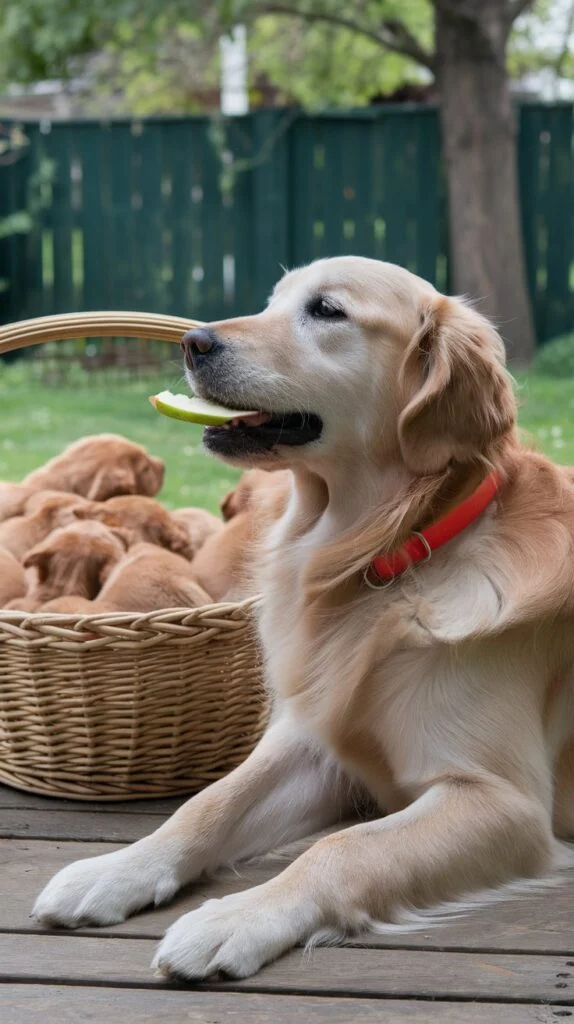
When I first cooked lamb for my dog, it wasn’t planned. I had leftover ground lamb from my own meal and didn’t want to waste it. I cooked it with rice and vegetables, let it cool, and served it. What happened next surprised me.
My dog didn’t just eat it—he finished the entire bowl in seconds and kept looking at me for more. Since then, lamb has become part of my regular homemade dog food rotation.
Save For Later
This article shares my real experience using lamb in homemade dog food and why it worked better than chicken or beef for my dog. I explain how lamb improved his appetite, helped with variety, and worked well for sensitive digestion. I also break down two complete lamb-based recipes, cost estimates, storage methods, and feeding portions based on dog weight.
Lamb is not the cheapest protein, but I found it practical when bought smartly (ground lamb or shoulder cuts). It also works well for picky eaters and dogs that don’t do well on common proteins.
Key Takeaways
- Lamb is a novel protein, which may help dogs with food sensitivities
- It is naturally higher in fat, making it better for active or underweight dogs
- My dog showed stronger excitement for lamb compared to chicken or beef
- Ground lamb and lamb shoulder are the most cost-effective options
- Homemade lamb meals can cost less than premium kibble when batch-cooked
- Proper storage keeps meals fresh for up to 5 days in the fridge or 3 months frozen
Why Lamb Works So Well for Dogs
From my experience, lamb stands out because it is not a common daily protein in most dog diets. That alone makes it more interesting for dogs who get bored with chicken or beef.
I also noticed my dog reacts more strongly to the smell of lamb cooking than any other protein. He stays in the kitchen the whole time, which never happened with turkey or chicken.
Lamb is also considered a novel protein, which means many dogs haven’t been exposed to it often. In my case, this seemed to help with appetite and food excitement.
It also has a naturally richer fat content, which made the meals more filling and flavorful for my dog.
From a nutrition point of view, lamb contains higher levels of iron and zinc compared to many common proteins. These nutrients support energy levels and coat condition, which I noticed improved slightly after adding lamb occasionally.
The only real downside I’ve seen is cost. Lamb is usually more expensive than chicken or turkey. But when I buy in bulk or use shoulder cuts, the price becomes manageable for weekly meal prep.
Recipe 1: Ground Lamb & Rice With Vegetables
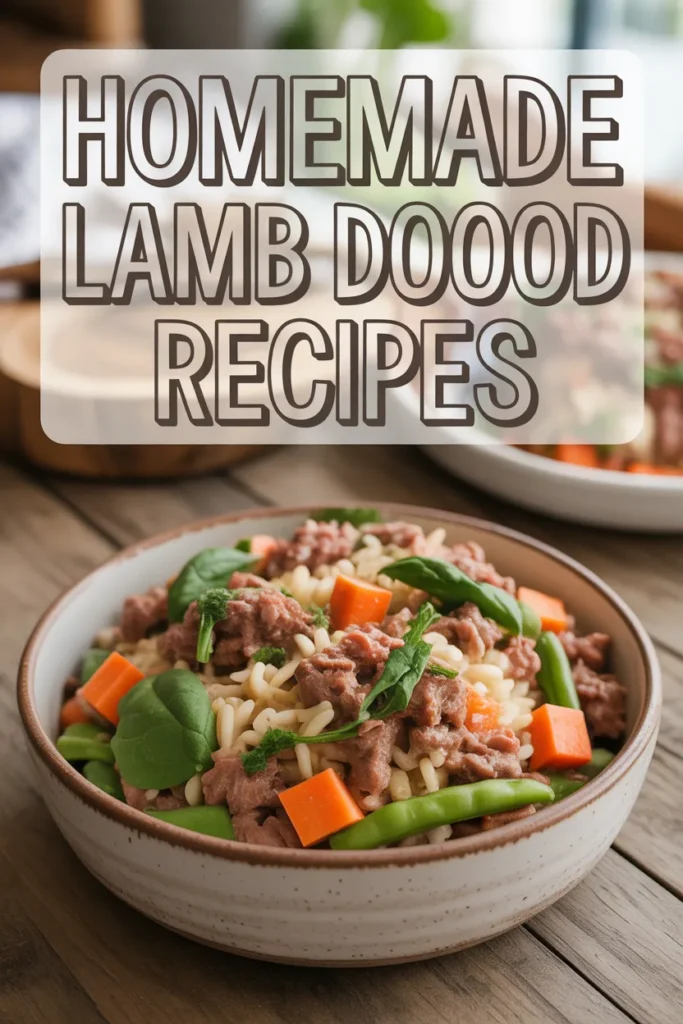
This is the first recipe I ever made using lamb. It started as a leftover meal and became one of my go-to homemade dog food options. It is simple, fast, and makes enough food for several days.
The rice absorbs the lamb juices, which improves both texture and taste from my dog’s reaction.
Ingredients
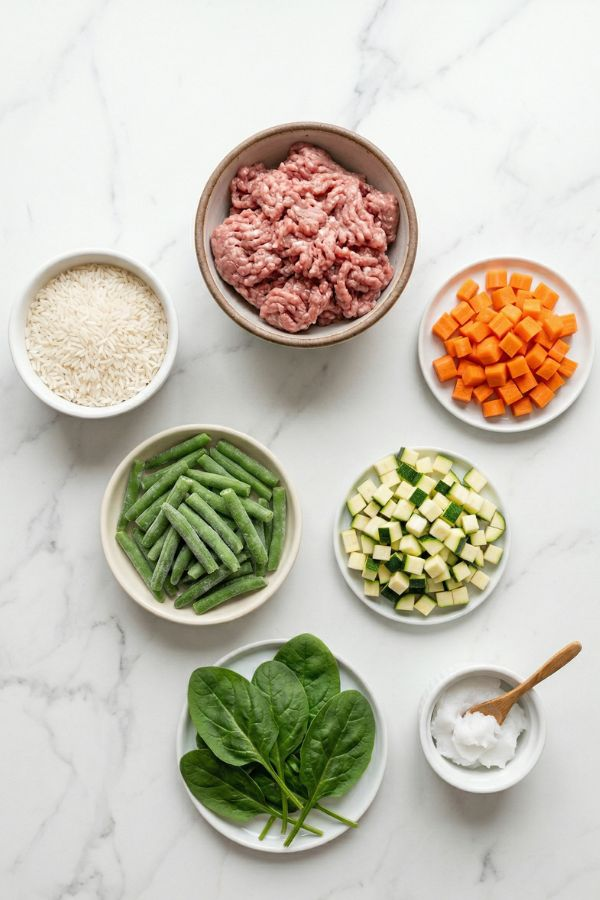
| Ingredient | Amount | Approx. Cost |
|---|---|---|
| Ground lamb | 1.5 lbs | $8.50 |
| White rice | 1.5 cups | $0.35 |
| Carrots | 2 medium | $0.40 |
| Frozen green beans | 1 cup | $0.65 |
| Zucchini | 1 small | $0.50 |
| Spinach | 1 cup | $0.45 |
| Coconut oil | 1 tbsp | $0.15 |
| Calcium supplement | As directed | $0.15/day |
| Water | 4 cups | Free |
Ground lamb around 80/20 fat works best in my experience. If it’s too fatty, I drain a small portion. If it’s too lean, the batch becomes dry and less appealing.
Step-by-Step Instructions
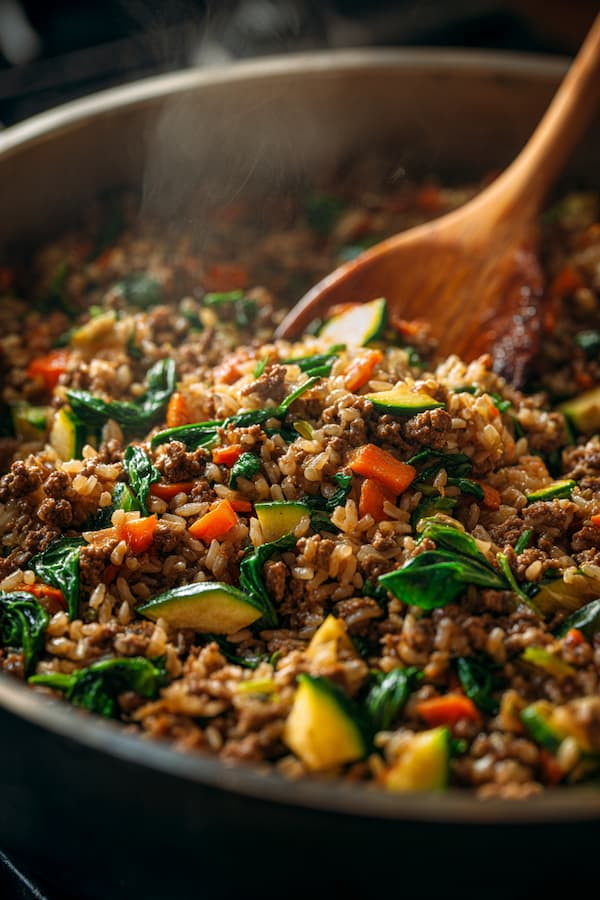
Step 1: Cook the lamb
I brown the lamb in a pot over medium heat for about 8 minutes. I break it into small pieces while cooking. The smell becomes strong quickly, and my dog usually shows up at this stage.
If there is too much fat, I remove a small amount but keep enough for flavor and calories.
Step 2: Add rice and carrots
I add uncooked rice, carrots, and water. Then I let it simmer covered for about 18 minutes. I avoid lifting the lid so the steam fully cooks the rice.
This step creates a broth-like flavor that makes the food richer.
Step 3: Add vegetables
I mix in zucchini, green beans, and spinach. I cook it for a few more minutes until everything softens. Spinach shrinks down quickly and blends into the mix.
Step 4: Finish with coconut oil
After turning off heat, I stir in coconut oil. This helps with texture and adds healthy fats. The final mix should not be watery or dry.
Step 5: Cool and store
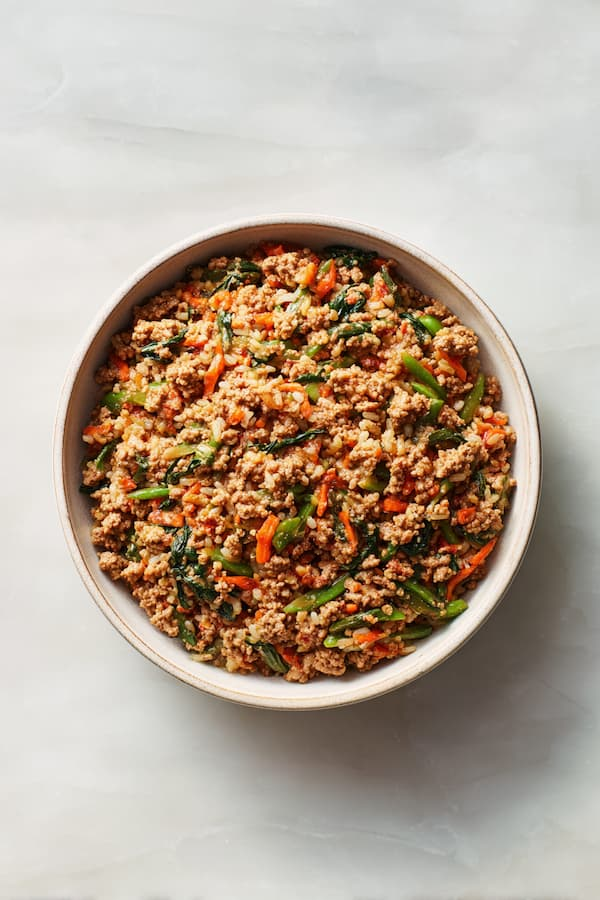
I spread the food out to cool before storing. I learned the hard way that sealing warm food creates moisture and reduces freshness.
Storage
- Fridge: up to 5 days
- Freezer: up to 3 months
Serving Guidelines
| Dog Weight | Daily Amount | Meals |
|---|---|---|
| 10 lbs | 1 cup | 2 |
| 15 lbs | 1.5 cups | 2 |
| 20 lbs | 1.75 cups | 2 |
| 25 lbs | 2 cups | 2 |
| 30 lbs | 2.25 cups | 2 |
Recipe 2: Slow-Simmered Lamb, Rice & Pumpkin Stew
This recipe takes longer but gives a richer result. I usually make it on weekends because it needs slow simmering time. My dog responds even more strongly to this version compared to ground lamb.
The pumpkin also helps with digestion and creates a thicker texture.
Ingredients
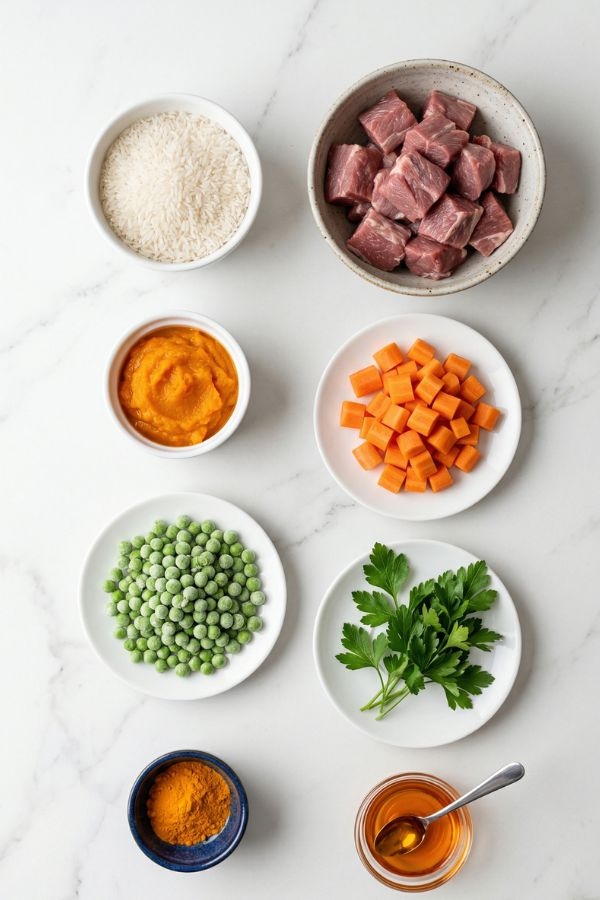
| Ingredient | Amount | Approx. Cost |
|---|---|---|
| Lamb shoulder | 1.5 lbs | $7.80 |
| White rice | 1.5 cups | $0.35 |
| Pumpkin (plain) | 1/2 cup | $0.90 |
| Carrots | 2 medium | $0.40 |
| Frozen peas | 3/4 cup | $0.50 |
| Parsley | 1 tbsp | $0.15 |
| Turmeric | 1/4 tsp | $0.05 |
| Salmon oil | 1 tbsp | $0.30 |
| Calcium supplement | As directed | $0.15/day |
| Water | 6 cups | Free |
Step-by-Step Instructions
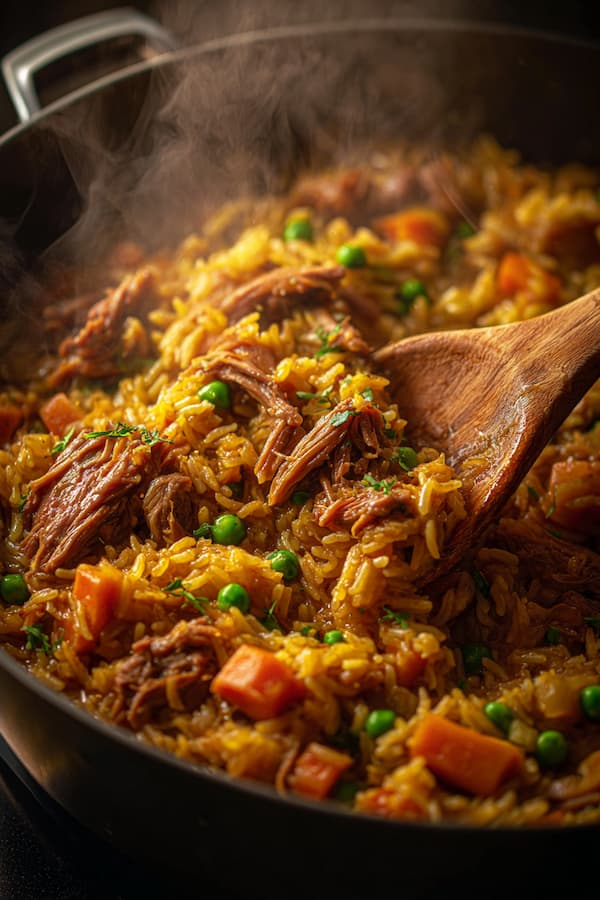
Step 1: Simmer lamb
I simmer lamb chunks in water for about 35–40 minutes until tender. I remove foam early for a cleaner broth.
Step 2: Shred meat
I take out the lamb, shred it, and carefully remove all bones if present. I never leave bones in because they can be dangerous after cooking.
Step 3: Cook rice in broth
I cook rice and carrots in the lamb broth. This is where the flavor builds up strongly.
Step 4: Add pumpkin and peas
I mix in pumpkin and peas and let it thicken slightly. The texture becomes stew-like.
Step 5: Add lamb back
I return shredded lamb and mix everything together with turmeric and parsley.
Step 6: Finish with salmon oil
I add salmon oil at the end for coat health and extra calories.
Step 7: Cool and store
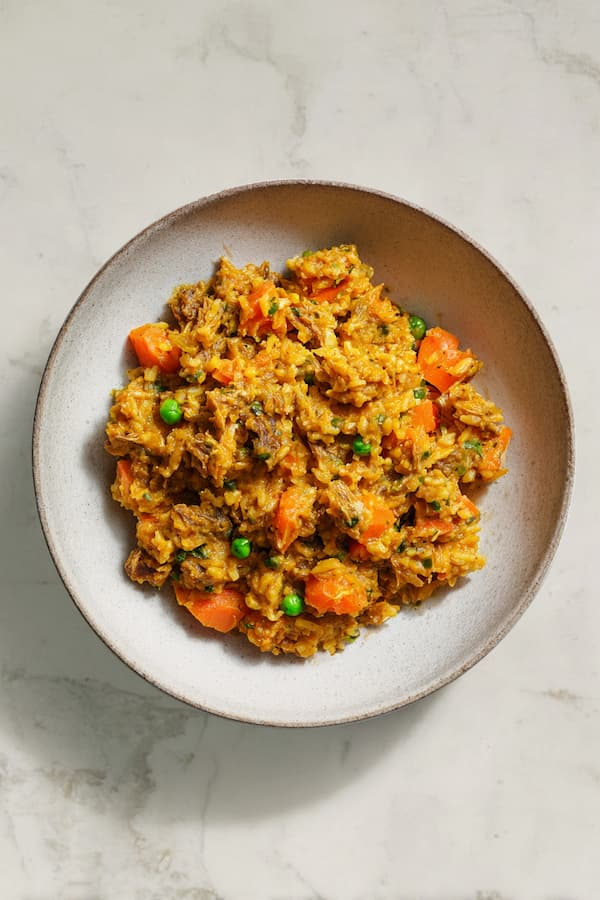
I cool it fully before storing in containers. This batch usually lasts about a week.
Storage
- Fridge: up to 5 days
- Freezer: up to 3 months
Serving Guidelines
| Dog Weight | Daily Amount | Meals |
|---|---|---|
| 10 lbs | 0.75 cup | 2 |
| 15 lbs | 1.25 cups | 2 |
| 20 lbs | 1.5 cups | 2 |
| 25 lbs | 1.75 cups | 2 |
| 30 lbs | 2 cups | 2 |
Picking the Right Lamb Cut
From my experience, not all lamb cuts are equal for dog food. Some are cost-effective, while others are not worth it.
Pro tip: For the best balance of cost and nutrition, I stick with ground lamb for quick meals and lamb shoulder for slow-cooked recipes.
| Cut | Best Use | Notes |
|---|---|---|
| Ground lamb | Quick meals | Best balance of cost and ease |
| Lamb shoulder | Stews | Very tender after slow cooking |
| Stew meat | Either recipe | Saves prep time |
| Lamb leg | Not ideal | Too lean for dogs |
| Lamb chops | Not recommended | Too expensive |
Keeping Lamb Affordable
I don’t use lamb every week because of the cost. Instead, I rotate it with chicken and turkey to keep expenses balanced.
Buying in bulk or using shoulder trimmings helps reduce cost significantly. I also freeze extra portions when prices drop.
FAQs
Can I mix lamb with other meats?
Yes, I sometimes mix lamb with turkey to reduce cost. But I keep it separate when testing for food sensitivities.
Which rice works better?
I use white rice because it cooks faster and blends better with lamb fat. Brown rice also works but takes longer.
Can puppies eat lamb?
Yes, puppies over 12 weeks can eat lamb in smaller portions spread across more meals per day.
Final Note
I’m not a vet, just a dog owner sharing what worked in my kitchen. Lamb has been a helpful protein in my dog’s rotation, especially for variety and appetite. But if a dog has medical conditions, I always recommend checking with a vet first.
All content on this site is written and reviewed by our experienced team to ensure it is accurate, reliable, and helpful for our readers. Our Our Process page explains how we carefully research and create high-quality content, while our Team page introduces the professionals behind our work. We also provide clear guidelines for content or image concerns on our Image Removal page, so you can trust that we prioritize transparency, quality, and reader safety.