Homemade Spray for Silverfish (Simple, Cheap, and Weirdly Satisfying)
Silverfish are one of those insects that don’t technically hurt you, yet still manage to scare the life out of you when they dart across the floor at night. They don’t bite, they don’t sting, and they don’t spread disease—but their speed, sudden appearances, and habit of showing up in bathrooms or near books make them deeply unsettling. If you’ve ever flipped on a light at 2 a.m. and watched one disappear in a blink, you already know the feeling.
They thrive in dark, damp spaces and are especially drawn to paper, cardboard, glue, and fabrics. That’s why bathrooms, basements, laundry rooms, and book collections often become their favorite hiding spots. Once they settle in, they tend to stick around unless something changes in their environment.
The good news is that getting rid of silverfish doesn’t require filling your home with harsh chemicals. With a few simple ingredients, you can create effective sprays at home that make your space completely uninviting to them—without putting your health, pets, or sanity at risk.
Why Go Homemade Instead of Store-Bought?
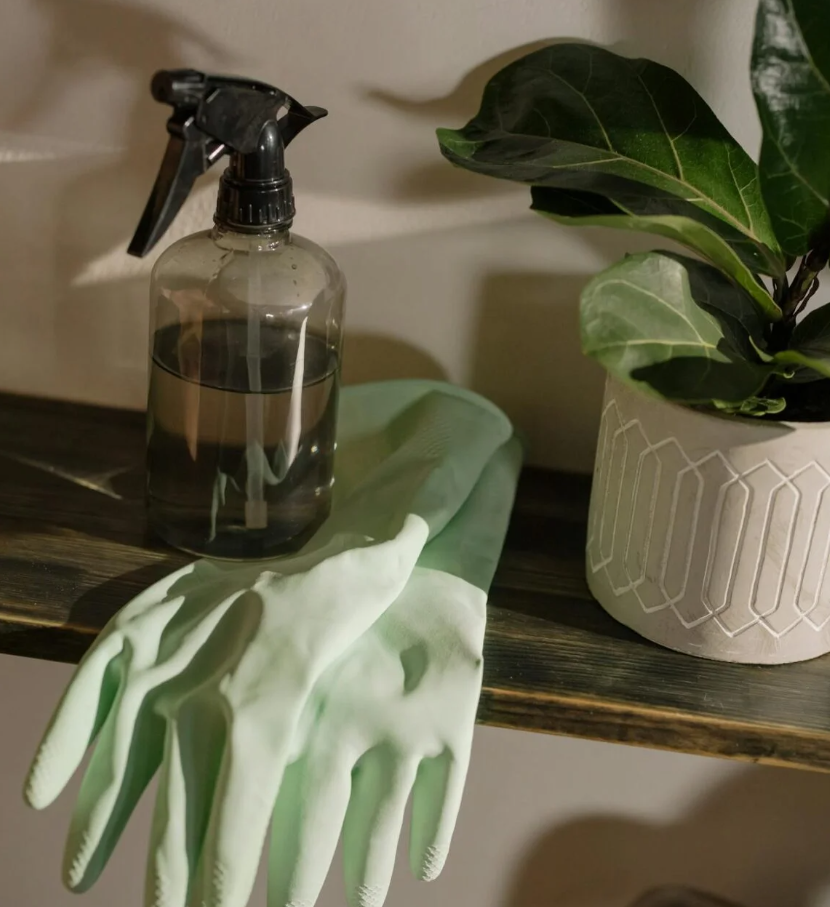
There’s a reason so many people move away from commercial bug sprays once they understand how silverfish behave. Store-bought solutions can work, but they often come with strong fumes, lingering chemical smells, and warnings that make you second-guess using them indoors.
Homemade sprays are far more approachable. They’re inexpensive, easy to make, and gentle enough to use regularly. You know exactly what’s going into them, which makes a big difference if you have pets, kids, or simply don’t want your house smelling like a science experiment gone wrong. There’s also something genuinely satisfying about solving a pest problem using ingredients you already have sitting in your kitchen.
Most importantly, these DIY options don’t just mask the issue—they directly target what silverfish hate the most.
The Science Behind Why These Sprays Work
Silverfish might look tough with their shiny, armored bodies, but they’re actually very sensitive to their surroundings. Strong scents overwhelm them, acidic conditions disrupt their comfort, and drying agents damage the protective layer that helps them survive.
Essential oils create intense smells that silverfish instinctively avoid. Vinegar alters the surface environment and makes it inhospitable. Alcohol and soap break down their outer coating, causing them to dry out quickly. When combined properly, these ingredients don’t just repel silverfish—they make your home a place they don’t want to stay.
That’s the real goal: not just killing the ones you see, but discouraging future visitors altogether.
Recipe 1: Essential Oil Spray (Simple and Reliable)
This is one of the most popular options because it’s easy to make and actually makes your home smell better instead of worse.
What You’ll Need
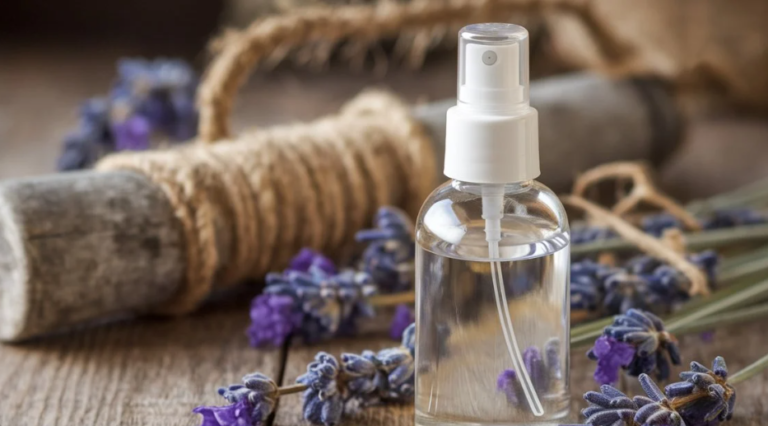
You’ll need a standard spray bottle, water, and a few essential oils known for repelling silverfish. Lavender is calming for people but unpleasant for insects. Citrus oils like lemon or orange are especially effective. Cedarwood adds another layer of protection and strengthens the scent profile. A small amount of dish soap helps everything mix evenly.
How to Make It
Start by filling the spray bottle with water. Add the essential oils directly into the bottle, then include a tiny drop of dish soap. Shake the bottle well so the oils disperse evenly throughout the water. Since oil and water naturally separate, give it a quick shake before each use.
How to Use It
Apply the spray along baseboards, inside cabinets, under sinks, and near bookshelves. Focus on areas where silverfish are likely to hide rather than spraying open spaces. Reapply every few days or after cleaning for best results. Over time, these areas become less appealing, and sightings usually decrease noticeably.
Recipe 2: Vinegar and Citrus Spray
If you don’t have essential oils or prefer something even simpler, vinegar is a powerful alternative.
What You’ll Need
All you need is white vinegar, water, and optionally the peel from a lemon or orange. The citrus isn’t required, but it does boost effectiveness and softens the vinegar smell.
How to Make It
Mix equal parts vinegar and water in a spray bottle. If you’re using citrus peel, let it soak in the mixture for about a day before using. This allows the natural oils from the peel to infuse into the liquid.
How to Use It
Spray this solution along cracks, corners, and damp areas where silverfish are active. The acidic nature of vinegar disrupts their environment immediately. The smell may be strong at first, but it fades as it dries—and it’s far preferable to sharing your space with pests.
Recipe 3: Alcohol and Essential Oil Blend
This option is more direct and works quickly, especially if you’re already seeing silverfish around the house.
What You’ll Need
You’ll need rubbing alcohol, water, and essential oils like lavender, cedar, or citrus. The alcohol does most of the work, while the oils add extra repellency.
How to Make It
Combine the alcohol and water in a spray bottle, then add the essential oils. Shake well to mix everything evenly.
How to Use It
This spray can be used directly on silverfish if you spot them, as well as along their usual hiding places. Use it sparingly on surfaces, since alcohol can be drying if overused. Targeted application works best.
Where to Spray for Real Results
Spraying random areas won’t solve the problem. Silverfish stay close to moisture and shelter, so those are the places that matter most.
Focus on baseboards, corners, and gaps where walls meet the floor. Pay close attention to bathrooms, under sinks, around tubs, and behind toilets. Closets, storage boxes, bookshelves, laundry rooms, and basements are also common hotspots. If an area is dark, damp, or filled with paper, it deserves attention.
Tips for Long-Term Silverfish Control
Sprays work best when they’re part of a bigger plan. Regular application matters, especially in the beginning. Reducing clutter makes a huge difference, since piles of paper and cardboard give silverfish both food and shelter. Fixing leaks and lowering humidity removes the moisture they rely on to survive.
For faster results, sprays can be combined with other methods like traps or drying powders. The key is consistency and removing the conditions that allow silverfish to thrive in the first place.
Final Thoughts of Homemade Spray for Silverfish
Silverfish may be quick, but they’re not unbeatable. Once you understand what they’re attracted to—and what they can’t stand—you gain the upper hand. Homemade sprays using essential oils, vinegar, or alcohol can turn your home into a place they avoid entirely.
With the right approach, those late-night surprises become less frequent, then disappear altogether. And when one does show up, you’ll know exactly what to do—no panic, no harsh chemicals, just a solution that works.