
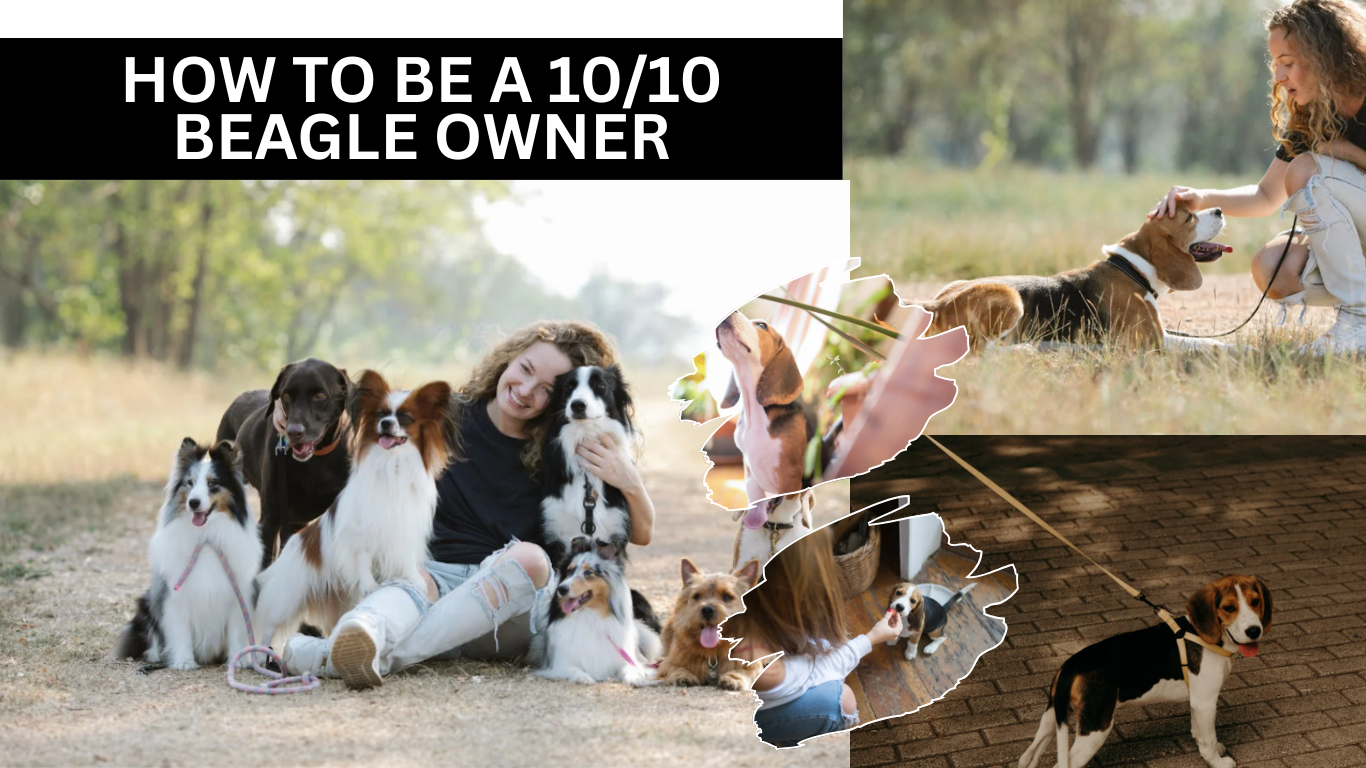
How to Be a 10/10 Beagle Owner
So, you’ve got yourself a Beagle—congratulations! Bringing a Beagle into your life means welcoming a dog that’s full of curiosity, affection, and personality. These dogs are incredibly lovable, but they’re also not the easiest breed to manage if you don’t understand what makes them tick.
Beagles are intelligent and independent, which is both a blessing and a challenge. They don’t just follow commands blindly—they think for themselves. That’s why being a great Beagle owner isn’t about control; it’s about understanding, patience, and consistency. Once you learn how your Beagle’s mind works, everything becomes smoother and far more enjoyable.
Here are some tips to help you become a 10/10 Beagle owner.
1. Understand Their Need for Exercise

If there’s one thing I’ve learned from living with Beagles, it’s that they have energy to spare. These dogs were bred to hunt for hours, following scent trails without getting tired. That instinct is still very much alive today.
A short walk around the block won’t meet their needs. Beagles need long walks, active playtime, and opportunities to move their bodies every single day. When I give a Beagle enough exercise, I notice they’re calmer, more focused, and far less likely to get into trouble at home.
Without proper physical activity, that unused energy shows up in ways you won’t enjoy—chewing, digging, pacing, or nonstop barking. Regular exercise isn’t optional for this breed; it’s essential for their mental balance and overall happiness.
2. Embrace Their Love for Sniffing

A Beagle’s world revolves around scent. Their nose leads the way in almost everything they do, and fighting that instinct only leads to frustration—for both of you.
Instead of rushing walks, I let my Beagle stop and sniff. Those moments aren’t wasted time; they’re mental stimulation. Sniffing is how Beagles relax, process information, and satisfy their natural instincts.
At home, activities that involve scent work make a huge difference. Simple games that encourage sniffing keep their minds engaged and reduce boredom. When their nose gets a workout, they’re more content and less restless.
3. Be Patient with Training

Training a Beagle requires a different mindset. They’re smart, but they’re not eager to please in the same way some breeds are. If a smell is more interesting than your command, they’ll choose the smell every time.
What works best is patience and positive reinforcement. I’ve found that gentle encouragement, repetition, and rewards help them stay engaged. Harsh methods only shut them down or make them more stubborn.
Training sessions should be short, upbeat, and consistent. Progress may feel slow at times, but when you stick with it, Beagles do learn. The key is understanding that they’re thinkers, not robots.
4. Keep Them Mentally Stimulated

Physical exercise alone isn’t enough for a Beagle. Their sharp mind needs just as much attention as their body.
When a Beagle doesn’t have mental challenges, boredom sets in quickly. That’s when mischief starts. I’ve seen how puzzles, interactive toys, and learning new commands can completely change a Beagle’s behavior.
Teaching tricks, rotating toys, and offering small challenges throughout the day keeps their brain active. A mentally satisfied Beagle is calmer, happier, and far more enjoyable to live with.
5. Provide Plenty of Socialization
Beagles are naturally social dogs. They were bred to work alongside others, and they thrive on companionship.
Early and ongoing socialization helps them feel confident in new environments. When I expose a Beagle to different people, places, and dogs, I see fewer fear-based behaviors and more relaxed reactions.
Social interaction isn’t just about play—it’s about teaching them how to navigate the world calmly and confidently. A well-socialized Beagle is friendly, adaptable, and emotionally balanced.
6. Be Ready for Some Noise

Beagles are vocal, and that’s part of who they are. Their howl isn’t random—it’s communication. They use their voice when they’re excited, bored, anxious, or seeking attention.
While you may never completely silence a Beagle, you can manage the noise. I’ve found that meeting their exercise and mental needs reduces excessive vocalizing. Training also helps them learn when it’s appropriate to use their voice.
Understanding why they’re howling is far more effective than trying to stop it outright. Once their needs are met, the noise becomes much more manageable.
7. Monitor Their Diet (They’re Little Food Thieves!)

If Beagles had a motto, it would probably be “food first.” Their love for food is intense, and it’s something every owner must take seriously.
They’ll eat whenever they can, even when they shouldn’t. I’ve learned the importance of structured feeding, controlled portions, and keeping food out of reach. Without boundaries, weight gain happens fast.
Maintaining a healthy diet isn’t just about appearance—it affects their joints, energy levels, and lifespan. Careful food management combined with regular exercise keeps them fit and healthy.
8. Provide a Secure Space

Beagles are curious explorers, and their nose can lead them into trouble if they’re not properly contained.
A secure yard is crucial if they spend time outdoors. I’ve seen how easily a Beagle can follow a scent trail without any awareness of danger. Safety should always come first.
Inside the home, they also need a calm, comfortable space where they can relax. After a day of activity and stimulation, Beagles love curling up close to their people. That balance between movement and rest is important for their well-being.
Final Thoughts of How to Be a 10/10 Beagle Owner
Owning a Beagle is a commitment that goes beyond basic care. These dogs need understanding, patience, and daily involvement. When you meet their physical, mental, and emotional needs, the rewards are incredible.
You’ll get loyalty, affection, endless entertainment, and a deep bond that grows stronger over time. With the right approach, living with a Beagle isn’t just manageable—it’s deeply fulfilling.