
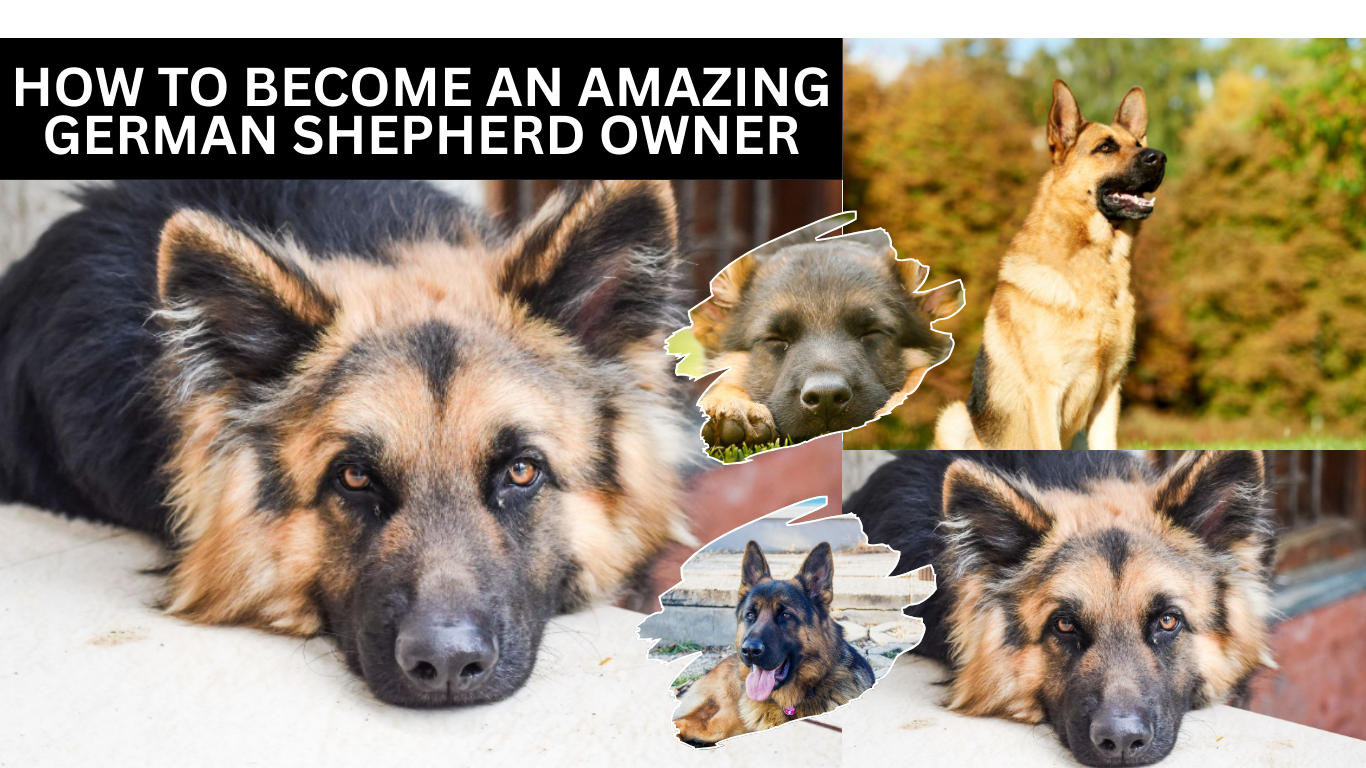
How To Become An Amazing German Shepherd Owner
German Shepherds are truly remarkable dogs. They are famous for their unwavering loyalty, sharp intelligence, and incredible versatility. Whether it’s guarding your home, excelling in dog sports, or simply being your loving family companion, they adapt easily to many roles. Their keen sense of awareness and eagerness to work make them one of the most respected breeds worldwide. When you welcome a German Shepherd into your life, you are bringing in a friend who is not only intelligent but also deeply devoted to you.
Owning a German Shepherd is not something you can take lightly. Whether this is your first dog or your fifth, these dogs demand understanding, patience, and genuine affection. They aren’t just pets—they are companions who thrive when their needs are met. You have to be ready to invest time and energy into every aspect of their life, from training to exercise, to ensure they are balanced, happy, and healthy. Your dedication directly reflects on how well your dog adapts and responds to you.
Being a great German Shepherd owner means more than feeding and walking them. It’s about creating a lifestyle where your dog feels secure, loved, and mentally stimulated. The following tips will help you build a strong bond while giving your dog everything they need to flourish.
7 Tips to Become an Amazing German Shepherd Owner
1. Understand Their Needs
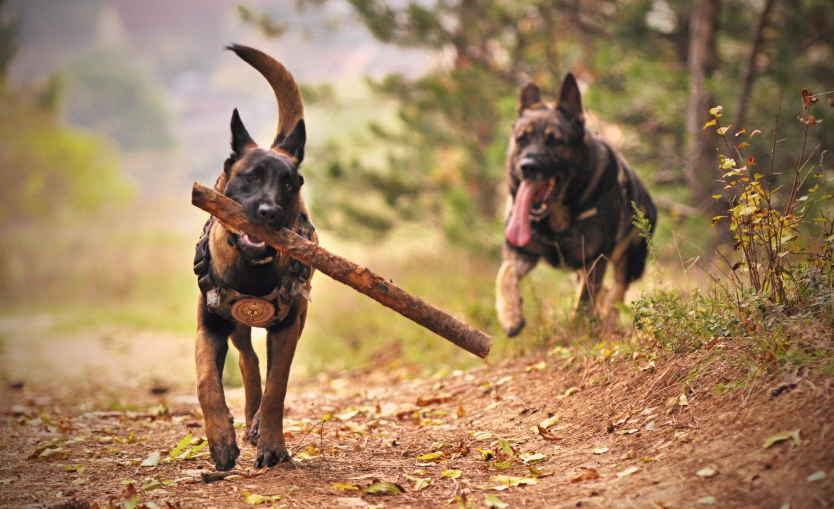
German Shepherds are high-energy dogs, and they thrive when their physical and mental needs are fully met. If you don’t give them enough exercise, they can become bored or develop behavioral issues. Daily walks, jogging, or active play are essential. But it doesn’t stop there—these dogs also need mental stimulation. Teaching them new commands, using puzzle toys, or engaging them in interactive games keeps their minds sharp. You’ll notice that a well-exercised and mentally stimulated German Shepherd is calmer, happier, and much easier to live with.
2. Invest in Training Early
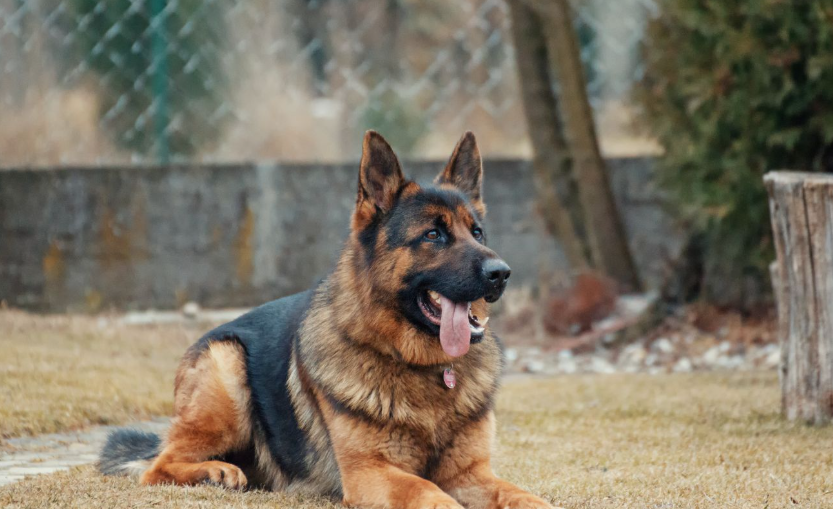
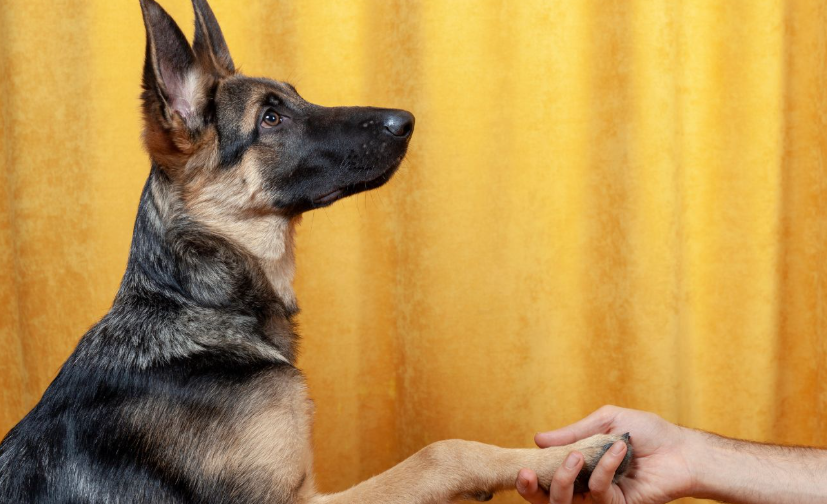
German Shepherds are naturally intelligent, which makes them incredibly trainable—but it also means they need consistent guidance from the very beginning. Starting obedience training as soon as you bring your dog home will set the foundation for a lifetime of good behavior. Positive reinforcement, like treats, praise, and play, works wonders with this breed. Puppy classes can also provide socialization with other dogs, giving them confidence and teaching them how to behave around strangers and new environments. Early training truly shapes the kind of dog they will become.
3. Provide a Balanced Diet
A healthy diet is the backbone of a happy, long-living German Shepherd. Feeding your dog high-quality food that meets all of their nutritional requirements is essential. Consult your veterinarian to create a diet plan that may include a combination of dry kibble, wet food, or even home-cooked meals. Avoid giving them human foods that could be harmful. Remember, a dog that eats well is more energetic, has a shinier coat, and is less prone to health problems down the line.
4. Regular Veterinary Check-ups
Even the healthiest German Shepherd needs regular veterinary attention. Routine check-ups allow you to catch potential issues early and keep vaccinations, flea and tick prevention, and dental care on track. It’s also the best way to monitor their weight and overall well-being. Paying attention to small changes, like their energy levels or appetite, can prevent bigger problems. A proactive approach to veterinary care helps your dog live a longer, healthier life.
5. Create a Safe and Comfortable Environment

Your German Shepherd needs a space they can call their own. A cozy bed, toys, and a designated area for resting are important for their comfort. Making your home safe by keeping dangerous objects out of reach protects them from accidents. If you have a yard, fencing it is ideal for letting your dog exercise and explore safely. A secure, comfortable environment ensures they feel relaxed and reduces stress-related behaviors.
6. Socialize Them Well
Socialization is one of the most important aspects of raising a well-rounded German Shepherd. Introducing them to new people, environments, and other animals early on builds their confidence and prevents fear or aggression later in life. Trips to the park, playdates with other dogs, and even visits to pet-friendly stores expose them to different stimuli. A dog that is well-socialized is happier, calmer, and better equipped to handle changes in their environment.
7. Understand Their Health Concerns
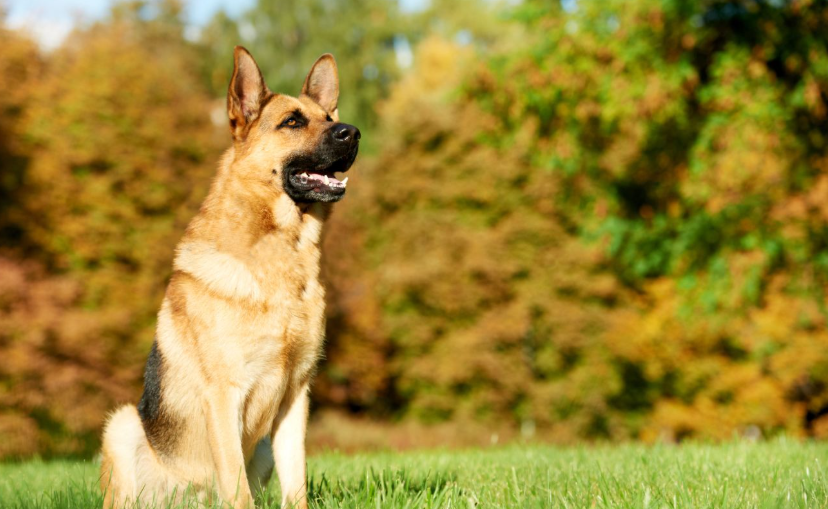
German Shepherds are prone to certain health issues, such as hip and elbow dysplasia or degenerative myelopathy. Understanding these risks and watching for early symptoms can make a big difference. Proper exercise, a balanced diet, and avoiding activities that strain their joints, like excessive jumping, help maintain their health. Being informed about these conditions empowers you to provide the best possible care and improve their quality of life.
FAQ
Q: How much exercise does a German Shepherd need?
They need at least one to two hours of exercise daily, including physical activity like walks or play, plus mental stimulation through games or training.
Q: What is the best diet for a German Shepherd?
A diet that is high in protein and meets their nutritional needs is ideal. Your vet can recommend the best combination of kibble, wet food, or home-prepared meals to support their health.
Q: How often should I groom my German Shepherd?
Brushing at least once a week helps manage shedding and keeps their coat healthy. During heavy shedding periods, more frequent grooming is necessary. Regular baths, nail trims, and ear cleaning are also important to maintain overall hygiene.
Q: Are German Shepherds good with children?
When properly trained and socialized, German Shepherds are fantastic family dogs. They are protective and affectionate, but it’s important to supervise interactions with young children for everyone’s safety.
Q: How can I prevent my German Shepherd from developing hip dysplasia?
While you can’t completely prevent it, you can reduce the risk by maintaining a healthy weight, feeding a balanced diet, and ensuring regular, moderate exercise. Avoiding excessive jumping or rough play is also important for joint health.
Final Thoughts of How To Become An Amazing German Shepherd Owner

Owning a German Shepherd is an incredibly rewarding experience, but it takes dedication and care. Meeting their physical and mental needs, providing proper training, ensuring a nutritious diet, and keeping up with veterinary care will help your dog live a happy, healthy life. The bond you form with a German Shepherd is deeply fulfilling—they will give you loyalty, affection, and companionship in return for your time, love, and effort.