

How To Become An Amazing German Shepherd Owner
German Shepherds are one of the most loyal, intelligent, and versatile breeds out there. They’re not just dogs; they become part of your family, your protector, and your companion in ways that are hard to put into words. If you’ve decided to bring a German Shepherd into your life, you’re signing up for a relationship that demands attention, care, and understanding—but the rewards are incredible.
Whether you’re welcoming your first German Shepherd puppy or adding an experienced dog to your family, there are key things you should know to ensure your dog thrives. From daily routines to health care, here’s everything you need to focus on to become the best possible companion for your furry friend.
1. Understand Their Needs
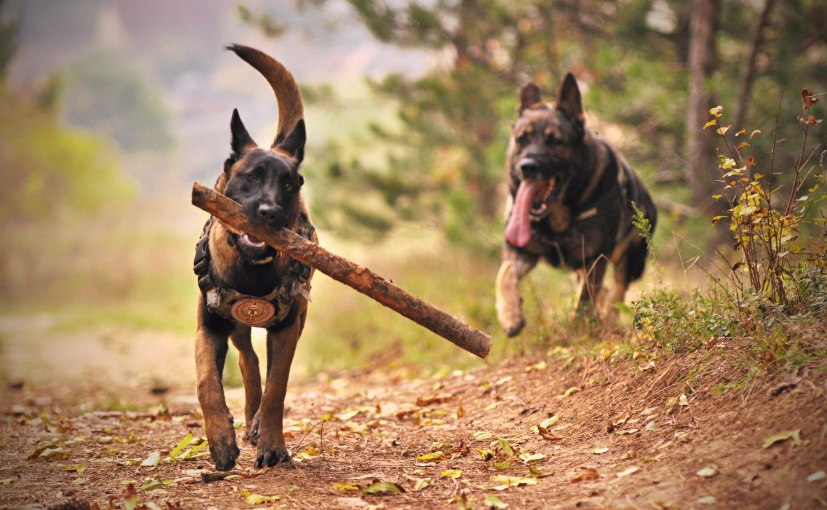
German Shepherds are high-energy dogs, and they need both physical exercise and mental stimulation every single day. If you think a walk around the block will be enough, you’re in for a surprise—they thrive on activity that challenges their mind and body.
I’ve found that my German Shepherd stays happiest when I mix up daily walks with runs in the park, fetch sessions, and training games. Puzzle toys or hiding treats around the house are excellent ways to keep their brain engaged. If you don’t provide enough stimulation, you’ll likely notice behaviors like chewing, barking, or restlessness.
They’re incredibly loyal and want to spend time with you, so think of exercise and playtime as bonding opportunities rather than chores. Your German Shepherd will reward your effort with devotion and a joyful spirit.
2. Invest in Training Early
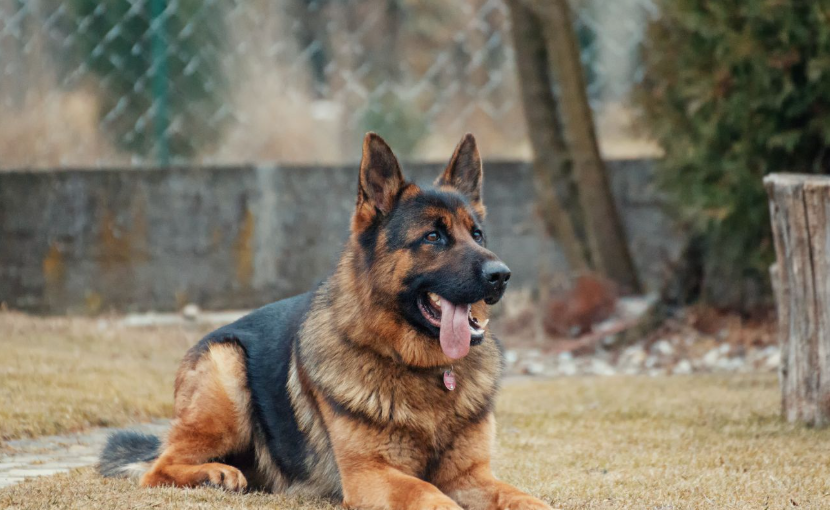
One of the things I love most about German Shepherds is how intelligent they are. But intelligence comes with responsibility. If you don’t start training early, they might test boundaries or develop habits that are harder to correct later.
Start with basic commands like sit, stay, and come as soon as your puppy arrives. Use positive reinforcement—treats, praise, or even a favorite toy work wonders. Avoid harsh discipline; it only confuses them and can harm your bond.
Puppy classes are worth every penny. Not only do they teach your dog proper behavior, but they also help your German Shepherd interact safely with other dogs and people. I noticed that early socialization made a huge difference in my dog’s confidence. By the time she was a year old, she was calm around strangers, other dogs, and new environments—something that wouldn’t have happened without consistent early training.
3. Provide a Balanced Diet
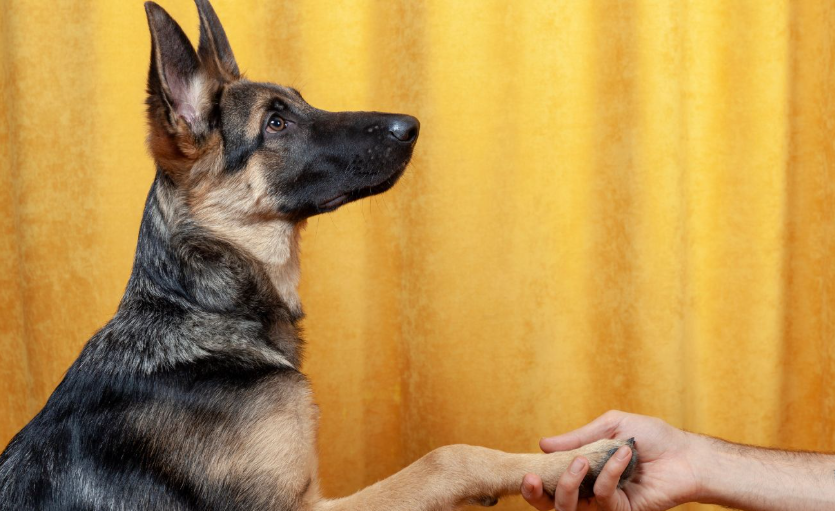
German Shepherds need proper nutrition to support their energy, joint health, and overall well-being. A balanced diet is the foundation for a strong, happy dog.
I always consult my veterinarian to decide what works best for my dog. Often, a mix of high-quality dry kibble, wet food, and occasionally home-cooked or raw meals is ideal. But the key is consistency and avoiding harmful human foods like chocolate, grapes, or certain fatty treats. Protein is especially important for their muscle development, while omega fatty acids support coat and skin health.
Pay attention to your dog’s preferences and sensitivities. My dog has a sensitive stomach, so I adjusted her diet gradually to avoid upset. Over time, you’ll learn which foods make them energetic, shiny-coated, and healthy.
4. Regular Veterinary Check-ups

Routine vet visits are non-negotiable if you want your German Shepherd to live a long and healthy life. These visits help catch problems before they become serious and keep vaccinations, dental care, and parasite prevention up to date.
From experience, scheduling check-ups twice a year works well for adult dogs. Puppies need more frequent visits, especially during vaccination schedules. While at the vet, pay attention to weight, mobility, and any subtle signs of discomfort. German Shepherds are prone to hip and elbow issues, so monitoring their joints early on can save a lot of trouble later.
I also learned the importance of preventative care—things like flea and tick protection, dental cleaning, and regular grooming go a long way toward avoiding painful conditions.
5. Create a Safe and Comfortable Environment
Your German Shepherd needs a space that feels like their own. This isn’t just a bed in a corner—it’s a safe, comfortable environment where they can rest, play, and feel secure.
I made sure my dog has a cozy bed, toys for chewing and mental stimulation, and a designated area in the living room where she can relax without feeling trapped. At the same time, I dog-proofed my home: wires tucked away, cleaning supplies out of reach, and small objects removed that she could swallow.
If you have a yard, fencing is ideal. It allows them to run freely and expend energy safely. German Shepherds love being outdoors, but safety has to come first. A secure, comfortable home contributes directly to their mental and emotional health.
6. Socialize Them Well
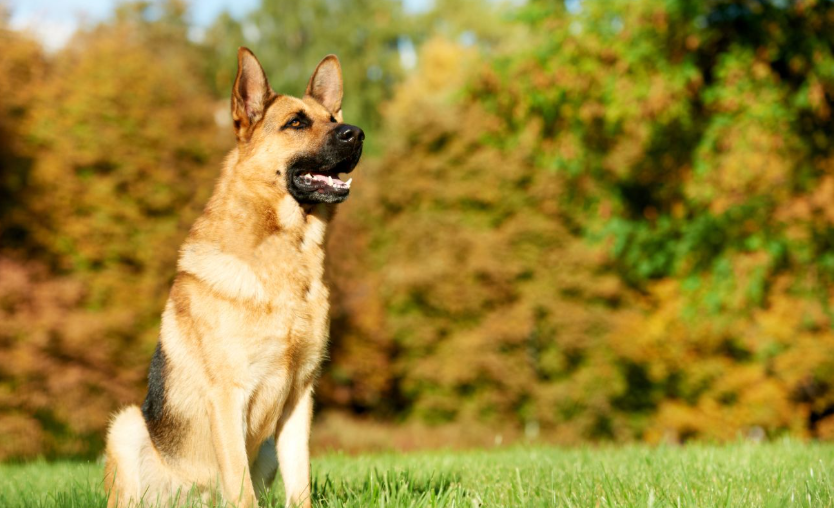
Socialization is more than just meeting other dogs—it’s exposure to new experiences, people, sounds, and environments. A well-socialized German Shepherd grows up confident, relaxed, and happy in various situations.
I made it a point to take my dog to different environments from an early age: pet-friendly stores, outdoor markets, dog parks, and even quiet trails. Interacting with strangers, other dogs, and new sights prevented her from becoming anxious or reactive.
Playdates with other dogs, trips to busy areas, and introducing new people gradually builds confidence. Over time, you’ll notice that your dog handles change much more gracefully and is less likely to be stressed in new circumstances.
7. Understand Their Health Concerns
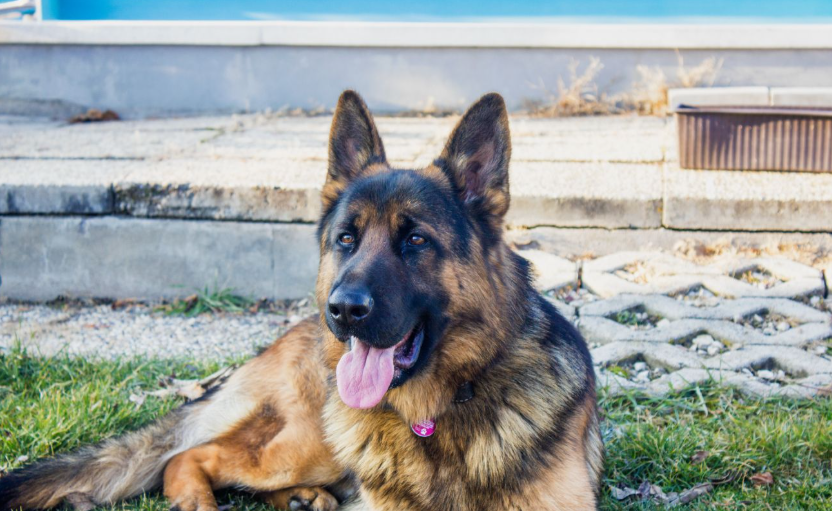
German Shepherds are incredible dogs, but they are prone to specific health issues, including hip dysplasia, elbow dysplasia, and degenerative myelopathy. Knowing these risks allows you to be proactive in their care.
Regular exercise, maintaining a healthy weight, and avoiding excessive jumping or rough play can protect their joints. Paying attention to subtle changes in movement or behavior can help you catch problems early. My dog had a mild joint issue when she was two, and early intervention with supplements and controlled exercise prevented it from worsening.
Being informed about breed-specific concerns helps you make choices that extend your dog’s quality of life, from diet and exercise to medical care.
FAQ

Q: How much exercise does a German Shepherd need?
They typically require 1–2 hours of daily physical activity, including walks, runs, play, and mentally stimulating games.
Q: What is the best diet for a German Shepherd?
High-protein, well-balanced food tailored to their specific needs works best. Mixes of dry, wet, and occasionally home-cooked meals are common, but always consult your vet.
Q: How often should I groom my German Shepherd?
Weekly brushing helps manage shedding and maintain a healthy coat. During shedding season, brushing may need to be daily. Regular baths, nail trims, and ear cleaning are also essential.
Q: Are German Shepherds good with children?
Yes, when properly trained and socialized, they make excellent family dogs. Supervision is important with young children to ensure safety for both.
Q: How can I prevent hip dysplasia?
While it can’t be fully prevented, you can reduce the risk with proper nutrition, maintaining a healthy weight, regular exercise, and avoiding excessive jumping or rough play.
Final Thoughts of How To Become An Amazing German Shepherd Owner
Being an amazing German Shepherd owner isn’t just about feeding and walking them—it’s about building a relationship based on trust, understanding, and love. Meeting their physical and mental needs, training consistently, keeping up with veterinary care, and providing a safe, stimulating environment ensures your dog lives a long, happy, and healthy life.
The bond you form with a German Shepherd is like no other. Their loyalty, intelligence, and affectionate nature make every effort worthwhile. Enjoy every moment with your companion—they truly are one of life’s greatest joys.