How To Boil Chicken For Dogs – Step-By-Step Guide
Boiling chicken for your dog may seem simple, but doing it the right way ensures it stays tender, juicy, and packed with nutrients. Not all chicken is created equal, and knowing the correct cuts, cooking times, and feeding methods can make a huge difference in your dog’s health and enjoyment. I’ve cooked chicken for my own dogs countless times, and over the years, I’ve learned the techniques that work best to keep it safe, delicious, and healthy. Whether you want to use boiled chicken as part of a homemade dog meal, a tasty topper for kibble, or a gentle option for a dog recovering from an upset stomach, this guide will cover everything you need to know.
Benefits of Chicken for Dogs
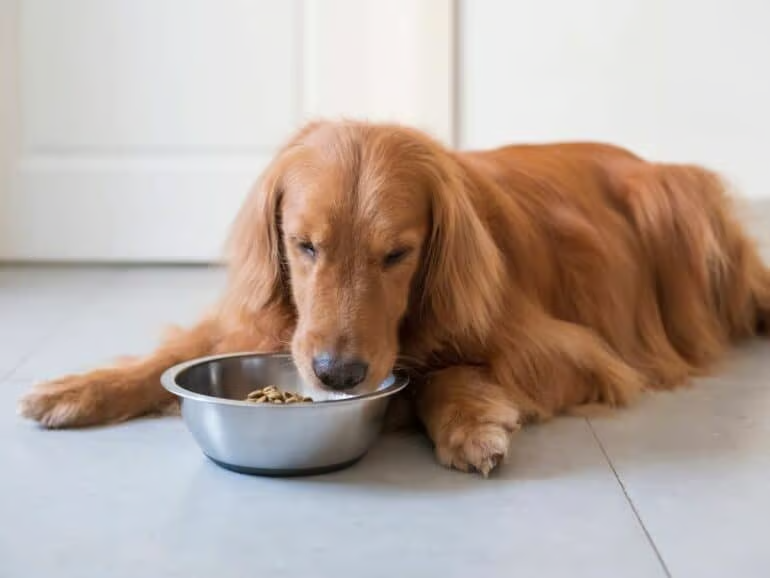
Boiled chicken is not just easy to prepare, it’s a nutritional powerhouse for your dog. Here’s why it’s so beneficial:
Rich in Protein: Dogs need protein to grow, repair muscles, and maintain overall health. Chicken provides high-quality protein that supports strong muscles and a healthy, energetic lifestyle.
Low in Fat: Boneless, skinless chicken is naturally lean, making it perfect for dogs that need to manage their weight. You get protein without unnecessary calories.
Essential Amino Acids: Chicken is full of amino acids that help your dog’s skin, coat, and immune system stay in top condition.
Easily Digestible: Dogs with sensitive stomachs, gastrointestinal issues, or those recovering from illness often tolerate boiled chicken very well because it’s gentle on their digestive system.
Irresistibly Tasty: Most dogs absolutely love chicken, which makes it an excellent choice for picky eaters or as a high-value treat during training.
Packed with Nutrients: Chicken contains vitamins and minerals like vitamin B6, niacin, phosphorus, and selenium, which all contribute to your dog’s overall health.
Low in Calories: With proper portioning, boiled chicken can be an effective part of a weight management plan for dogs needing to shed a few pounds.
Best Cuts of Chicken to Boil for Dogs
Not all chicken cuts are safe or practical for your dog. The following are ideal:
Chicken Breast: Lean and easy to cook.
Ground Chicken: Quick to prepare and versatile.
Chicken Tenders: Small, soft pieces that cook evenly.
Boneless Thighs: Flavorful, tender, and easy to shred.
Avoid seasoned, marinated, or pre-cooked chicken, as these often contain ingredients that can upset your dog’s stomach. Never feed cooked bones—they become brittle and can easily splinter, causing serious injury to your dog’s throat or digestive tract. If you have a whole chicken with bones, consider using those bones to make nutritious homemade bone broth instead.
Tools and Ingredients You’ll Need
Boiling chicken doesn’t require fancy equipment, but having the right tools makes the process easier:
Chicken – preferably boneless and skinless cuts
Pot or Pressure Cooker – large enough to fully submerge the chicken
Slotted Spoon or Tongs – for safe handling
Cutting Board and Knife – for cutting the chicken
Fork – for shredding after cooking
Optional: Food thermometer to ensure chicken reaches 165°F (74°C)
Set aside about 40 minutes for the full process, including prep, cooking, cooling, and cleanup.
Step-by-Step Guide to Boiling Chicken for Dogs
Step 1: Prepare the Chicken
Rinse your chicken under cool running water to remove any surface bacteria. Pat it dry with a paper towel. This simple step helps reduce the risk of contamination and ensures the chicken cooks evenly.
Step 2: Cut the Chicken
Cut the chicken into bite-sized pieces, which will make it easier to cook thoroughly and feed to your dog. Smaller pieces cook faster and are simpler to shred later.
Step 3: Boil the Chicken
Place the chicken in a pot and add enough water to fully cover it—roughly 1 cup of water per pound of chicken. Bring the water to a rolling boil. If using a pressure cooker, ensure the lid is securely locked and follow your cooker’s poultry setting.
Step 4: Cooking Time
Boil the chicken for 12–15 minutes, depending on the size of the pieces. If using a pressure cooker, 5–8 minutes at high pressure is usually enough. Make sure the chicken cooks thoroughly to avoid bacteria like salmonella.
Step 5: Check for Doneness
Use a meat thermometer to check that the internal temperature reaches 165°F (74°C). If it hasn’t, continue boiling for a few more minutes, then recheck. Proper temperature ensures the chicken is safe for your dog to eat.
Step 6: Cool Down and Serve
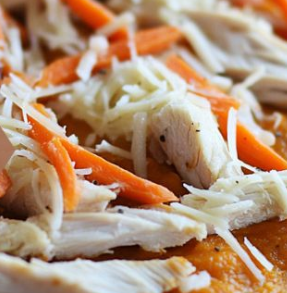
Remove the chicken using tongs or a slotted spoon and let it cool to room temperature. Shred it with a fork or even your fingers for easy feeding. Your dog will enjoy soft, tender chicken without any risk of burning their mouth.
Step 7: Refrigerate or Freeze Leftovers
Store leftover chicken in the fridge for up to 4 days. For longer storage, freeze it in airtight containers. Frozen chicken can last for at least 3 months, and in my experience, it still tastes great for up to a year.
Step 8: Clean Up
Wash all surfaces and utensils that touched raw chicken with hot, soapy water. Plastic cutting boards are easier to sanitize than wood, and you can safely run them through the dishwasher. Proper cleanup prevents contamination and keeps your kitchen safe.
How to Feed Boiled Chicken to Dogs
As Part of a Bland Diet
For dogs with upset stomachs, mix boiled chicken with white rice in a 2:1 ratio. White rice is gentle on digestion, making this combination ideal for sensitive dogs.
As a Dog Food Topper
For healthy dogs, top their regular kibble with shredded boiled chicken. Replace about ¼ of their regular food with chicken. This makes meals more enticing and is a great trick for picky eaters.
In Homemade Dog Food
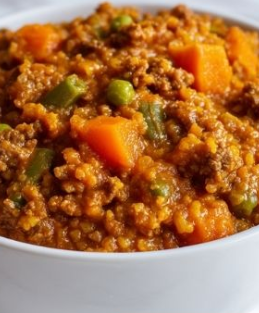
Boiled chicken works perfectly in homemade dog meals when combined with pre-made base mixes. These often include dehydrated vegetables, herbs, vitamins, and minerals, ensuring your dog gets balanced nutrition. Popular bases include grain-free or low-carb options, which can be mixed easily with chicken for a complete meal.
When Not to Feed Your Dog Chicken
While chicken is generally safe, avoid feeding it if your dog has allergies. Signs include itching, scratching, paw licking, hot spots, and gas.
If you suspect an allergy, you can run a dog allergy test. Hair and saliva samples can determine sensitivities and help you adjust your dog’s diet safely. Some dogs, like my own Wally, cannot tolerate chicken at all, so testing is a smart precaution.
Final Thoughts of How To Boil Chicken For Dogs
Boiled chicken is a versatile, healthy, and easy-to-prepare protein that most dogs love. It can be part of a bland diet, used as a meal topper, or included in homemade recipes. Always serve in moderation, avoid bones, and never use seasoned or marinated chicken.
With careful preparation and safe handling, your dog can enjoy delicious, nutritious chicken that supports their overall health and wellbeing. Cooking chicken yourself gives you peace of mind and control over what goes into your dog’s meals, making every bite safe, wholesome, and tasty.