
How to Choose a Dog Bed: A Guide for First-Time Owners
1. Know Your Dog’s Sleeping Style
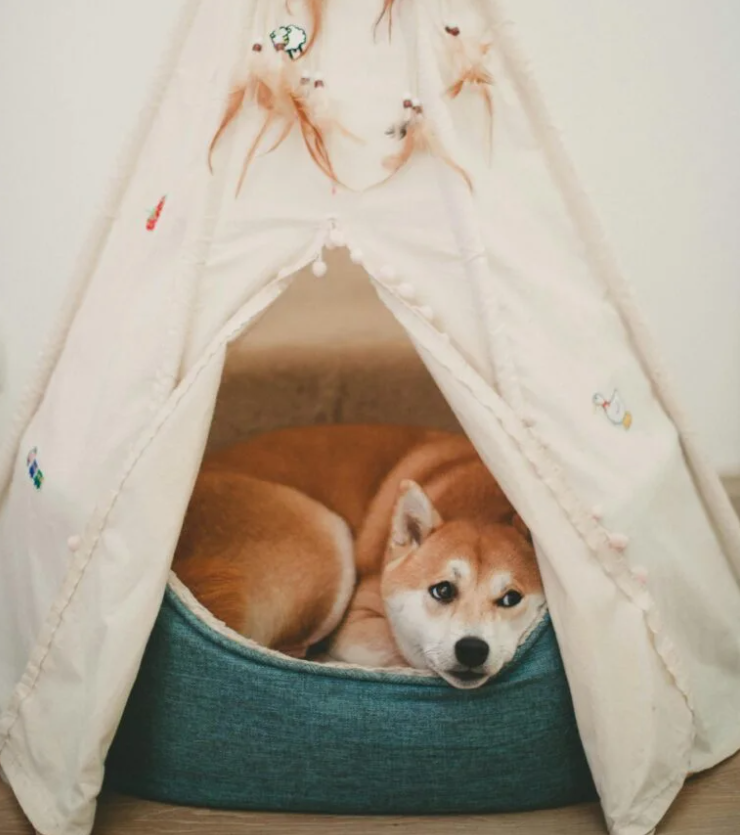
Every dog has their own unique way of sleeping, just like people do. Some stretch out completely as if they own the entire room, while others curl themselves into tight little balls, seeking that cozy, secure feeling. And then there are the quirky ones who flop on their backs with paws in the air, looking like they’re practicing some kind of doggy yoga routine.
For dogs that love to sprawl, a flat and spacious rectangular bed works best. It gives them room to stretch fully without hanging off the sides. Those that curl up tightly will feel most comfortable in beds with raised edges or bolsters—they create a little nest that feels safe and supportive. And back sleepers, the ones who love lying on their spine with their belly exposed, need soft, cushioned beds that protect their back while giving a gentle yet firm support.
A simple trick: spend a few days observing how your dog naturally sleeps. You’ll quickly understand what kind of bed will make them happiest and most comfortable.
2. Size Matters—Don’t Skimp

Getting the right size bed is more important than most people realize. A bed that’s too small is like trying to fit into a toddler mattress—it just doesn’t work. Your dog needs enough room to stretch, turn, and move comfortably.
Start by measuring your dog from nose to tail and then add around six to twelve inches for wiggle space. Puppies grow fast, so it’s smart to think ahead and choose a bed that will fit their adult size. Also, check weight limits if your dog is on the larger side. You want a bed that can support them fully without sagging or losing shape over time. A proper fit ensures that your dog can sleep comfortably without feeling cramped.
3. Material Matters Too
Dogs are naturally messy. Between drooling, shedding, and the occasional accident, their bed takes a lot of wear and tear. That’s why the material of the bed is so important.
Look for beds with covers that can be removed and washed in a machine. Being able to clean it easily will save you a lot of frustration and keep your dog’s space hygienic. If your dog has sensitive skin, hypoallergenic options like memory foam or organic cotton can make a noticeable difference. Soft, breathable materials prevent irritation and keep your dog comfortable all year round.
4. Support Is Key

Support isn’t just a luxury—it’s essential for your dog’s health, especially for older dogs or those with joint problems. Memory foam or orthopedic beds relieve pressure points, ease arthritis discomfort, and provide overall support for the spine and hips.
For puppies or active younger dogs, a firmer bed is usually enough. They don’t need the extra cushioning that older dogs benefit from, but a supportive base helps them grow strong and stay comfortable during naps. Proper support prevents stiffness and ensures that your dog wakes up happy and relaxed.
5. Don’t Forget About Style (Yes, Really)
While this point is more for you than your dog, style does matter when you want your home to feel cohesive. Fortunately, you don’t have to compromise comfort for looks. There are plenty of beds that blend nicely into your living space, from neutral colors to fun patterns, or even designs that resemble furniture pieces.
Remember, though, your dog won’t care if the bed matches the curtains or throw pillows. Comfort always comes first. Choose a bed that looks nice in your home but also meets all the requirements for your dog’s sleeping style, support, and size.
6. Budget Wisely

Dog beds come in a wide price range, from very affordable to quite expensive. You don’t have to spend a fortune, but don’t go too cheap either—your dog’s comfort is worth a bit of investment.
For basic beds under $50, you’ll find options that work for small dogs or puppies. Mid-range beds, typically $50 to $100, often offer better materials and more support, making them ideal for most dogs. High-end beds, $100 and up, usually include orthopedic foam, luxury fabrics, or custom designs. Think of it as an investment in your dog’s health and daily comfort. Spending a little extra on a quality bed can make a big difference in your pup’s overall well-being.
7. Test It Out
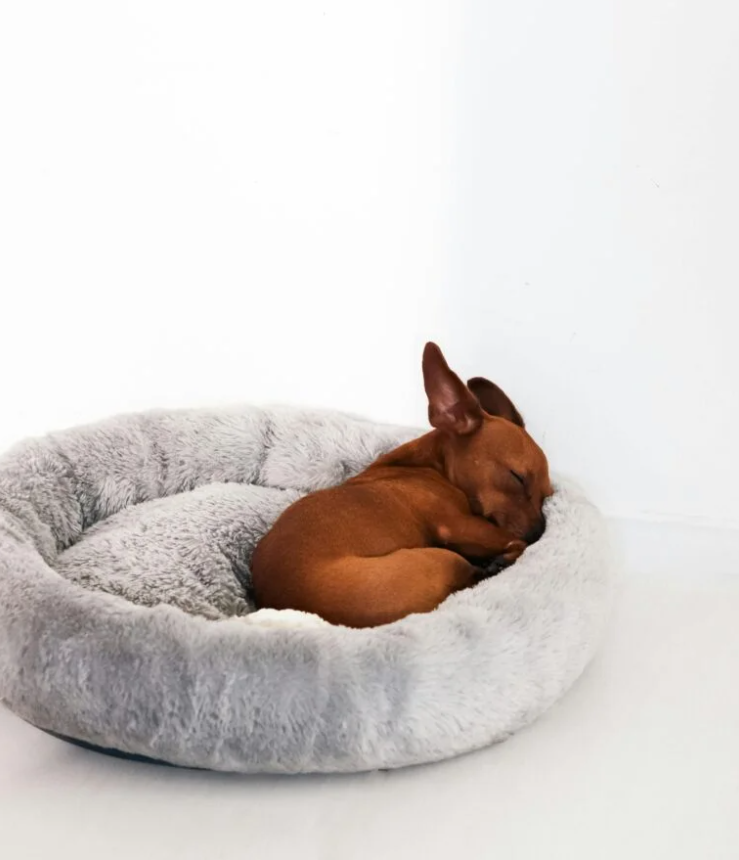
After selecting a bed, let your dog try it out. Some dogs are picky, and it might take time for them to adjust to a new sleeping spot. Placing their favorite blanket or toy in the bed can make it feel familiar and inviting.
If your dog seems uninterested at first, don’t force it. Try a different style or material. Observing your dog’s reaction will help you find a bed they genuinely enjoy and want to use every day.
FAQs

Q: How often should I replace my dog’s bed?
A: Usually every 1-2 years, depending on wear and tear. If the bed is flattened, torn, or develops an odor, it’s time for a new one.
Q: Can I use a human mattress for my dog?
A: You can, but dog-specific beds are designed for their unique shape and support needs. They’re generally more comfortable and practical.
Q: What if my dog destroys their bed?
A: Look for durable or chew-proof beds. Providing chew toys can also redirect their energy and help preserve the bed.
Q: Do small dogs need smaller beds?
A: Not always. Even small dogs enjoy stretching out. Pick a bed that matches their sleeping style, not just their size.
Final Thoughts of How to Choose a Dog Bed
Choosing the right dog bed isn’t complicated, but it does take some thoughtful consideration. Focus on your dog’s sleeping style, size, and health needs. Those three factors alone will guide you toward a bed that keeps them comfortable, supported, and happy.
Remember, your dog doesn’t care about the price or how stylish the bed looks—they just want a cozy place to rest. By taking your time and choosing carefully, you’re giving your dog a space they’ll love and a comfort they truly deserve.
Now, go ahead and pick the perfect bed for your furry friend. They’re going to thank you with every nap and snuggle. 🐾