How to Clean Dog Pee Smell Out of a Couch
Accidents with dogs are part of real life, especially when you share your home and furniture with them. If you’ve ever walked into the room and immediately noticed that sharp urine smell coming from your couch, you already know how frustrating it can be. I’ve dealt with this more times than I’d like to admit, and the biggest lesson I’ve learned is that timing, patience, and the right approach make all the difference. A couch doesn’t have to be ruined just because of one accident.
Step 1: Blot the Area Immediately
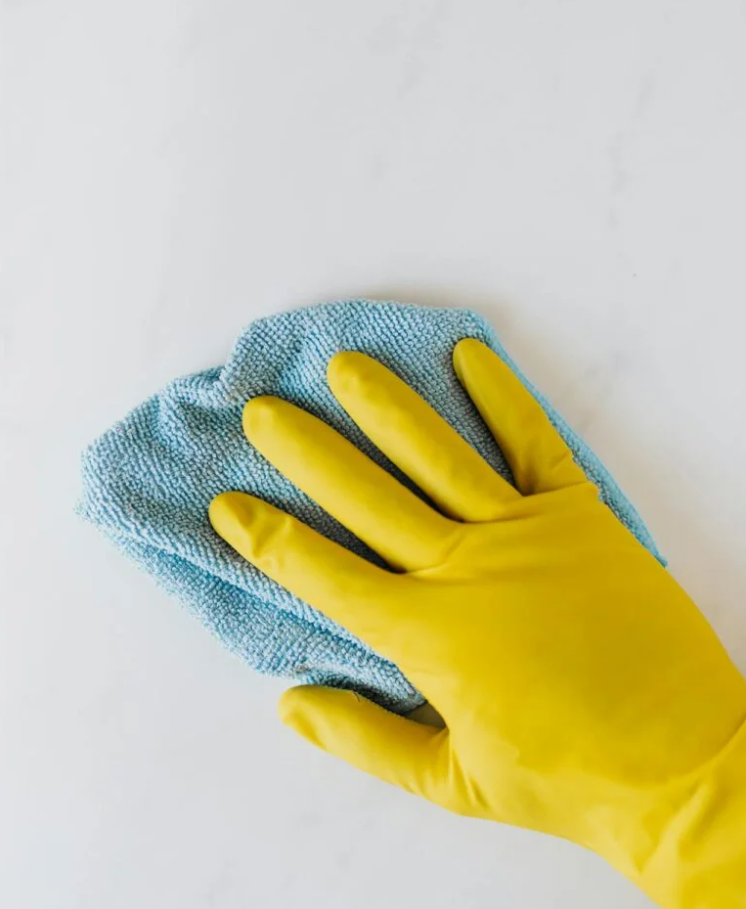
The very first thing that matters is how quickly you respond. The moment you notice the accident, everything should stop and your focus should go straight to that spot. Fresh urine is much easier to handle than dried urine. I usually grab paper towels or a clean, absorbent cloth and gently press it into the fabric. The goal here is not scrubbing or wiping but soaking up as much liquid as possible. When you rub, you actually push the urine deeper into the cushions and padding, which makes the smell harder to remove later. Press, lift, replace with a dry towel, and repeat until the area feels mostly dry to the touch.
If you don’t catch the accident right away and the urine has already dried, don’t panic. It does mean you’ll need to put in more effort, but it’s still fixable. Dried urine has had time to settle into the fabric and padding, so breaking down the odor takes stronger and more targeted cleaning methods.
Step 2: Use an Enzymatic Cleaner
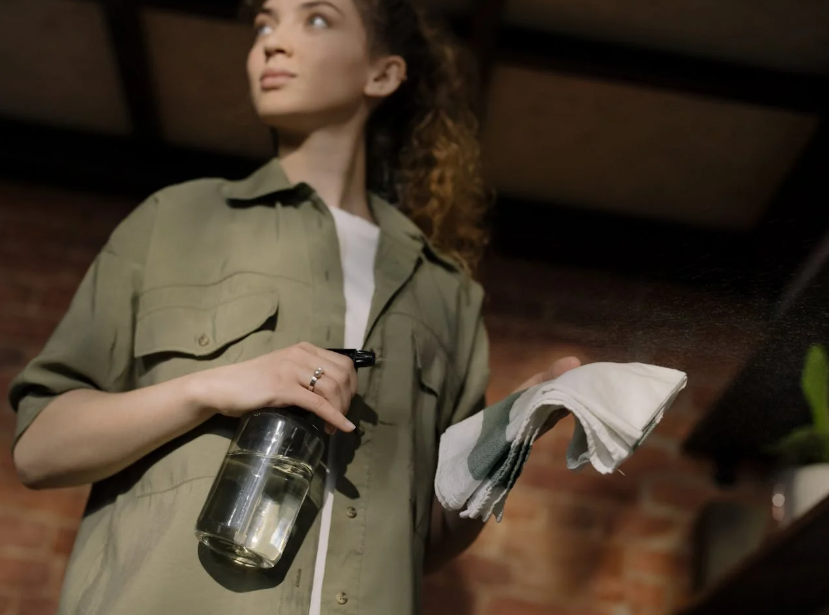
Using an enzymatic cleaner is one of the most important steps in truly eliminating dog urine odor. From personal experience, this is the difference between a couch that smells clean for a day and one that stays fresh long term. Dog urine contains proteins and bacteria that cause the odor, and standard cleaners don’t remove them completely. Enzymatic cleaners are designed to break those proteins down at a molecular level. When you spray the cleaner directly onto the affected area and let it sit as instructed, it works its way deep into the fabric, targeting the real source of the smell rather than just masking it.
Step 3: Baking Soda for Extra Absorption
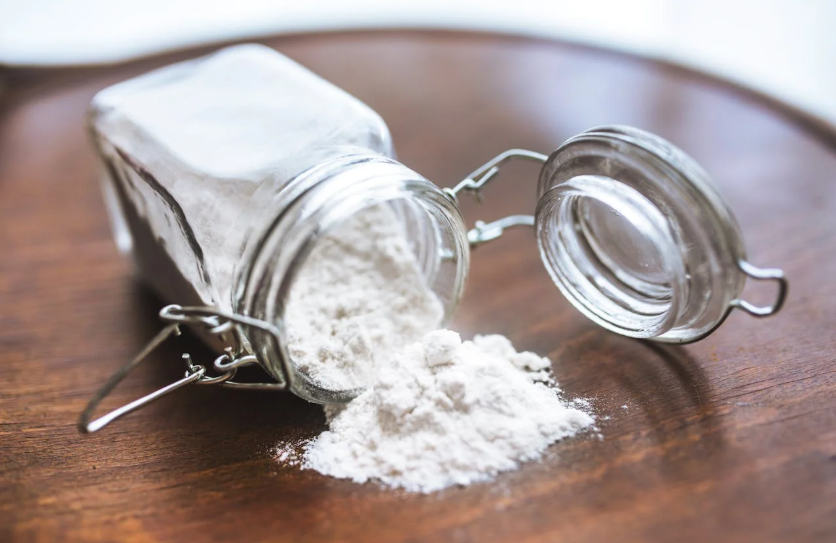
After allowing the enzymatic cleaner enough time to work, extra odor control can make a noticeable difference. Baking soda has always been a reliable option because it naturally absorbs both moisture and smell. I usually sprinkle a generous layer over the entire area, making sure it covers the spot evenly. Leaving it in place for several hours, or even overnight, gives it time to do its job properly. When vacuuming it up, going over the area more than once ensures nothing is left behind in the fibers.
Step 4: White Vinegar Solution (For Tough Smells)
Sometimes, even after careful cleaning, a stubborn smell can linger. This is usually when I turn to a simple white vinegar and water solution. Vinegar may smell strong at first, but it’s excellent at neutralizing odors. Mixing equal parts vinegar and water and lightly spraying the area helps balance out any remaining urine scent. It’s important not to soak the couch at this stage. A light mist is enough. After letting it sit briefly, blotting with a clean cloth removes excess moisture. As the couch dries, the vinegar smell fades away, taking the urine odor with it.
Step 5: Dry the Area Completely
Drying the couch completely is a step that should never be rushed or skipped. Moisture trapped inside cushions can lead to mildew and create new odors that are even harder to deal with. I usually open windows, use a fan, or both to speed up airflow. If a wet/dry vacuum is available, it can help pull out any remaining moisture from deeper layers. The couch should feel completely dry before you consider the job done.
Step 6: Repeat if Necessary
There are cases where the smell seems to return after a day or two. This doesn’t mean the process failed; it usually means the urine had soaked deeper than expected. Repeating the cleaning steps is sometimes necessary, especially for older or larger accidents. A second or even third treatment with enzymatic cleaner and baking soda can fully eliminate persistent odors if done patiently.
Bonus Tip: Prevent Future Accidents
Preventing future accidents is just as important as cleaning up the current one. When a dog repeatedly urinates in the same spot, it’s often due to habit, anxiety, or marking behavior. Dogs are drawn back to areas that still carry even faint scent traces. Using pet-safe deterrent sprays can help discourage repeat accidents on furniture. At the same time, consistent training, routine bathroom breaks, and addressing stress triggers go a long way in preventing the issue from happening again.
Final Thoughts of How to Clean Dog Pee Smell Out of a Couch
Getting dog urine out of a couch isn’t pleasant, but it’s absolutely manageable when you know what you’re doing. Acting quickly, using the right products, and taking the time to clean thoroughly can save your furniture and your sanity. With patience and a methodical approach, your couch can smell fresh again, and future accidents can become far less common.