How to Clean White Shoes (Without Losing Your Sanity)
White shoes look amazing when they’re brand new. Crisp, clean, and stylish—they instantly upgrade almost any outfit. But anyone who has owned a pair knows the struggle. Within a few days, they somehow attract dirt, scuffs, stains, and mystery marks that appear out of nowhere.
Over the years, I’ve had to clean white shoes more times than I can count—especially when working around dogs for over 20 years grooming, walking, and training them daily. Muddy parks, dog walks after rain, and paw prints on shoes are just part of my routine. Through trial and error, I’ve learned what actually works and what just wastes time.
Key Takeaways
- White shoes get dirty quickly because every mark is visible on light materials.
- Cleaning stains as soon as possible prevents them from setting into fabric or leather.
- Simple household items like soap, baking soda, vinegar, and toothpaste can restore whiteness effectively.
- Different materials like leather, suede, and canvas require different cleaning methods.
- Regular maintenance and protective sprays can extend the life of white shoes.
- Consistent light cleaning is far easier than deep cleaning months of buildup.
Why White Shoes Get Dirty So Fast
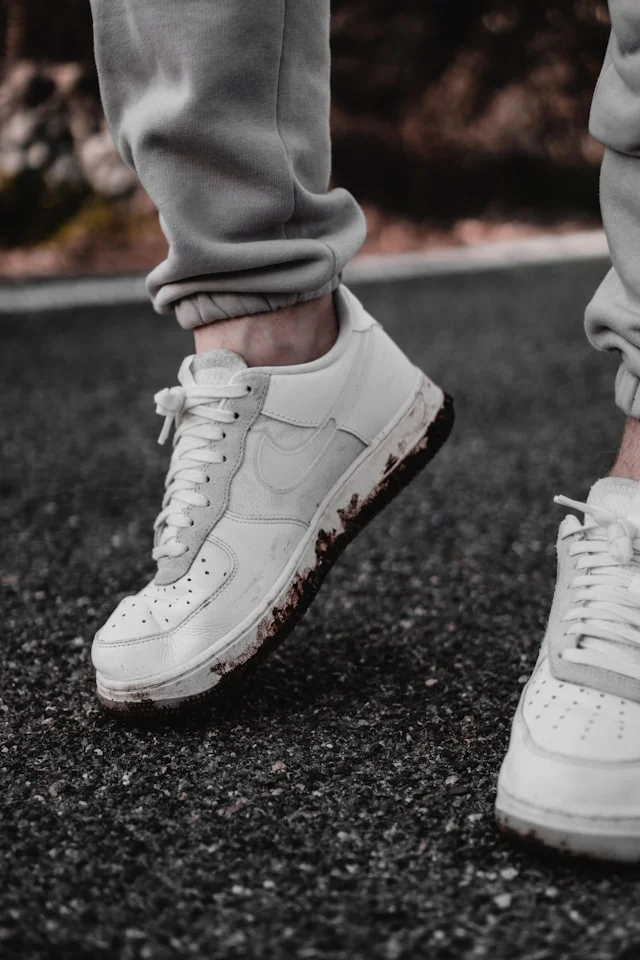
White shoes show everything. Even a tiny bit of dust or dirt becomes noticeable.
From my experience spending years outdoors with dogs, I’ve noticed white shoes attract visible stains faster because they reflect light. That makes dirt particles stand out more compared to darker shoes where stains blend in.
Environmental factors also play a role:
- Dust and pollution particles settle on surfaces
- Oils from sidewalks and roads stick to rubber soles
- Moisture pulls dirt into fabric fibers
Research on footwear materials shows that porous fabrics like canvas absorb dirt much faster than coated materials like leather, which is why some sneakers stain within hours of being worn.
If you wear white shoes regularly—especially outdoors—you’ll likely need to clean them at least once every 1–2 weeks to keep them looking fresh.
The Golden Rule: Clean ASAP
The biggest mistake people make is waiting too long.
When stains sit for hours or days, they sink deeper into the material. I learned this the hard way after long dog-walking days when I left muddy shoes overnight. By the next day, the stains were much harder to remove.
The easiest habit you can build is a quick wipe-down routine.
Helpful habit:
- Wipe shoes with a damp cloth after wearing them outdoors
- Remove visible dirt before storing them
- Let them dry properly before the next use
This simple step can prevent up to 70% of deep stains, based on cleaning studies related to textile maintenance.
Method 1: The Old-School Soap & Water Trick
This is the most reliable method I personally use for everyday cleaning.
It’s simple, affordable, and safe for most materials.
You’ll need:
- Mild dish soap or laundry detergent
- Warm water
- A soft brush or toothbrush
- A clean cloth or sponge
Steps:
Mix a few drops of soap into warm water.
Dip the brush into the mixture and scrub gently using circular motions.
Focus on stained areas but avoid scrubbing too aggressively, especially on fabric.
Wipe away soap residue with a damp cloth.
Allow the shoes to air dry completely.
I’ve used this method for years on everyday sneakers, and it handles most dirt without damaging the material.
Method 2: Baking Soda + Vinegar = Magic Potion
This classic cleaning combination works especially well on canvas shoes.
Baking soda acts as a mild abrasive and deodorizer, while vinegar helps break down dirt and stains.
You’ll need:
- 1 tablespoon baking soda
- 2 tablespoons white vinegar
- 1 cup warm water
- A toothbrush or soft cleaning brush
Steps:
Mix baking soda, vinegar, and warm water into a paste.
Apply the paste to the stained areas of the shoes.
Gently scrub using a toothbrush.
Allow the paste to dry on the shoes.
Brush away the dried residue.
I’ve rescued several pairs of old canvas sneakers using this method, especially after muddy dog walks.
Method 3: Magic Eraser (AKA Cheat Code)
Magic erasers work extremely well on rubber soles and midsoles.
They contain micro-abrasive materials that lift scuffs without requiring much effort.
To use:
Slightly dampen the sponge.
Rub gently over rubber surfaces.
Watch scuff marks disappear quickly.
Important tip from experience: avoid using them on mesh or delicate fabrics, since they can be too abrasive.
Method 4: Toothpaste (Yes, Really)
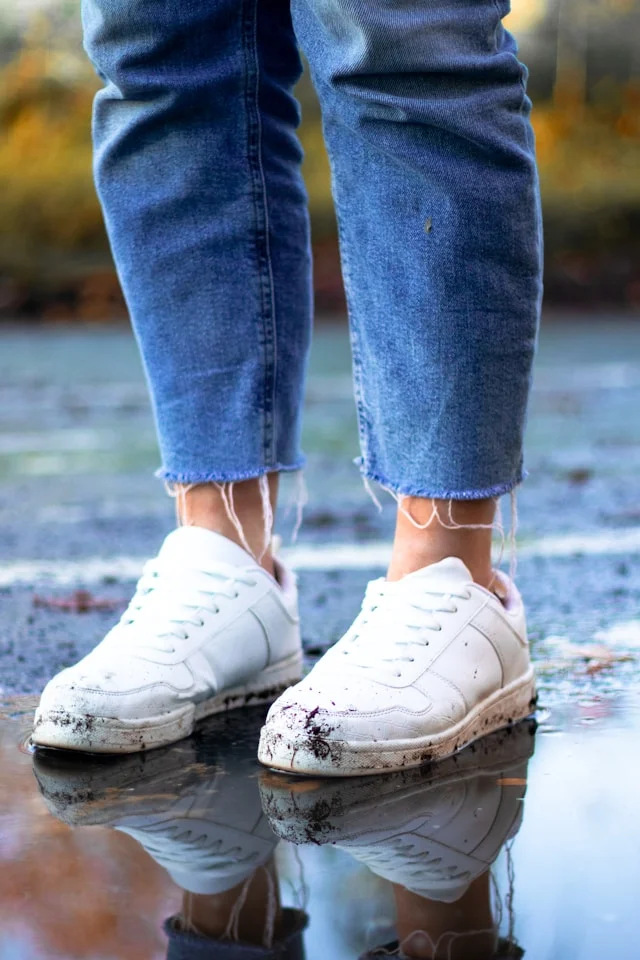
Toothpaste can act as a mild polishing cleaner for shoes.
But it must be plain white, non-gel toothpaste.
Steps:
Apply a small amount of toothpaste to stained areas.
Scrub gently with a toothbrush.
Wipe away the residue using a damp cloth.
This trick works surprisingly well for small stains or scuffs, especially on leather sneakers.
Method 5: Bleach (Handle With Care)
Bleach can restore severely stained white shoes, but it must be used carefully.
Too much bleach can cause yellow discoloration, which is much harder to fix.
You’ll need:
- Bleach
- Water
- Protective gloves
- Good ventilation
Steps:
Mix 1 part bleach with 5 parts water.
Dip a toothbrush into the solution.
Gently scrub stained areas.
Rinse thoroughly with clean water.
Let shoes air dry in a ventilated area.
I personally use bleach only as a last resort when other methods fail.
Method 6: Washing Machine (The Lazy Route)
Yes, many canvas sneakers can be cleaned in a washing machine.
However, doing it the wrong way can damage them.
Tips for machine washing:
Remove laces and insoles first.
Place shoes inside a pillowcase or laundry bag.
Use cold water and a gentle cycle.
Avoid high spin speeds.
Never use a dryer—always air dry.
I occasionally use this method for heavily soiled canvas sneakers after outdoor work with dogs.
Cleaning Laces (Because Dirty Laces Ruin Everything)
Even if your shoes look clean, dirty laces can make them appear worn out.
Quick cleaning method:
Soak laces in warm water with detergent for 20–30 minutes.
Rinse and air dry.
Alternatively, place them inside a laundry bag and wash them with clothing.
Replacing laces is another simple trick that can instantly make older shoes look new again.
Special Cases: Leather vs. Suede vs. Canvas
Not all white shoes should be cleaned the same way.
Leather
Leather is easier to maintain but requires gentle care.
Wipe with a damp cloth regularly.
Use mild soap for stubborn stains.
Condition leather occasionally to prevent cracking.
Suede
Suede is delicate and should not be soaked in water.
Use a suede brush to remove dirt.
Use a suede eraser for scuffs.
Apply suede protector spray to prevent stains.
Canvas
Canvas is the easiest material to clean.
Soap and water works well.
Baking soda and vinegar is effective.
Machine washing is usually safe.
Canvas shoes are often the most durable for everyday use.
Keeping Them White (AKA Prevention is the Real Hack)
Cleaning helps, but prevention saves the most time.
From years of dealing with outdoor dirt and dog parks, I’ve learned prevention matters more than deep cleaning.
Best prevention habits:
Use protective spray that repels water and stains.
Avoid muddy environments when possible.
Wipe shoes after wearing them outside.
Rotate between different pairs of shoes.
Regular light cleaning can extend the life of white shoes by several months or even years.
My Go-To Method (Spoiler: It’s Not Fancy)
After years of trial and error, my personal favorite cleaning method is the baking soda and vinegar mixture.
It’s simple, affordable, and works well for most everyday stains.
When I’m dealing with shoes after long outdoor days—especially walking dogs through parks or trails—it’s usually the fastest way to bring them back to life.
If I’m being honest though, sometimes I take the easy route and wash canvas sneakers in the machine. As long as you follow the right steps, it works surprisingly well.
Final Thoughts
White shoes definitely require more care than darker footwear. But their clean, bright look makes the extra effort worthwhile.
With the right habits and simple cleaning methods, you can keep your shoes looking fresh much longer.
In my experience, the key isn’t fancy products—it’s consistent maintenance and quick cleaning when stains appear.
Treat your white shoes well, and they’ll keep you looking sharp every time you step out.
Key Takeaways:
Clean stains as soon as possible to prevent permanent marks.
Baking soda and vinegar provide an effective and affordable cleaning solution.
Magic erasers remove rubber sole scuffs easily.
Toothpaste helps remove smaller stains.
Bleach should only be used carefully as a last resort.
Preventive care saves time and effort in the long run.