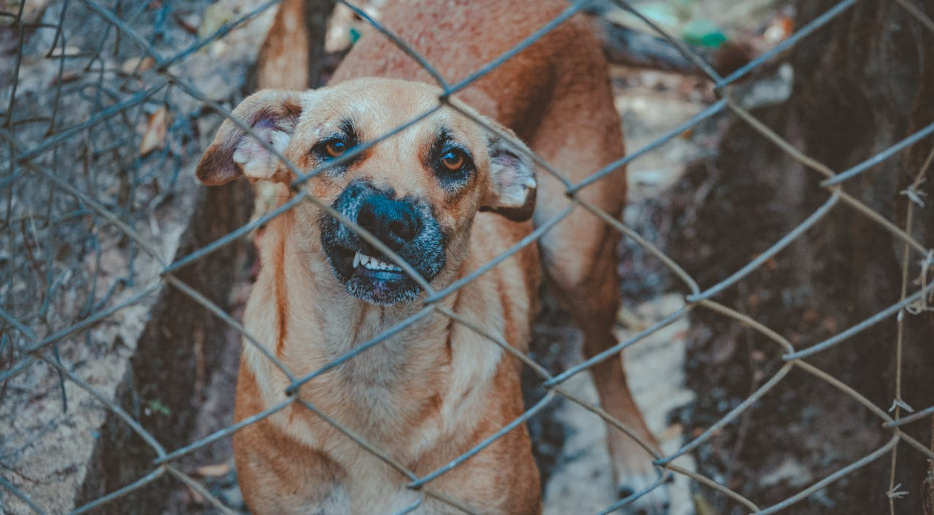
How To Deal With An Aggressive Dog
Dogs don’t become aggressive without a reason, and understanding what’s going on in their minds is the first step to handling it. Sometimes, fear drives their behavior. A dog might feel threatened by a situation, a person, or even a sudden noise, and their reaction is to lunge or growl. It’s not about being mean—it’s about self-protection.
Territorial instincts are another big factor. If your dog perceives their space as being invaded, whether it’s your yard, home, or even a favorite spot on the couch, they will act as if they are guarding it. You might notice stiff posture, barking, or a protective stance whenever someone comes too close.
Frustration can also trigger aggression, especially when a dog is restrained. A dog on a leash that spots something interesting but can’t reach it might snap or bark excessively. And just like people, dogs in pain can get irritable. A hidden injury or discomfort can make even the sweetest dog reactive.
The key is paying attention to their behavior and understanding the “why” behind it. Each dog is unique, and their reactions are often tied to past experiences, current environment, and even their personality.
Stay Calm and Collected
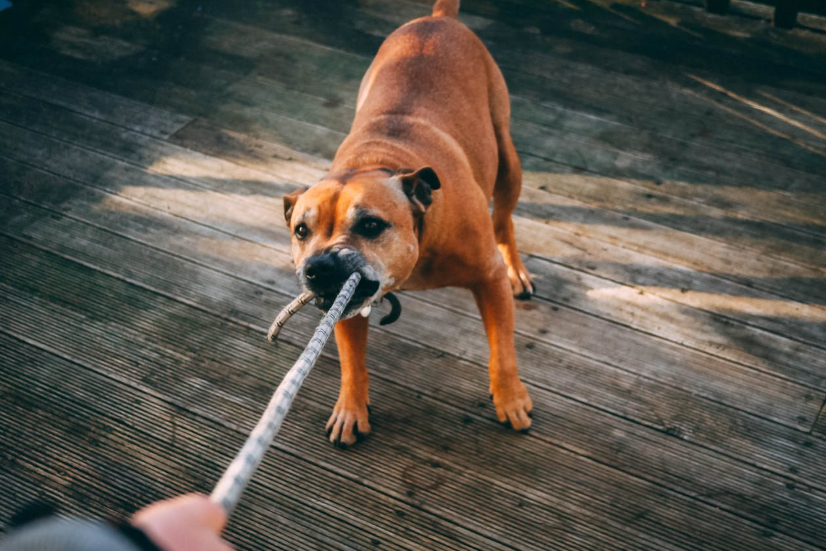
When your dog is acting aggressively, your own reaction plays a huge role. Dogs are extremely intuitive and pick up on every cue you give off—your voice, your posture, your energy. If you panic, they will mirror that anxiety, and things can escalate quickly.
Remaining calm is essential. Take slow, deep breaths, keep your movements measured, and speak softly if you need to communicate. Your calm presence becomes an anchor for your dog. It shows them that the situation is under control and that there’s no real threat. Staying collected isn’t just about safety—it’s about guiding your dog through a moment of high tension without adding fuel to the fire.
Body Language Matters
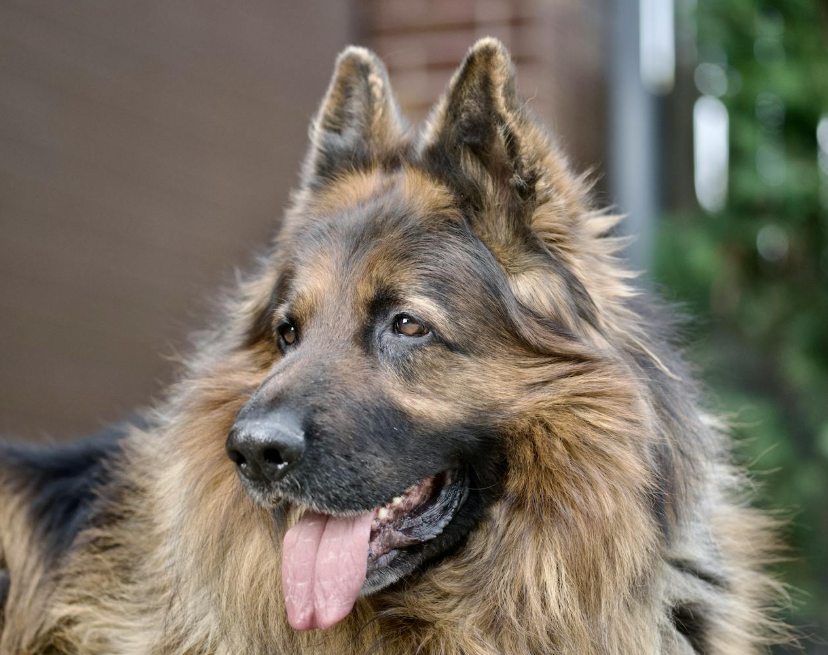
Dogs communicate constantly through body language, and reading theirs while controlling yours is critical. Approaching an aggressive dog head-on or staring them down can make them feel challenged or cornered. Instead, stand sideways, keep your hands relaxed, and avoid sudden movements.
Even small actions, like leaning over them or raising your voice, can be misinterpreted as threatening. Think of it as learning a silent language—your stance, your gestures, and your energy all send signals. Respecting this natural communication helps prevent confrontation and allows your dog to feel safer, reducing aggressive reactions.
Options for Handling Aggression
When faced with aggression, there are several strategies to keep both you and your dog safe:
- Redirect Their Attention: If you notice your dog becoming fixated or reactive, offering a toy or a treat can help shift their focus. It should feel natural, not forced, so they learn to associate positive outcomes with staying calm.
- Leash Control: A sturdy, properly fitted leash gives you physical control over your dog in tense situations. It allows you to manage their movements without causing stress, giving both of you space to breathe and respond appropriately.
- Walk Away: Sometimes the smartest move is simply removing your dog from the situation. If tension is high, stepping back or leaving the area prevents escalation and reinforces safety as the priority.
- Consult Professionals: Persistent or intense aggression may require expert intervention. A skilled trainer or behaviorist can assess the situation, identify triggers, and implement structured guidance tailored to your dog. Professional support doesn’t mean you’ve failed—it means you’re committed to keeping your dog safe and happy.
Paws-On Training Techniques
Training isn’t only about obedience—it’s an essential tool for addressing aggression. Certain techniques can help your dog learn control and build confidence:
- Desensitization: Gradually exposing your dog to triggers in a safe, controlled way helps them become accustomed to what previously caused fear or frustration. Pairing these exposures with treats or calm reassurance teaches them that the situation isn’t threatening.
- Positive Reinforcement: Rewarding calm and appropriate behavior reinforces good habits. Simple gestures, like giving a treat when they remain composed around the mail carrier, help your dog understand what is expected without using punishment.
- Impulse Control Games: Exercises that encourage patience and waiting for a cue develop self-control. Games like “wait” before a meal or before entering a door train your dog to manage impulses, which directly reduces reactive behaviors.
These techniques, when used consistently, create a structured environment that your dog can rely on, reducing the frequency and intensity of aggressive episodes over time.
Safety First!
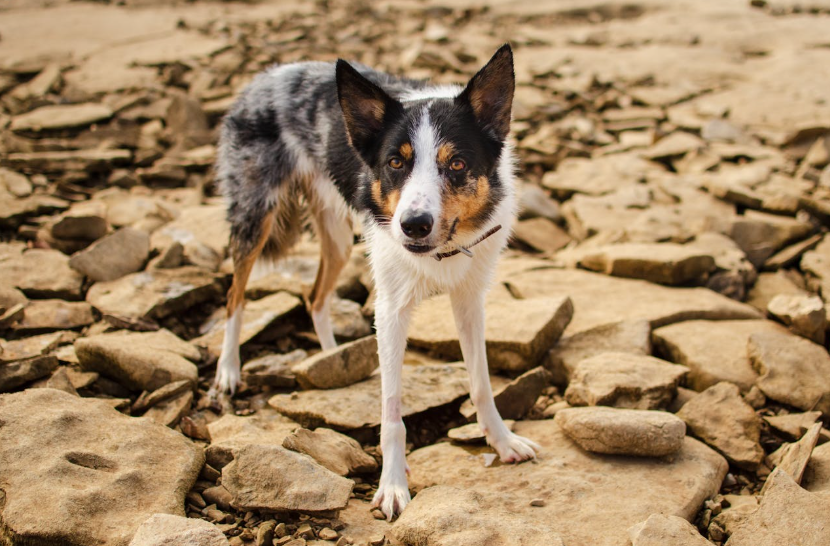
Safety is non-negotiable when dealing with aggression. Protecting yourself and your dog is always the top priority.
- Use a Muzzle if Needed: In situations where aggression might escalate, a muzzle can be a practical tool. It ensures safety without causing harm or sending mixed messages to your dog.
- Secure Environment: Provide a safe space at home where your dog can retreat if they feel overwhelmed. This could be a quiet room, a crate, or a cozy corner. It gives them control over their environment, which can reduce stress and aggressive responses.
- Avoid Triggers: If you know certain situations provoke aggression, plan ahead to minimize exposure. Steering clear of high-stress scenarios prevents unnecessary confrontations and protects everyone involved.
Final Thoughts of How To Deal With An Aggressive Dog
Aggressive behavior in dogs can be challenging, but with patience, understanding, and consistent guidance, it can be managed effectively. Your dog depends on you to lead calmly, respond wisely, and provide reassurance. Every effort you make contributes to a safer, healthier, and happier relationship.
Through proper handling, thoughtful training, and prioritizing safety, you can help your dog navigate their impulses and fears. Over time, they can become more relaxed, confident, and trustworthy companions. Every small step counts toward building a bond where your dog feels secure, and you feel empowered as their caregiver.