
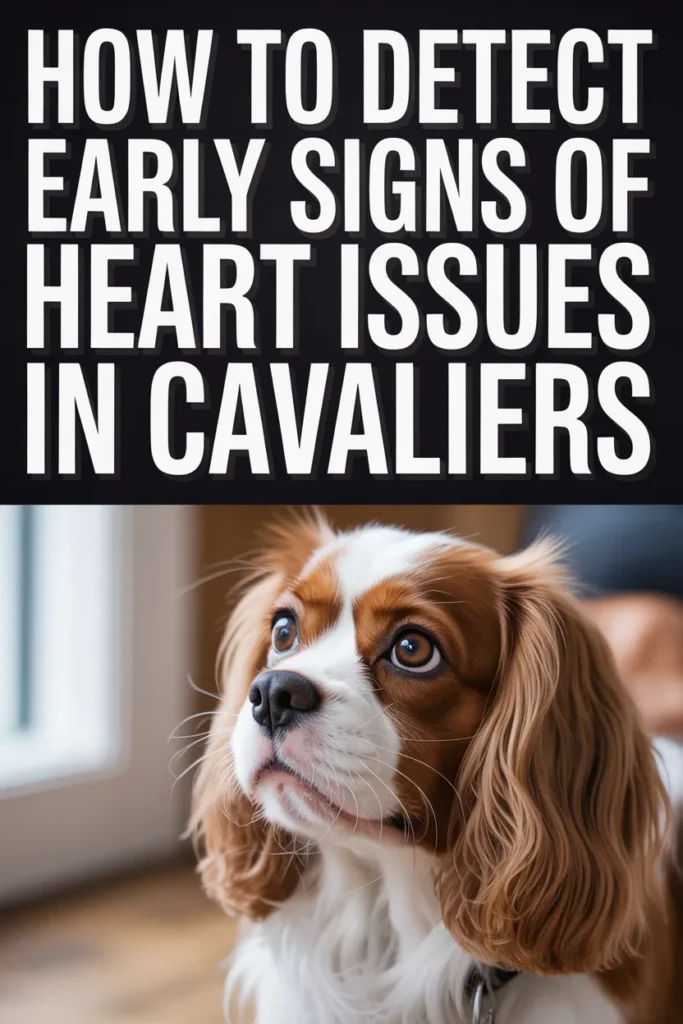
How to Detect Early Signs of Heart Issues in Cavaliers
As a proud Cavalier parent, I know how much joy these little companions bring—but I also know their hearts are delicate. Heart issues are common in Cavaliers, and the tricky part is that early warning signs are often subtle.
Save For Later
Being proactive about heart health isn’t just smart—it can save lives. In this article, I’ll share what I’ve learned about spotting heart problems, managing risk factors, and keeping my Cavalier’s heart strong and healthy.
The Heart of the Matter
Mitral Valve Disease (MVD) – What’s That?
I discovered early on that MVD is a hereditary condition that affects Cavaliers more than most breeds. The mitral valve in the heart slowly deteriorates, making it harder for blood to flow properly. Most Cavaliers develop a heart murmur by age 5, but it can appear even earlier. I make it a point to have my vet check for murmurs during routine visits, because early detection can make a huge difference in treatment and quality of life.
Pro Tip: A stethoscope at a vet visit can catch subtle murmurs long before symptoms show.
Early Signs of Heart Issues
Watching my Cavalier for small changes has been eye-opening. Persistent coughing, especially after exercise or at night, can be a sign of heart stress. Rapid or labored breathing when they’re at rest is another red flag. I also notice if playtime becomes a struggle; fatigue or reluctance to exercise often signals that something’s off. Even subtle behavioral changes, like reduced interaction or a less mischievous attitude, are worth noting.
Here’s my quick checklist for monitoring heart health:
- Persistent Coughing: More frequent or intense than usual?
- Difficulty Breathing: Labored breaths while resting?
- Exercise Intolerance: Slower or less enthusiastic during play?
- Behavioral Changes: Less playful or interactive?
If I notice any of these, I know it’s time for a vet visit.
Risk Factors
Understanding what puts Cavaliers at risk has helped me make smarter choices.
- Age: Heart issues usually appear around 5–6 years, so I pay extra attention as my pup gets older.
- Genetics: Since MVD is inherited, knowing my dog’s family history is crucial. Early check-ups can make a huge difference.
- Obesity: Extra weight stresses the heart, so I keep my Cavalier at a healthy weight.
- Lack of Exercise: Sedentary habits weaken the heart. Daily walks and playful games keep my pup’s heart strong and energized.
What to Do If You Notice Symptoms
When I notice a red flag, staying calm is the first step—my Cavalier picks up on stress. Then I act fast:
- Contact the Vet: Immediate guidance from a professional is essential.
- Keep a Symptom Log: I track when symptoms occur and any possible triggers.
- Rest and Monitor: I provide a cozy resting space and observe for worsening signs.
Taking these steps early has helped me manage potential heart issues before they become serious.
Preventative Measures and Early Intervention
Prevention is always better than treatment, and I follow a few key practices to keep my Cavalier’s heart in top shape.
- Proper Diet: A balanced, high-quality dog food with limited treats keeps the heart healthy and weight in check.
- Regular Exercise: Walks, fetch, or agility exercises strengthen the heart while keeping my pup happy.
- Routine Vet Check-ups: Regular visits catch issues before they escalate. Cholesterol and heart screenings every few years are worth the investment in peace of mind.
I’ve learned that combining diet, exercise, and regular vet care is the most effective way to maintain heart health.
Key Takeaways
- Cavaliers are prone to mitral valve disease, often starting by age 5.
- Early signs include coughing, labored breathing, fatigue, and behavioral changes.
- Age, genetics, obesity, and inactivity increase heart risk.
- Prompt vet visits and monitoring are essential when symptoms appear.
- Diet, exercise, and routine check-ups significantly reduce heart complications.
All content on this site is written and reviewed by our experienced team to ensure it is accurate, reliable, and helpful for our readers. Our Our Process page explains how we carefully research and create high-quality content, while our Team page introduces the professionals behind our work. We also provide clear guidelines for content or image concerns on our Image Removal page, so you can trust that we prioritize transparency, quality, and reader safety.