How to Feed a Healthy Diet to Your Guinea Pig
I’ve worked closely with small animals like guinea pigs through clients and fellow pet lovers. One thing I’ve learned? Guinea pigs may look simple to care for, but their diet needs to be very precise to keep them healthy and happy. Unlike dogs, they have sensitive digestive systems and specific nutrient requirements—especially vitamin C.
If you get their diet right, you’ll have a happy, active, and long-living little companion.
Key Takeaways
- Guinea pigs need 80% hay daily for digestion and dental health
- Fresh vegetables provide essential vitamin C (20–30 mg daily)
- Pellets should be limited and high-quality (1–2 tbsp daily)
- Clean, fresh water must always be available
- Avoid sugary treats and processed mixes
- Poor diet can lead to scurvy, obesity, and dental issues
- A balanced diet can increase lifespan to 5–7+ years
From my experience helping pet owners, diet mistakes are one of the top causes of health problems in guinea pigs—but they’re also the easiest to fix.
The Core of a Guinea Pig Diet
Think of your guinea pig’s diet like a simple formula:
- 80% hay
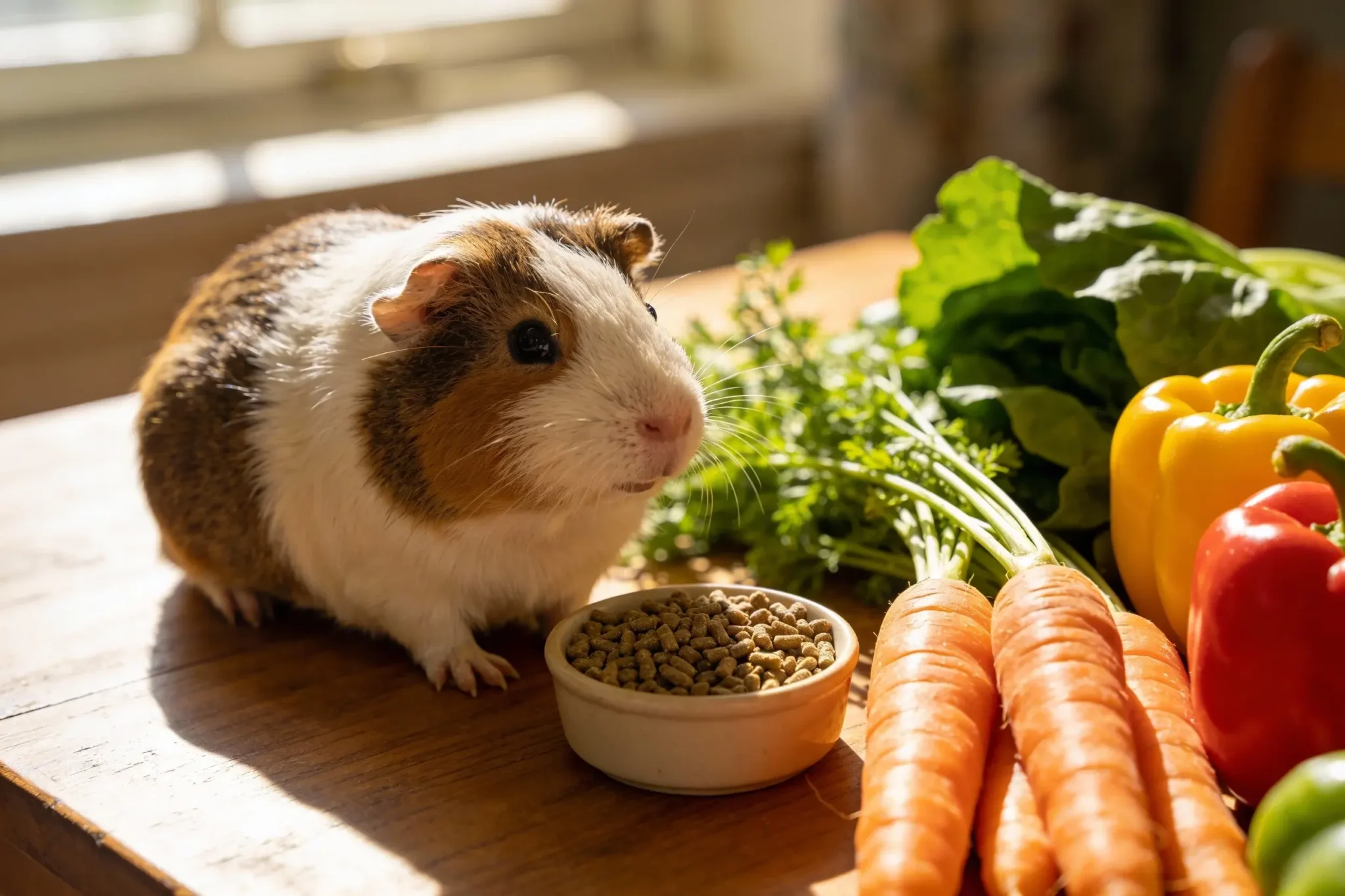
- 10–15% fresh vegetables
- 5–10% pellets
- Unlimited water
This balance supports their digestion, teeth, and overall health.
I always tell beginners: if you focus on hay first, you’re already doing most things right.
Hay: The Non-Negotiable Staple
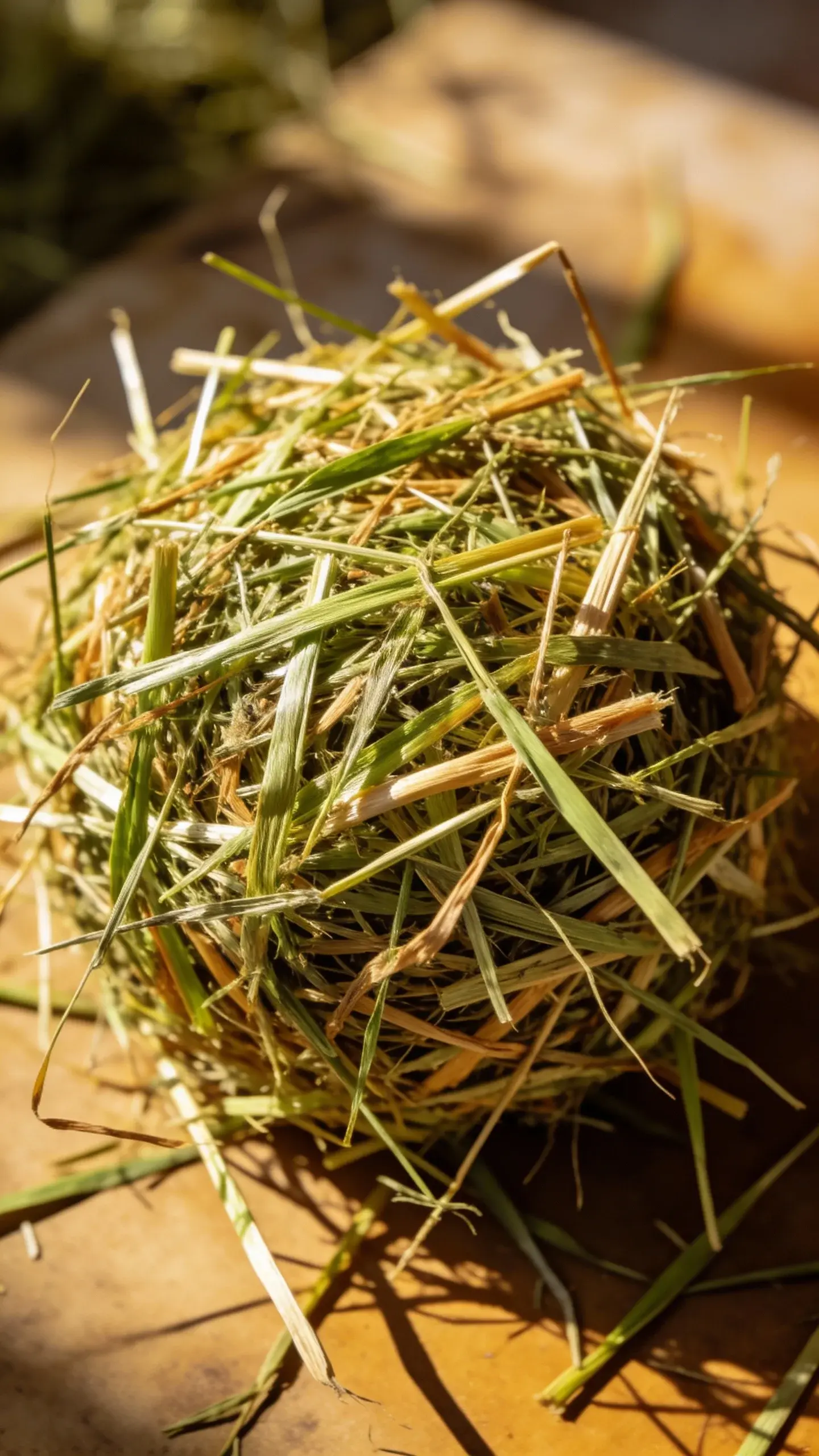
Hay is the foundation of everything. Guinea pigs’ teeth grow continuously, and chewing hay keeps them naturally trimmed.
Best Hay Choices
- Timothy hay – Best for adult guinea pigs
- Orchard or meadow hay – Great for variety and picky eaters
- Alfalfa hay – Only for young, pregnant, or underweight pigs
From experience, I’ve seen dental problems develop quickly when hay is limited—so never restrict it.
Pro Tips for Hay Success
- Provide fresh hay daily in multiple spots
- Keep it dry and clean
- Mix different hay types for enrichment
Veggies: Color, Crunch, and Vitamin C
Guinea pigs cannot produce vitamin C, which makes fresh vegetables essential.
Aim for about 1 cup of vegetables per guinea pig daily.
Leafy Green All-Stars (Feed Daily)
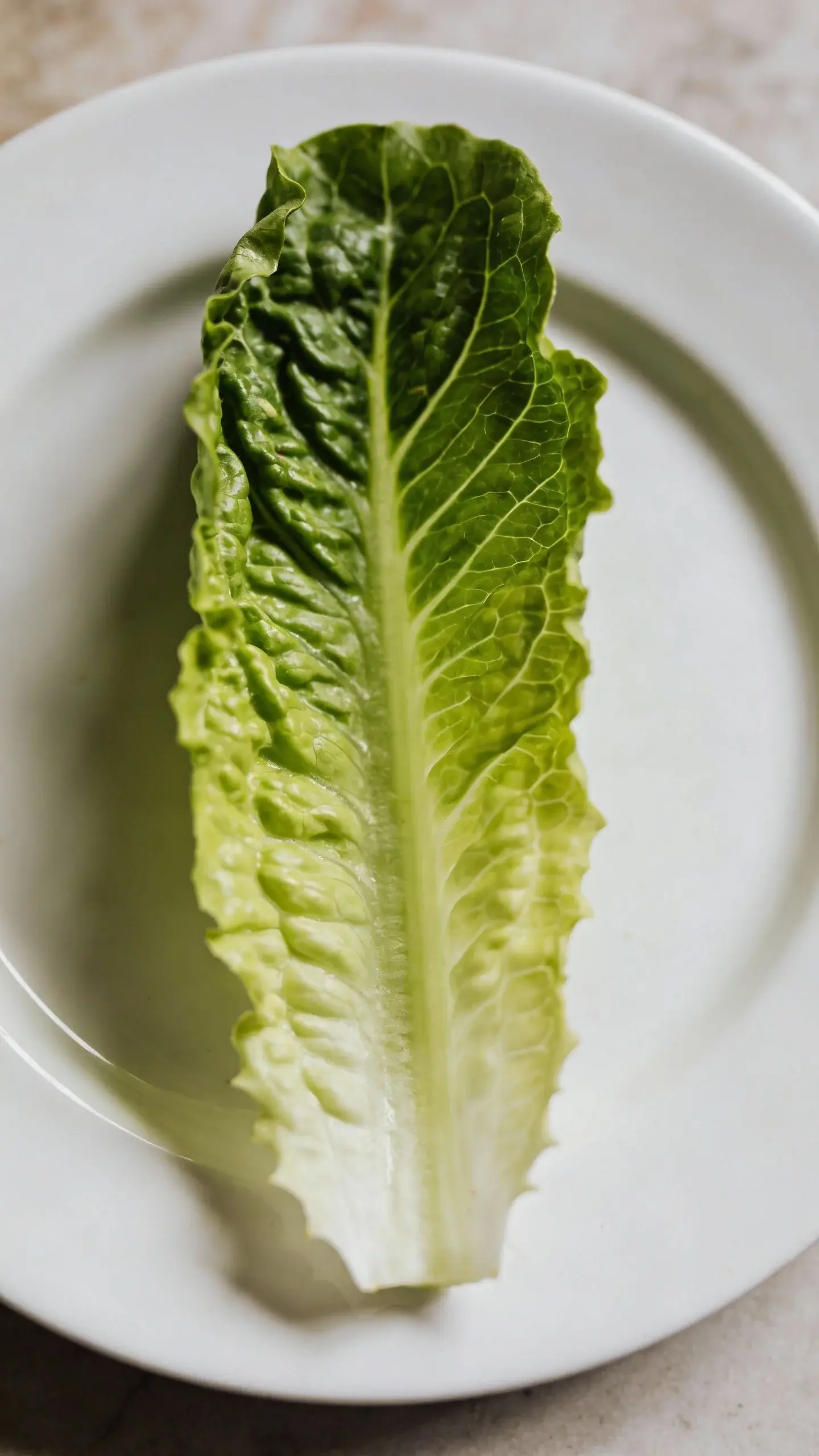
- Romaine lettuce
- Green/red leaf lettuce
- Cilantro
- Bell peppers (excellent vitamin C source)
- Endive
Rotate These 2–4x per Week
- Kale, parsley, spinach (higher calcium)
- Carrots (small portions due to sugar)
- Tomatoes (no leaves or stems)
- Cucumber
Portion Pointers
- Bell peppers: 1–2 tablespoons daily
- Leafy greens: loose handful
- High-calcium greens: occasional
In my experience, introducing veggies slowly prevents digestive issues like bloating or soft stools.
Pellets: Helpful, Not the Main Course
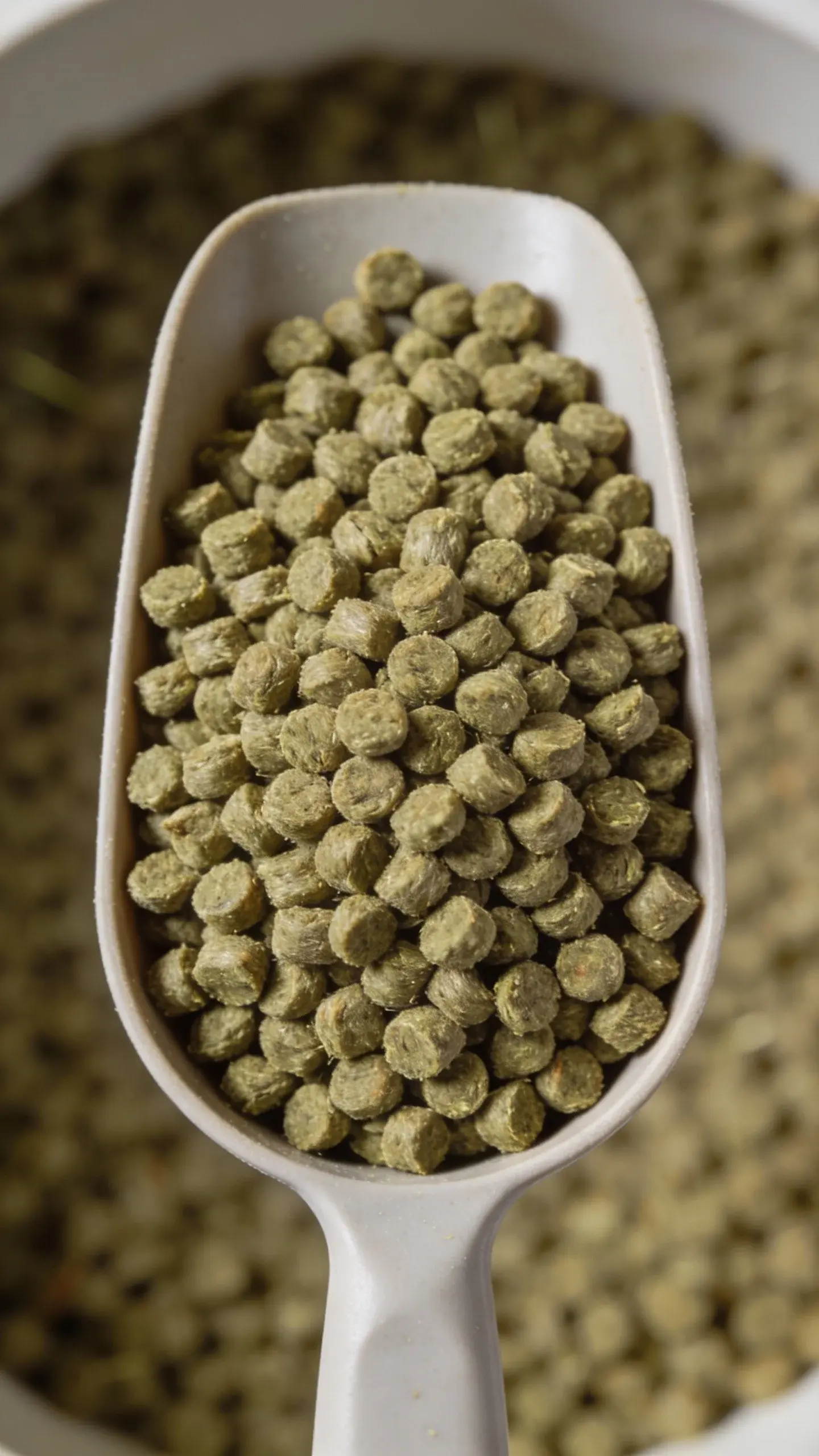
Pellets are a supplement—not the main food.
Choose:
- Plain, timothy-based pellets
- Fortified with vitamin C
- No seeds, nuts, or artificial colors
How Much to Feed
- Adults: 1–2 tablespoons daily
- Young or pregnant pigs: may need more (consult a vet)
I’ve seen many owners overfeed pellets, which leads to obesity and reduces hay intake.
Water: The Quiet Hero
Fresh water should always be available.
Daily routine:
- Refill and rinse water bottle
- Clean thoroughly to prevent bacteria
Hydration supports digestion and prevents urinary issues.
Treats: Fun, But Don’t Go Wild
Treats should be limited and natural.
Good Treat Ideas
- Fresh herbs (basil, mint)
- Small fruit pieces (2–3 times weekly)
- Hay-based treats without additives
Avoid:
- Sugary snacks
- Dairy products
- Seed mixes
From my experience, simple natural treats are always the safest option.
Calcium, Vitamin C, and Other Nerdy (But Important) Bits
These nutrients are critical for guinea pig health.
Vitamin C Basics
- Daily need: 20–30 mg
- Sources: bell peppers, greens, pellets
- Avoid water supplements (they degrade quickly)
A lack of vitamin C can cause scurvy, leading to weakness and joint pain.
Calcium Balance
Too much calcium can cause bladder stones.
- Limit alfalfa for adults
- Rotate high-calcium vegetables
- Watch for signs like cloudy urine
Sample Daily Menu (Easy Mode)
Here’s a simple routine I recommend:
Morning:
Fresh hay, 1 tbsp pellets, leafy greens + bell pepper
Evening:
More hay, mixed greens, small veggie portion
Twice weekly:
Add kale or parsley, small fruit treat
Always:
Clean water available
This routine keeps things balanced without overcomplicating feeding.
Common Mistakes to Avoid
Over the years, I’ve seen these mistakes the most:
- Feeding iceberg lettuce (low nutrition)
- Too many pellets
- Sudden diet changes
- Using seed mixes
- Not providing enough hay
Avoiding these alone can dramatically improve your guinea pig’s health.
FAQ
Can I feed my guinea pig grass from my yard?
Yes, if it’s free from pesticides and chemicals. Introduce slowly.
Do guinea pigs need vitamin C supplements?
Usually no, if their diet is balanced. Supplements may help in special cases.
What fruits are safe?
Apple (no seeds), strawberry, blueberry, melon—small portions only.
How do I switch pellets?
Gradually over 7–10 days to avoid digestive upset.
My guinea pig doesn’t drink much. Is that normal?
Sometimes yes, especially if they eat watery vegetables—but monitor behavior closely.
What size veggie portions for young pigs?
Start small and increase gradually to avoid digestive issues.
Conclusion
Feeding a guinea pig doesn’t have to be complicated. From my years of experience with animals, I can confidently say that consistency is key.
Focus on:
- Unlimited hay
- Fresh vegetables
- Controlled pellets
- Clean water
Get this right, and your guinea pig will thrive—happy, active, and full of personality.