

How to Make a Natural Flea Spray for Dogs with Apple Cider Vinegar & Lemon
Fleas don’t pay rent, yet they treat your dog like an all-you-can-eat buffet. If you want to fight back without dousing your pup in chemicals, you’re in the right spot. Apple cider vinegar and lemon can help you make a simple, fresh-smelling spray that supports a flea-free life. It won’t replace your vet’s advice, but it can give you a gentle, budget-friendly boost.
This opening explains that fleas can quickly become a nuisance for dogs, and many owners prefer avoiding strong chemical treatments. A homemade spray made with apple cider vinegar and lemon offers a milder, affordable option to help manage the problem. However, it makes clear that this remedy is meant to support—not replace—professional veterinary care.
Why Go Natural in the First Place?
Conventional flea products work, but they can smell harsh and cost a small fortune. Natural sprays give you control over ingredients and keep things gentle. Plus, you probably already have most of what you need in your kitchen.
This section highlights that while store-bought flea treatments can be effective, they often come with strong odors and higher costs. Natural alternatives allow pet owners to choose simple ingredients and avoid unnecessary additives. Many of these items are already available at home, making the solution convenient and economical.
Do natural options solve everything? Nope. You’ll get best results when you combine a natural spray with basic flea control habits like cleaning, regular grooming, and yard maintenance. Think of this spray as a supportive sidekick, not a lone superhero.
Here, it’s clarified that natural remedies are not complete solutions on their own. The spray works best when paired with consistent cleaning, grooming, and outdoor upkeep. It should be viewed as part of a broader routine rather than a standalone cure.
How ACV and Lemon Help (Without the Hype)
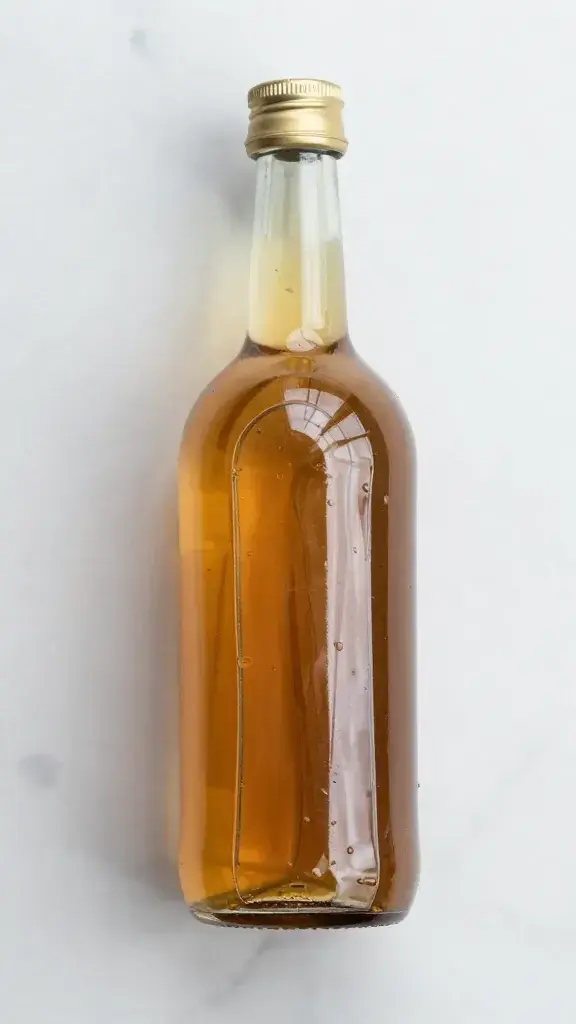
Apple cider vinegar (ACV) brings acidity that fleas hate. It won’t kill fleas on contact like a pesticide, but it can make your dog’s coat less hospitable. Lemon adds a citrus punch with limonene compounds that fleas dislike, and it helps neutralize that vinegar smell.
This part explains how the ingredients function. The acidity of apple cider vinegar creates an environment fleas tend to avoid, even though it does not kill them instantly. Lemon contributes natural compounds that insects dislike and also improves the scent of the mixture.
What this spray can do:
Help deter fleas from hanging around your dog’s coat
Freshen your dog between baths
Support a broader flea-prevention plan
These points summarize the realistic benefits of the spray. It may discourage fleas from settling on the coat, keep the dog smelling cleaner between washes, and work as part of a larger flea-control routine.
What it can’t do:
Replace prescription flea treatments during severe infestations
Cure flea allergies or hot spots
Work if you use it once and forget about it (consistency matters)
This clarifies the limitations. The spray is not strong enough for heavy infestations, does not treat skin reactions caused by fleas, and requires regular use to be helpful.
What You’ll Need
This section lists the basic supplies required: raw, unfiltered apple cider vinegar (preferably containing the natural sediment), a fresh lemon, clean water that has been distilled or boiled and cooled, and a spray bottle that produces a fine mist. Optional additions include small amounts of dog-safe essential oils for fragrance and a strainer to remove lemon pulp from the liquid.
Step-by-Step: Make the Spray

You’ll create a lemon-infused water first, then mix it with ACV. Easy project, big payoff.
The process involves preparing a lemon infusion before combining it with vinegar, keeping the method straightforward and manageable.
Step 1: Make the Lemon Infusion
Slice one lemon into thin rounds.
Add slices to a small pot with 1 cup of water.
Bring to a gentle simmer, then remove from heat.
Cover and let it steep until the water cools completely (about 30–45 minutes).
Strain out the solids so no pulp or seeds clog your spray bottle.
This step describes simmering sliced lemon in water, allowing it to steep as it cools, and then straining it to create a smooth liquid suitable for spraying.
Step 2: Mix with ACV
For most dogs, use a 1:1 ratio of ACV to lemon infusion. If your dog has sensitive skin, start gentler.
Standard mix: 1 cup ACV + 1 cup lemon infusion
Sensitive skin: 1/2 cup ACV + 1 1/2 cups lemon infusion
If you want a scented boost, add 2–4 drops of dog-safe essential oil, total. Don’t go wild with oils—more is not better.
This section explains how to combine the lemon liquid with vinegar, offering two ratio options depending on skin sensitivity. It also advises using only a minimal amount of essential oil if desired.
Step 3: Bottle It and Label It
Pour the mix into your spray bottle. Label it with the date so you remember when you made it. Store in the fridge and use within 1–2 weeks for freshness.
Here, the instructions emphasize transferring the mixture into a spray bottle, marking the preparation date, refrigerating it, and using it within a short timeframe to maintain quality.
How to Use It (Without Annoying Your Dog)
This section focuses on applying the spray calmly so the dog stays comfortable and cooperative.
Patch Test First
Spritz a small area on your dog’s shoulder blade. Wait 24 hours. If you see redness, itching, or irritation, dilute more or skip the spray.
Before full use, test a small area and monitor for reactions. If irritation occurs, reduce strength or discontinue use.
Spray Technique
Shake the bottle before each use.
Lightly mist your dog’s coat, avoiding eyes, nose, mouth, and any open skin.
Focus on the neck, chest, belly, underarms, and base of the tail—flea hangout zones.
Use your hand to distribute it through the coat. You want “evenly damp,” not soaked.
These steps outline proper application: shake the mixture, spray lightly while avoiding sensitive areas, concentrate on common flea spots, and spread it evenly without drenching the fur.
How Often?
Daily during flea season or if you’re in a high-risk area
Every other day for maintenance or indoor pups
Before walks in tall grass or wooded areas
This explains frequency. Use it more often during peak flea times or in risky environments, and less frequently for maintenance.
Boost Your Results with Simple Habits

This section explains that lasting improvement usually requires combining the spray with consistent hygiene and environmental control.
Comb and Bathe
Regularly combing areas where fleas gather helps detect and remove them, especially when dipping the comb in soapy water. Bathing weekly or every two weeks with a mild shampoo can help, and adding a small amount of vinegar to the final rinse may provide extra support if tolerated.
Clean the House
Vacuuming carpets and furniture multiple times a week reduces flea stages in the home. Washing bedding in hot water and drying thoroughly helps eliminate eggs and larvae.
Yard Smarts
Keeping grass trimmed, clearing debris, and limiting wildlife access can reduce outdoor flea populations. In suitable climates, beneficial nematodes may also help manage fleas in the yard.
Know When to Call the Vet
This section advises seeking veterinary care if the infestation is severe or if the dog shows signs of allergic reactions such as excessive scratching, hair loss, or skin sores. In such cases, prescription treatments may be necessary to quickly control the situation. It also recommends avoiding this spray for very young puppies, pregnant or nursing dogs, or those with skin issues unless approved by a veterinarian.
Troubleshooting: If Something Feels Off
This part offers solutions if challenges arise. If a dog dislikes the spray bottle, apply the mixture by hand or with a cloth. If irritation appears, dilute further or discontinue. If the smell is too strong, adjust the lemon ratio or add a minimal amount of safe essential oil. If there is no improvement after consistent use, increase cleaning efforts and consider temporary veterinary treatments.
FAQ
Will this spray kill fleas?
The answer explains that the spray mainly discourages fleas rather than killing them outright. Effective control depends on combining it with cleaning and, if needed, professional treatments.
Can I use white vinegar instead of apple cider vinegar?
White vinegar can be substituted if necessary, though apple cider vinegar may be gentler and more pleasant in scent. Extra dilution and careful testing are advised.
Is lemon safe for dogs?
Small amounts used topically are generally acceptable for adult dogs, but concentrated forms or ingestion should be avoided. Sensitive dogs require extra caution.
Can I spray it on my dog’s bed?
Light application on bedding is acceptable as long as it dries fully before use. Avoid soaking materials that retain moisture.
What if my dog has hot spots or broken skin?
The spray should not be applied to irritated or open areas because it can cause discomfort. Those issues should be treated properly before considering diluted reintroduction.
How long does the spray last once mixed?
The mixture stays usable for about one to two weeks when refrigerated. Preparing small batches helps maintain freshness.
Conclusion of How to Make a Natural Flea Spray for Dogs
The closing section reinforces that a simple mixture of apple cider vinegar and lemon can help support flea control when used consistently. It encourages combining the spray with cleaning and grooming routines to make the environment less inviting to fleas, offering a practical and manageable approach for pet owners.