How to Make DIY Dog Wipes with Coconut Water & Aloe
If you live with a dog, you already know this moment. One second they’re happily sniffing around, and the next they’ve found the one questionable patch of yard that absolutely had to be investigated. I’ve been there—standing at the door, staring at muddy paws and thinking, “Do I really want to deal with a full bath right now?”
The truth is, most of the time you don’t need one. A full bath means wet floors, shaking fur, towels everywhere, and that dramatic post-bath zoomie session. What you usually need is a quick, gentle clean-up that removes dirt without stripping your dog’s skin. That’s exactly where these homemade wipes come in. They’re simple, mild, and made with ingredients you can actually recognize. No overpowering perfume smell. No complicated label. Just something that works.
Why Coconut Water and Aloe Make Sense
When I first started looking into natural options, I didn’t want trendy ingredients—I wanted ones that actually did something useful. Coconut water and aloe aren’t there for show.
Coconut water is light and naturally hydrating. It gives that clean, subtle scent without the artificial “fresh linen” type of fragrance that can irritate a dog’s nose. It doesn’t overpower them, and if you’ve ever seen how sensitive dogs are to smell, you know that matters.
Aloe, on the other hand, is all about comfort. If your dog has ever come back from a walk with slightly red paws or a mildly irritated belly from grass, you’ve probably wished for something soothing. Aloe helps calm the skin and adds a gentle, cooling feel. It’s especially helpful after muddy or dusty outdoor play.
And here’s something many people forget—dogs’ skin is more sensitive than ours. They don’t need strong fragrances, alcohol-based products, or heavy preservatives. In my experience, the simpler the formula, the better their skin reacts. When you keep things minimal, you avoid unnecessary itching, dryness, and licking.
What You’ll Need
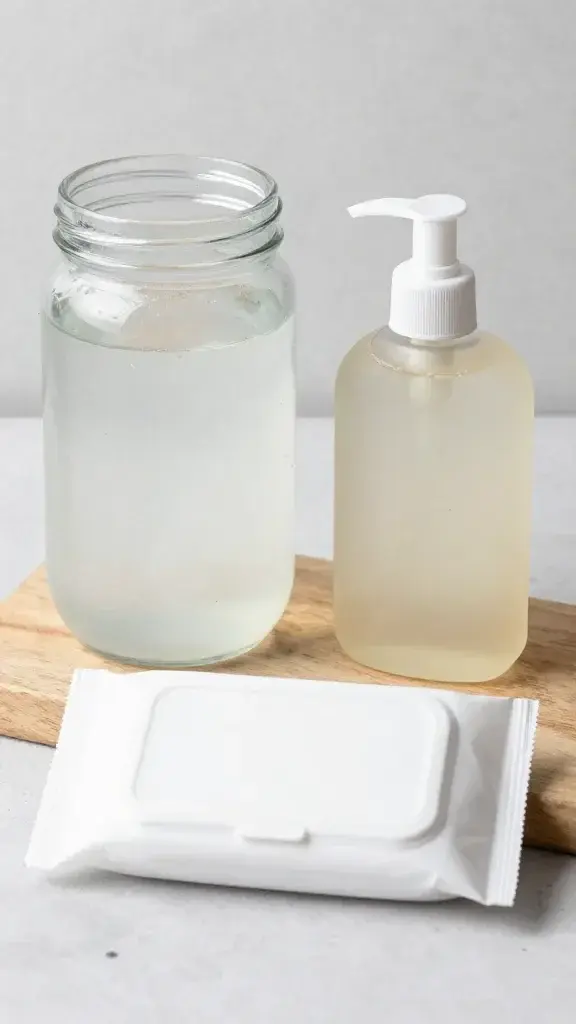
You don’t need special tools or complicated equipment. Everything here is straightforward and easy to find. I always recommend sticking to clean, basic versions of each ingredient.
Unsweetened coconut water is important—no added sugars or flavors. Pure aloe vera juice or gel should be free from alcohol, dyes, or numbing agents. Distilled water helps reduce the chance of bacterial growth, which matters since we’re not adding preservatives.
A very small drop of mild, unscented castile soap can help if your dog gets especially dirty, but it’s optional. For extra moisture, a tiny amount of fractionated coconut oil or jojoba oil can be added, though this also depends on your dog’s skin type.
For the wipes themselves, soft reusable cloths are ideal. Cotton or bamboo baby washcloths feel gentle against paws, bellies, and faces. You’ll also need a sealable container—a glass jar, silicone bag, or wipe dispenser all work well.
If your dog struggles with yeast or allergies, I’ve personally found that less really is more. Skip oils. Skip anything unnecessary. The simpler you keep it, the safer it tends to be.
The Core Recipe (Fast & Simple)
This mixture is balanced to clean gently without leaving a greasy film behind. I like warming the distilled water slightly—not hot, just warm—so everything blends smoothly.
In a clean bowl, combine half a cup of unsweetened coconut water with a quarter cup of pure aloe juice. If you’re using aloe gel, two tablespoons is enough. Add about half to three-quarters of a cup of warm distilled water. If you’re including soap, just one very small drop is plenty. If you’re adding oil, keep it to half a teaspoon.
Mix until everything is fully combined. If you’re working with gel aloe, whisk a bit longer so you don’t end up with clumps. Place your cloths inside the container and pour the mixture over them. They should be damp and flexible—not floating.
Seal the container and let it cool completely. Before using, give it a gentle shake to redistribute the liquid. If your wipes feel too wet, squeeze them slightly. If they seem dry, add a splash more mixture. You want them to glide over the coat, not drip everywhere.
Quick Ratios Cheat Sheet
For paws, use two parts water, one part coconut water, and half a part aloe. This gives a balanced clean without heaviness.
For the face, increase the water and reduce the coconut water and aloe. Skip soap and oil completely here. The face should always have the mildest blend.
For the body, stick with two parts water, one part coconut water, half a part aloe, and a tiny drop of soap if needed. It’s enough to lift dirt without irritating skin.
Choosing Fabrics and Containers
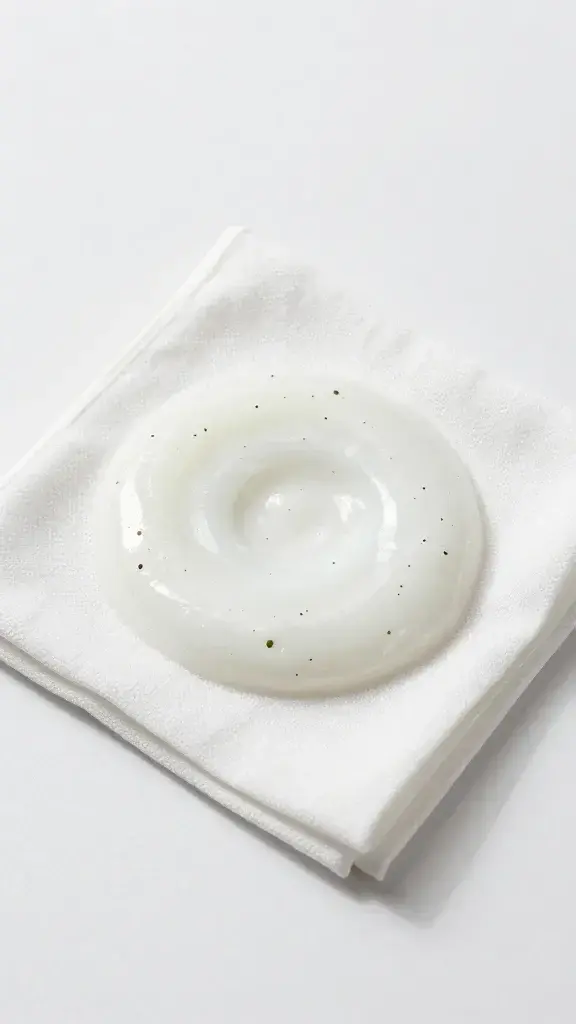
The material of your wipes matters more than you might think. I’ve tried paper towels before, and while they work in a pinch, they don’t compare to reusable cloths. Soft cotton and bamboo feel better against sensitive areas and hold moisture more evenly.
Best Cloth Options
Bamboo baby washcloths are extremely soft and absorbent. Old cotton T-shirts cut into squares are a budget-friendly option and surprisingly effective. Microfiber can work well for tough, muddy paws, but I avoid using it around eyes or delicate areas.
Container Tips
Wide-mouth glass jars make it easy to grab wipes without struggling. Silicone food storage bags are great if you travel often—they seal tightly and don’t leak easily. Empty wipe dispensers also work if you fold the cloths accordion-style.
Whatever you choose, wash the container thoroughly with hot soapy water and rinse well before making a new batch. Clean tools matter when you’re storing a moisture-based mixture.
Safety First: Dog-Safe, Vet-Friendly
I always approach DIY pet care with caution. Even natural ingredients can cause issues if used incorrectly.
Avoid essential oils completely in wipes that touch paws or faces. Dogs lick themselves—it’s inevitable. Many essential oils can irritate skin or upset their stomach if ingested.
Never include alcohol, hydrogen peroxide, or synthetic fragrances. These dry the skin and can lead to itching. Always do a small patch test before full use, especially if your dog has known sensitivities.
Do not apply these wipes to open wounds, raw hot spots, or infected skin. Those situations require veterinary attention. And because there are no preservatives, make small batches and refrigerate if your home runs warm.
Storage and Shelf Life
At room temperature, use the wipes within about three days. In the refrigerator, they can last five to seven days. If you’re packing them for a trip, keep only a small amount and use within 24 hours.
Coconut water can spoil, so treat this mixture like fresh food. When in doubt, throw it out and make a new batch.
How to Use Your DIY Dog Wipes

These wipes are perfect for in-between bath moments. After walks, park visits, or backyard play, they remove surface dirt and allergens quickly.
Paws and Pads
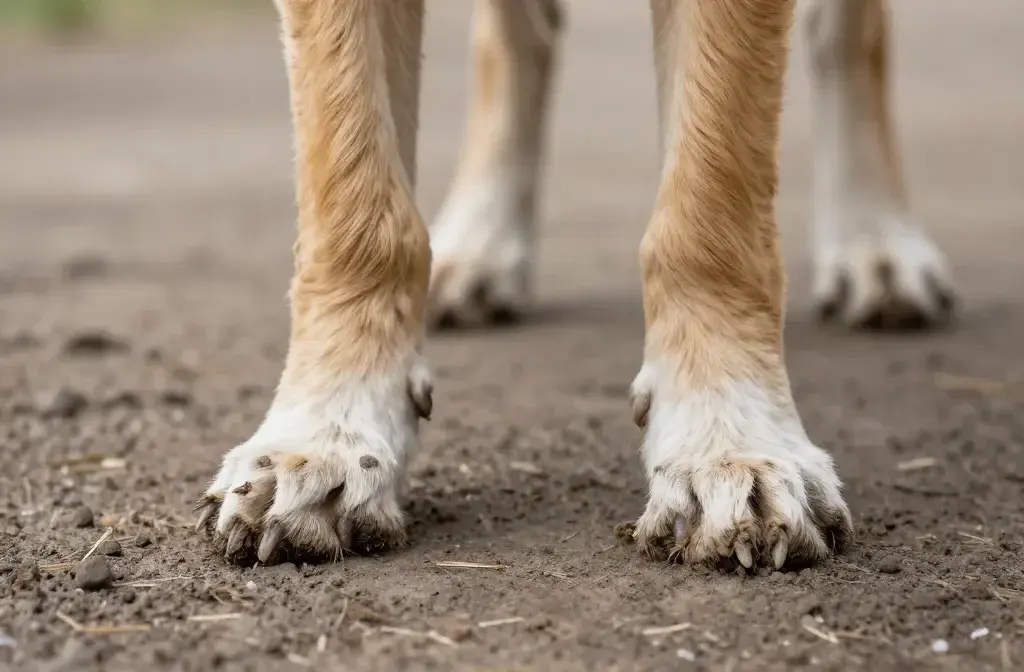
Gently wipe between the toes and along the pads. Dirt, pollen, and small debris collect there easily. After wiping, make sure paws aren’t left overly damp. If your dog tends to slide across floors, dry them with a towel.
Face and Folds
Always use a separate cloth for the face. Avoid wiping inside the eyes or deep into ear canals. For breeds with wrinkles, dry the folds after wiping to prevent trapped moisture.
Coat and Belly
Wipe in the direction of hair growth. Be gentle on the belly—no scrubbing. Aloe in the mixture can feel soothing after contact with grass or pollen. A quick brushing afterward helps distribute natural oils and leaves the coat looking fresh.
Daily paw wiping after walks is fine. Face and wrinkle areas can be cleaned a few times per week or as needed.
Customization: Tweak It for Your Dog
Every dog’s skin reacts differently. What works for one might need slight adjustment for another.
For Sensitive or Allergy-Prone Dogs
Stick to distilled water, coconut water, and aloe only. Skip soap and oils entirely. You can even dilute the mixture further with extra distilled water. Store wipes in the fridge and use fresh cloths daily.
For Super Dirty Adventures
If your dog loves mud, you can add one extra tiny drop of soap for paw use only. After wiping, rinse paws lightly with plain water and dry thoroughly to prevent irritation.
For Itch Relief Days
Increase the aloe proportion slightly and use the wipes cool from the refrigerator. The cooling sensation can feel comforting. If itching continues, it’s important to consult a veterinarian, as allergies or infections may be involved.
Make It Reusable: Wash and Refill
Reusable cloths save money and reduce waste. Wash them in hot water using unscented detergent. Avoid fabric softener because it leaves residue that can irritate skin.
Air drying or low-heat tumble drying helps keep cloths soft. Always sanitize your container between batches. Keeping two sets of cloths makes the process easy—one in use, one being cleaned.
Troubleshooting: If Things Get Weird
Sometimes a batch doesn’t turn out perfectly. If the wipes smell unusual, they’ve likely spoiled. If they feel slimy, they’ve sat too long. Make smaller batches next time.
If your dog’s paws feel greasy, reduce or remove oil. If they start licking constantly after wiping, remove soap from the formula and rinse with water. Any redness or irritation means stop immediately and reassess. If aloe leaves a sticky feel, mix more thoroughly or switch to aloe juice instead of gel.
FAQs
Can I add essential oils for scent?
It’s best not to. Dogs are sensitive to strong scents, and many essential oils can irritate skin or upset their stomach if licked.
Is coconut water safe if my dog licks their paws?
Small traces are generally fine, especially if it’s unsweetened. Still, the mixture isn’t meant to be consumed. If licking increases, rinse paws with water and dry thoroughly.
Can I use regular tap water?
You can, but distilled water is safer for freshness. If you use tap water, make very small batches and use them quickly.
What if my dog has yeasty paws?
Avoid oils and soap, and make sure paws are completely dry after wiping. Persistent odor or redness should be evaluated by a veterinarian.
Will these replace baths entirely?
No. Wipes are for light cleaning between baths. Regular bathing is still necessary depending on your dog’s coat and activity level.
Can I pre-soak paper towels?
Yes, but choose thick ones that won’t tear easily. Use them quickly since paper breaks down faster than cloth.
Conclusion of How to Make DIY Dog Wipes
You don’t need complicated formulas or store-bought wipes filled with ingredients you can’t pronounce. With coconut water, aloe, and a few basic supplies, you can keep your dog fresh between baths without irritating their skin. Make small batches, store them properly, and adjust the mixture based on your dog’s needs. It’s simple, practical, and once you start, you’ll probably wonder why you didn’t do it sooner.