
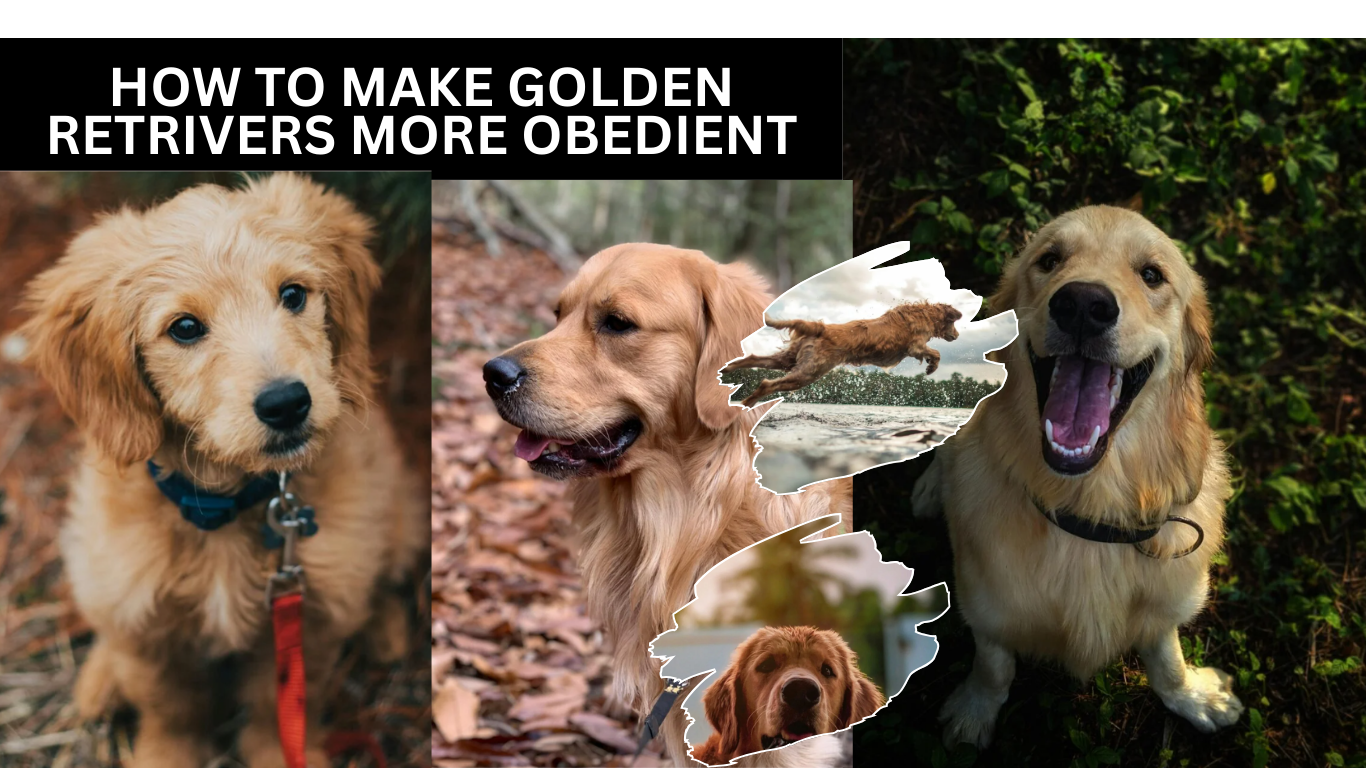
How To Make Golden Retrivers More Obedient
Golden Retrievers are famously affectionate and smart, but their intelligence doesn’t automatically translate into perfect behavior. You may have noticed your dog staring at a squirrel instead of responding to your commands, or acting like the word “sit” doesn’t exist. This doesn’t mean your dog is disobedient—it just means their attention and instincts sometimes override instructions. Golden Retrievers are curious, playful, and easily distracted, which makes training a little more of a strategy than a given. With the right approach, though, you can turn your cheerful, playful dog into a reliable companion who listens consistently without losing any of their happy, loving personality.
Why Golden Retrievers Can Be Stubborn (And How to Fix It)

Golden Retrievers are naturally eager to please, but that eagerness comes with a twist: they can be easily distracted. They love making you happy, but a passing smell, a bird, or even a rustling leaf can completely steal their focus. They were bred for retrieving, not strict obedience, which means they’re designed to think independently while hunting or exploring. Because of this, they don’t always respond to commands the way a Border Collie or German Shepherd might. The best way to manage this isn’t through harsh discipline, which can make them anxious or shut down, but by working with their instincts. Positive reinforcement, patience, and structured guidance allow them to understand what you want without compromising their joyful nature.
Step 1: Master the Basics (The Right Way)
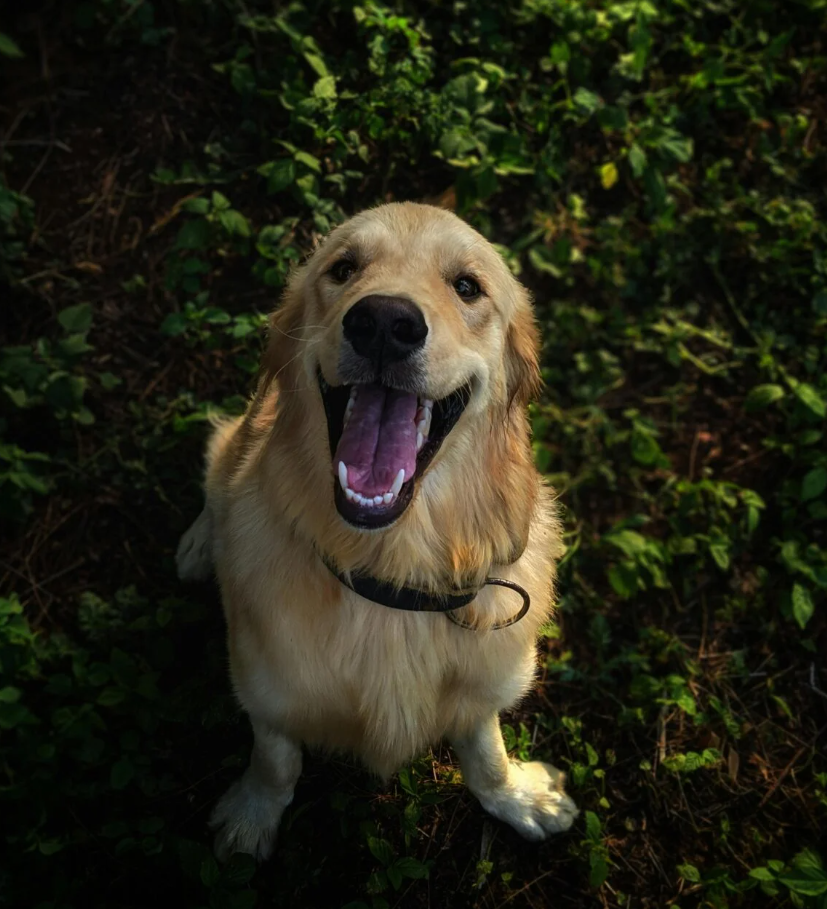
Before you move on to fun tricks, you need to make sure your Golden Retriever has a strong foundation. Four basic commands form the backbone of good behavior:
- “Sit” – This is the first command that teaches your dog to pause and focus. It’s the gateway to all other training.
- “Stay” – Essential for impulse control, “stay” helps your dog learn patience and self-restraint, which is crucial for safety.
- “Come” – Whether it’s a sudden distraction in the park or an unexpected situation near traffic, reliable recall can save your dog’s life.
- “Leave it” – Stops them from grabbing dangerous items or chewing things they shouldn’t.
Short, high-energy sessions of 5–10 minutes are ideal because Goldens can get bored quickly. Keeping training fun and lively ensures they remain engaged and retain what they learn.
Step 2: Use Rewards That Actually Motivate Them

Not all rewards work equally. If your Golden ignores regular kibble, you need to upgrade what you’re offering. High-value treats like small pieces of chicken, cheese, or specially designed dog snacks can make a huge difference. Some dogs are more motivated by play—fetch or tug-of-war can be as effective as food. Verbal praise and gentle petting also go a long way because Golden Retrievers are extremely social and respond positively to attention. Timing is key: the reward must come within a second or two of the desired behavior so they clearly understand why they’re being rewarded.
Step 3: Control the Environment (Set Them Up for Success)

Training works best when you minimize distractions at first. Begin indoors in a quiet area with few interruptions. Once your dog masters a command, move to the backyard where there are mild distractions. Finally, take them to high-distraction areas like parks. If they struggle at any level, step back to a quieter location and reinforce the command there. Gradual exposure builds confidence and helps your dog generalize commands in different situations.
Step 4: Fix the #1 Mistake Owners Make—Inconsistency

Dogs do not understand when rules are inconsistent. If you allow your Golden to jump on guests sometimes but scold them at other times, they become confused. Every household member must enforce the same rules consistently. Always use the same command words—don’t switch between “come” and “here.” Never reward bad behavior, even if it seems cute. Consistency builds trust and helps your dog understand what’s expected at all times.
Step 5: Turn Training Into a Game (Mental Stimulation = Better Obedience)
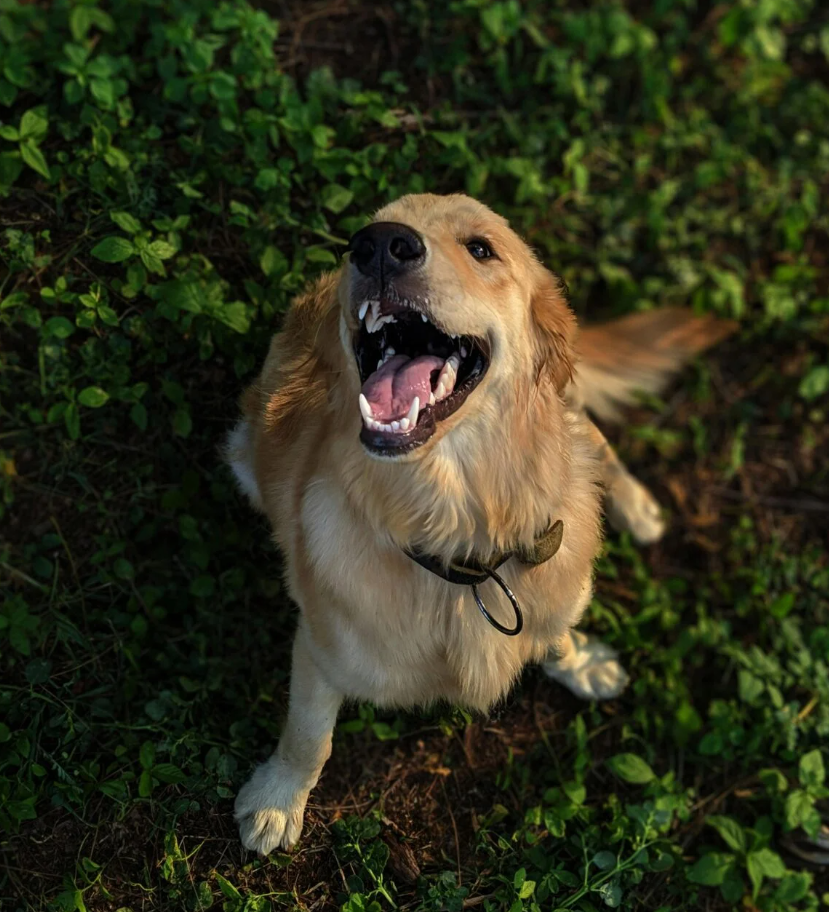
Golden Retrievers are intelligent and need mental challenges. A bored dog is more likely to ignore commands or find trouble on their own. Simple games like hide-and-seek with treats sharpen recall, while puzzle toys provide engaging ways to work for food. Teaching a new trick every week keeps their minds active and makes training enjoyable. The more mentally stimulated your dog is, the more focused and obedient they become.
Step 6: Exercise Them Like a Pro (A Tired Dog is an Obedient Dog)
Physical activity is crucial for Goldens because they have high energy levels. A dog that hasn’t exercised enough will struggle to focus during training and is more likely to display destructive behavior, like chewing furniture or digging holes. Aim for at least an hour of vigorous exercise daily—running, swimming, or fetch works well—plus 30 minutes of mental stimulation, like sniff walks or training sessions. Well-exercised dogs are calmer, happier, and easier to train.
Step 7: Socialize Them Early (Or Fix It Now)
Proper socialization keeps Goldens calm and responsive in new situations. Exposure to different people, dogs, and environments helps them remain composed and confident. Older dogs can still benefit from gradual, controlled exposure. Reward calm behavior around distractions and allow them to approach new situations at their own pace. Forced interactions often backfire, so patience and positive reinforcement are essential.
Step 8: When All Else Fails—Get Professional Help
Even with consistent effort, some challenges require a professional eye. Trainers can identify subtle issues you might miss, especially in cases of aggression, extreme fear, or a complete lack of progress despite your efforts. Seeking help is a sign of responsible ownership, ensuring both you and your dog enjoy a happy, safe relationship.
FAQs: Quick Fixes for Common Problems
- My Golden ignores me outside. What do I do? Use a long leash, practice recall in a safe area, and reward heavily when they respond.
- How do I stop them from jumping on people? Turn away and ignore them until they have all four paws on the ground. Reward the calm behavior.
- Why does my dog listen to my spouse but not me? Often, this comes down to inconsistency or engagement. Train separately, then combine efforts to build understanding.
Final Thought of How To Make Golden Retrivers More Obedient
A well-trained Golden Retriever enjoys more freedom—off-leash walks, beach trips, and visits to cafes without stress. Investing time in training now ensures a lifetime of reliable, happy companionship. When your dog finally responds consistently, every session you spent teaching them will feel worth it, and your bond will grow even stronger.