
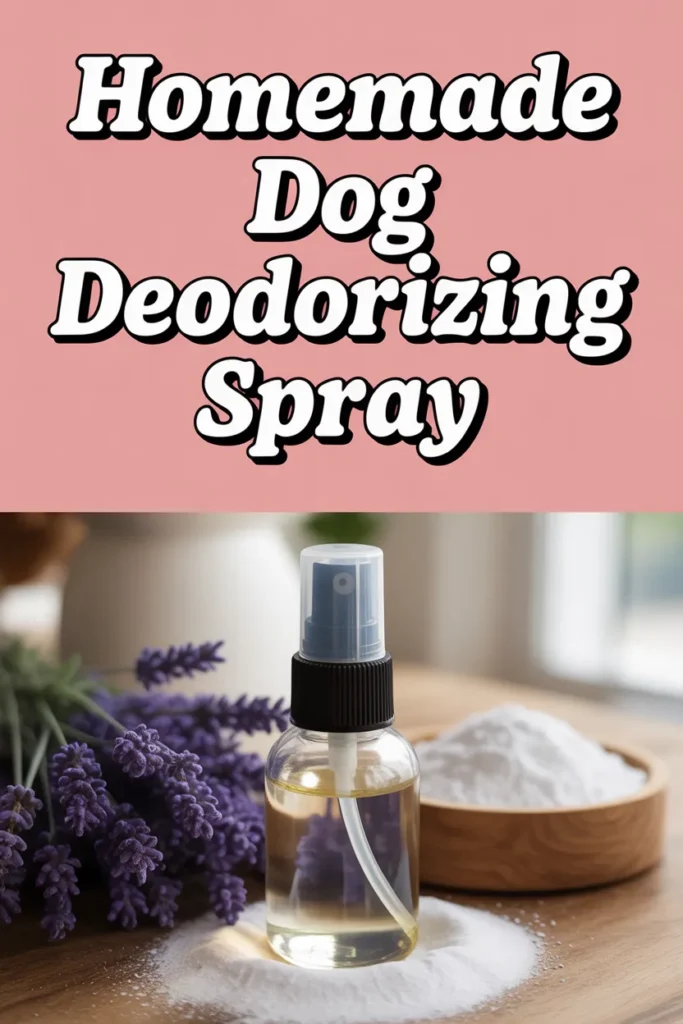
How to Make Homemade Dog Deodorizing Spray with Baking Soda & Lavender
Keeping your dog smelling fresh doesn’t have to mean expensive store-bought sprays or harsh chemicals. Dogs can pick up all sorts of odors from daily walks, playtime, and even cozying up on the couch.
Save for later
A simple, homemade deodorizing spray can help neutralize smells, soothe their coat, and leave a light, pleasant scent—all with ingredients you probably already have at home. It’s quick, safe, and effective, making cuddle time enjoyable again.
Why Make Your Own Dog Deodorizing Spray?
Store-bought sprays often contain synthetic fragrances and strong perfumes that aren’t ideal for dogs. Making your own spray lets you control the ingredients, keeping it simple, safe, and effective without unnecessary chemicals.
The Simple Ingredient Lineup
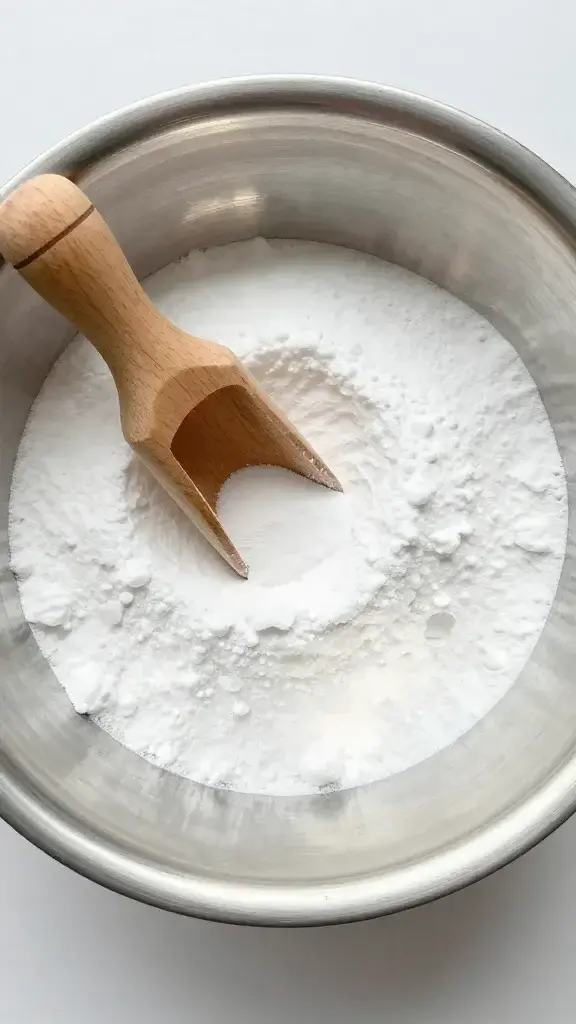
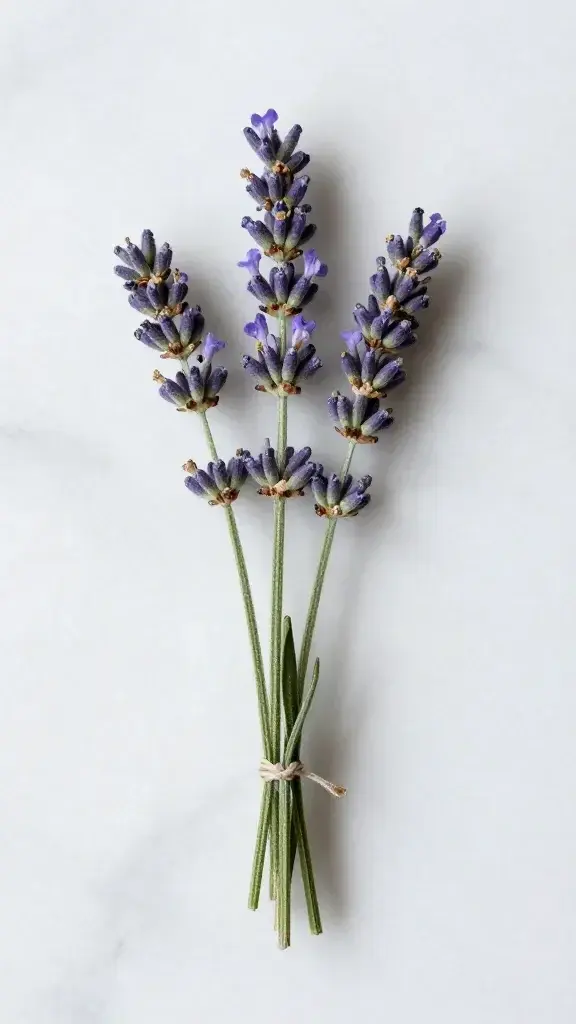
A few basic ingredients are enough for a freshening spray: baking soda neutralizes odors, distilled water keeps it clean, and a tiny amount of lavender essential oil adds a gentle scent. Optional ingredients like aloe, witch hazel, or vegetable glycerin can help disperse scent or condition fur, but essential oils must be used carefully.
Exact Recipe: Dog-Safe Deodorizing Spray
This recipe makes an 8-ounce spray. Mix baking soda with distilled water, add 2–3 drops of true lavender oil, and optionally include aloe or glycerin. Shake well and store away from sunlight, remembering to shake before each use as ingredients may settle.
How to Use It Without Annoying Your Dog
Always patch test on a small area first to check for irritation. Lightly mist the coat from the neck back, avoiding the face and sensitive areas. Use your hands to spread it evenly and let it air dry. Limit use to a few times per week or after minor odor incidents.
Baking Soda + Lavender: Why This Combo Works
Baking soda neutralizes odors instead of masking them, while lavender adds a subtle, pleasant scent. Only a small amount of essential oil is needed, as dogs have sensitive noses.
Safety Notes on Essential Oils
Use only true lavender oil (Lavandula angustifolia) and avoid blends or undiluted oils. Do not use on young puppies, pregnant dogs, or those with respiratory issues without vet approval. Monitor for excessive licking or irritation and adjust accordingly.
Troubleshooting: When the Spray Doesn’t Seem to Work
If odors persist, the dog may need a bath. Shake the spray before use to prevent separation. Dry or irritated skin can benefit from a little glycerin, and if the dog dislikes the spray sound, apply it by hand. Persistent odor may indicate ear, dental, or skin issues requiring a vet.
Make It Last: Storage, Shelf Life, and Hygiene
Homemade sprays last 2–3 weeks at room temperature, up to 4 in the fridge. Discard if the scent or color changes. Clean bottles between refills and label with ingredients and date for convenience.
Variations You Can Try (Carefully)
For dogs sensitive to lavender, try chamomile or rose hydrosols, skip scents entirely, or add a tiny amount of light oils for conditioning. Always start slowly to ensure tolerance.
Grooming Habits That Keep the Funk Away
Regular brushing, thorough drying, cleaning bedding, monitoring diet, and maintaining ear and dental hygiene all help keep dogs naturally fresh between baths.
FAQ
- Is lavender safe for dogs? Small amounts of true lavender are usually tolerated, but avoid the face, puppies, and pregnant dogs.
- Can I use this spray on cats? Skip essential oils for cats and test plain water with baking soda or pet-safe hydrosols.
- Will this replace baths? No, it’s a refresher, not a full cleaning substitute.
- What if my dog licks the spray? Minor contact is usually fine; rinse and reduce amount if licking continues.
- Can I add more lavender? No, dogs are sensitive; stronger scent can come from hydrosols or an additional light mist.
- Why use distilled water? It prevents mineral buildup and helps keep the spray fresh longer.
Conclusion
A few simple ingredients—baking soda, distilled water, and a touch of lavender—are enough for a safe, effective dog deodorizer. Keep it light, shake before use, and spritz between baths to keep your dog smelling fresh and your home smelling pleasant.
All content on this site is written and reviewed by our experienced team to ensure it is accurate, reliable, and helpful for our readers. Our Our Process page explains how we carefully research and create high-quality content, while our Team page introduces the professionals behind our work. We also provide clear guidelines for content or image concerns on our Image Removal page, so you can trust that we prioritize transparency, quality, and reader safety.