How To Train A Boxer Dog
Bringing a Boxer home means inviting nonstop movement, deep affection, and a dog that wants to be involved in absolutely everything you do. They are expressive, emotional, and incredibly attached to their people. Life with a Boxer is rarely quiet, but it’s never boring either.
Training a Boxer can feel overwhelming at first. Their excitement often looks like defiance, and their curiosity can easily overpower their focus. I’ve lived through that phase, wondering if my dog was listening at all. What becomes clear with time is that Boxers aren’t difficult because they’re incapable — they’re difficult because they feel everything at full volume. Once you learn how to work with that energy instead of against it, things start to click.
Boxers: The Clowns of the Dog World (But Don’t Let That Fool You)
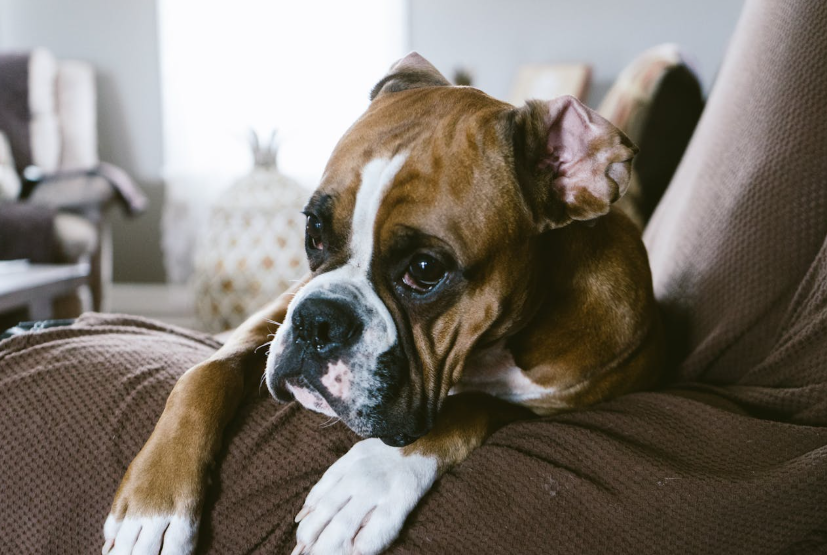
Boxers earned their reputation for being goofy for a reason. They bounce, wiggle, and make faces that feel almost human. Even as adults, they keep a puppy-like playfulness that can catch people off guard. It’s easy to assume they’re just silly dogs without much depth.
That assumption couldn’t be more wrong. Boxers are sharp, observant, and emotionally intelligent. They read body language quickly and pick up routines faster than many breeds. When training stalls, it’s rarely because they don’t understand. More often, they’re overstimulated, bored, or unsure of what’s being asked. Once attention and motivation are handled properly, their intelligence shows through clearly.
When I brought my Boxer home, I truly believed I was prepared for the energy. That confidence disappeared fast. The constant movement, the need for interaction, and the lack of an “off switch” were more intense than expected. What I learned is that Boxers don’t need less energy — they need direction. Training gives that energy purpose, and without it, frustration builds on both sides.
Setting the Ground Rules: Be the Boss, But Make It Fun
Boxers need structure to feel secure. They want to know where the boundaries are and who’s leading. That leadership doesn’t come from force; it comes from clarity and consistency. When rules change day to day, Boxers get confused and start testing limits.
Training must stay enjoyable. Once frustration creeps in, focus disappears. Boxers respond best when training feels like a shared activity rather than a correction session. They are eager to please, and positive reinforcement builds confidence instead of resistance.
Be firm, but fair
Harsh corrections don’t work well with this breed. Boxers are sensitive, and heavy-handed methods often shut them down. Clear expectations paired with rewards help lessons stick and strengthen trust at the same time.
Mix it up
Repetition without variation leads to boredom. Boxers lose interest quickly if sessions feel predictable. Changing locations, commands, or reward styles keeps them mentally engaged.
Short and sweet
Long sessions don’t work. Ten to fifteen minutes is more than enough. Ending training while your Boxer is still engaged leaves them wanting more instead of feeling overwhelmed.
The Basics: Sit, Stay, and (Hopefully) Come
Basic commands are essential for any dog, but with a Boxer, they play a major role in everyday safety. Their enthusiasm can override caution, so reliability matters more than perfection.
Teaching these commands requires patience, especially when distractions are involved. A Boxer’s curiosity can easily pull their attention away, and that’s where consistency becomes critical.
When I trained my Boxer, “sit” came easily. It was simple, quick, and rewarding. “Stay” required more patience, and “come” tested every ounce of consistency I had. Boxers love exploring, and recall doesn’t always feel like a priority to them unless it’s practiced regularly.
Sit
Using a treat to guide movement works well. Timing matters. The reward needs to happen the moment the behavior is correct so the connection is clear.
Stay
This command builds slowly. Small steps, short distances, and gradual progress matter more than rushing. Resetting calmly when it doesn’t work prevents frustration.
Come
This command needs enthusiasm. Boxers respond to excitement and praise. When coming to you feels like the best option, they’re far more likely to respond reliably.
Exercise: Burn Off That Energy!
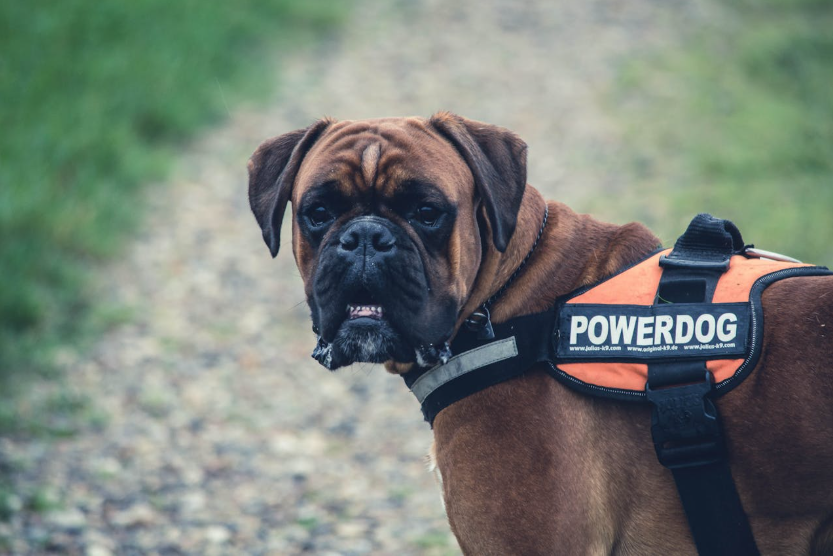
A tired Boxer is a well-behaved Boxer. These dogs have intense physical needs, and without enough activity, that energy finds its own outlet — usually in ways owners don’t appreciate.
I learned quickly that casual walks weren’t enough. Boxers need purposeful movement that challenges both their bodies and their minds.
Daily walks
Walks should include variety and pace. Adding brief runs or off-leash time makes a noticeable difference.
Playtime
Play isn’t optional. Fetch, tug, and free running help release pent-up energy and strengthen your bond.
Mental exercise
Physical activity alone isn’t enough. Puzzle toys, learning new commands, and problem-solving games keep their minds occupied and reduce destructive behavior.
Socialization: Start Early and Be Consistent

Boxers are naturally friendly, but proper socialization shapes how that friendliness shows up in real-world situations. Early exposure builds confidence and prevents anxiety later in life.
I made socialization a priority early on, and it showed. New people, unfamiliar dogs, and different environments became less overwhelming over time.
Puppy classes
Structured classes provide controlled exposure while reinforcing basic obedience.
Dog parks
Once vaccinations are complete, group play helps Boxers learn appropriate social behavior.
New environments
Regularly visiting new places builds adaptability and confidence.
Patience and Persistence: Stick With It
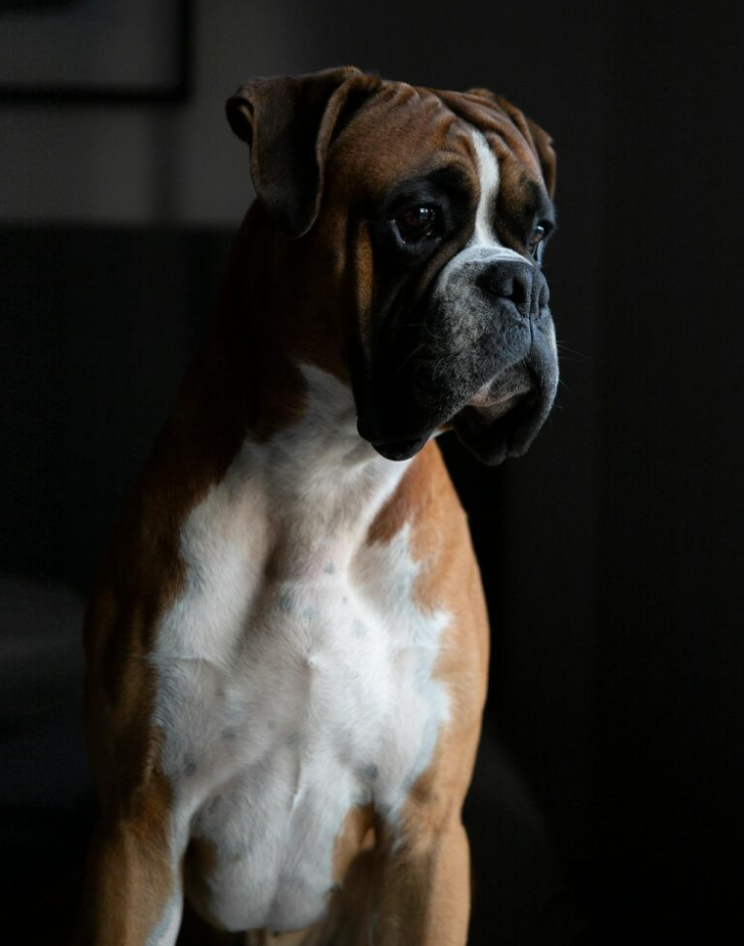
Training a Boxer takes time. Progress isn’t always visible day to day, and setbacks are normal. Consistency matters more than speed.
There were moments of frustration during training, but staying consistent made a difference. Over time, listening improved, behavior stabilized, and the bond grew stronger.
Stay positive
Your Boxer reacts to your mood. Calm, upbeat sessions lead to better results.
Be consistent
Rules only work when they’re enforced every time.
Celebrate the wins
Small successes add up. Acknowledging progress keeps both you and your dog motivated.
Final Thoughts of How To Train A Boxer Dog
Training a Boxer is a long-term commitment, but it’s one that pays off. These dogs are loyal, loving, and deeply connected to their families. The effort you invest in training builds trust, communication, and a relationship that goes far beyond commands.
Enjoy the process, laugh through the chaos, and remember that training isn’t just about behavior — it’s about growing together.
Good luck, and happy training. 🐾