
How to Train Your Weimaraner: 5 Essential Tips for Success
Weimaraners are the kind of dogs that naturally draw eyes wherever they go. Their smooth silver coats, athletic build, and intense expressions give them a presence that’s hard to ignore. Many people are first attracted to them because of how elegant they look, but living with one quickly teaches you that there’s far more going on beneath that polished exterior.
These dogs are incredibly energetic, highly intelligent, and emotionally sensitive. They are not the type of breed that thrives on minimal effort or casual training. If you’ve chosen a Weimaraner, you’ve chosen an active lifestyle, daily mental engagement, and a dog that wants to be deeply involved in your life. Training them is not about control—it’s about partnership.
Having worked closely with many Weimaraners over the years, I’ve seen firsthand how powerful the right training approach can be. When their needs are understood and met, they grow into loyal, focused, and incredibly well-mannered companions.
1. Start Early with Socialization
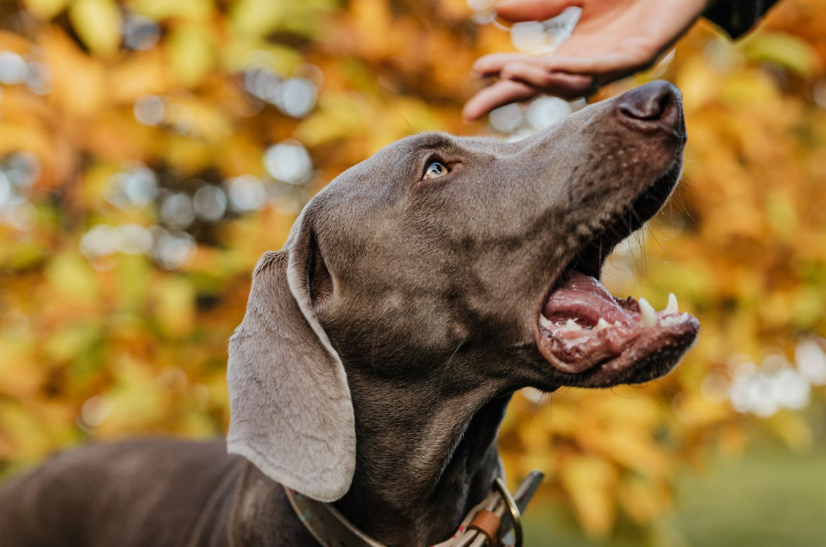
Weimaraners are naturally alert and protective, which is part of what makes them such devoted companions. However, without proper exposure early in life, that protectiveness can turn into nervousness or overreactive behavior. This is why socialization from a young age is not optional—it’s foundational.
From the day your Weimaraner comes home, every interaction matters. Meeting different people, seeing new places, hearing unfamiliar sounds, and spending time around other animals all help shape how your dog understands the world. When puppies experience variety early on, they grow into adults who feel confident instead of overwhelmed.
I’ve noticed a clear difference between Weimaraners that were socialized early and those that weren’t. Dogs that had positive exposure as puppies tend to remain calm in new situations, while others may struggle with anxiety or defensive behavior. Taking the time early saves you years of frustration later.
Regular outings, friendly introductions, and gentle encouragement go a long way. The more experiences your Weimaraner has early on, the better equipped they’ll be to handle life with confidence.
2. Establish a Routine: Consistency Is Key
Weimaraners are incredibly smart, and with that intelligence comes a strong awareness of patterns. They quickly learn what happens next, and they rely on that predictability to feel secure. A consistent routine helps them relax because they understand what’s expected.
Feeding times, walks, training sessions, and rest periods should happen around the same time each day whenever possible. When your dog knows what’s coming, they’re more focused and responsive during training.
Inconsistent commands or changing expectations can slow progress dramatically. If one day you allow a behavior and the next day you don’t, your Weimaraner won’t understand which rule applies. Clear, repeated signals help them connect the dots faster.
When routines are stable, training feels smoother, and your dog becomes more cooperative because the world makes sense to them.
3. Channel Their Energy with Plenty of Exercise
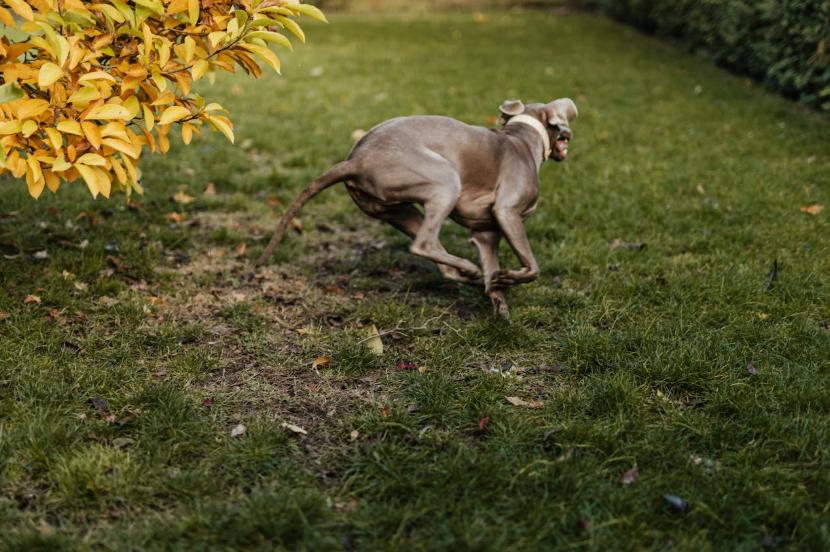
Weimaraners were bred to work, and that heritage shows in their energy levels. A tired Weimaraner is a well-behaved Weimaraner, but getting them tired takes real effort. Short walks simply don’t cut it for this breed.
Without enough physical and mental stimulation, boredom sets in quickly. That boredom often turns into behaviors owners find frustrating—chewing, digging, pacing, or nonstop barking. These aren’t bad dogs; they’re under-stimulated dogs.
They need activities that challenge both body and mind. Long walks, running, hiking, structured play, and problem-solving activities all help burn off excess energy. When their needs are met, their behavior improves dramatically.
If exercise is skipped or rushed, they will find their own outlet—and it’s usually not one you’ll appreciate.
4. Use Positive Reinforcement: Reward Good Behavior
Weimaraners want to please, but they shut down quickly under harsh correction. Training works best when it feels rewarding rather than stressful. Positive reinforcement helps them understand what they’re doing right instead of focusing on mistakes.
Rewarding good behavior with treats, praise, or affection reinforces learning and builds trust. When your dog feels safe and appreciated, they’re far more willing to listen and try.
Consistency matters here just as much as kindness. When a behavior is rewarded every time at the beginning, your dog learns faster. Over time, rewards can be reduced, but early clarity is essential.
Positive reinforcement isn’t about spoiling your dog—it’s about creating a training environment where learning feels encouraging and clear.
5. Patience and Persistence: The Long Game

Training a Weimaraner requires a long-term mindset. They’re intelligent, but they also test boundaries. Progress doesn’t always happen in a straight line, and setbacks are normal.
Some days will feel easy, and others will feel frustrating. What matters is staying calm and continuing forward. Dogs pick up on our emotions, and frustration can slow learning just as much as inconsistency.
Short, focused sessions work better than long, exhausting ones. Ending training on a positive note helps your dog associate learning with success instead of stress.
With time, consistency, and patience, real transformation happens. I’ve watched stubborn, distracted Weimaraners grow into attentive, reliable companions simply because their owners stayed committed.
Final Thoughts of How to Train Your Weimaraner
Training a Weimaraner isn’t something you rush through—it’s something you grow into together. These dogs are intelligent, energetic, and deeply loyal when their needs are understood.
Early socialization, structured routines, proper exercise, positive reinforcement, and patience all work together to shape a balanced dog. No two Weimaraners are exactly alike, so adapting your approach to your dog’s personality makes all the difference.
If you stay consistent and engaged, the effort pays off. What you gain is not just a trained dog, but a strong bond with a companion who’s eager to share every part of life with you.