How to Travel with a Dog in the Car
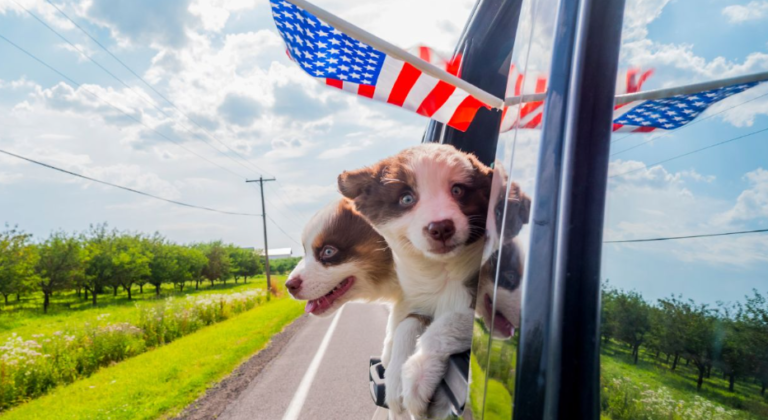
Before you even start the car, it’s important to help your dog get used to traveling. Some dogs get excited, while others feel nervous when they sense a car ride coming. If your dog isn’t used to long trips, start small. Take them on short drives around your neighborhood so they can feel the motion of the car, get familiar with the sounds, and build confidence being inside. You’ll notice that after a few short trips, many dogs start to relax instead of pacing or whining.
A secure and comfortable crate or seatbelt harness is essential. If you choose a crate, make sure it is well-ventilated and large enough for your dog to stand up, turn around, and lie down comfortably. For a harness, double-check that it fits snugly and attaches securely to your seatbelt system. Your dog’s safety is just as important as yours while driving, and a proper restraint can prevent injuries in sudden stops or accidents.
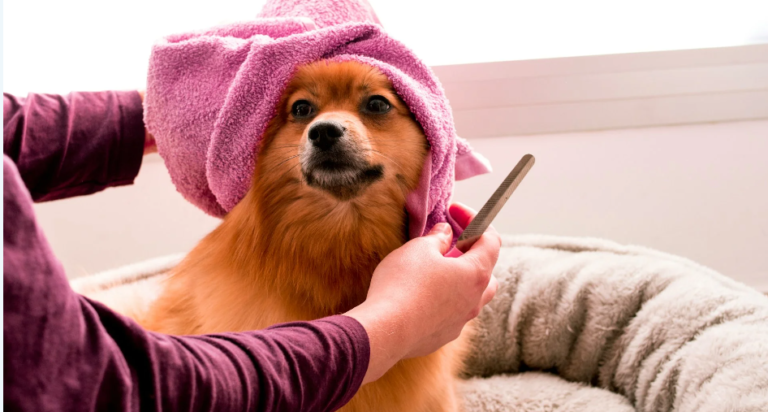
Packing a travel bag specifically for your dog is another step you don’t want to skip. Include food, water, a portable bowl, poop bags, any medications your dog may need, grooming items, and a few of their favorite toys. A familiar blanket or toy can make them feel at home even while on the road. These small comforts can reduce anxiety and make the journey more enjoyable for your furry companion.
Keep Your Dog Comfortable During the Ride
Creating a cozy and secure environment inside the car is key. If your dog is in a crate, line it with a soft blanket or pad to give them something familiar to snuggle against. If you’re using a harness, make sure they have enough space to sit, lie down, or shift comfortably during the drive.
Good ventilation is crucial. Dogs are sensitive to heat, and cars can warm up quickly, even on mild days. Keep the air conditioning on, or slightly open the windows to allow airflow. Never leave your dog unattended in a parked car, even for a few minutes, because temperatures can rise dangerously fast.
Frequent breaks make a huge difference. Stop every two to three hours to let your dog stretch their legs, drink water, and relieve themselves. Short walks or a few minutes of play at a rest stop not only help physically, but also give your dog mental stimulation, keeping them happy and engaged instead of restless or anxious during long rides.
Manage Motion Sickness and Anxiety
Some dogs experience motion sickness just like people do. If your dog has a tendency to get carsick, check with your veterinarian for advice. They might suggest medications or natural remedies to make your pup feel better. One simple step you can take is to avoid feeding a heavy meal right before the trip. Smaller meals a few hours before hitting the road can help prevent nausea and discomfort.
Anxiety is another common challenge for traveling dogs. Calming aids like specialized treats, anxiety vests, or pheromone sprays can help reduce stress. Try any new method on a short trip before the big journey to make sure your dog responds well.
Your own mood has a huge impact. Dogs are incredibly intuitive and pick up on your energy. Staying calm, speaking in a gentle voice, and maintaining a relaxed attitude will reassure your dog and help them feel safe. A nervous or tense driver can make your dog anxious, but a calm, upbeat approach can make a huge difference in their comfort.
Safety First: Driving with Your Dog
Never let your dog ride in the front seat. Airbags can be dangerous for pets, and a dog roaming around can distract you while driving. The safest place for them is the back seat, secured in a crate or with a seatbelt harness.
Avoid allowing your dog to move freely inside the car. An unrestrained dog can be a serious distraction and increases the risk of accidents. Proper restraint is not just about obeying the rules—it can prevent injuries if you need to brake suddenly or if a minor collision occurs.
Always be mindful of safety during emergencies. A well-secured crate or harness acts as a protective barrier, reducing the risk of injury and giving you peace of mind while driving. Safety is the foundation of an enjoyable trip, and securing your dog properly is a non-negotiable part of that.
Handling the Arrival
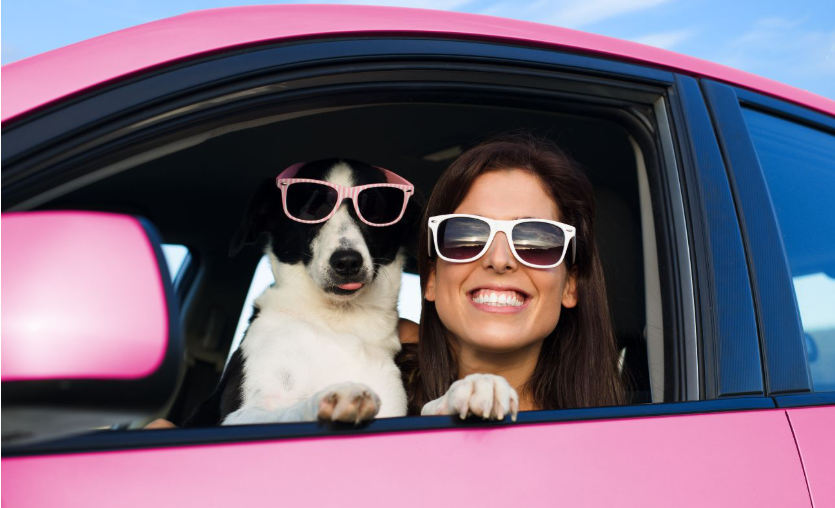
When you reach your destination, don’t rush your dog. Give them a few minutes to explore and acclimate to their new surroundings at their own pace. If you’re staying in a pet-friendly hotel or rental, show them where their bed and toys are. Familiar items can help them settle in quickly and feel more comfortable in an unfamiliar space.
Maintaining your dog’s regular routine as much as possible is helpful. Stick to their usual feeding times, walks, and play sessions. Predictability helps reduce stress and allows them to adapt more smoothly.
Also, take a careful look around for any potential hazards. Check for toxic plants, small objects they might swallow, or other dangers that could pose a risk in a new environment. A little preparation ensures your dog stays safe while you enjoy your time away from home.
FAQ
How can I prevent my dog from barking excessively in the car?
A tired dog is usually a quieter dog. Give your dog a good walk or play session before the trip to burn off excess energy. Providing toys or a comfortable space inside the car can also keep them occupied and reduce barking.
What if my dog doesn’t like the crate?
Introduce the crate gradually and make it a positive place with blankets and toys. If your dog continues to resist, a seatbelt harness can be a good alternative that still keeps them safe while giving them a more open experience.
How can I keep my dog cool during hot weather?
Use air conditioning or slightly open windows to maintain airflow. You can also provide a cooling mat or a damp towel to help regulate your dog’s body temperature during the ride.
Final Thoughts of How to Travel with a Dog in the Car
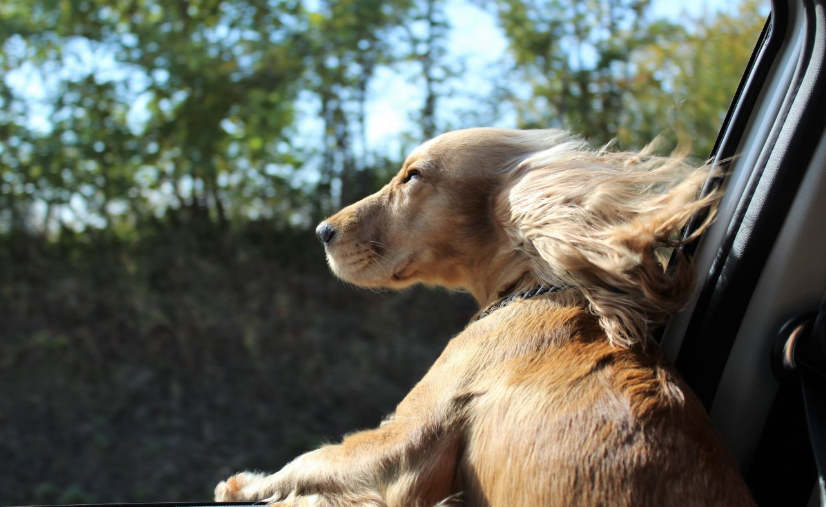
Traveling with your dog can be an incredibly rewarding experience. With proper preparation, attention to comfort, and a focus on safety, what could be a stressful car ride can become a memorable adventure full of wagging tails and happy moments.
Planning ahead, packing thoughtfully, and keeping a calm, relaxed attitude will make the journey enjoyable for both you and your dog. Once you hit the road with your furry friend, you’ll see that the right preparation turns every trip into a smooth and exciting experience, ready for new adventures at your destination.