How to Travel with a Dog in the Car
Traveling with your dog can turn an ordinary road trip into a memorable adventure. When your dog feels relaxed and secure, the drive becomes more enjoyable for everyone. But without preparation, long rides can lead to restlessness, anxiety, or discomfort. The key is understanding your dog’s needs before, during, and after the journey so everything feels smooth from start to finish. With the right approach, you can focus less on stress and more on enjoying the experience together.
Prep Your Pup for the Journey
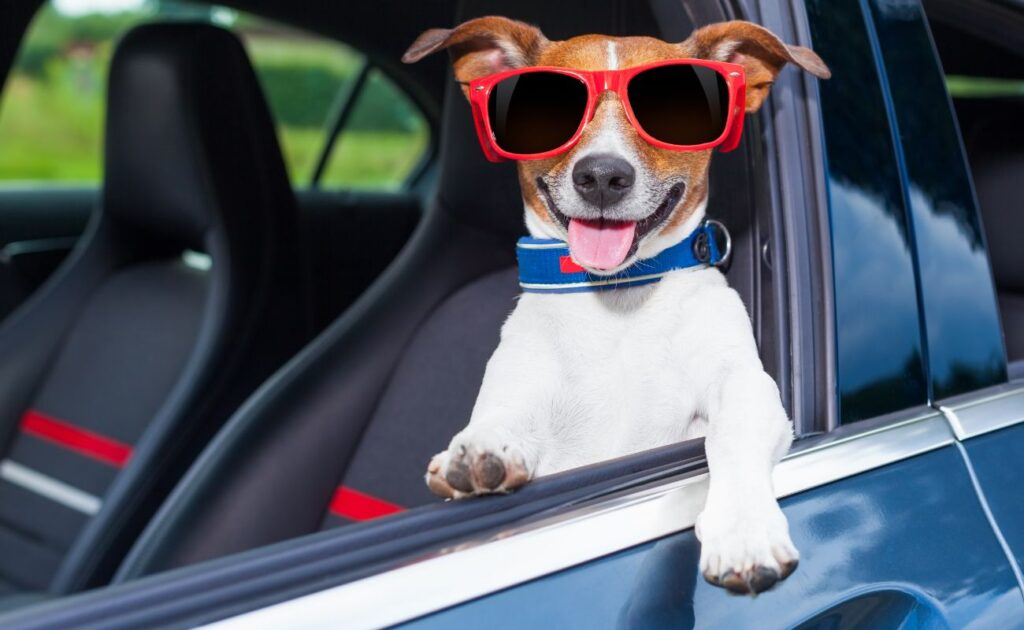
Help Your Dog Adjust to Car Travel
If your dog is not used to riding in a car, start slowly. Short practice drives help them get familiar with the movement, sounds, and environment. These early experiences teach your dog that being in the car is safe and normal. Over time, they become less nervous and more relaxed, which makes longer trips easier for both of you.
Check Safety Equipment Before You Leave
Your dog’s safety setup should always be secure and comfortable. Whether you use a crate or a seatbelt harness, make sure everything fits correctly and is in good condition. A crate should allow your dog enough space to stand, turn around, and lie down without feeling cramped. A harness should connect firmly to the seatbelt and prevent sudden movement if you need to brake quickly.
Pack a Dog Travel Bag
Having everything ready before leaving saves you from unnecessary stress during the drive. Pack essentials your dog may need so you don’t have to search for things on the road.
Travel essentials to pack:
- Food and treats
- Fresh water and portable bowls
- Poop bags
- Medications if needed
- Grooming wipes or brush
- Favorite toy or blanket
Familiar items help your dog feel safe, especially when they are away from home.
Keep Your Dog Comfortable During the Ride
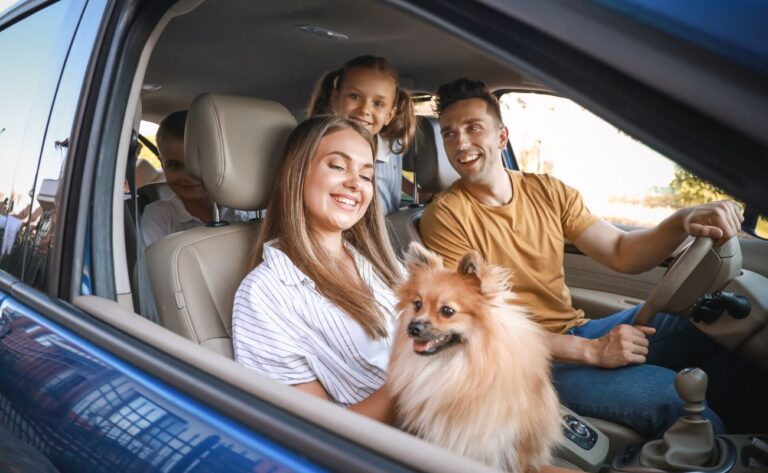
Create a Cozy Space
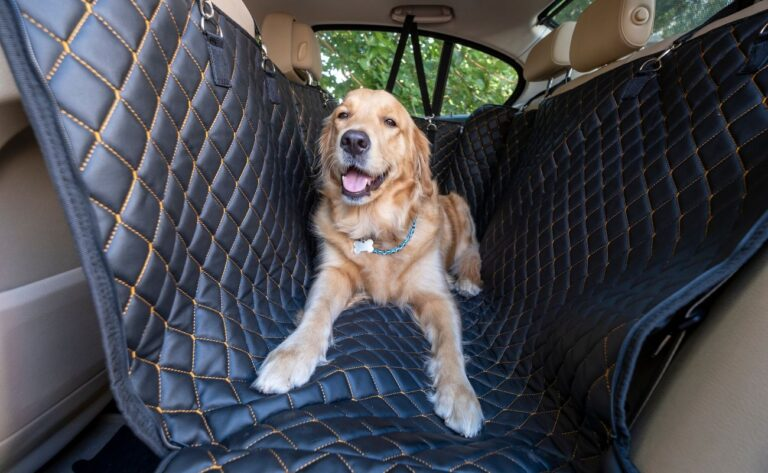
Your dog should have a stable and comfortable spot in the car. If using a crate, place soft bedding inside so they can relax or nap. If your dog uses a harness, make sure they have enough room to shift positions naturally. Dogs that feel physically comfortable are less likely to become restless or anxious during long drives.
Maintain Proper Airflow
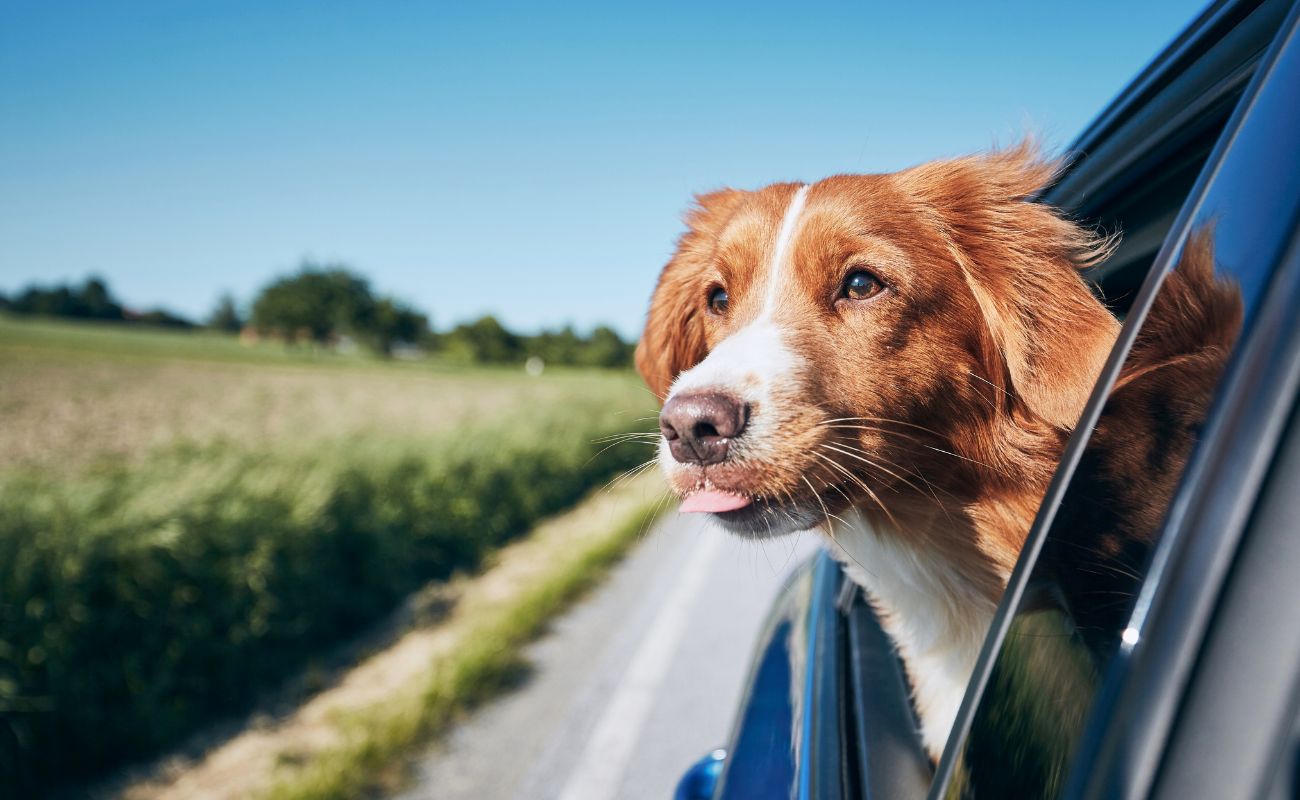
Cars can heat up quickly, even when the weather doesn’t feel too warm. Keep the temperature comfortable by using air conditioning or allowing fresh air to circulate. Watch for signs like heavy panting or restlessness, which can indicate your dog is getting too hot. A cool and well-ventilated space helps your dog stay calm and relaxed.
Take Regular Breaks
Frequent stops are important for your dog’s physical and mental comfort. Long periods without movement can make dogs stiff or bored. Plan to stop every couple of hours so your dog can walk around, drink water, and relieve themselves. These breaks help reset their energy and make the rest of the ride more peaceful.
During breaks, let your dog:
- Stretch their legs
- Hydrate properly
- Use the bathroom
- Sniff and explore safely
Even a short break can improve your dog’s mood significantly.
Manage Motion Sickness and Anxiety
Reduce Motion Sickness
Some dogs experience nausea while traveling. If your dog shows signs like drooling, whining, or restlessness, adjusting feeding times may help. Avoid giving large meals right before leaving. If motion sickness is a recurring issue, getting advice from a veterinarian before traveling can make the journey much more comfortable.
Help Nervous Dogs Feel Safe
Anxiety is common during car rides, especially if your dog isn’t used to traveling long distances. Familiar scents, soft bedding, or calming aids can help reduce stress. It’s helpful to test calming methods before your trip so you know what works best for your dog. Consistency and patience make a big difference.
Stay Calm and Reassuring
Dogs naturally pick up on your emotions. If you remain calm and positive, your dog is more likely to relax as well. Speak softly, avoid sudden reactions, and keep the environment peaceful. Your energy sets the tone for the entire ride.
Safety First: Driving With Your Dog
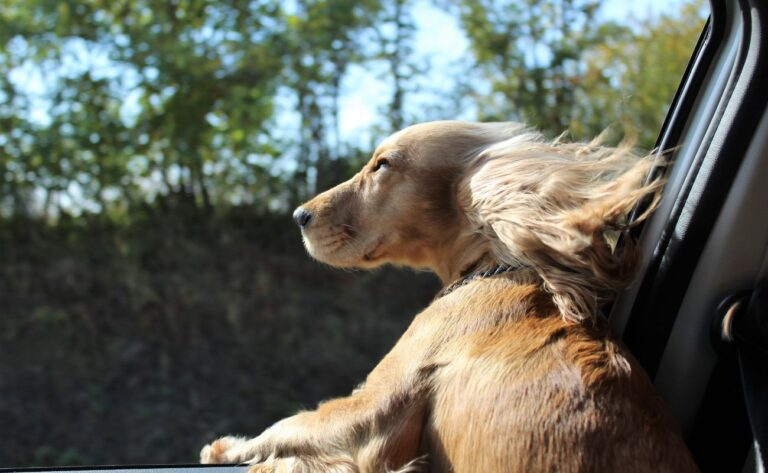
Keep Your Dog in the Back Seat
The safest place for your dog is the back seat. The front seat can be dangerous due to airbags and distractions. Keeping your dog secured behind you reduces risks and helps you focus fully on driving.
Prevent Distractions
Allowing your dog to move freely inside the vehicle can quickly become dangerous. A dog climbing around the car or jumping toward the driver increases accident risk. Proper restraints keep your dog safe and make driving more controlled and relaxed.
Prepare for Emergencies
Sudden stops or accidents can happen without warning. A secured crate or harness helps protect your dog from injury during unexpected situations. Taking a few precautions before the trip gives you peace of mind throughout the journey.
Handling the Arrival
Let Your Dog Adjust Slowly
Arriving at a new destination can be overwhelming for your dog. Give them time to explore and observe their new surroundings at their own pace. Letting them sniff and move around calmly helps them feel secure faster.
Stick to Familiar Routines
Dogs thrive on routine. Try to maintain regular feeding times, walks, and rest periods even while traveling. Keeping familiar patterns helps your dog settle in and reduces anxiety in unfamiliar places.
Check for Potential Hazards
Before letting your dog roam freely, do a quick safety check. Look for anything that could cause harm, such as small objects, unsafe spaces, or plants that may be dangerous. Being cautious in new environments protects your dog from accidental injuries.
FAQ
How can I prevent my dog from barking excessively in the car?
Make sure your dog has enough physical activity before the trip. A walk or play session helps release extra energy. Providing comfort items and keeping them secure in a calm environment also reduces barking.
What if my dog doesn’t like the crate?
Introduce the crate gradually before the trip and make it feel positive by adding familiar bedding or toys. If your dog still refuses it, a seatbelt harness can be a safe and comfortable alternative.
How can I keep my dog cool during hot weather?
Keep air circulating inside the car with air conditioning or slightly open windows. Cooling mats or damp towels can also help regulate body temperature during warm travel days.
Final Thoughts
Traveling with your dog in the car becomes easier when you focus on preparation, comfort, and safety from the start. Every dog is different, and learning what helps your own dog feel relaxed will make each trip better than the last. When you plan well, stay patient, and create a calm environment, the journey becomes just as enjoyable as the destination. Road trips with your dog are not just about getting somewhere—they are about sharing experiences, building trust, and creating memories together along the way.