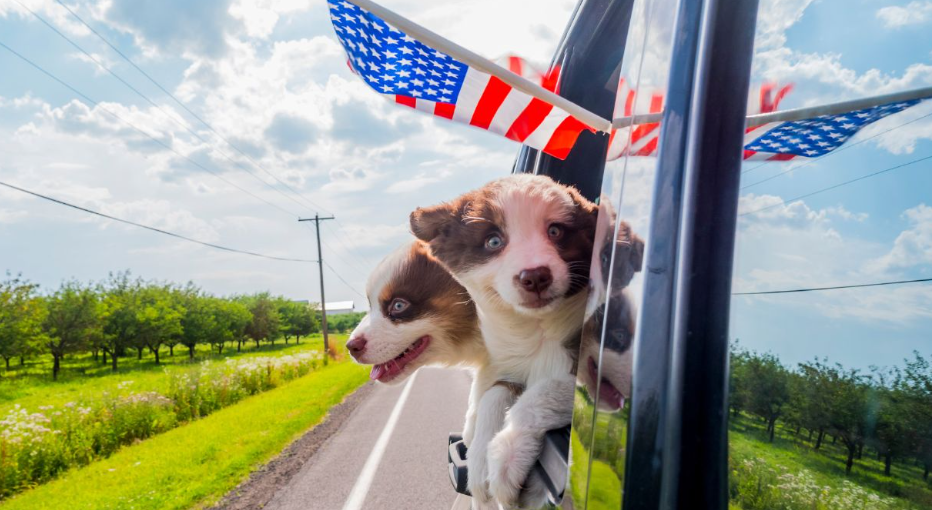
How to Travel with a Small Puppy
Taking your new puppy on a car ride can feel exciting, but it’s important to start slow and let them get used to the experience gradually. Begin with short trips around your neighborhood so your puppy can feel the movement of the car without being overwhelmed. This helps them understand that the car is a safe space and not something to be nervous about. You’ll notice that even a five-minute drive can feel like a big adventure for a small puppy, and these short outings build confidence over time.
A good travel crate is a must-have. Think of it as a little mobile apartment for your puppy. It should be cozy, well-ventilated, and inviting. Adding a soft blanket or a favorite toy can make a huge difference. When your puppy has their own safe space, they feel protected, relaxed, and much more willing to enjoy the ride. You’ll see that even puppies who are usually anxious will start to settle once they have a familiar spot that smells like home.
Packing Like a Pro
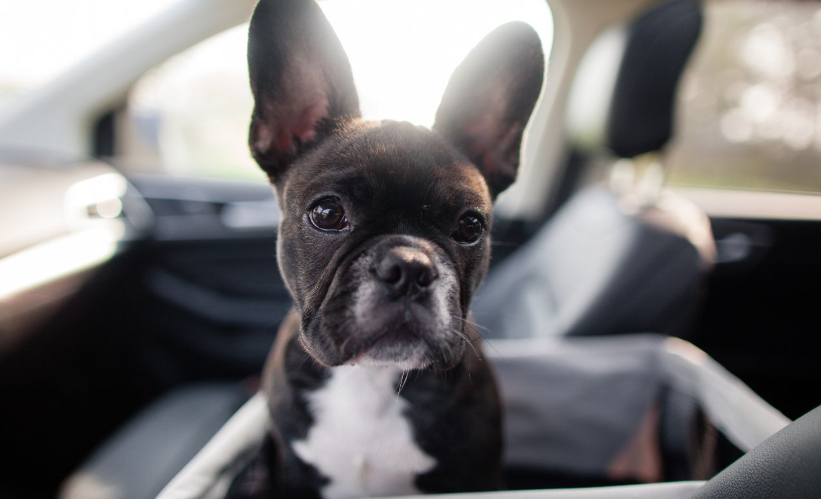
Packing for your puppy isn’t just about food and water—it’s about making sure they feel comfortable, safe, and entertained during the trip. You’ll want to bring their favorite foods, enough water to keep them hydrated, a portable bowl, and any medications they might need. Don’t forget poop bags for those quick stops, and always include a blanket or a toy that carries familiar smells.
Having these essentials ready means you’re prepared for anything, whether it’s a short drive to the park or a longer road trip. Puppies rely on us to make the journey smooth, and being prepared gives them the confidence to enjoy it just as much as you do.
Making the Journey Comfortable
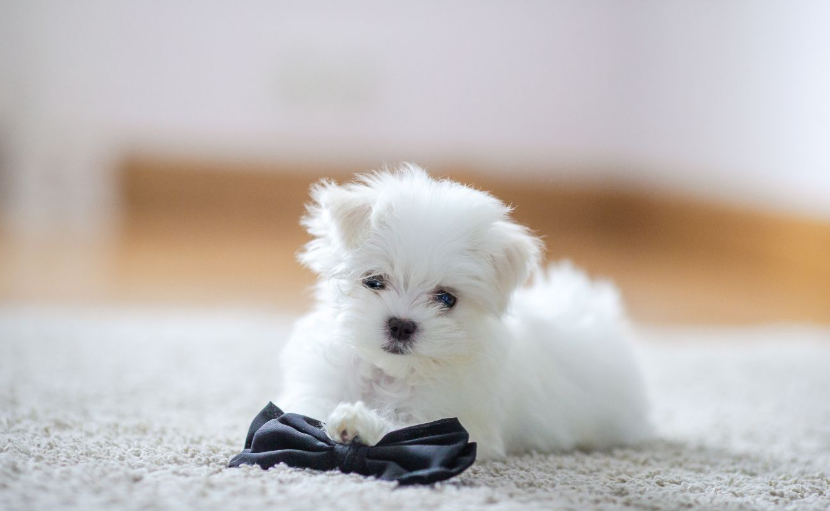
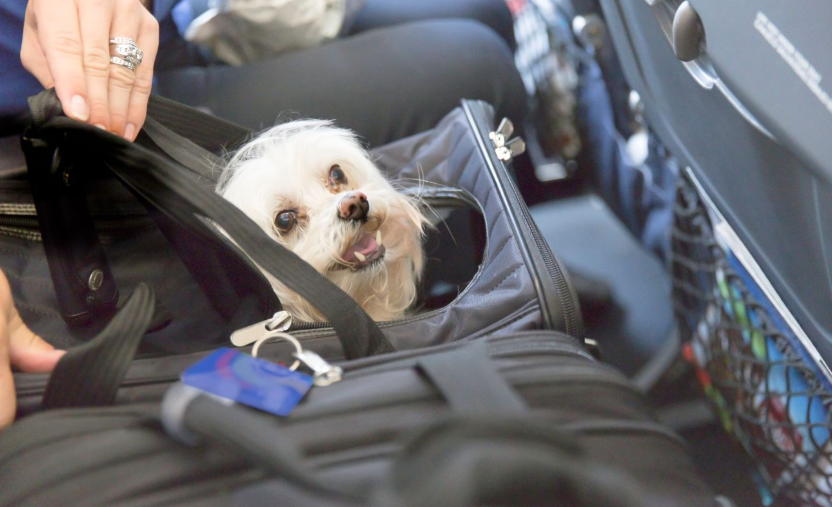
Once you’re on the road, creating a cozy environment for your puppy is key. Secure their crate or a pet seat cover in the back seat to keep them safe and prevent distractions while you drive. A comfortable, confined space can make a world of difference, helping them relax instead of pacing or whining.
Ventilation is another crucial factor. Puppies can overheat quickly, so make sure your car has good airflow—whether that’s air conditioning or slightly cracked windows. Pay attention to your puppy’s reactions. If they seem restless or panting, it’s a signal that they need a cooler, calmer environment.
Stopping every one to two hours is also essential. Use these breaks to let your puppy stretch their legs, drink water, and take care of bathroom needs. You’ll find that these pauses reduce anxiety and prevent boredom. Even a short walk around a rest stop can help them burn off energy and keep the journey enjoyable.
Addressing Common Concerns
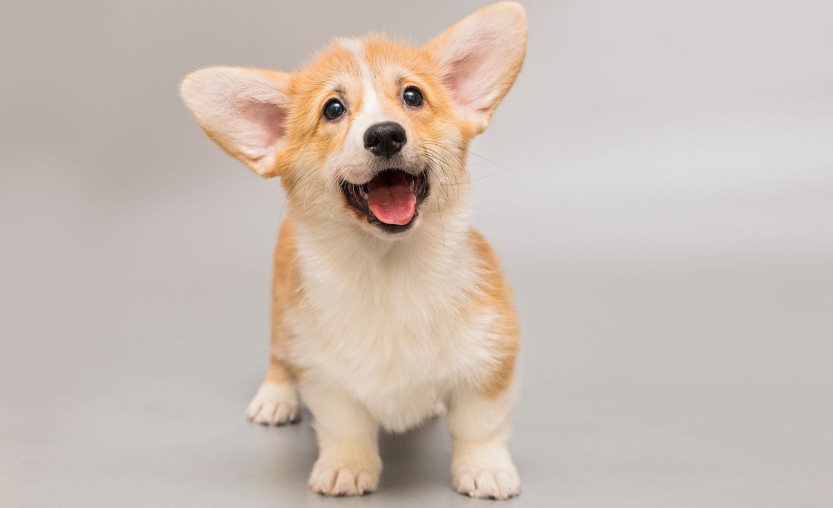
Some puppies experience motion sickness, which can make trips stressful for both of you. Feeding them only a small amount before travel and making sure they stay hydrated can prevent upset tummies. If motion sickness is persistent, your vet can offer solutions tailored to your puppy’s needs.
For puppies who are naturally anxious, calming aids like specially formulated treats or anxiety vests can be lifesavers. Test these out before you hit the road to find what works best. And don’t underestimate your own calm energy. Puppies are highly perceptive—they pick up on your mood, so staying relaxed and confident helps them feel the same way.
Keeping Safety in Mind
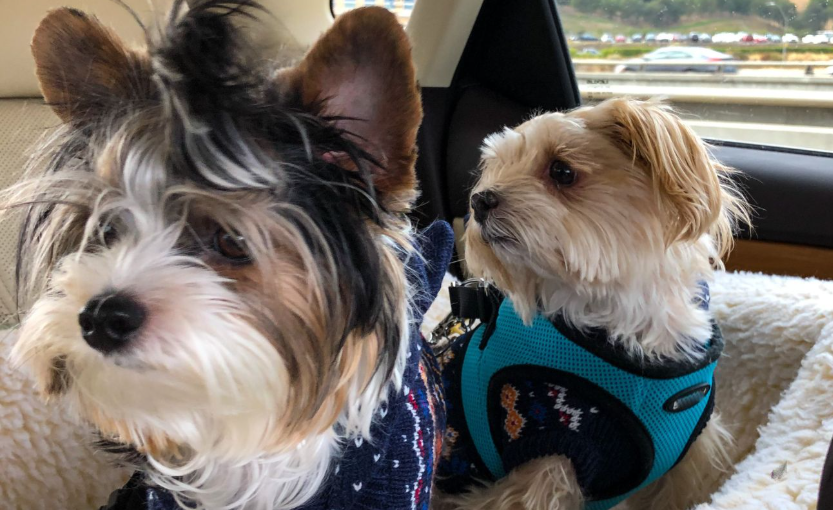
Safety is non-negotiable when traveling with a puppy. Never let them roam freely in the car. A loose puppy can distract you and create dangerous situations. A secure crate or harness keeps them safe and lets you focus on driving.
It’s also critical to never leave your puppy alone in the car, even with the windows slightly open. Temperatures can climb quickly, putting them at serious risk. Always bring your puppy with you, and keep a first aid kit handy. Knowing the location of nearby veterinarians along your route is another way to ensure you’re prepared for emergencies. Being proactive helps you handle unexpected situations calmly and confidently.
Arrival and Settling In
When you reach your destination, give your puppy time to acclimate. Let them explore the new space at their own pace. Show them where their bed, toys, and familiar items are so they start to feel secure. Even small gestures, like putting their favorite blanket in the corner, can make the environment instantly comforting.
Maintaining their regular routine is key. Stick to usual feeding times, play sessions, and potty breaks to help them feel stable. Puppies thrive on predictability, and keeping some normalcy in an unfamiliar space eases their stress. Take a few moments to scan the area for potential hazards like small objects, loose cords, or toxic plants. Protecting them from danger ensures they can enjoy their surroundings safely.
FAQ
Q: How can I keep my puppy calm during the trip?
A: Creating a comfortable space in the car, using calming aids like treats or anxiety vests, and staying relaxed yourself will help your puppy feel safe. Regular breaks for stretching and bathroom needs also make a big difference.
Q: What should I do if my puppy gets car sick?
A: Offer small meals before traveling, ensure plenty of fresh water, and keep the car well-ventilated. If motion sickness continues, consult your vet for advice tailored to your puppy.
Q: How can I make sure my puppy stays cool in the car?
A: Keep the car air-conditioned or windows slightly open, provide airflow, and consider a cooling mat or damp towel to help regulate their temperature.
Final Thoughts of How to Travel with a Small Puppy
Traveling with a puppy is an experience full of new smells, sights, and excitement. It’s also an opportunity to bond and teach them how to enjoy adventures safely. With careful preparation, attention to comfort, and a focus on safety, your puppy can thrive on the road just as much as you do. Pack their favorite things, plan your breaks, and approach every trip with calm confidence—you’ll create memories together that will last a lifetime.