Is Your Cavalier Overweight? Follow These Steps to Find Out
I’ve noticed that many Cavalier owners underestimate how quickly weight gain can affect their dog’s health. Studies show that nearly 60% of dogs in the U.S. are overweight, and Cavaliers are no exception. Even a few extra pounds can put stress on their heart and joints.
From my experience, weight issues often start early. A chubby puppy may look adorable, but it usually leads to obesity in adulthood if not managed properly. I always tell owners that prevention is much easier than fixing the problem later.
Save For Later
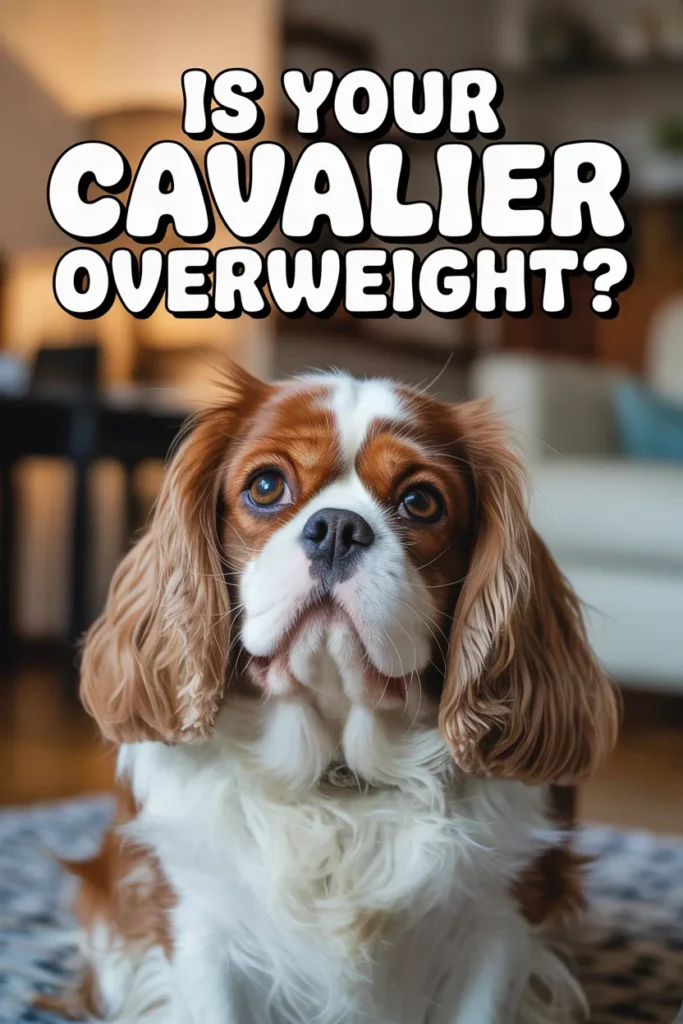
In this guide, I’ll walk you through how I personally check weight, identify body condition, and manage a healthy routine for Cavaliers.
Key Takeaways
- I always aim to keep my Cavalier within 13–20 lbs, depending on build
- I check weight regularly using a simple home method
- I rely on body shape, not just numbers, to judge health
- Early weight gain often leads to long-term obesity
- Diet control + daily exercise is the most effective solution
- Treats and portion sizes are the biggest hidden problem
How to Weigh Your Cavalier at Home
I prefer using a simple method at home instead of guessing. First, I weigh myself alone. Then, I step back on the scale while holding my dog. The difference gives me my Cavalier’s exact weight.
I do this at least once every couple of weeks. Small changes are easier to fix early than later. Even a 1–2 lb increase can be significant for a small breed like Cavaliers.
From what I’ve seen, consistency matters more than perfection here.
Ideal Weight for Cavalier King Charles Spaniels
Most adult Cavaliers fall between 13 to 20 lbs, but I don’t rely on numbers alone. Every dog has a different bone structure and activity level.
I’ve seen active Cavaliers stay lean at slightly higher weights, while less active ones gain fat quickly at the same number. That’s why I always combine weight with physical appearance.
In my routine, I treat the scale as a guide, not the final decision.
How to Tell If Your Cavalier is a Healthy Weight
Instead of focusing only on weight, I always check my dog’s body shape from above. This gives me a clearer picture of overall health.
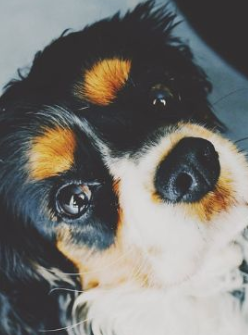
Thin
When I can clearly see ribs or feel them too easily, I know my dog is underweight. A sharp, very defined waist is another sign I watch for.
In my experience, this usually means the dog isn’t getting enough nutrition or calories.
Ideal Weight
This is what I aim for. I shouldn’t see the ribs, but I should be able to feel them under a light fat layer. The waist should still be visible.
When I look from above, I expect a slight hourglass shape. That’s usually the best indicator that things are on track.
Overweight
If I struggle to feel the ribs or notice the waist disappearing, I know weight gain has started. This stage is very common and often ignored.
From what I’ve seen, this is the best time to act before it becomes a bigger problem.
Obese
When I can’t feel ribs at all and the belly looks round or stretched, it’s a serious concern. At this stage, health risks increase significantly.
Research shows overweight dogs are more likely to face joint issues, heart problems, and shorter lifespans, and I’ve personally seen how quickly mobility declines.
Avoiding an Overweight Cavalier
Weight Loss Dog Food for Overweight Cavaliers
I always believe prevention is easier than weight loss. As soon as I notice my dog looking slightly heavier, I adjust things immediately.
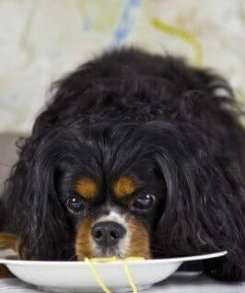
I start by reviewing food portions. Most feeding guidelines on dog food labels are very general. They don’t consider activity level, age, or treats.
What I Actually Do
- I increase daily walks — even an extra 15–20 minutes helps
- I reduce treats or switch to low-calorie options
- I measure food instead of guessing portions
- I choose food formulas designed for weight control
- I monitor weekly progress instead of waiting months
Pro Tip: One thing I’ve learned: treats are the biggest hidden calories. Many owners don’t realize that treats can make up 20–30% of daily calorie intake.
When to See a Vet
If I’ve adjusted diet and exercise but my Cavalier still gains weight, I don’t ignore it. Sometimes underlying health issues like metabolism or hormonal problems can be involved.
In those cases, I always consult a vet for proper diagnosis and diet planning. It’s better to act early than risk long-term health complications.
All content on this site is written and reviewed by our experienced team to ensure it is accurate, reliable, and helpful for our readers. Our Our Process page explains how we carefully research and create high-quality content, while our Team page introduces the professionals behind our work. We also provide clear guidelines for content or image concerns on our Image Removal page, so you can trust that we prioritize transparency, quality, and reader safety.