Is Your German Shepherd Mad at You? Here’s How To Tell
If you’ve ever looked at your German Shepherd and felt that unmistakable chill—less eye contact, quieter behavior, or that heavy, dramatic sigh—you’re not imagining things. These dogs are incredibly emotionally aware, and when something feels off between you and them, they show it. You might start questioning your last interaction, wondering if you did something wrong, or feeling guilty without knowing why. That reaction alone shows how deeply connected this breed is to their people.
German Shepherds don’t experience emotions the same way humans do, but they are extremely sensitive to tone, behavior, routine changes, and emotional energy. When something disrupts that balance, their behavior changes—and it often feels personal because, to them, it kind of is.
Living with a German Shepherd means sharing your space with a dog that notices everything. They pick up on moods, patterns, and even the smallest shifts in how you interact with them. That intelligence is part of what makes them such loyal companions—but it also means they react strongly when something feels unfair, confusing, or emotionally uncomfortable.
Most owners experience this at some point. It doesn’t mean you’re a bad dog parent. It means you’re living with a breed that forms deep emotional bonds and expects consistency, respect, and engagement in return.
When a German Shepherd seems upset, the instinct is often to immediately fix it with affection or food. Sometimes that works, but other times it misses the real issue. Dogs like this don’t just want comfort—they want clarity. They want to feel understood and secure again.
Taking a moment to observe their behavior, reflect on recent changes, and understand what might have triggered the shift helps you respond in a way that actually rebuilds trust instead of just masking the problem.
Signs Your German Shepherd Is Giving You the Cold Shoulder
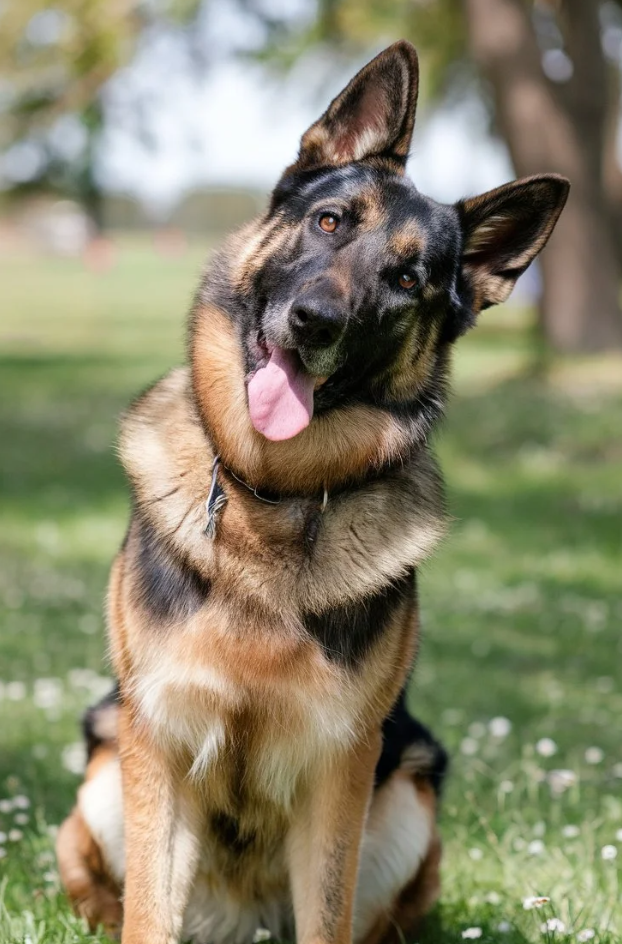
When a German Shepherd feels emotionally disconnected, they don’t usually act aggressive or loud. Instead, they pull back. The signs are subtle but consistent, and once you recognize them, they’re hard to miss. These behaviors are your dog’s way of communicating discomfort, disappointment, or confusion about something that happened.
They’re not trying to punish you. They’re responding to how they feel.
You may wonder if dogs really remember things or hold grudges. While they don’t dwell on events the way humans do, they absolutely remember how certain interactions made them feel. If something caused stress, fear, or sadness, that emotional imprint can affect how they interact with you afterward.
1. The Ultimate Silent Treatment
German Shepherds are typically glued to their humans. They follow you from room to room, check in constantly, and respond quickly when you speak to them. When that suddenly stops, it’s one of the clearest signs something is wrong.
If your dog avoids eye contact, doesn’t respond when you call them, or calmly walks away when you approach, they’re creating emotional distance. This isn’t stubbornness—it’s self-protection. They’re giving themselves space because something didn’t feel right.
How to Fix It:
The most important thing here is restraint. Give your dog room to breathe emotionally. Avoid chasing them for affection or demanding interaction. Sit nearby without pressure, speak softly, and let them decide when to reconnect.
When they do approach, reinforce that choice with calm praise or a gentle reward. Over time, this shows them that closeness with you feels safe again.
2. The Dramatic Sighs and Heavy Pouting
German Shepherds are masters of expressive body language. A long sigh, a slow flop onto the floor, or an exaggerated groan isn’t accidental—it’s communication. These behaviors usually appear when they feel disappointed or emotionally let down.
They may still stay near you, but they’ll avoid full engagement. That combination of proximity and emotional distance often means they want acknowledgment, not avoidance.
How to Fix It:
Your voice matters more than you think. Speaking calmly, using a reassuring tone, and engaging them gently can help shift their mood. A shared activity—like a walk or a favorite game—often works better than passive affection alone.
Physical touch, when welcomed, helps reinforce connection. Always let your dog choose the interaction rather than forcing it.
3. Ignoring Commands (Even Though They Know Them)

When a well-trained German Shepherd suddenly stops responding, it’s rarely because they forgot what you taught them. More often, it’s emotional resistance. If trust feels shaken, compliance drops.
This doesn’t mean your dog is being defiant. It means they’re uncertain, stressed, or emotionally disengaged.
How to Fix It:
Look inward before correcting outward behavior. Consider your tone, timing, and emotional state during recent interactions. Reintroduce commands using encouragement instead of pressure, and reward effort—not just perfection.
Training sessions should feel collaborative, not confrontational. That’s when trust starts to rebuild.
Why Is Your German Shepherd Mad in the First Place?
Once you notice the signs, the next step is understanding the cause. Emotional shifts don’t happen randomly. There’s usually a trigger, even if it wasn’t intentional.
1. You Left Them Alone for Too Long
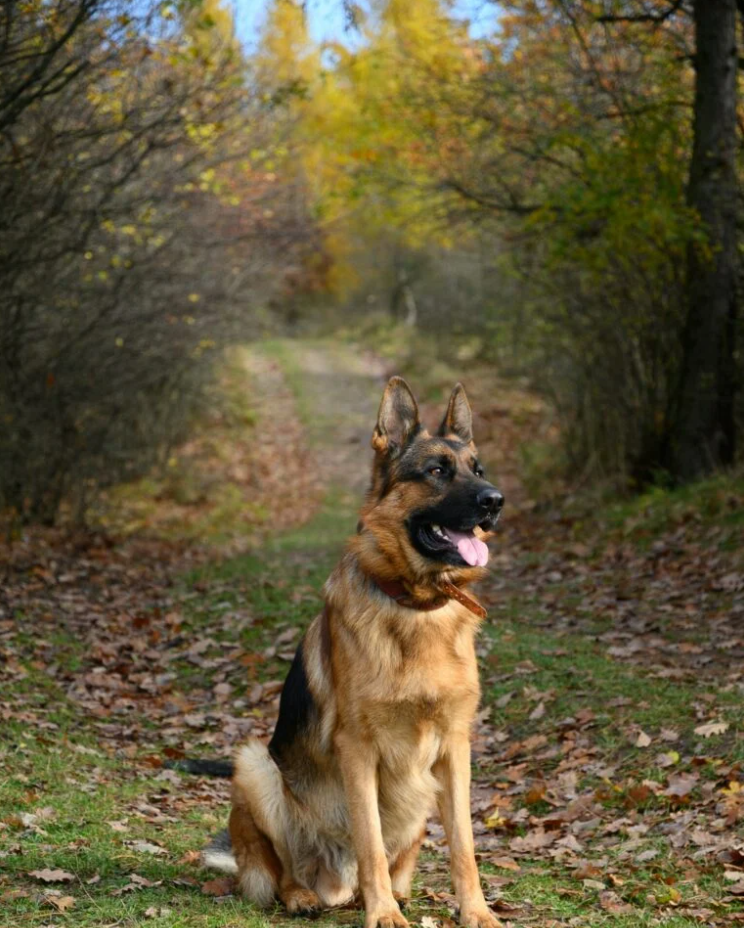
German Shepherds form strong attachments. Long periods of isolation can feel unsettling, especially if it disrupts their routine. When you return, the emotional release can show up as distance rather than excitement.
They missed you, but they’re also processing that absence.
Solution:
Mental engagement is key. Interactive toys, problem-solving activities, and structured stimulation help fill the emotional gap. When you are home, focused attention matters more than constant presence.
Consistency reassures them that separation isn’t permanent or unpredictable.
2. You Raised Your Voice or Scolded Them Harshly
This breed is highly sensitive to tone. Even brief moments of anger or frustration can linger emotionally. Loud corrections or harsh reactions can make them shut down rather than learn.
Solution:
Clear, calm communication builds confidence. Reward the behavior you want to see more often, and correct gently when needed. Your dog notices when your energy softens, and that change helps restore trust.
3. You Didn’t Give Them Enough Exercise
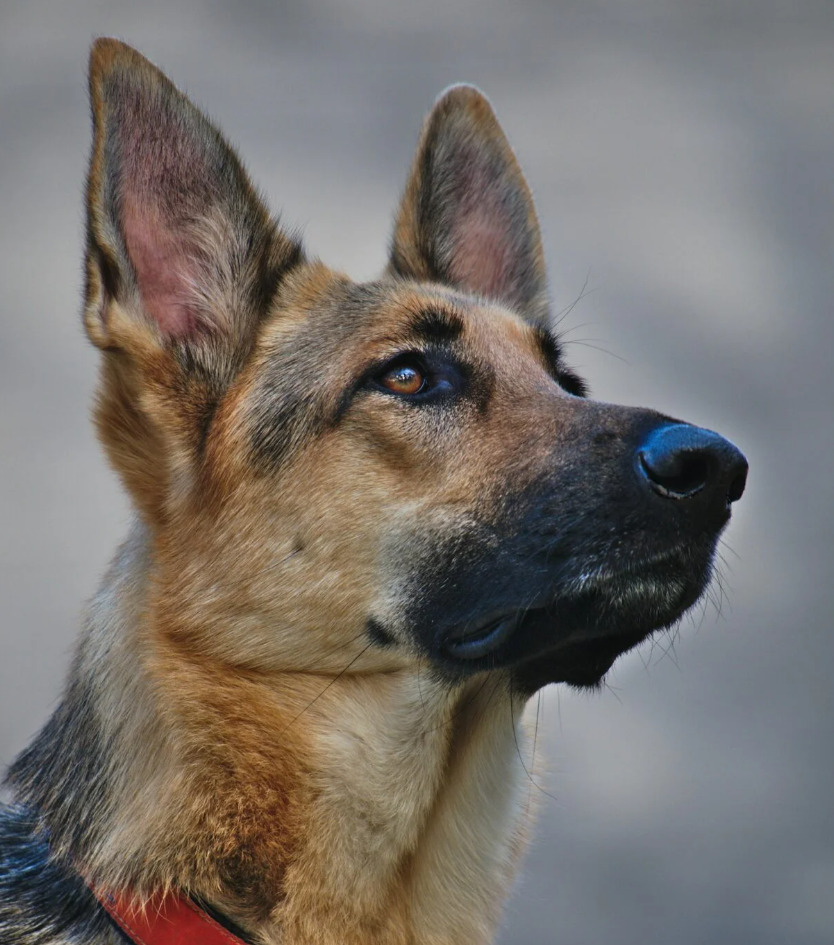
Physical and mental activity are emotional outlets for German Shepherds. Without them, frustration builds. That energy often comes out as restlessness, destruction, or emotional withdrawal.
Solution:
Daily movement isn’t optional for this breed. Long walks, structured play, and mentally challenging tasks help regulate their mood. When their needs are met, their behavior stabilizes naturally.
4. You Gave Attention to Another Dog
German Shepherds bond intensely with their people. When they sense competition, insecurity can creep in. It’s not about dominance—it’s about reassurance.
Solution:
Reconnect intentionally. Calm affection, focused time, and familiar routines remind them that their place in your life hasn’t changed.
How to Get Back in Your German Shepherd’s Good Graces
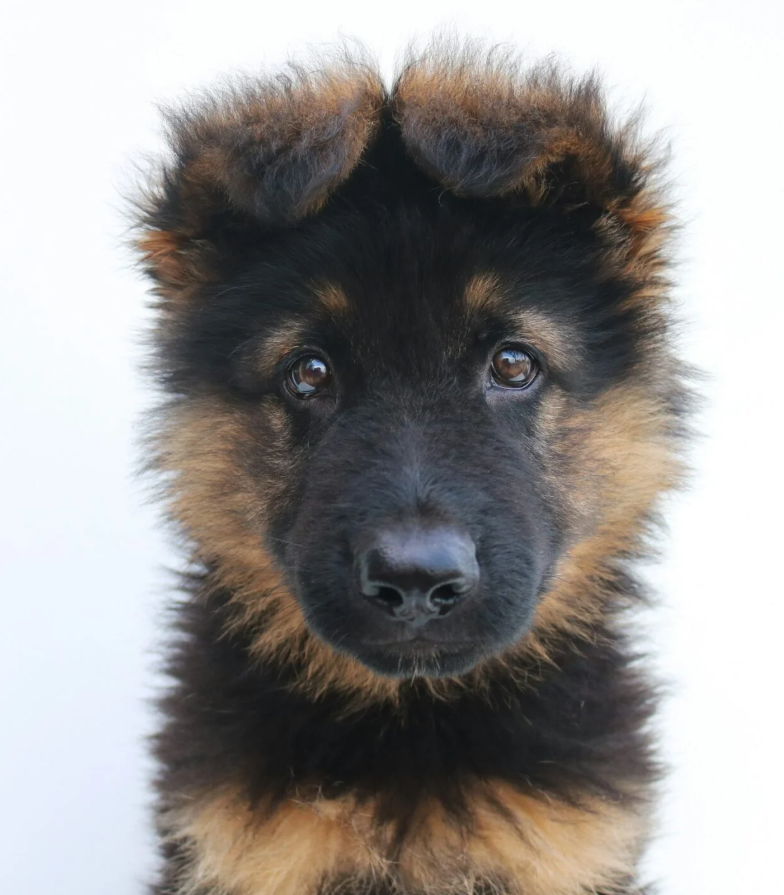
Repairing emotional distance takes intention, not urgency. Rushing the process often delays it.
1. Be Patient
Emotions need time to settle. Allow your dog to reconnect at their pace without pressure.
2. Speak Their Love Language
Every dog expresses comfort differently. Learn what calms and fulfills yours, and lean into that.
3. Stick to a Routine
Predictability creates emotional safety. When life feels consistent, trust rebuilds faster.
4. Apologize with Actions (and Treats!)
Positive experiences speak louder than words. Shared joy repairs emotional gaps naturally.
5. Be a Better Human
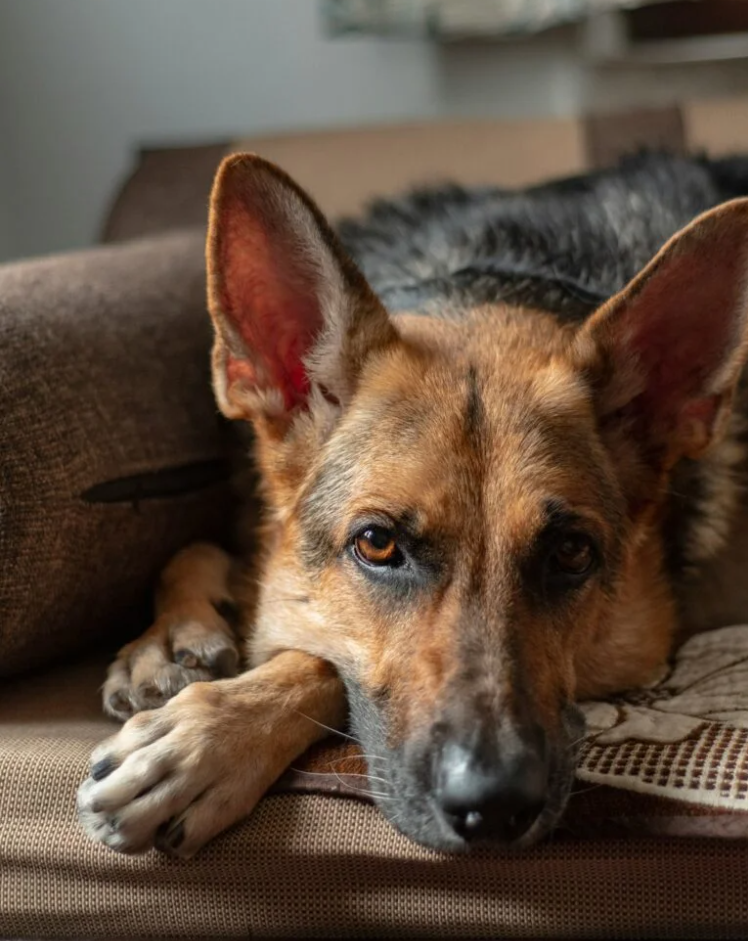
Your dog responds to how you show up every day. Awareness, empathy, and respect strengthen the bond long-term.
Final Thoughts of Is Your German Shepherd Mad at You?
German Shepherds don’t hold grudges—they feel deeply. When something disrupts that emotional bond, their behavior reflects it. With patience, awareness, and consistent care, that connection doesn’t just return—it grows stronger.