Keeping Your Pet Safe and Secure
From my personal experience as a dog owner, I’ve learned that the best time to think about your dog’s safety is before anything goes wrong. It’s easy to assume your dog is safe at home, but the reality is that thousands of dogs go missing every year—and many of those situations could have been prevented with simple precautions.
Key Takeaways
- I always keep updated identification tags on my dog—it’s the fastest way to reunite
- Microchipping significantly increases the chances of finding a lost dog
- Preparing a LOST DOG kit in advance saves critical time during emergencies
- Securing my home (fences, doors, gates) reduces escape risks
- A well-fitted collar and strong leash are essential for outdoor safety
- Nearly 1 in 3 pets go missing at some point, making prevention crucial
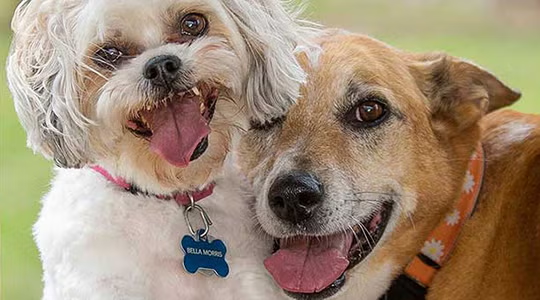
Identification tags. I never let my dog step outside without wearing proper identification tags. These tags should include up-to-date contact information and be easy to read. In my experience, this is often the quickest way for someone to contact me if my dog gets lost. I also recommend using durable, noise-free tags that don’t wear down over time. A simple tip I follow is checking the tag every few months to ensure the information is still accurate and legible.
Microchips. I strongly believe microchipping is one of the most effective ways to protect your dog. A microchip is about the size of a grain of rice and is safely implanted under your dog’s skin, usually near the shoulder area. Many veterinary professionals and organizations like the American Veterinary Medical Association support microchipping because it has helped reunite countless lost pets with their owners.
From what I’ve seen, dogs with microchips are more than twice as likely to be returned home compared to those without. Once the chip is implanted, I make sure to register it with my current contact details. This step is critical—an unregistered chip won’t help. Shelters and vet clinics can scan the chip and access the database to contact me quickly.
Prepare a LOST DOG kit. One thing I always recommend—and personally maintain—is a LOST DOG kit. If your dog goes missing, every second matters, and having everything ready can make a huge difference. My kit includes:
- Recent photos of my dog (both printed and digital)
- Ready-made LOST DOG flyers with clear images
- A detailed written description including size, color, and unique markings
- A phone number where I can be reached 24/7
I also avoid sharing too much personal information publicly for safety reasons. Instead, I focus on clear communication that helps people identify and return my dog safely.
Close off areas of possible escape. I’ve learned that dogs are incredibly clever when it comes to escaping. That’s why I regularly inspect my home for potential exit points. I check doors, windows, and gates to make sure they’re secure. I also examine fences for gaps or digging spots—especially since some dogs can dig surprisingly fast.
If you have a small dog, this becomes even more important. Small breeds can squeeze through spaces you might not expect. A good habit I follow is doing a quick “safety walk” around my home every few weeks to spot any new risks.
Check your dog’s leash and collar. I never underestimate the importance of a reliable leash and properly fitted collar. I’ve seen how a worn-out leash or loose collar can lead to sudden escapes during walks. That’s why I invest in quality gear and inspect it regularly.
A properly fitted collar should allow you to fit two fingers comfortably between the collar and your dog’s neck. I also recommend using a sturdy leash with a secure clasp. If your dog tends to pull, consider training techniques or switching to a harness for better control.
My personal tip: I always test my dog’s collar and leash before heading out—even a quick tug test can prevent unexpected accidents.