Lamb & Veggies Dog Food Meal You Have To Make
Let’s be honest—most commercial dog foods are pretty underwhelming. Your dog might wag their tail at the sound of a kibble bag opening, but imagine eating the same dry, brown pellets for breakfast, lunch, and dinner. You wouldn’t survive on cereal alone, right? That’s why homemade meals can make such a huge difference. Not only are they more nutritious, but your pup will be genuinely excited to eat something fresh and wholesome.
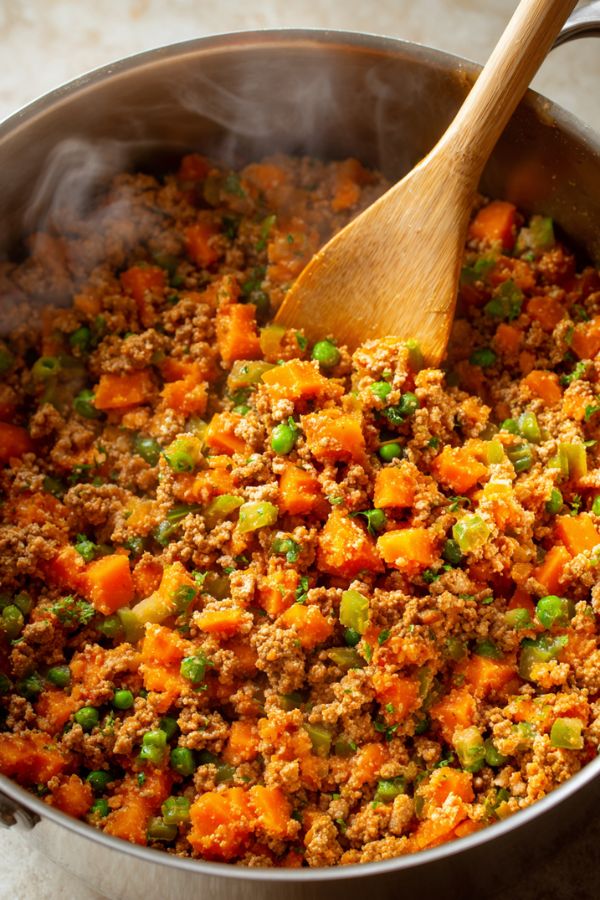
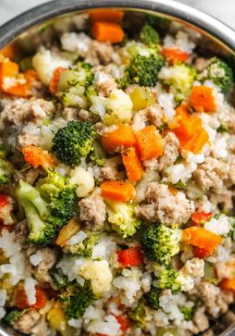
This Simple Lamb & Vegetable Dog Food recipe is ridiculously easy to make, packed with nutrients, and way cheaper than those “premium” store-bought options filled with mystery ingredients. Plus, watching your dog devour a meal you made from scratch? Totally priceless.
Why This Recipe Works So Well
Lamb is a fantastic protein source for dogs. It’s lean, easy to digest for many pups, and provides essential amino acids that support strong muscles and overall health. Pair that with a mix of vegetables, and you’re giving your dog fiber, vitamins, and a satisfying texture that keeps mealtime interesting.
There’s no need to worry about fillers, preservatives, or confusing by-products. Every ingredient has a purpose: vegetables for nutrition and crunch, lamb for protein, and a touch of healthy fat to promote a shiny coat and overall energy. This recipe is also flexible—you can adjust the vegetables or protein depending on what your dog loves or needs. It’s wholesome, simple, and economical, giving your dog a better meal without breaking the bank.
Ingredients You’ll Need
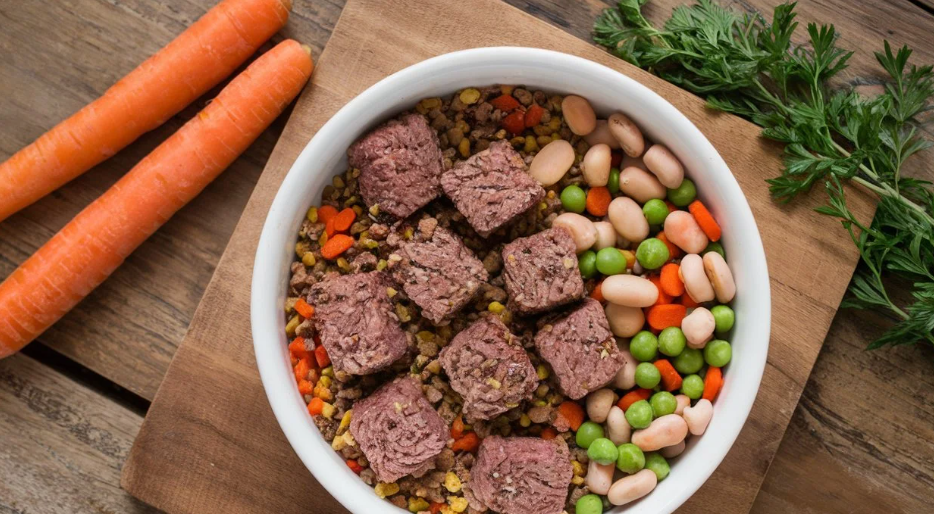
Here’s what you’ll gather for this recipe:
- 1 lb ground lamb (or finely chopped lamb shoulder)
- 1 cup carrots, diced and optionally steamed for softness—great for senior dogs
- 1 cup green beans, chopped, fresh or frozen (skip canned with salt)
- ½ cup peas (optional, since some dogs aren’t fans)
- 1 tbsp olive oil, to help your dog’s coat shine and support overall health
- 1 cup cooked brown rice or quinoa, which aids digestion—but can be skipped for grain-free diets
These ingredients are simple, easy to find, and already safe for most dogs. You don’t need anything fancy or expensive—just wholesome, real food your dog will love.
Step-by-Step Cooking Instructions
Cooking this meal is straightforward, and you don’t need to be a professional chef.
- Cook the lamb: Brown the lamb over medium heat. Drain excess fat if your vet recommends it—some dogs may need extra calories, but too much fat can cause digestive issues.
- Steam the veggies: Cook the carrots and green beans until they are tender but still slightly crisp. Overcooked vegetables lose their texture and can be less appealing to dogs.
- Combine everything: Mix the cooked lamb, vegetables, optional peas, and rice or quinoa in a bowl.
- Add olive oil: Drizzle and mix well to coat the ingredients. This adds healthy fats and makes the food more appealing.
- Cool before serving: Your dog will appreciate a meal that’s not scalding hot. Imagine those excited, sniffing eyes waiting to dive in—nobody wants a burnt tongue!
Storing Leftovers
Homemade meals are convenient, but you’ll want to store them properly. Keep leftovers in an airtight container in the fridge for up to three days. For longer storage, portion meals into labeled freezer bags and thaw in the fridge overnight. Avoid microwaving; lukewarm lamb can be unappetizing and unevenly heated.
Benefits Your Dog Will Notice
Feeding real food makes a huge difference in your dog’s well-being.
- Better digestion: Whole ingredients reduce tummy issues caused by fillers or unknown additives.
- Shinier coat: The olive oil works wonders for healthy skin and fur.
- More energy: Without cheap fillers, your dog won’t feel sluggish after meals.
And honestly, seeing your dog’s eyes light up when they realize you made their dinner? That’s a little joy only a dog owner truly understands.
Common Mistakes to Avoid
Even simple recipes can go wrong if you’re not careful:
- Overcooking veggies: They should be tender-crisp, not mushy.
- Skipping fat management: Too much lamb fat can upset digestion or even cause pancreatitis.
- Ignoring portion sizes: Adjust meals based on your dog’s size, age, and activity level. Too much or too little can create health problems.
Pay attention to these details, and mealtime will always be a hit.
Alternatives for Picky Eaters or Budget-Friendly Options
Not every dog loves lamb or green beans. That’s fine—you can swap ingredients without losing nutrition:
- Protein swaps: Use ground turkey or beef if lamb isn’t an option.
- Vegetable swaps: Sweet potatoes, zucchini, or pumpkin puree work great, especially for dogs that avoid peas or green beans.
- Grain-free versions: Skip rice or quinoa and rely on fiber-rich vegetables or pumpkin.
The goal is balanced nutrition, not Instagram-perfect presentation.
Frequently Asked Questions
- Can I use raw lamb? Only if your dog already eats a raw diet. Otherwise, cooking is safer to prevent bacterial infections like salmonella.
- How much should I feed? Generally, ½ to 1 cup per 20 lbs of body weight per meal works, but adjust according to activity level and vet advice.
- Can I add spices? Absolutely not. Garlic, onion, and salt are toxic to dogs. Keep it simple and healthy.
- Is this a complete meal? It works for occasional meals, but for long-term feeding, consider discussing supplements with your vet to ensure all nutritional needs are met.
Final Thoughts of Lamb & Veggies Dog Food Meal
Dogs aren’t concerned with food trends—they care about taste, nutrition, and variety. This lamb and vegetable recipe is quick, affordable, and packed with health benefits. You’ll never second-guess the ingredient list again, and your dog will be happier, healthier, and more energetic.
Cooking this meal is 20 minutes of your time for hours of tail-wagging satisfaction. Your dog is waiting, probably pacing, and ready to taste a dinner made with love.