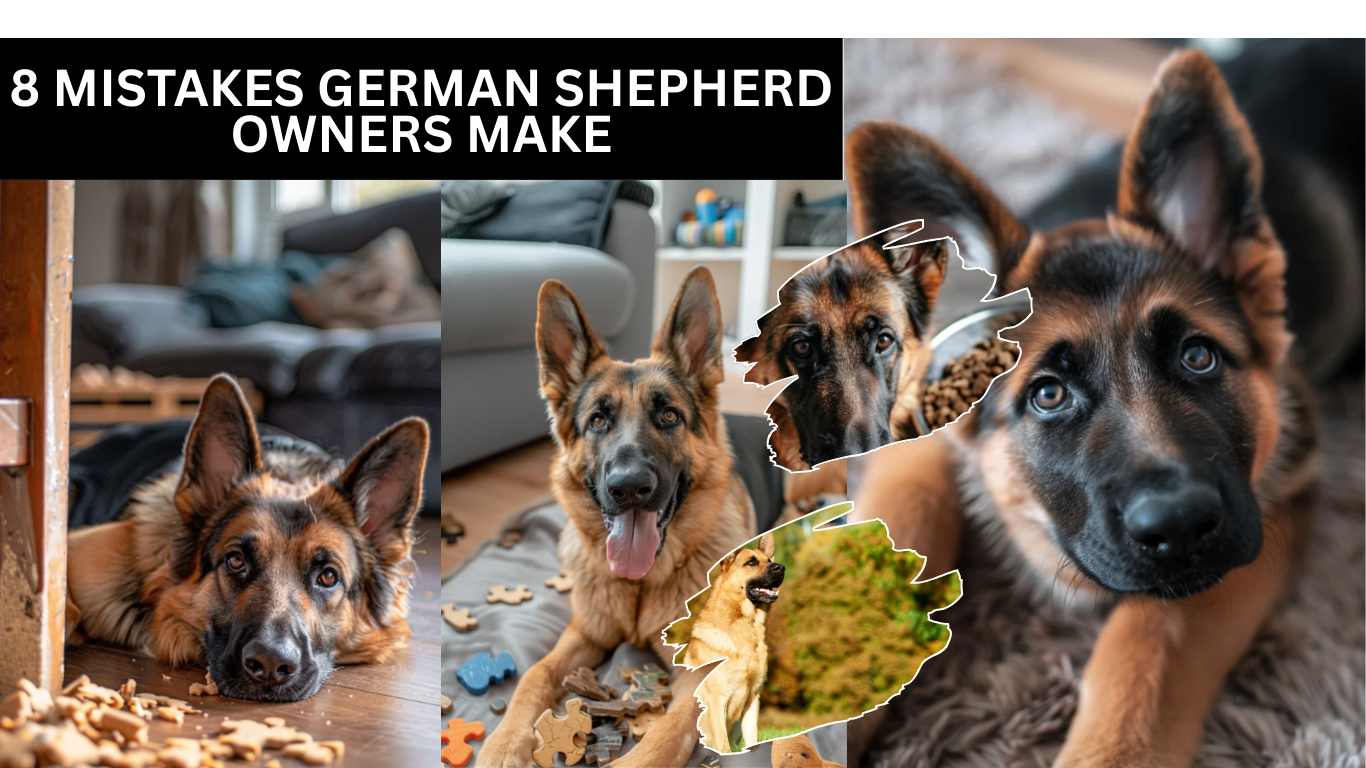
8 Mistakes German Shepherd Owners Make
Ever wondered if you might be unintentionally making mistakes with your German Shepherd? These dogs are incredibly smart, loyal, and full of energy, but their intelligence and protective instincts mean they need careful guidance and attention. Getting it right can make life with your Shepherd an absolute joy, while mistakes can lead to frustration, behavioral issues, and stress for both of you. Let’s go through the most common missteps owners make and how to prevent them.
1. Neglecting Early Socialization
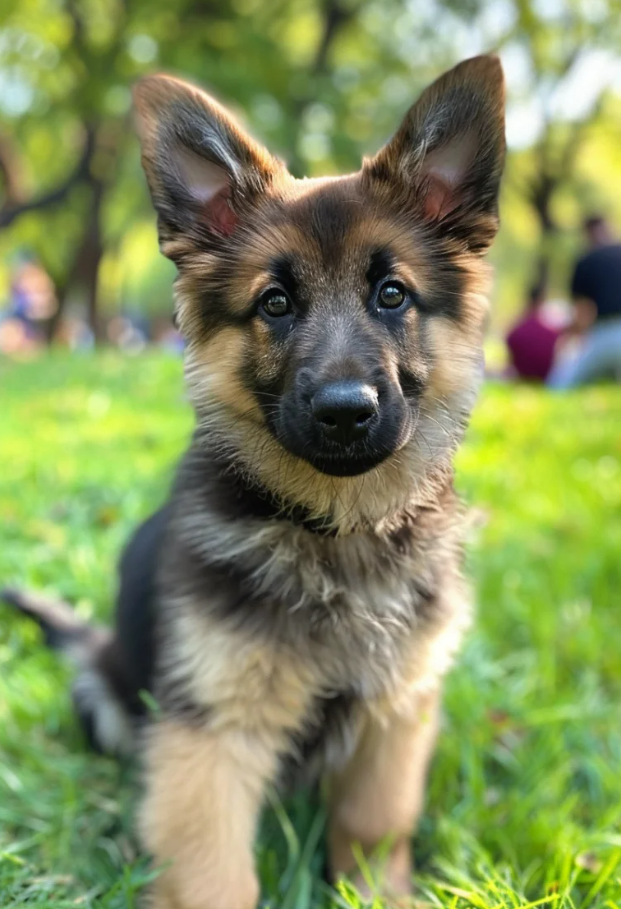
From the moment you bring your German Shepherd home, exposing them to new experiences is critical. These dogs are naturally protective, and without proper socialization, that instinct can turn into anxiety or aggression. Meeting different people, playing with other dogs, exploring various environments, and experiencing everyday sounds and activities help your puppy grow into a confident, well-rounded adult. Socialization isn’t just about letting them meet others—it’s about creating a safe, positive environment where they learn the world isn’t a threat. Think of it as giving them the confidence to walk into any situation calmly and without fear.
2. Inconsistent Training
German Shepherds are incredibly quick learners, but inconsistency can confuse them and lead to disobedience. If you allow certain behaviors sometimes but scold them other times, your dog won’t know where they stand. Everyone in the household must use the same commands and reinforce the same rules. Treat training like teaching a child—you wouldn’t let them ignore rules on some days and expect perfect behavior on others. Keeping instructions clear, consistent, and reinforced with praise or treats ensures your Shepherd understands exactly what’s expected.
3. Insufficient Exercise

A German Shepherd is a powerhouse of energy. Without sufficient physical activity, their natural drive can turn into boredom, anxiety, or even destructive behavior. Daily walks, runs, and interactive playtime are essential. These dogs love challenges, whether it’s fetching a ball, running agility courses, or even learning new games. Imagine having an Olympic athlete stuck at home without practice—they’d get restless fast. Exercise isn’t just about burning energy; it’s about maintaining mental focus, overall health, and happiness.
4. Ignoring Mental Stimulation
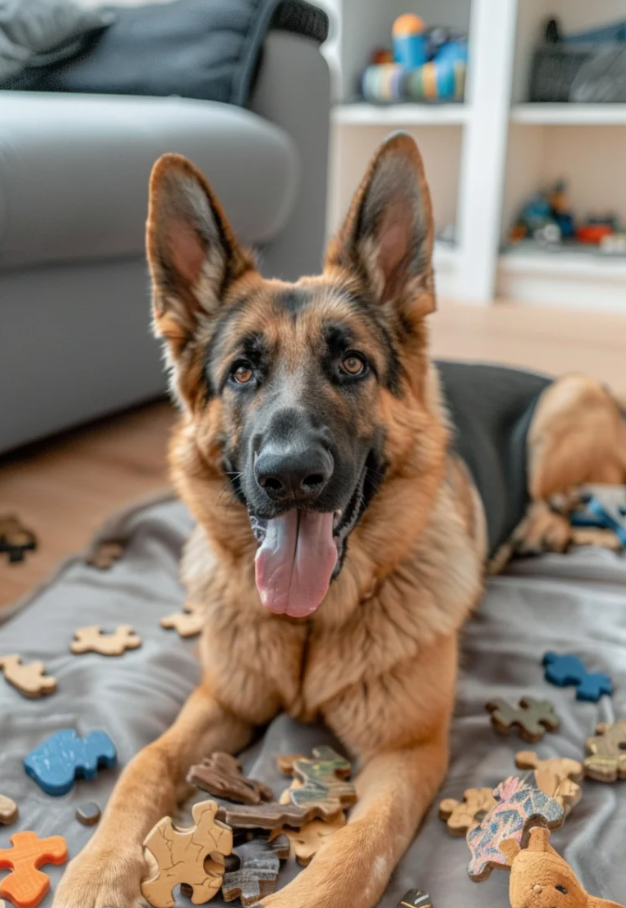
Physical exercise is important, but German Shepherds are equally demanding when it comes to mental activity. They thrive on problem-solving and learning new tasks. Puzzle toys, obedience games, and teaching them new tricks provide the kind of mental workout their brains need. Without this stimulation, boredom can creep in, leading to chewing furniture, digging, or constant attention-seeking. Keeping their mind active is just as vital as keeping their body active—it prevents behavioral issues and keeps them sharp.
5. Poor Diet and Nutrition
A dog’s diet has a huge impact on their energy, health, and overall wellbeing. Feeding low-quality kibble or skipping essential nutrients can leave your Shepherd sluggish, prone to illness, and more likely to develop joint or digestive problems. High-quality proteins, healthy fats, and balanced nutrients form the foundation of a strong, energetic, and healthy German Shepherd. Consulting your vet for a diet plan tailored to their age, weight, and activity level ensures they thrive, just like fueling a high-performance machine with the right energy source.
6. Lack of Leadership

German Shepherds need to see you as a confident and consistent leader. Without clear guidance, they may try to take charge, which can create challenges in daily life. Establishing yourself as the pack leader isn’t about being harsh—it’s about being firm, consistent, and confident. Set boundaries, enforce rules calmly, and reward positive behavior. When your dog respects your leadership, life becomes smoother, from mealtime to walks and everything in between.
7. Not Providing a Job
These dogs aren’t just pets—they thrive when they have a purpose. Whether it’s participating in sports like agility or obedience, helping around the house, or learning new commands, having a “job” gives them mental and physical satisfaction. Without purpose, they can become restless, anxious, or bored. Watching a German Shepherd engage in meaningful activity is incredibly rewarding—they genuinely enjoy contributing, whether it’s fetching the newspaper, helping with chores, or mastering new tricks. Giving them responsibilities keeps them happy and builds a deeper bond with you.
8. Overlooking Health Checkups
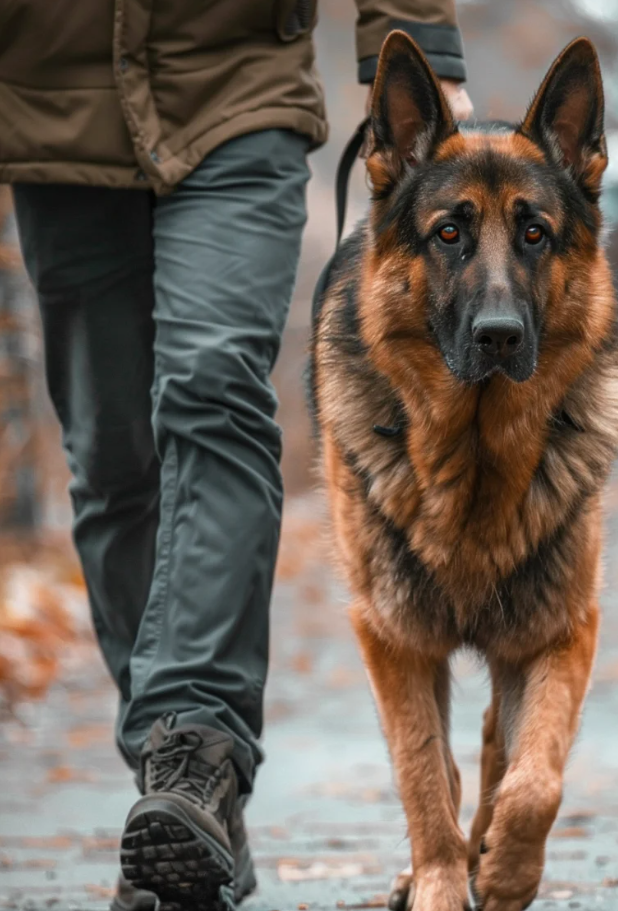
Regular veterinary care is essential to keep your Shepherd healthy. They’re prone to issues like hip dysplasia, elbow dysplasia, and bloat, which can become serious if left unchecked. Preventive care, vaccinations, and regular health checks ensure potential problems are caught early. Think of vet visits as part of a proactive routine that keeps your dog strong, mobile, and full of life. It’s an investment in their long-term health and comfort.
How to Train a German Shepherd
Training a German Shepherd successfully comes down to understanding their intelligence, energy, and instincts. Start as early as possible, using positive reinforcement—treats, praise, and encouragement work wonders. Teach basic commands like sit, stay, come, and down before moving on to more advanced skills. Socialization remains important at every stage: new people, animals, and environments help prevent fear or aggression.
Crate training provides them with a safe, secure space, and leash training ensures walks are enjoyable and controlled. Mental stimulation should be ongoing, with puzzles, training games, and challenges to keep them engaged. Advanced training, like agility or obedience competitions, gives them both a physical and mental outlet. Above all, patience and consistency are key—your Shepherd will learn quickly, but they thrive under clear, steady guidance.
Frequently Asked Questions (FAQ)
How often should I train my German Shepherd?
Daily short sessions of 10–15 minutes work best. Multiple mini-sessions throughout the day are more effective than one long session.
What treats work best?
High-value rewards like small pieces of chicken, cheese, or training-specific treats motivate them to focus and perform well.
How do I stop leash pulling?
Pause whenever they pull and resume walking only once they return to your side. Reward calm behavior consistently.
How can I socialize my puppy?
Expose them early to different environments, people, and other animals. Puppy classes, parks, and playdates are perfect opportunities.
What if my Shepherd barks a lot?
Determine the cause—boredom, alertness, or anxiety—and address it with mental stimulation and training. Teach a “quiet” command and reward them when they respond.
Common health issues?
Hip and elbow dysplasia, bloat, and joint problems are common. Proper diet, exercise, and regular vet visits help prevent or manage these conditions.
How can I make my German Shepherd smarter?
Engage their mind with puzzles, training, and new challenges. Regular socialization and mental stimulation enhance their intelligence. Patience and consistency are essential.
Conclusion of Mistakes German Shepherd Owners Make
Owning a German Shepherd is a deeply rewarding experience, but it comes with responsibilities. Socialize them early, train consistently, provide physical and mental exercise, feed them well, establish leadership, give them purpose, and keep up with regular health checks. Do this, and you’ll enjoy a loyal, intelligent, and happy companion who’s ready for any adventure alongside you.