Money Tree Care 101: How to Keep Your Green Friend Thriving
Bringing a money tree into your home is honestly one of the easiest ways to add a little greenery without committing to a high-maintenance plant. Many people love this plant because it looks beautiful, fits well in almost any room, and doesn’t demand constant attention. If you enjoy houseplants but don’t want something that requires daily care, this one is a solid choice.
The money tree, scientifically known as Pachira aquatica, has also built a reputation for symbolizing good luck and prosperity. A lot of people keep one in their homes or offices because of this belief. Whether you believe in the good-luck story or not, the plant itself is still a wonderful addition to any indoor space.
Another reason many households prefer this plant is that it’s considered pet-friendly. If you have curious cats or playful dogs around the house, it’s comforting to know that this plant is generally safe. Of course, that doesn’t mean pets should treat it like a snack bar. Too many leaves can upset their stomachs, so it’s always better to keep an eye on curious little chewers.
Once you understand what a money tree needs, taking care of it becomes surprisingly simple. With the right light, balanced watering, and a bit of attention to humidity, this plant can stay healthy and beautiful for years.
First Things First: What Does a Money Tree Need?
Before placing your money tree somewhere in your home and hoping for the best, it helps to understand the basic conditions it prefers. This plant is fairly relaxed compared to many houseplants, but it still has a few preferences. When those needs are met, it grows well and keeps those glossy green leaves looking vibrant.
Once you get comfortable with the basics—light, water, humidity, soil, and feeding—you’ll notice that caring for a money tree quickly becomes second nature.
Light: Not Too Hot, Not Too Shady
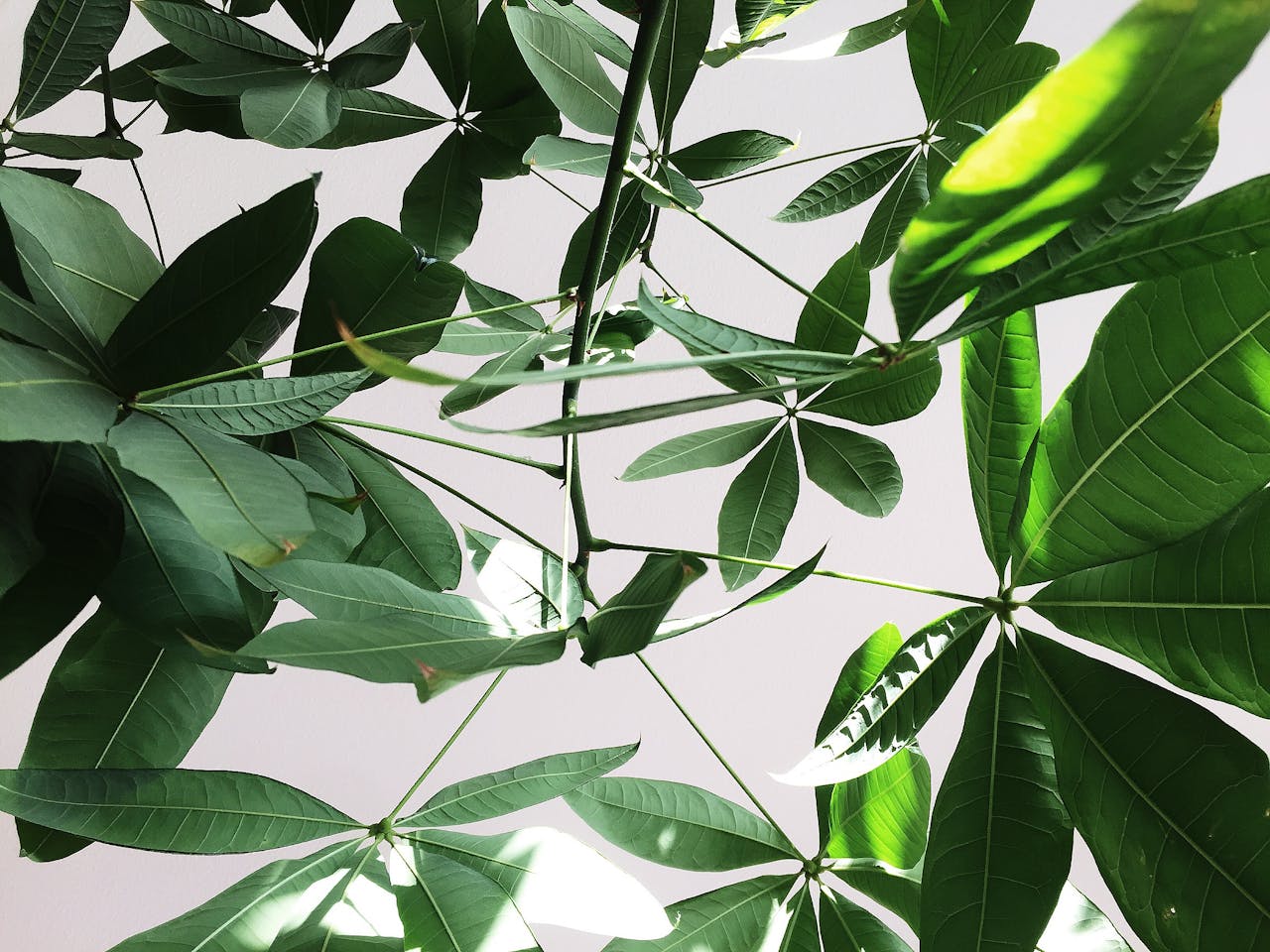
Money trees grow best in bright, indirect light. In nature, these plants often grow under larger trees where sunlight is filtered rather than harsh and direct. That same type of lighting works best indoors.
Placing your money tree near a window usually works perfectly. It will receive plenty of natural brightness without being exposed to strong sun rays that could damage its leaves. A spot with filtered sunlight or a few feet away from a bright window is often ideal.
If the plant receives too little light, you may notice it starting to drop leaves or grow more slowly. The plant may also begin stretching toward the light source, which causes thin and leggy growth. On the other hand, too much direct sun can burn the leaves, leaving them looking dry or discolored.
When you notice your plant leaning or stretching toward a window, that’s usually a sign it wants a bit more light. Simply moving it a little closer to the window can often fix the problem.
Water: Finding the Right Balance
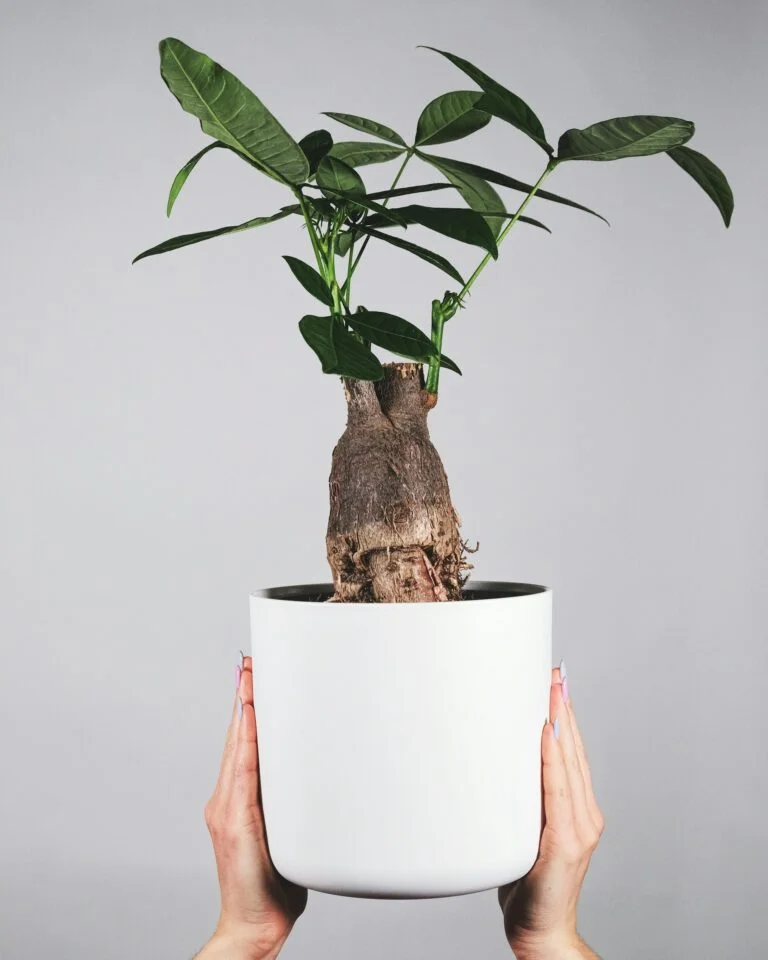
Watering is one area where many plant owners accidentally make mistakes. Money trees don’t like constantly wet soil, and too much water can cause serious problems for their roots.
A good rule is to check the soil before watering. If the top one to two inches of soil feel dry, it’s time to water. You can simply press your finger into the soil to check. This small habit prevents guessing and helps you avoid overwatering.
When you do water the plant, give it a thorough soak so the water reaches the roots. After that, allow the excess water to drain out completely. Letting the pot sit in standing water can lead to root rot, which damages the plant and can be difficult to reverse.
In most homes, money trees only need watering every week or two, although the exact timing depends on the temperature, humidity, and lighting in your space.
Humidity: A Tropical Touch
Money trees originally come from tropical regions, which means they naturally enjoy humid air. While they can adapt to typical indoor environments, they do appreciate a little extra moisture in the air.
If your home tends to be dry—especially during colder months when heating systems are running—you might notice the plant responding with slightly dry leaf edges or slower growth.
Lightly misting the leaves every so often can help increase humidity around the plant. Some people also like placing their plants near other houseplants, which creates a small micro-environment where humidity stays slightly higher.
Another option is using a humidifier, especially if you already keep several indoor plants. It helps maintain a stable moisture level in the air, which many tropical plants appreciate.
Soil: Good Drainage Makes All the Difference
The type of soil you use has a big impact on how healthy your money tree remains. This plant does best in soil that allows water to move through easily rather than holding too much moisture.
Most standard houseplant potting mixes work well. Some people even use mixes designed for succulents because they drain very efficiently.
Equally important is the pot itself. Your container should always have drainage holes at the bottom. Without them, excess water has nowhere to go, and the roots can quickly become waterlogged.
If you happen to fall in love with a decorative pot that doesn’t have drainage holes, you can still use it as a cover pot. Simply place the plant in a proper nursery pot inside the decorative one.
Feeding Time: Fertilizer Basics
Like most houseplants, money trees benefit from occasional feeding during their active growing season. Spring and summer are the months when the plant is usually producing new leaves and growing more actively.
Using a balanced liquid fertilizer about once a month is usually enough. Many plant owners dilute the fertilizer to half strength so the plant receives nutrients without the risk of overfeeding.
Too much fertilizer can stress the plant and damage its roots, so a gentle approach works best. When fall and winter arrive and growth slows down, feeding can usually be paused until the next growing season.
Common Money Tree Problems and How to Fix Them
Even when you take good care of your plant, small issues can appear from time to time. Fortunately, most money tree problems are easy to recognize and fix once you know what to look for.
Yellow Leaves
Yellow leaves are one of the most common concerns people notice with their money tree. When this happens, it usually means the plant is experiencing stress.
One of the most frequent causes is overwatering. If the soil stays wet for too long, the roots struggle to breathe properly. Another possibility is that the plant isn’t receiving enough light.
Adjusting watering habits and making sure the plant sits in a brighter area often helps restore its healthy green color.
Brown Leaf Tips
Brown edges or tips on the leaves often appear when the air around the plant becomes too dry. Because money trees prefer a bit of humidity, dry indoor air can sometimes cause this reaction.
Increasing humidity slightly—through misting, grouping plants together, or using a humidifier—can help improve the situation and keep the leaves looking healthier.
Droopy Leaves
Drooping leaves usually signal that something is off with watering. In many cases, the plant may simply be thirsty. However, drooping can also occur when the plant has been watered too much.
Checking the soil before reacting is always the best step. If it’s dry, watering will help the plant recover. If the soil feels very wet, giving it time to dry out is usually the better approach.
Pests
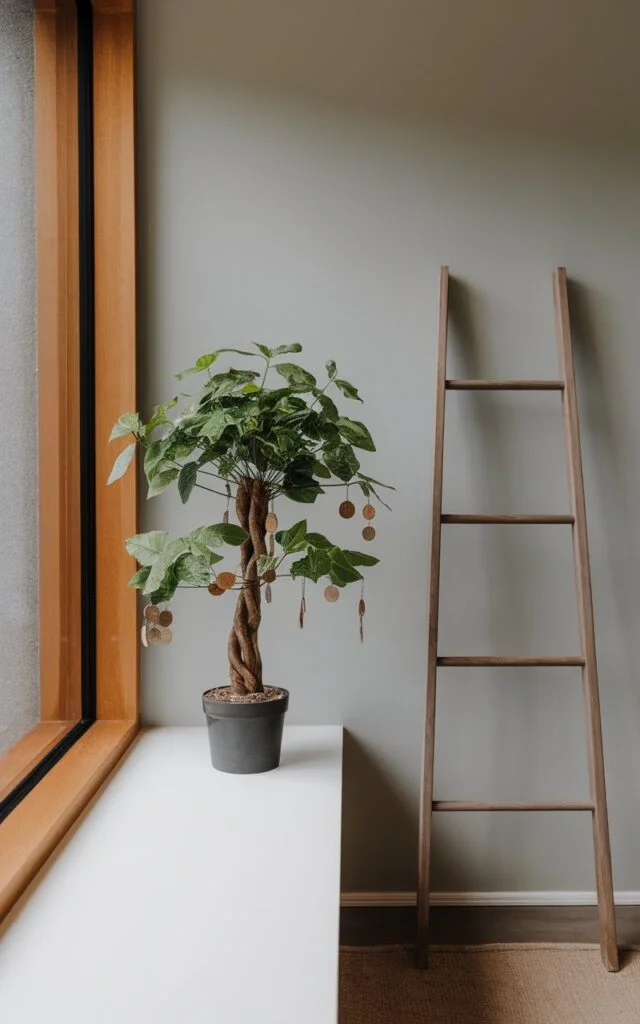
Money trees are generally not very prone to pest infestations, but occasional visitors like spider mites or mealybugs can still appear.
If you notice tiny insects or sticky residue on the leaves, gently wiping the leaves with a damp cloth can help remove them. In some cases, using insecticidal soap can also be effective.
Regularly checking your plant makes it easier to catch these issues early before they become serious.
Styling Your Money Tree: Because Aesthetics Matter
One of the reasons money trees are so popular is that they double as beautiful decor. Their lush leaves and unique trunk design make them stand out in almost any room.
Many people enjoy placing them in living rooms, offices, entryways, or bright corners where they can easily become a focal point.
Braided Trunks
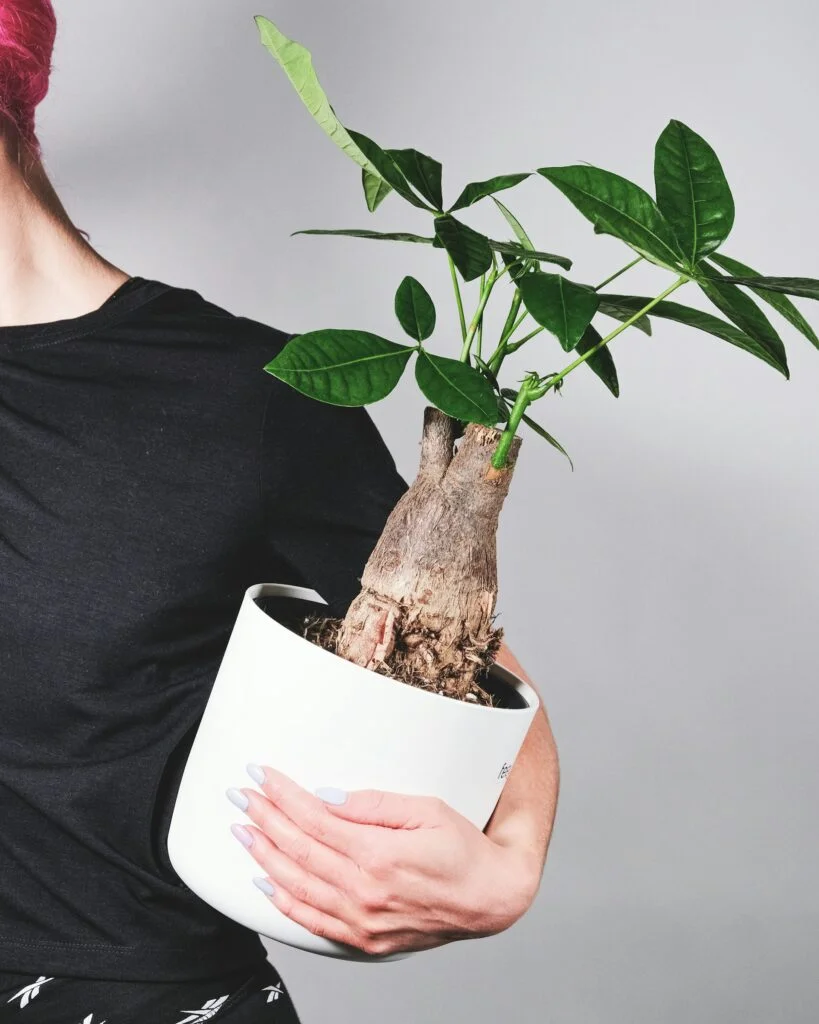
The braided trunk is one of the most recognizable features of a money tree. Several young stems are woven together while the plant is still growing, creating the braided look that many people associate with this plant.
Over time, the stems continue growing while maintaining that decorative twist, giving the plant a sculptural appearance.
Pot Style
The container you choose can dramatically change the overall look of your plant. A sleek ceramic pot creates a modern and minimal feel, while woven baskets or textured planters can bring a more relaxed or natural look to your space.
Because money trees are fairly adaptable, they fit nicely into many interior design styles.
Interestingly, the braid itself is purely decorative. It doesn’t change how the plant grows or affect its health. It simply adds to the visual appeal that makes this plant so distinctive.
Rookie Mistakes to Avoid
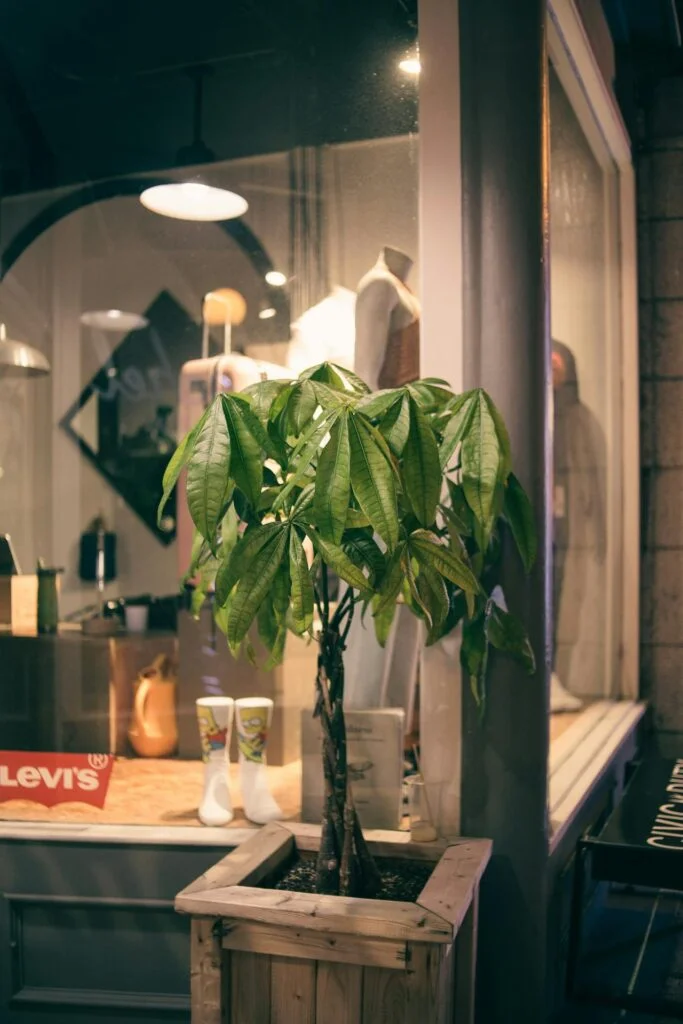
Even easy plants can struggle when a few common mistakes happen repeatedly. Knowing what to avoid can save your plant from unnecessary stress.
Overwatering
This is easily the most common issue people run into with money trees. Watering too frequently keeps the soil constantly wet, which eventually harms the roots.
Allowing the soil to dry slightly between watering sessions is much healthier for the plant.
Ignoring Lighting Conditions
Light plays a huge role in how well your money tree grows. Placing it in a very dark corner may keep it alive for a while, but it won’t thrive.
Bright, indirect light helps the plant maintain strong growth and vibrant leaves.
Skipping Drainage Holes
Drainage holes might seem like a small detail, but they are essential. Without them, water collects at the bottom of the pot and slowly damages the roots.
Always choose a container that allows excess water to escape.
Neglecting Regular Checkups
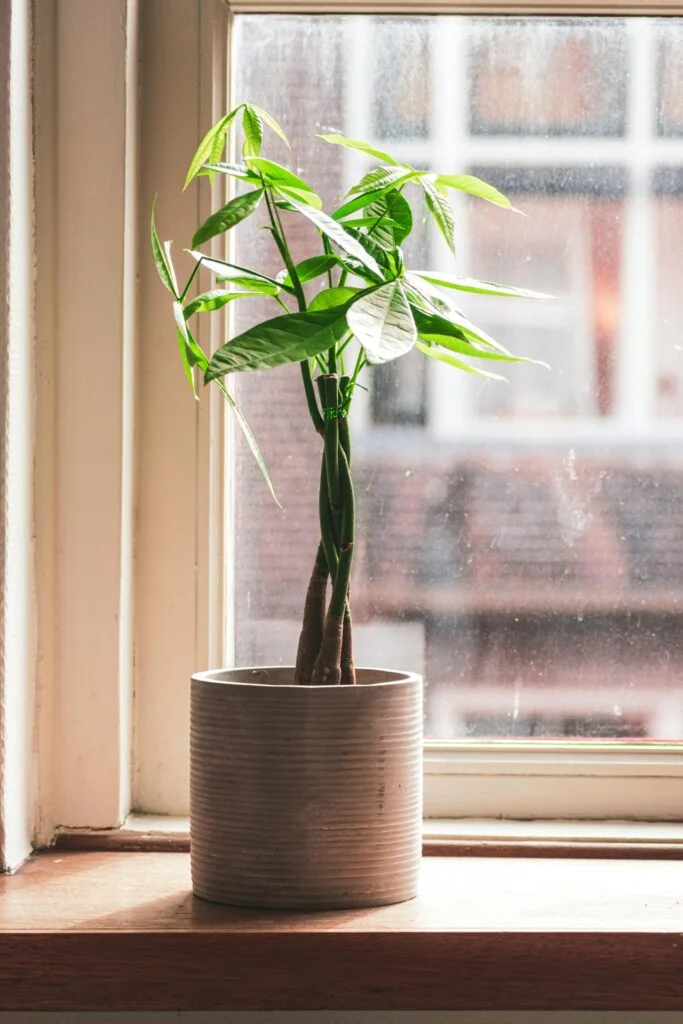
Plants don’t always show problems immediately, which is why regular observation helps. Checking the soil, inspecting the leaves, and making small adjustments when needed can prevent bigger issues later.
Fun Money Tree Trivia
Money trees have a fascinating background that adds to their popularity.
Symbolism
In feng shui, money trees are believed to attract prosperity and positive energy. This belief is one of the reasons many people place them in offices, living rooms, or entryways.
Air Purifying Qualities
Money trees are also appreciated for helping improve indoor air quality. Like many houseplants, they contribute to a fresher indoor environment.
Origins
Although they are now found in homes all around the world, money trees originally come from Central and South America, where they grow in warm and humid environments.
The Pet Question: Is It Safe?
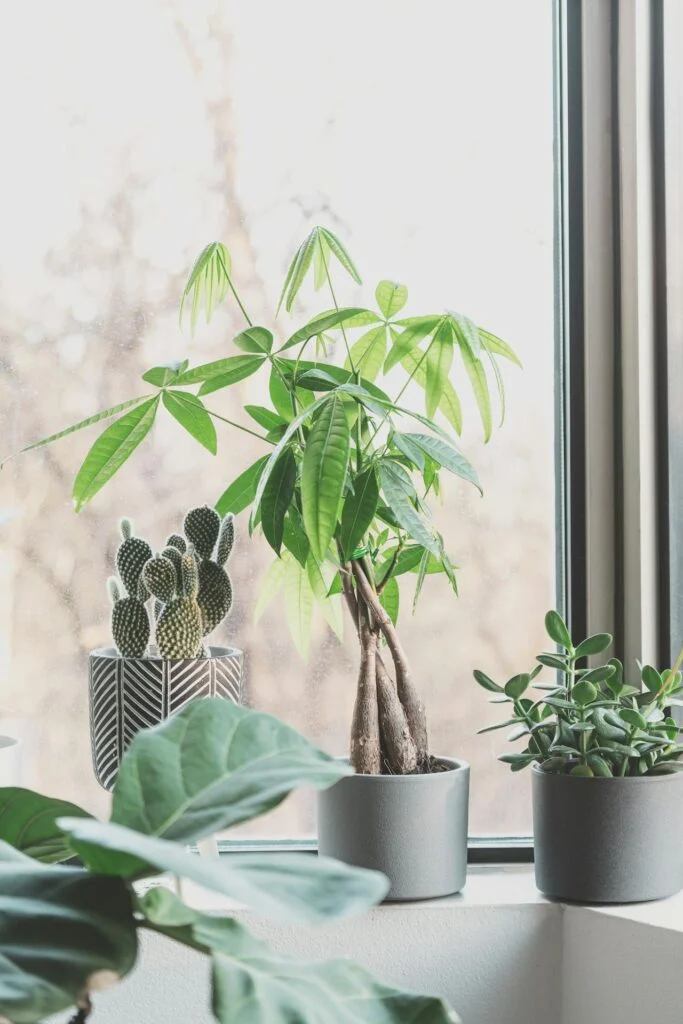
Pet owners often worry about whether certain houseplants could harm their animals. Fortunately, money trees are considered non-toxic to both cats and dogs according to the ASPCA.
That said, pets that chew on large amounts of any plant can still experience mild stomach discomfort. Keeping plants slightly out of reach or gently discouraging pets from chewing them is always a good idea.
Closing Thoughts of Money Tree Care 101
Caring for a money tree doesn’t require complicated routines or constant attention. Once you understand its basic needs—bright indirect light, moderate watering, a bit of humidity, and well-draining soil—it becomes one of the easiest plants to maintain.
With a little care and occasional observation, your money tree can continue growing and adding life to your home for many years. And while no plant can guarantee financial luck, having a healthy, thriving plant in your space certainly brings a little extra positivity and beauty into your everyday environment.