
8 Monstera Plant Care Tips: How to Keep Your Swiss Cheese Plant Thriving
Monsteras have become one of the most loved houseplants thanks to their bold leaves and tropical look. Their unique split foliage can instantly make any space feel fresh and vibrant. While they are often considered beginner-friendly plants, they still need the right care to grow well and stay healthy.
Save for later
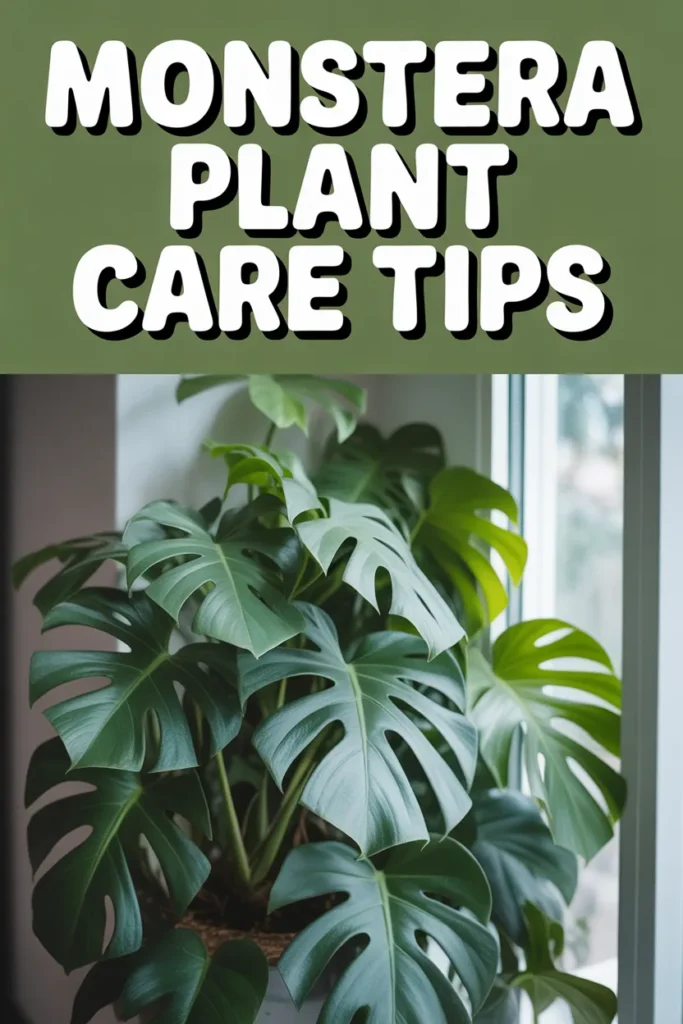
Understanding their basic needs—like light, watering, humidity, and proper support—can make a big difference in how your plant grows. With the right approach, a Monstera can develop larger leaves, stronger roots, and a fuller appearance that stands out in any indoor plant collection.
1. Light: Bright but Indirect, Please
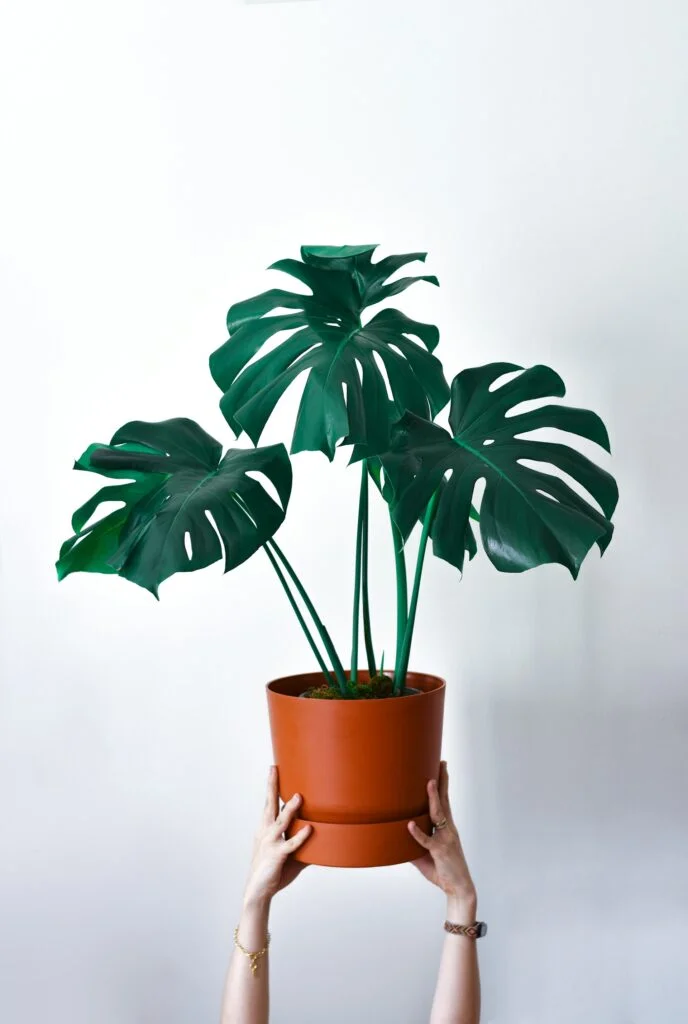
Monsteras grow best in bright light that isn’t directly hitting the plant. They naturally grow in tropical environments where sunlight is filtered through trees, so strong sun can damage their leaves while very low light slows their growth. If the leaves stop developing their natural holes or splits, it usually means the plant needs more light and should be moved closer to a window.
2. Watering: The Goldilocks Approach
These plants prefer balanced watering rather than very dry or overly wet soil. Water when the top layer of soil has dried slightly, which you can check by touching it. One of the most common problems is watering too often, and yellow leaves often indicate that the plant has been given too much water.
3. Humidity: Bring on the Tropics
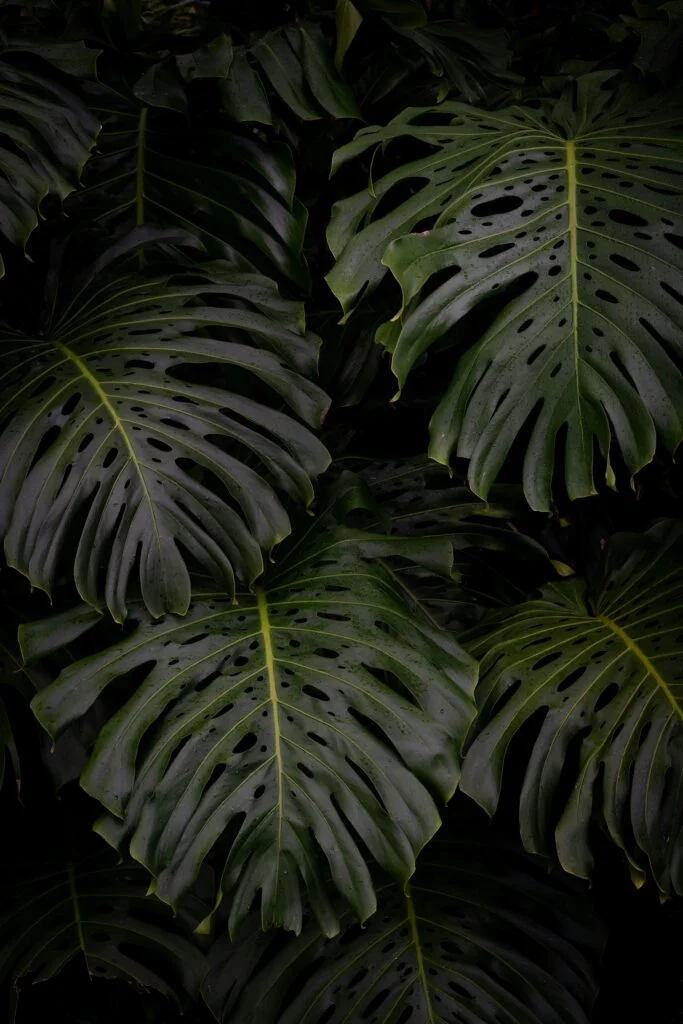
Because Monsteras come from tropical regions, they do better in environments with moderate to high humidity. If the air inside your home is very dry, increasing moisture in the air can help the plant stay healthy. Light misting, placing the pot on a pebble tray with water, or using a humidifier can all help improve humidity levels.
4. Soil: Drainage is Key
Healthy roots depend on soil that allows water to drain easily. A well-aerated houseplant mix works well, especially blends commonly used for aroid plants like Monstera. A mixture of potting soil, orchid bark, and perlite or pumice creates a loose structure that helps excess water flow out and protects the roots from rot.
5. Feeding Time: Fertilizer = Happy Monstera
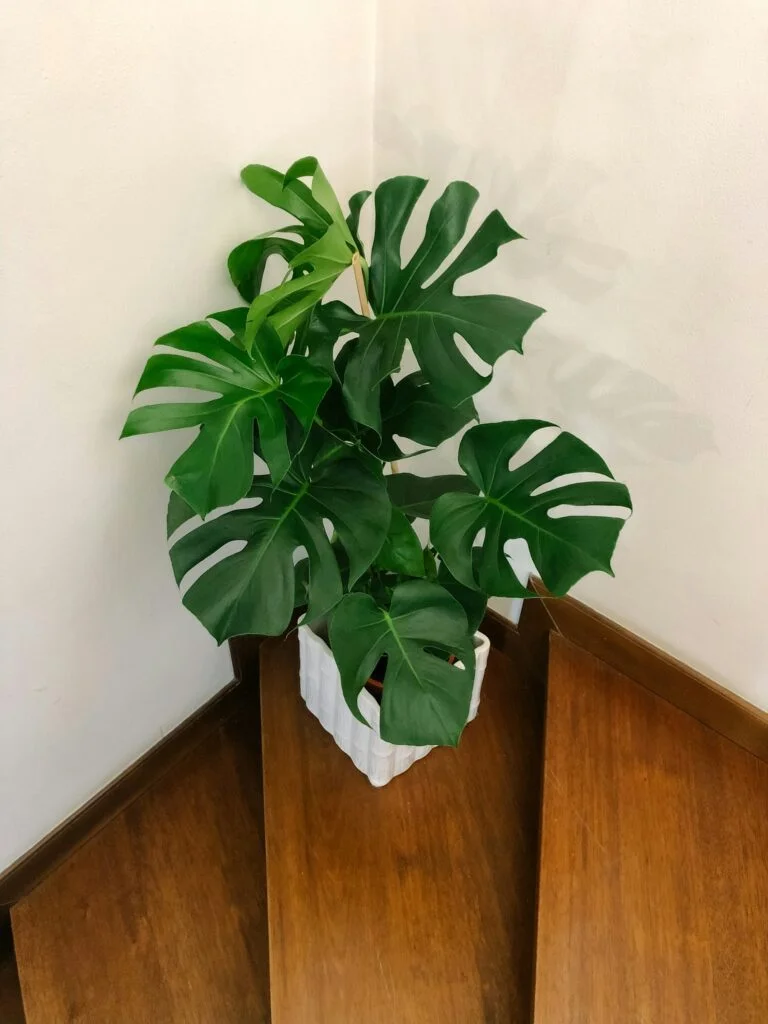
Monsteras benefit from extra nutrients during their active growing months in spring and summer. Applying a balanced liquid fertilizer occasionally can support healthy leaves and steady growth. It’s best to dilute the fertilizer so it isn’t too strong. During winter, feeding usually isn’t necessary because the plant naturally slows its growth.
6. Repotting: Give It Room to Grow
These plants can grow quickly, and eventually their roots may outgrow the pot. When roots start appearing through drainage holes or the plant seems crowded, moving it to a slightly larger pot helps provide more space. Repotting every year or two, especially in spring, usually keeps growth comfortable and healthy.
7. Support: Give It Something to Climb
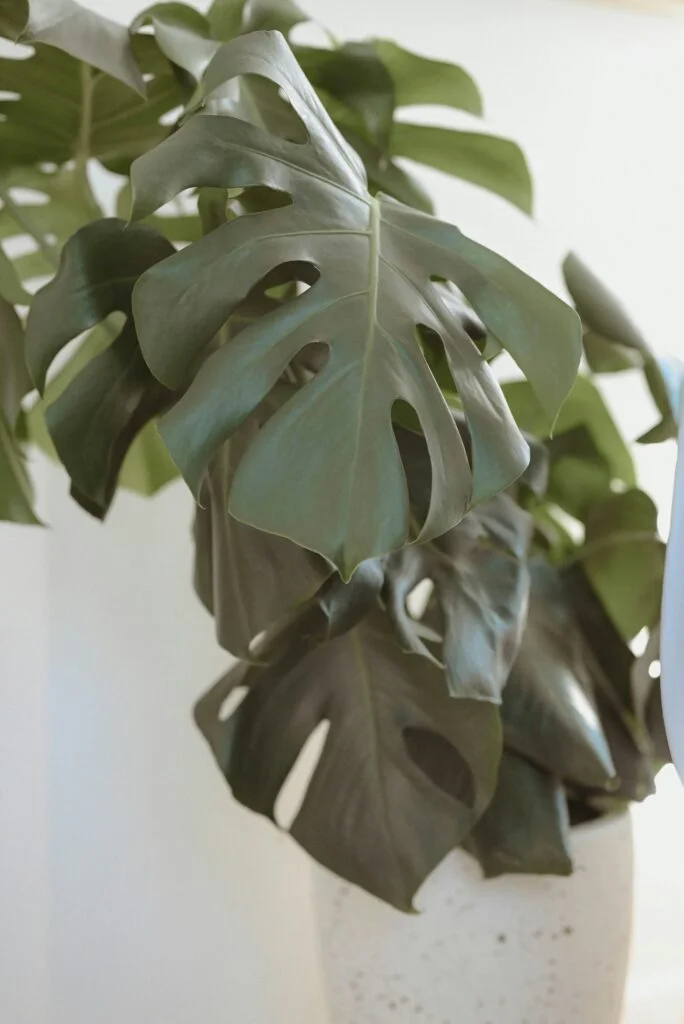
In nature, Monsteras climb upward using nearby trees for support. Providing a moss pole, stake, or trellis indoors helps recreate that natural habit. With support, the plant can grow upward and often produces larger leaves with more distinctive splits.
8. Pruning: Keep It Clean and Tidy
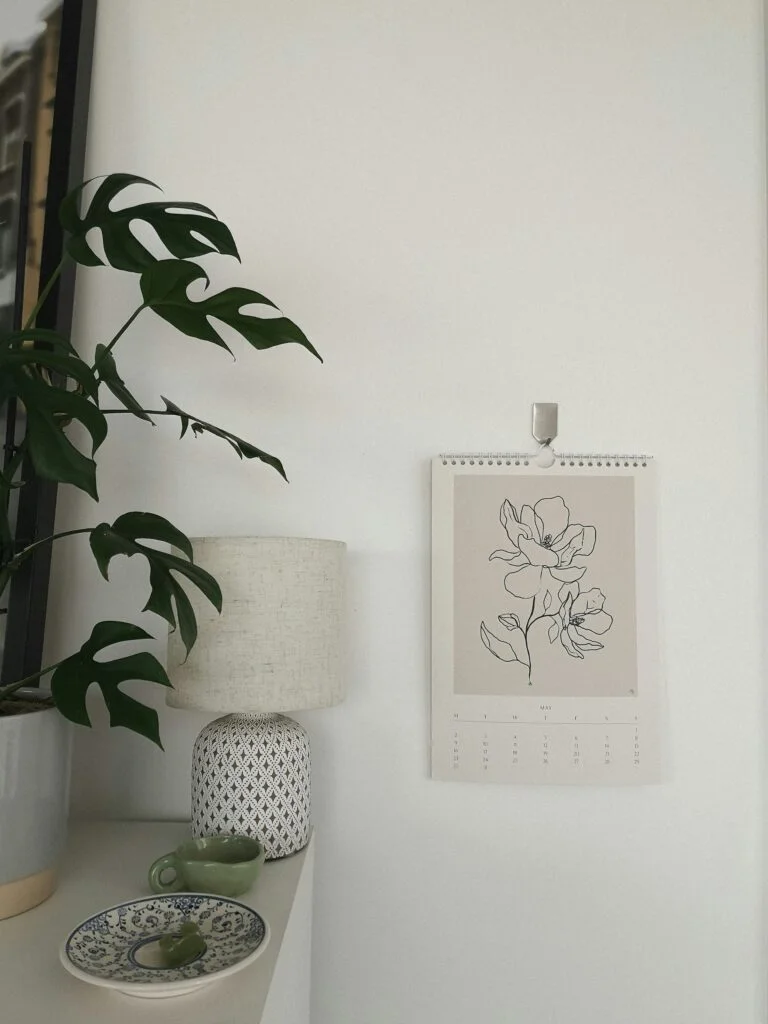
Occasional pruning helps maintain the plant’s health and appearance. Removing damaged, yellow, or dying leaves keeps the plant tidy and allows new growth to develop. If trimmed stems include nodes, they can also be used to grow new plants by placing them in water or soil.
Common Monstera Problems (and How to Fix Them)
Yellow leaves usually happen when the plant receives too much water, so checking the soil before watering again can help prevent it. Brown edges on leaves often indicate that the surrounding air is too dry and that the plant may need more humidity. Leaves without their typical splits can mean the plant needs brighter light or that it is still too young to develop them.
Final Thoughts of Monstera Plant Care Tips
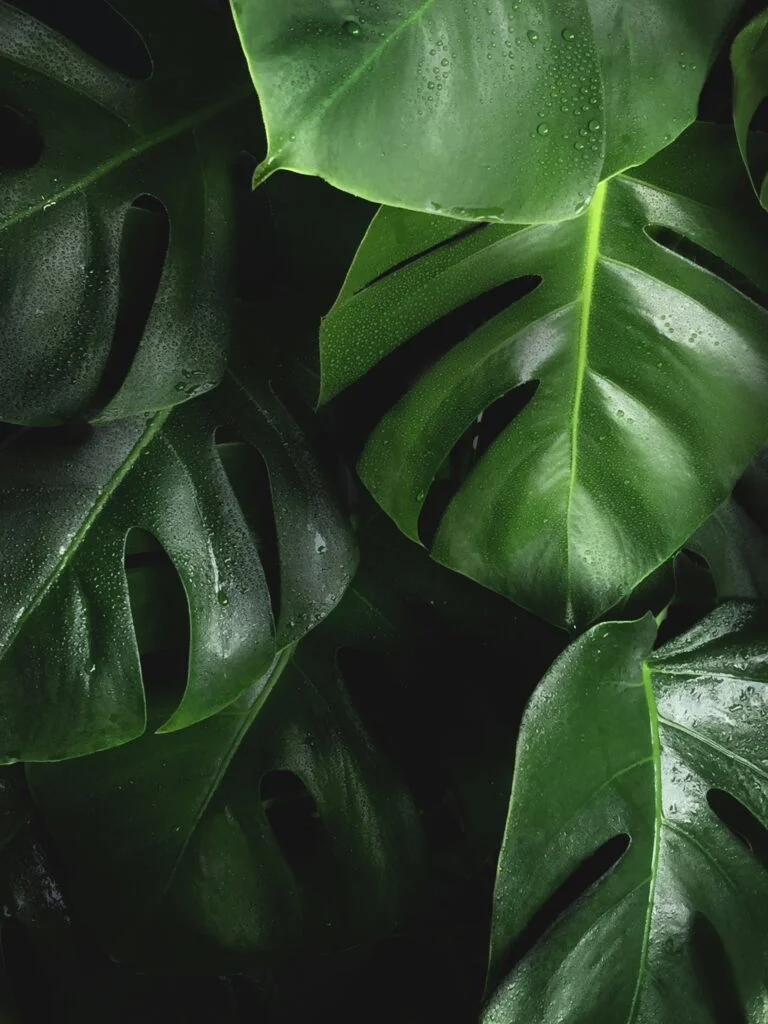
Monsteras are admired for their bold foliage and unique appearance, which makes them a favorite houseplant for many people. When their basic needs—light, water, humidity, and space—are met, they grow into striking plants that bring a vibrant, tropical feel to any room.
All content on this site is written and reviewed by our experienced team to ensure it is accurate, reliable, and helpful for our readers. Our Our Process page explains how we carefully research and create high-quality content, while our Team page introduces the professionals behind our work. We also provide clear guidelines for content or image concerns on our Image Removal page, so you can trust that we prioritize transparency, quality, and reader safety.