
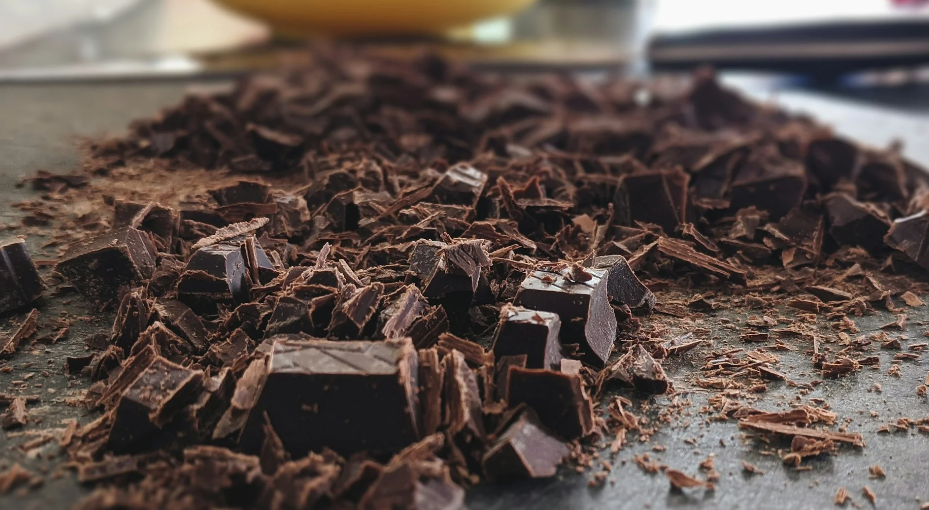
Help! My Dog Ate Chocolate now What?!
Imagine this: you turn your back for just a second, and suddenly your dog has polished off half a chocolate bar like it was the greatest prize on earth. Panic instantly sets in. But here’s the truth—chocolate is actually toxic to dogs, and it’s not something to take lightly.
Chocolate contains theobromine and caffeine, compounds that humans handle easily but dogs process very slowly. This means even a small amount can build up in their system and cause serious problems. The effects can range from vomiting and diarrhea to hyperactivity, restlessness, rapid heartbeat, tremors, seizures, or in extreme cases, collapse and death.
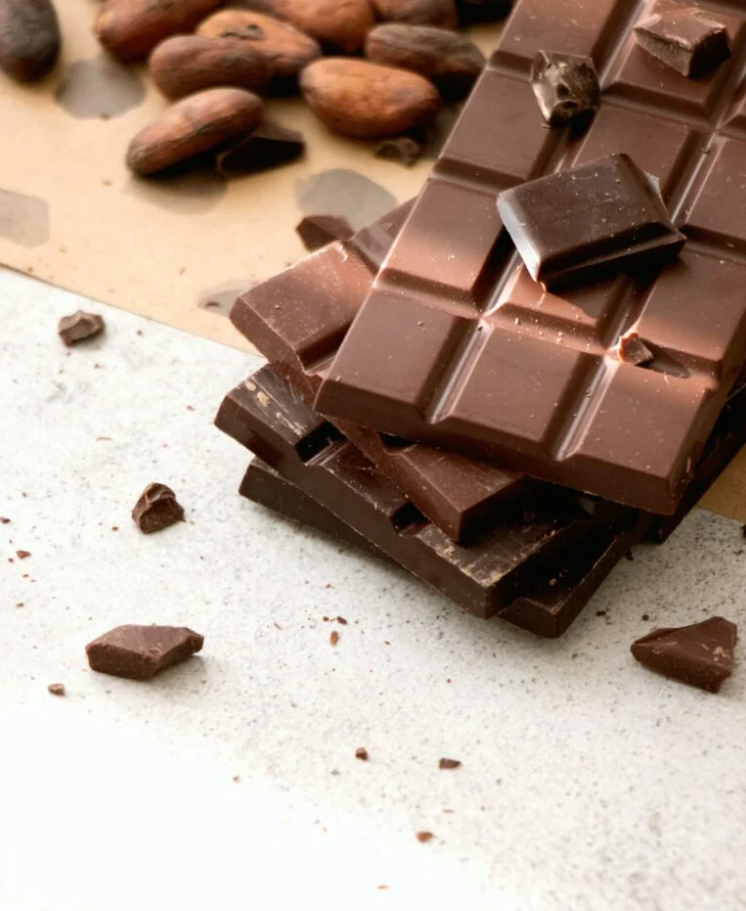
Not all chocolate is created equal. Dark chocolate and baking chocolate are far more dangerous than milk chocolate because they contain much higher levels of theobromine. Even a tiny bite of baking chocolate can be fatal for a small dog, while milk chocolate is risky but generally less deadly.
Step-by-Step: What to Do If Your Dog Eats Chocolate
Step 1: Stay Calm & Assess the Situation
First, take a deep breath. Panicking won’t help your dog, but thinking clearly will. Ask yourself a few questions:
- What kind of chocolate did they get into—milk, dark, baking chocolate?
- How much did they eat? A single bite or the whole bar?
- How big is your dog? Small dogs are at much higher risk than large ones.
Knowing these details will guide your next steps and help you decide if immediate vet attention is needed.
Step 2: Understand the Danger Level
You don’t have to guess how serious it is. In general:
- White chocolate – very low risk, almost no theobromine.
- Milk chocolate – moderate risk, can upset their stomach or cause mild symptoms.
- Dark chocolate – high risk, can cause serious toxicity.
- Baking chocolate & cocoa powder – extremely toxic, even a small amount is dangerous.
For example, a 10-pound dog eating just one ounce of dark chocolate is in serious danger. Meanwhile, a 50-pound dog nibbling a tiny bit of milk chocolate might be okay but still needs monitoring.
Step 3: Call Your Vet or a Pet Poison Helpline

If your dog ate a small amount of chocolate, they might only get a mild upset stomach. But if the amount is significant for their size, call your vet immediately. You can also reach out to poison control helplines like the ASPCA Poison Control (888-426-4435) or the Pet Poison Helpline (855-764-7661). These experts can tell you exactly what to do next and whether your dog needs urgent care.
Step 4: Induce Vomiting Only If Advised
Do not try to make your dog vomit on your own. If it’s been less than two hours since they ate the chocolate, your vet may instruct you to give hydrogen peroxide to induce vomiting. But this must be done carefully, because doing it incorrectly can make things worse. Always follow a professional’s guidance.
Step 5: Monitor for Symptoms
Even if your vet believes your dog will be fine, you need to watch them closely for the next 24 hours. Symptoms to look out for include:
- Vomiting or diarrhea
- Restlessness, pacing, or hyperactivity
- Rapid heartbeat
- Tremors or seizures
- Extreme thirst or frequent urination
If you notice any of these signs, take your dog to the vet immediately. Time is critical with chocolate toxicity.
How to Prevent Chocolate Poisoning in the Future
Once the panic is over, prevention is key because dogs never seem to learn from past mistakes. Here’s how to keep them safe:
- Keep chocolate completely out of reach. Store it in high cabinets or pet-proof containers. Never leave chocolate lying around, especially during holidays.
- Train your dog with the “leave it” command. A strong “leave it” can prevent them from snatching food from the floor, your hand, or anywhere they shouldn’t.
- Warn guests and kids. Many people don’t realize chocolate is toxic to dogs. Make sure everyone in your home knows not to feed your dog anything without asking.
- Provide dog-safe treats. If your dog has a sweet tooth, try carob-based snacks or other safe alternatives. They satisfy cravings without putting your pup at risk.
The Bottom Line: Don’t Panic, But Act Fast

Chocolate can be dangerous, but staying calm and acting quickly can save your dog. Remember:
- Milk chocolate is risky, dark chocolate and baking chocolate are highly dangerous.
- Small dogs are more vulnerable than larger dogs.
- Always call your vet if your dog eats a dangerous amount.
- Keep a close eye on them for at least 24 hours.
If your dog only got a tiny nibble, they will probably be fine—but if they went full chocolate thief mode, don’t take any chances. Call the vet and watch carefully. And maybe double-check your snack stash before they get a second chance!