Ollie Dog Food Copycat Recipes: 2 Homemade Versions That Come Pretty Close
I tried Ollie last year, and honestly, I was impressed right away. My dog Snickers cleaned his bowl faster than I’d ever seen. His coat improved, his energy was great, and everything about the food felt premium.
But then I really looked at the cost. Paying around $168 per month for a 15-pound dog didn’t sit right with me long-term. That’s over $2,000 a year for dog food.
Save For Later
So I decided to recreate it at home using the same ingredient approach. After testing multiple batches, I landed on two recipes that are very close in taste, texture, and nutrition. Snickers loves them just as much, and I’ve cut my costs by nearly 75%.
Quick Summary (Above the Fold)
I replaced Ollie with homemade meals using real meat, simple carbs, vegetables, organ meats, and fish oil. The result?
- Same excitement at mealtime
- Noticeable coat and digestion improvements
- Around $1,500 saved per year
- Full control over ingredients
These recipes follow the same structure as Ollie but are far more budget-friendly and easy to prep weekly.
Key Takeaways
- Homemade Ollie-style meals can reduce costs by 70–75%
- Organ meats are essential for real nutritional balance
- Salmon oil supports coat health within 2–3 weeks
- Batch cooking once a week saves time and effort
- Always include a calcium + multivitamin supplement
What Makes Ollie’s Food So Good (And What We’re Copying)
After reviewing Ollie’s ingredient list, I realized there’s no secret formula. It’s just well-balanced, real food cooked properly.
The biggest difference is ingredient quality. They use real meat as the base, not processed fillers. That alone explains why dogs respond so well.
They also keep carbs simple. Rice, potatoes, and sweet potatoes are easy on digestion and provide steady energy. I noticed Snickers had more consistent stools when eating these types of carbs.
Vegetables play a supporting role. Ingredients like carrots, peas, and spinach add fiber and micronutrients without making the food heavy.
The part most people overlook is organ meat. Small amounts of liver or kidney provide nutrients like vitamin A, iron, and B12. According to canine nutrition guidelines, organ meats should make up about 5–10% of the diet.
Lastly, they include omega-3 sources like salmon oil. This is key for skin, coat, and inflammation support.
Pro Tip: If you skip organ meat, you’ll need a stronger multivitamin to make up for the lost nutrients.
The Cost Difference
Switching to homemade made a huge financial difference for me.
- Ollie daily cost: about $5.60
- Homemade daily cost: about $1.40
That adds up to:
- Monthly savings: ~$126
- Yearly savings: ~$1,500
For larger dogs, the savings can easily exceed $2,000 per year.
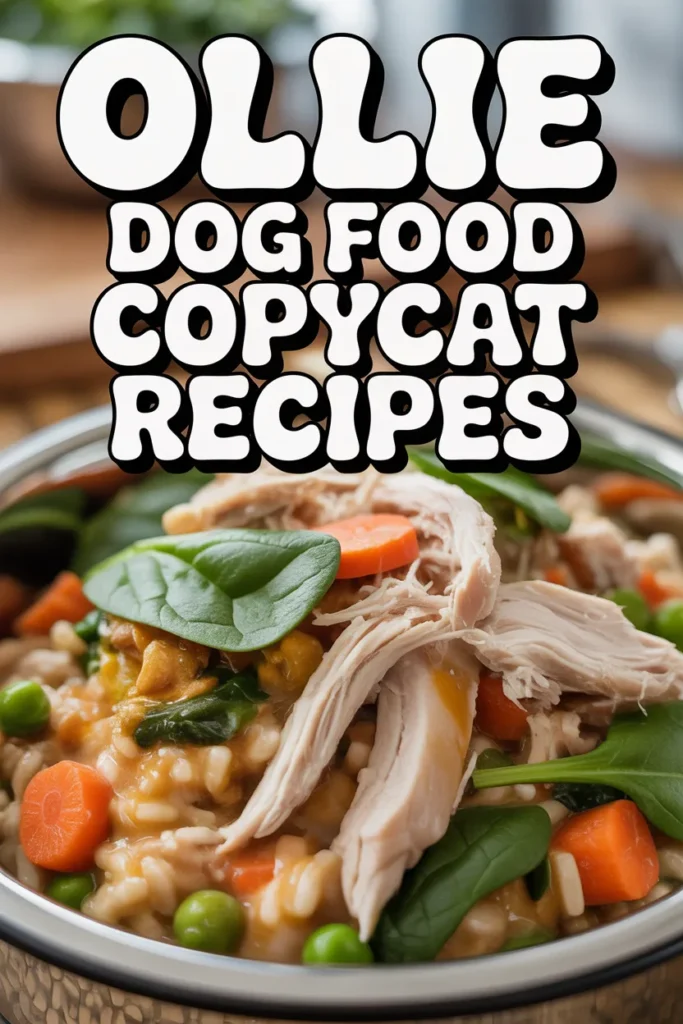
Recipe 1: Chicken & Carrots Copycat (Ollie’s Most Popular)
This is the first recipe I tested, and it’s still my go-to. It’s light, easy to digest, and works well for dogs with sensitive stomachs.
I noticed Snickers stayed more consistent in digestion on this one compared to richer meals.
Ingredients
- Chicken thighs (2 lbs)
- Chicken livers (4 oz)
- White rice (1.5 cups)
- Carrots (2 diced)
- Peas (1 cup)
- Spinach (1.5 cups)
- Unsweetened cranberries (2 tbsp)
- Salmon oil (1 tbsp)
- Calcium supplement
Steps
I start by cooking the chicken and liver together in water. This creates a nutrient-rich broth that I reuse later.
Once cooked, I remove the meat but keep the broth. That’s where most of the flavor is.
I cook the rice and carrots directly in that broth. This step makes a big difference in taste and texture.
While that cooks, I shred the chicken and mash the liver into a paste. This helps blend everything evenly so picky eaters don’t notice it.
Then I combine everything and add peas, spinach, and cranberries. I keep cooking minimal at this stage to preserve nutrients.
Finally, I mix in salmon oil after turning off the heat.
Pro Tip: Mash the liver completely smooth. Dogs are more likely to eat it when it’s fully blended.
Storage
- Fridge: up to 5 days
- Freezer: up to 3 months
I usually prep once a week, which saves me a lot of time.
Serving Guidelines
- 10 lbs: 1 cup daily
- 15 lbs: 1.5 cups daily
- 20 lbs: 1.75 cups daily
Adjust every 2 weeks based on weight and activity.
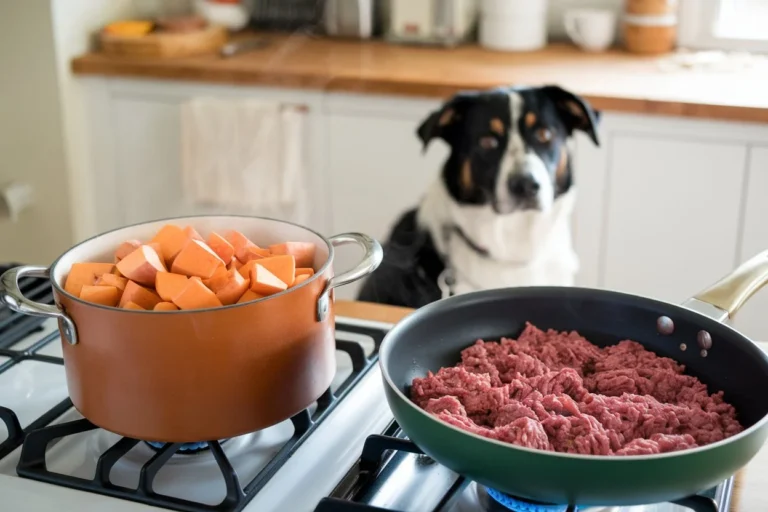
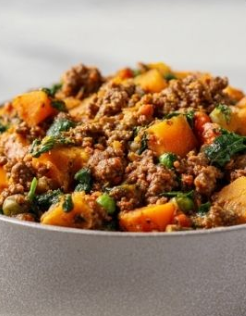
Recipe 2: Beef & Sweet Potato Copycat (Ollie’s Heartiest)
This recipe is richer and more filling. I use it as part of a rotation to keep things interesting.
It’s slightly higher in calories, so portions are smaller.
Ingredients
- Ground beef (2 lbs)
- Beef liver (3 oz)
- Sweet potato (1 large)
- Potato (1 medium)
- Carrots (2)
- Peas (1 cup)
- Spinach (1 cup)
- Chickpeas (1/3 cup)
- Salmon oil (1 tbsp)
- Calcium supplement
Steps
I cook the liver separately first and mash it into a paste.
Then I brown the ground beef without draining the fat. That fat is important for energy and flavor.
Next, I add potatoes, carrots, and water, letting everything simmer until soft.
I mash about half the potatoes to create a thick texture while leaving some chunks.
Then I add vegetables and the liver paste, mixing everything evenly.
Finally, I stir in salmon oil after turning off the heat.
Pro Tip: Don’t skip mashing part of the potatoes. That’s what gives the food that premium texture.
Storage
- Fridge: 5 days
- Freezer: 3 months
This recipe freezes better than the chicken one.
Serving Guidelines
- 10 lbs: 0.75 cups
- 15 lbs: 1.25 cups
- 20 lbs: 1.5 cups
How Close Is It, Really?
From my experience, the difference is minimal for a healthy dog.
The ingredients, ratios, and texture are very similar. The biggest gap is the exact vitamin blend Ollie uses.
I use a general multivitamin and calcium supplement instead. My vet reviewed the recipes and confirmed they’re balanced enough for regular feeding.
In a simple taste test, Snickers ate both versions without hesitation. That told me everything I needed to know.
Tips for Getting the Texture Right
Texture is what separates average homemade food from premium quality.
I always mash organ meat into a paste. This prevents dogs from picking it out.
Cooking carbs in broth instead of water improves both taste and consistency.
I also mash part of the rice or potatoes to create a thicker base.
Lastly, I add vegetables at the end to keep their color and nutrients intact.
FAQ
Can I use chicken breast?
Yes, but it’s leaner. I add extra oil to keep the food from drying out.
Do I need organ meat?
It’s not mandatory, but it improves nutrition significantly. Without it, supplementation becomes more important.
Is salmon oil necessary?
From my experience, yes. I noticed coat improvements within a few weeks.
Can I use other meats?
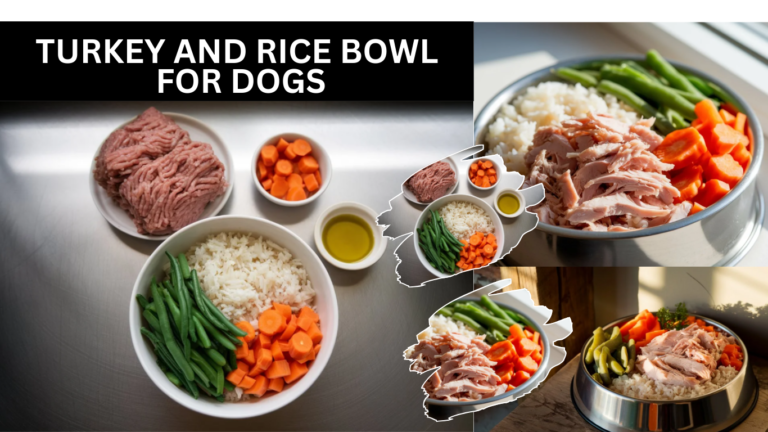
Turkey works well. Lamb is richer, so I reduce portions slightly.
How do I transition from Ollie?
I switch gradually over 7–10 days. This avoids digestive issues.
The $168 I Don’t Miss
I still think Ollie is a great product. It’s convenient and well-made.
But making it myself gave me control and significant savings. I know exactly what goes into every meal now.
More importantly, Snickers is just as happy, if not more. That’s what matters most to me.
If you’re currently using Ollie and thinking about cutting costs, I’d say try this for a week. The difference in your budget alone makes it worth testing.
All content on this site is written and reviewed by our experienced team to ensure it is accurate, reliable, and helpful for our readers. Our Our Process page explains how we carefully research and create high-quality content, while our Team page introduces the professionals behind our work. We also provide clear guidelines for content or image concerns on our Image Removal page, so you can trust that we prioritize transparency, quality, and reader safety.