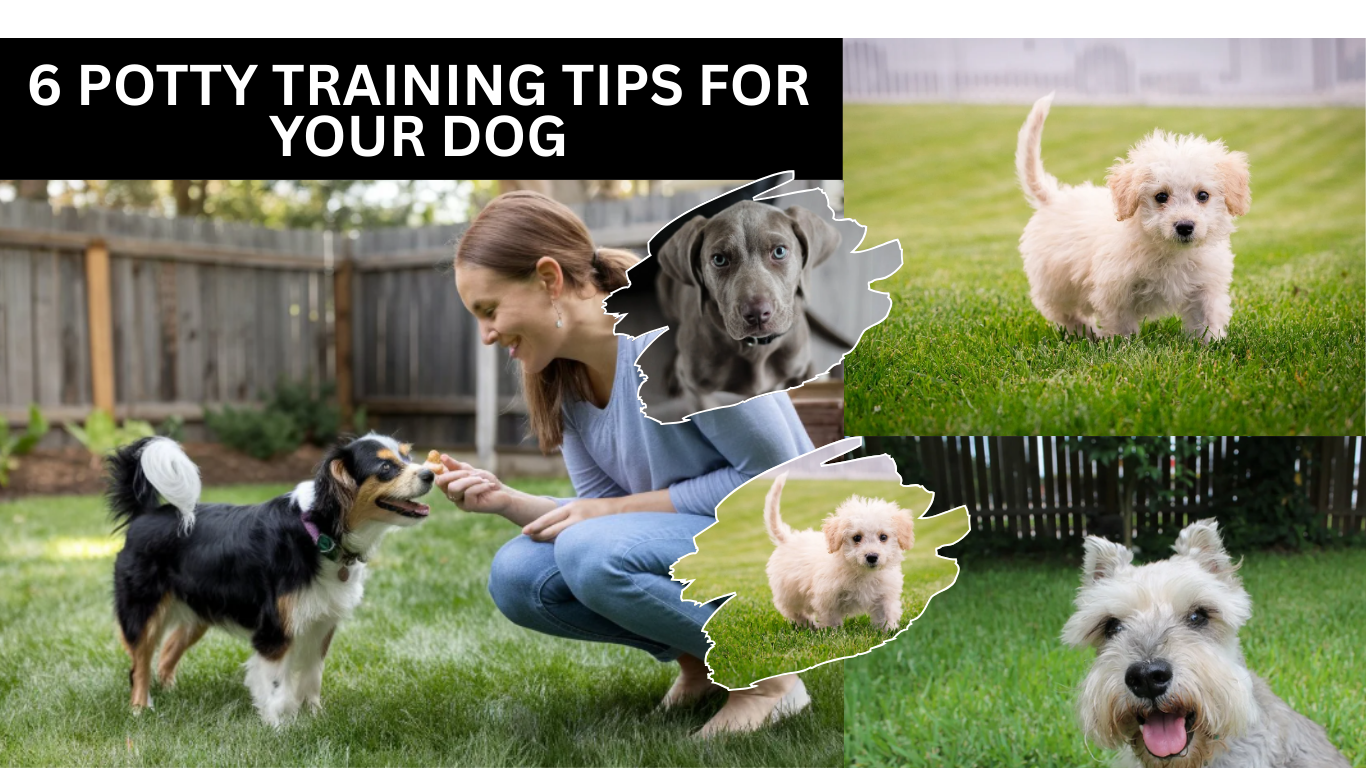
6 Potty Training Tips for Your Dog
Potty training a dog can honestly feel overwhelming at first. When you’re dealing with constant cleanups, sleepless nights, and that sinking feeling every time your puppy circles the rug, it’s easy to wonder if you’re doing something wrong. I’ve been there myself, and I know how frustrating it can be when progress feels slow or unpredictable. Dogs aren’t born knowing household rules, and learning where to go takes time, repetition, and a lot of patience from us.
The good news is that potty training doesn’t have to control your entire life or ruin your home. Once you understand how dogs think and why certain methods work better than others, everything starts to click. With consistency, clear signals, and the right mindset, most dogs can learn proper potty habits far sooner than many owners expect.
Below are six essential potty training tips that, when followed properly, can truly change the experience for both you and your dog.
Let’s dive in!
1. Set a Schedule—Because Dogs Love Routine
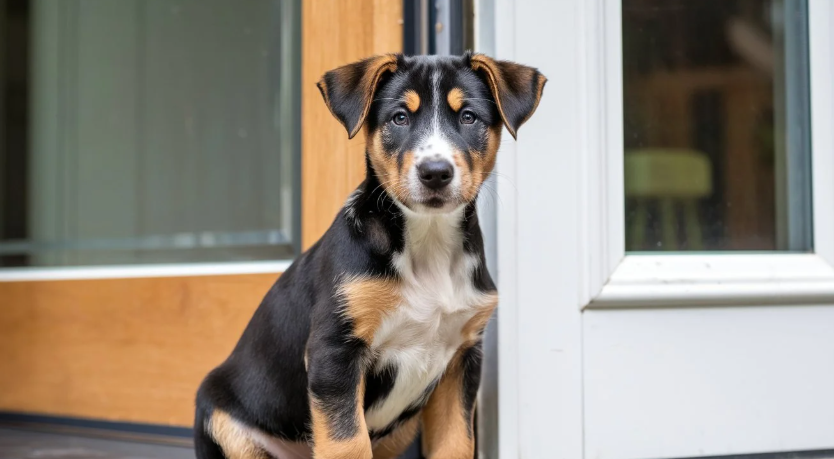
Dogs feel safest and most confident when their day follows a predictable pattern. When potty breaks happen randomly, dogs struggle to understand what’s expected of them. Setting a clear schedule removes that confusion and gives your dog repeated opportunities to succeed.
Taking your dog outside first thing in the morning, after every meal, after naps, and before bedtime helps their body adjust to a rhythm. Over time, their digestive system starts to align with these outings, making potty needs more predictable. Anytime there’s a change in activity—waking up, eating, or settling down—it’s usually a signal that they may need to go.
Feeding on a consistent schedule matters just as much. When meals happen at random times, potty needs become random too. By controlling feeding times, you gain better control over bathroom timing, which dramatically reduces surprise accidents.
2. Supervise, Supervise, Supervise!
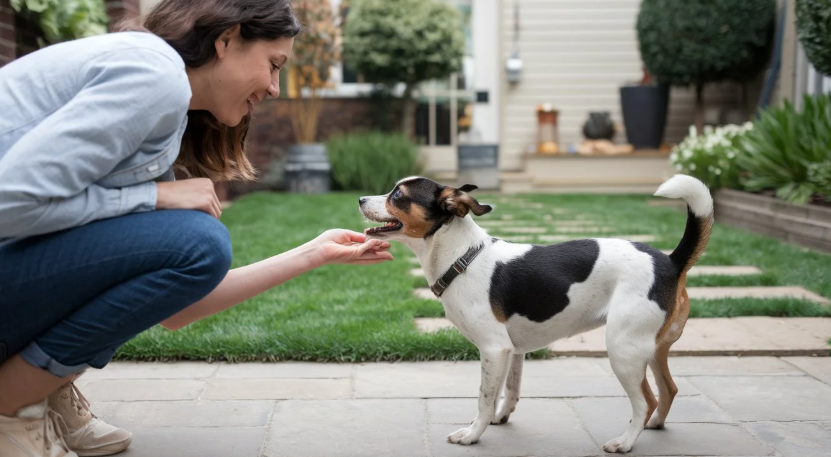
During potty training, freedom has to be earned. When dogs are left unsupervised too early, accidents are almost guaranteed. Watching your dog closely allows you to notice early signs that they need to go, such as sniffing the floor, circling, or suddenly wandering off.
When you catch these signs early and take your dog outside right away, you prevent accidents and reinforce the right behavior. Every avoided accident is a step forward in training.
When constant supervision isn’t possible, a crate can be extremely helpful. Dogs naturally avoid soiling the area where they sleep, which makes a properly sized crate a powerful potty training tool. That said, crates should never be used for long periods. Dogs still need regular bathroom breaks, and holding it too long can undo progress and cause stress.
3. Positive Reinforcement—Pee = Praise
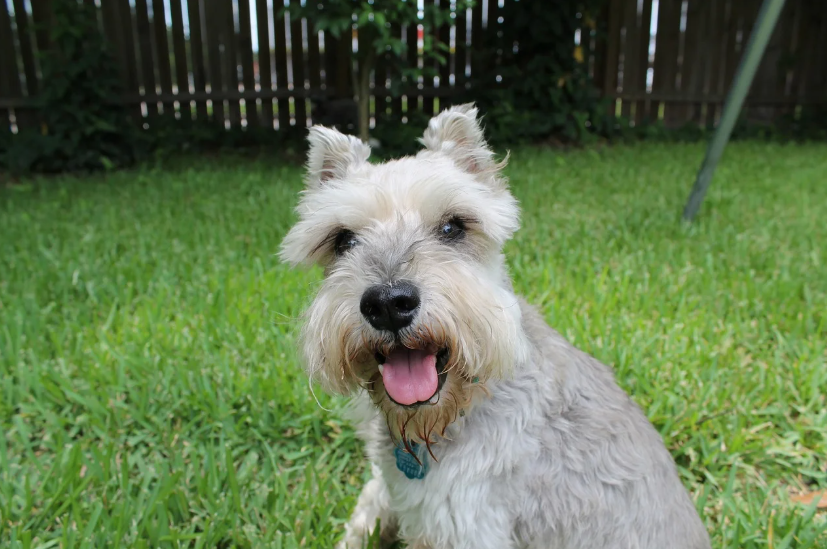
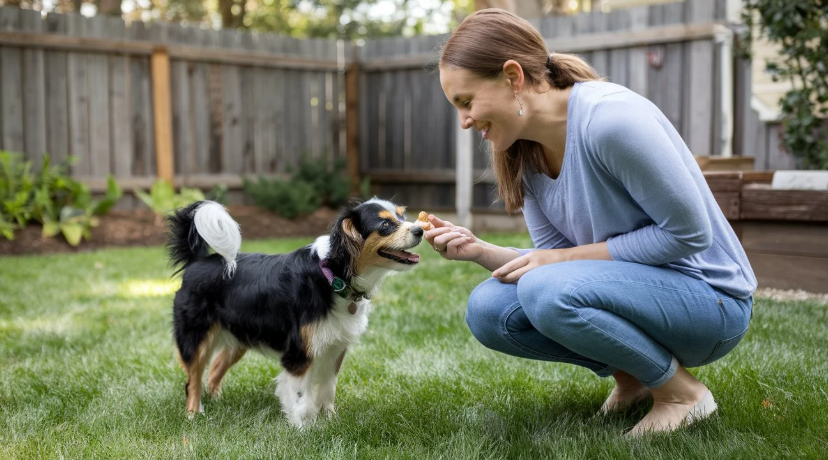
Dogs learn best when they understand what behavior makes you happy. When your dog goes potty in the correct spot, that moment should feel rewarding and exciting for them. Praise, treats, gentle affection, and an upbeat tone all help reinforce the idea that they did something right.
Timing is critical here. Rewards must happen immediately after your dog finishes going potty, not minutes later. This helps them clearly connect the action with the reward. When that connection is strong, dogs are far more likely to repeat the behavior.
From experience, enthusiasm matters more than people realize. Your dog doesn’t care if you feel silly praising them outside. What they care about is that your reaction tells them they succeeded.
4. Accidents Happen—Don’t Freak Out!
Even with the best routine and supervision, accidents are part of the learning process. Dogs don’t have accidents out of stubbornness or spite. They’re still learning how to control their bodies and understand expectations.
If you catch your dog in the middle of an accident, calmly interrupt and take them outside right away. When they finish in the correct spot, reward them just as you would during a successful potty break. This reinforces the right behavior without creating fear.
Punishment, yelling, or harsh reactions only create anxiety and confusion. Dogs don’t understand delayed punishment, so reacting after the fact doesn’t teach them anything useful. If you discover an accident later, the best response is to clean it thoroughly and move on.
Removing odors completely is important because lingering smells can signal to your dog that the area is an acceptable potty spot. A proper cleaner helps prevent repeat accidents in the same location.
5. Use a Cue Word—Because Dogs Are Smarter Than You Think
Dogs are excellent at learning word associations when they’re taught clearly and consistently. A cue word gives your dog a verbal signal that it’s time to go potty. Saying the same phrase every time they start to go helps them link the words with the action.
Over time, this allows you to encourage your dog to go when you need them to, rather than waiting for them to decide. This can be incredibly helpful during bad weather, busy mornings, or bedtime outings.
The key is to say the cue while your dog is actively going, not before. This ensures the word is tied to the correct behavior and doesn’t become background noise.
6. Stay Consistent and Be Patient—Rome Wasn’t Built in a Day (and Neither is Potty Training)
Potty training is not a race, and expecting instant results only leads to frustration. Every dog learns at their own pace based on age, past experiences, and environment. Some dogs catch on quickly, while others need more repetition and reassurance.
Consistency is what makes progress stick. Using the same schedule, the same cues, and the same rewards creates clarity for your dog. When expectations stay the same every day, learning becomes much easier for them.
Patience is just as important. There will be setbacks, but setbacks don’t mean failure. Dogs want to do the right thing—they just need time, guidance, and understanding to get there.
FAQs About Dog Potty Training
Q: How long does potty training take?
Every dog is different, but most dogs take anywhere from a few weeks to several months to become reliable. Age, consistency, and environment all play a role.
Q: Can I use pee pads inside while I train my dog?
Pee pads can work temporarily, but they may make it harder for dogs to fully understand that potty time happens outdoors. If your goal is outdoor training, skipping pads can help avoid confusion.
Q: What if my dog has accidents even after being trained?
Occasional accidents can happen due to stress, changes in routine, or illness. If accidents start happening often again, revisiting training basics or consulting a vet can help identify the cause.
Final Thoughts of Potty Training Tips for Your Dog
Potty training isn’t always easy, but it becomes manageable when you approach it with structure, calmness, and clear communication. Dogs learn best when they feel supported rather than punished. With consistent routines, positive reinforcement, and patience, most dogs develop reliable potty habits that last a lifetime.