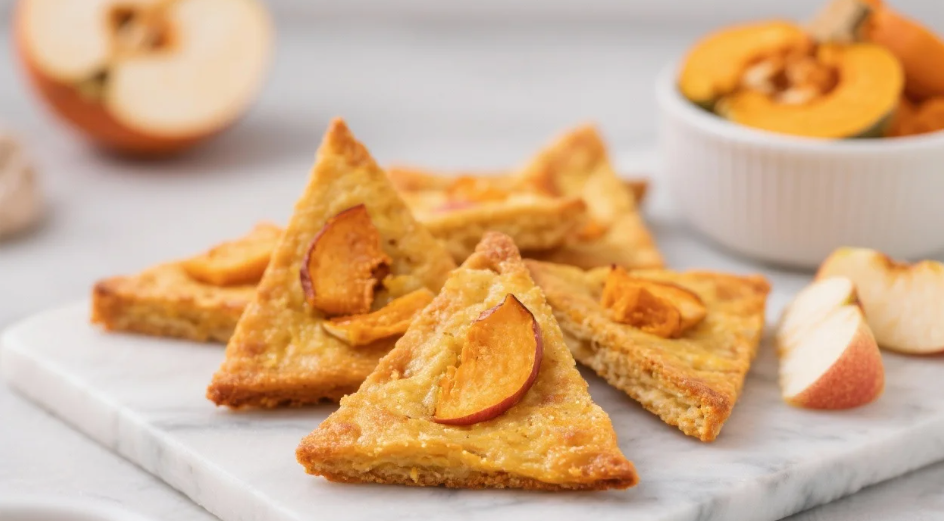
Pumpkin & Apple Triangles For Dogs– Healthy Dog Snacks
When you’re trying to find a homemade treat that feels safe, simple, and genuinely good for your dog, recipes like these are a relief. There’s nothing complicated here—just familiar ingredients that most dogs already tolerate well. The light sweetness comes naturally from fruit, not from added sugars, and the texture is easy to adjust depending on whether your dog prefers something crunchy or a little softer. If your dog has ever had an upset stomach after store-bought treats, this kind of recipe feels like a smarter, calmer option.
You can bake a batch on the weekend and have treats ready for the week. Plus, they’re budget-friendly and use everyday ingredients you likely already have.
One of the biggest advantages of making treats like this at home is convenience. You can prepare them once and store them easily, which means fewer last-minute trips to the pet store. The ingredients are affordable and familiar, and you’re not paying extra for packaging or fillers. It’s the kind of recipe that fits naturally into a regular routine without feeling like extra work.
Ingredients
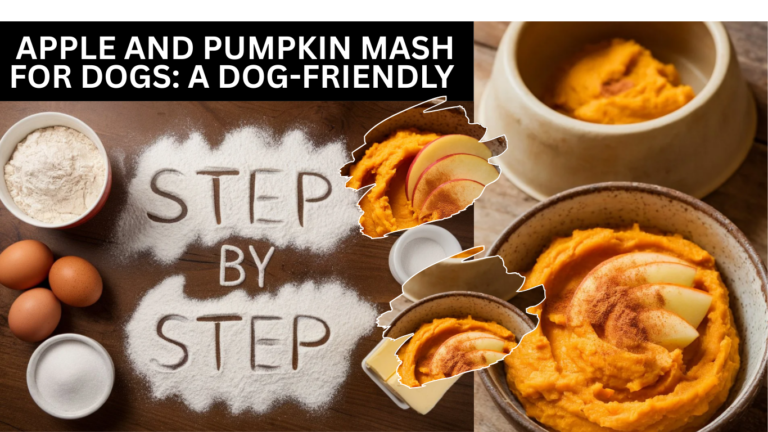
Every ingredient serves a purpose. Pumpkin adds bulk and fiber that many dogs tolerate well, apples bring natural flavor without needing sugar, and the egg helps bind everything together. The flour provides structure, while optional oats add texture for dogs who enjoy a bit more bite. Even the optional additions are included with caution, keeping sensitive stomachs in mind.
Instructions
The process is intentionally straightforward. You don’t need special equipment or advanced baking skills. Everything mixes together easily, and the dough is forgiving. If it feels too dry or too sticky, small adjustments fix it quickly. Shaping the dough into triangles makes portion control easier, especially if you’re using the treats for training or frequent rewards. Baking time can be adjusted slightly depending on whether your dog prefers a crunchier texture or something softer.
What Makes This Special
What sets these treats apart is how balanced they are. They’re made from real foods you recognize, without hidden extras. The preparation is simple, the portioning is easy, and the treats work well for both casual rewarding and structured training. Pumpkin is often used to support digestive balance, and when paired with apple, it creates a mild flavor most dogs enjoy without overwhelming their stomachs.
Ingredients
Repeating the ingredient list reinforces clarity and makes it easy to double-check everything before starting. There’s nothing unnecessary here—just clean, basic components that work well together.
How to Make It
Start by preparing your baking space so everything is ready before mixing. Combining the wet ingredients first creates a smooth base, making it easier to blend in the dry ingredients evenly. The dough should feel soft and workable, not sticky or crumbly. Rolling it out gives you control over thickness, which directly affects texture after baking. Cutting consistent pieces helps ensure even cooking, and spacing them slightly on the tray allows airflow so they bake properly. Cooling is important—treats firm up as they cool, and serving them too warm can affect texture and storage.
Storage Instructions
Storage depends on how crisp you bake them. Fully cooled treats can sit at room temperature briefly, but refrigeration extends freshness. Freezing works well if you want to make larger batches. If moisture softens them over time, a short re-bake restores texture without drying them out completely.
Health Benefits
These treats offer functional nutrition rather than empty calories. The fiber supports digestion, vitamins contribute to overall wellness, and the lack of added fats or sugars keeps them suitable for regular use. Using simple grains or grain alternatives also makes them easier to digest than richer commercial treats.
Common Mistakes to Avoid
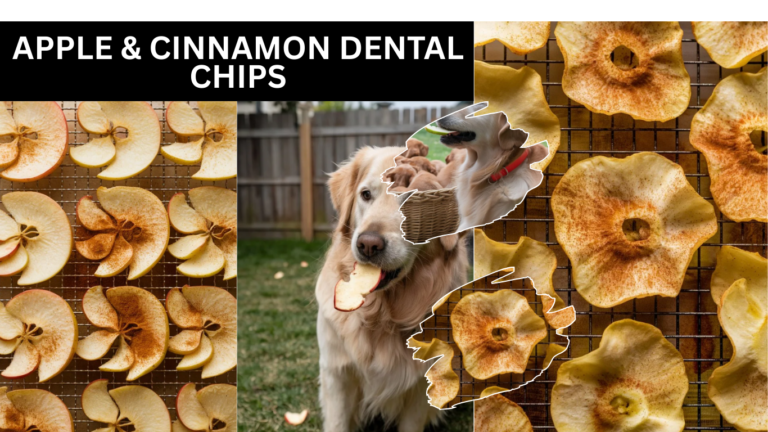
Using the wrong type of pumpkin is one of the most common errors and can change both safety and digestion. Apple seeds and cores should always be removed. Baking too long can create treats that are too hard, especially for older dogs. Size matters as well—smaller pieces reduce choking risk and help with portion control. Even healthy treats should be given in moderation.
Alternatives
This recipe adapts well to different needs. Flour substitutions can help dogs with sensitivities. Small flavor additions can boost aroma without overwhelming the base recipe. Protein additions should stay minimal to avoid excess fat. Shape changes are purely practical and can make the treats more convenient for training sessions.
FAQ of Pumpkin & Apple Triangles For Dogs
Can I use fresh pumpkin instead of canned puree?
Fresh pumpkin works well when cooked properly and drained so the texture stays thick and manageable.
Is cinnamon safe for dogs?
Small amounts of plain cinnamon are generally fine, but it’s always optional and best avoided for sensitive dogs.
My dog is allergic to wheat. What can I use?
Oat flour or rice-based blends are suitable alternatives, with small adjustments to moisture.
How many treats can my dog have per day?
Treats should stay within a reasonable portion of daily calories and be adjusted based on size and activity.
Can puppies eat these?
Puppies can have them in small amounts, baked slightly softer and always supervised.
Do I need to peel the apple?
Peeling isn’t required, but it can help dogs with delicate digestion.
How do I know when they’re done?
Texture and color are the best indicators, with firmness increasing as they cool.
Can I add cheese or meat?
These can be added sparingly, but the base recipe remains the gentlest option.
What if my dog has diarrhea after trying them?
Stop feeding immediately and return to the regular diet. Ongoing symptoms should be checked by a vet.
Can I air-fry these?
Air frying works at a lower temperature with close monitoring for doneness.