7 Mistakes Siamese Cat Owners Make (And How to Avoid Them)
Siamese cats are not your typical laid-back house cats. They’re intelligent, highly social, incredibly vocal, and often behave more like tiny supervisors than pets. In my two decades of working with dogs and other companion animals, I’ve met many Siamese cats through clients and friends—and I’ve seen firsthand how their personalities can surprise even experienced pet owners.
They’ll follow you everywhere, demand attention at the most inconvenient times, and quickly learn how to open doors or cabinets you thought were secure. Living with a Siamese often feels like having a curious, talkative roommate who expects to be part of everything you do.
Key Takeaways
- Siamese cats are highly social and require daily attention and interaction.
- They are one of the most vocal cat breeds and communicate frequently with their owners.
- Mental stimulation is essential to prevent boredom and destructive behavior.
- Siamese cats form strong emotional bonds and may develop stress if ignored.
- Proper diet, dental care, and routine vet visits help prevent common health issues.
- Cat-proofing your home is important because Siamese cats are extremely intelligent.
- Positive reinforcement and patience help maintain a happy and confident cat.
According to the Cat Fanciers’ Association, Siamese cats consistently rank among the most popular and recognizable cat breeds worldwide, largely because of their striking appearance and bold personalities. But that personality also means they require a slightly different approach to care than many other cats.
Below are the most common mistakes Siamese cat owners make—and how you can avoid them.
1. Ignoring Their Need for Attention
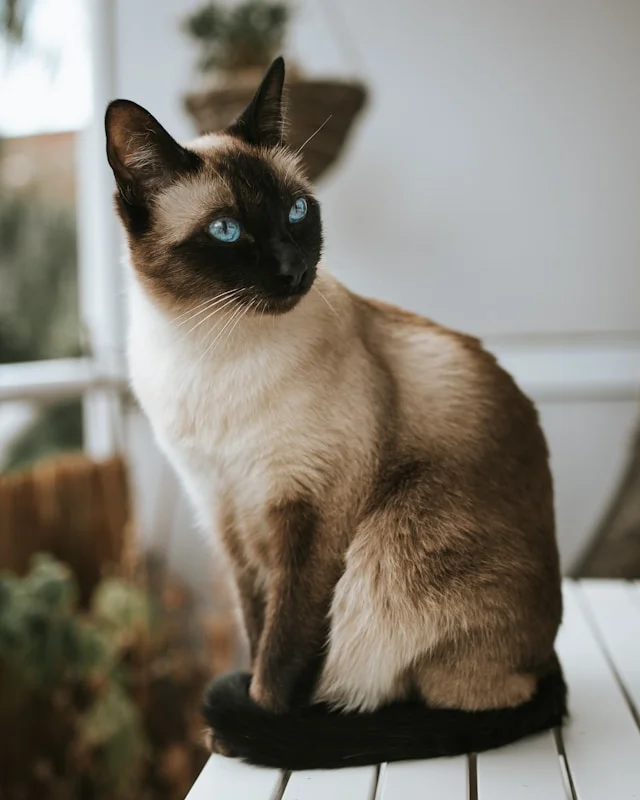
One of the biggest mistakes new Siamese owners make is assuming they will behave like independent cats.
In reality, Siamese cats crave companionship. They enjoy being near their humans almost constantly and often follow people from room to room. I’ve seen many pet owners underestimate this need, which can lead to attention-seeking behaviors like excessive meowing, knocking objects off tables, or scratching furniture.
From my experience working with pet households, animals that are highly social—dogs and Siamese cats alike—do best when they receive daily interaction.
How to avoid this mistake
- Schedule dedicated playtime every day.
- Offer affection and gentle interaction throughout the day.
- If you work long hours, consider adopting another compatible cat for companionship.
Cats that receive consistent interaction tend to show fewer stress behaviors and build stronger bonds with their owners.
2. Underestimating How Vocal They Are
If you’ve never lived with a Siamese cat before, their vocal nature can be shocking.
These cats are famous for their loud, expressive voices. Unlike many breeds that quietly meow occasionally, Siamese cats often “talk” to their owners throughout the day. They may vocalize when they’re hungry, bored, excited, or simply want attention.
In fact, behavioral studies show Siamese cats are among the most communicative domestic cat breeds, using a wide variety of tones and pitches.
How to avoid this mistake
- Pay attention to patterns in their vocalizations.
- Respond calmly instead of ignoring them completely.
- Make sure their basic needs—food, play, and attention—are consistently met.
Over time, most owners learn to recognize their Siamese cat’s different “conversations.”
3. Not Providing Enough Stimulation
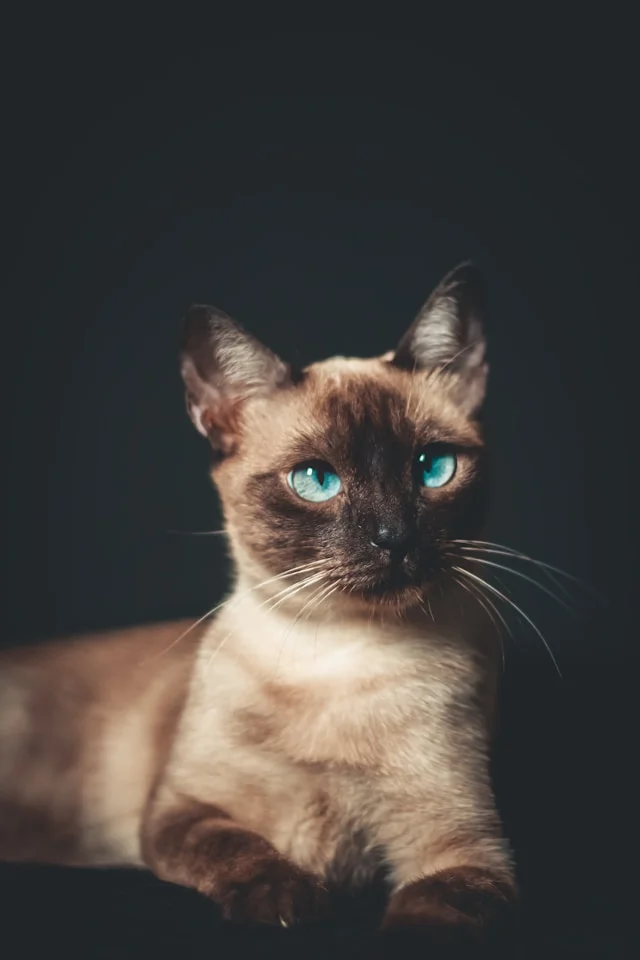
Siamese cats are incredibly intelligent and curious. Without enough mental stimulation, they quickly become bored—and boredom often leads to mischief.
I’ve seen cats in under-stimulated environments learn to open cabinets, unravel toilet paper rolls, and push objects off counters just to create entertainment.
A bored Siamese will find something to do, even if it means turning your living room into a playground.
How to avoid this mistake
Provide plenty of enrichment opportunities, such as:
- Tall cat trees and climbing shelves
- Interactive wand toys
- Puzzle feeders or treat toys
- Rotating toy selections every week
- Window perches for bird watching
Studies on feline enrichment show that interactive play can significantly reduce destructive behaviors and improve overall cat well-being.
4. Thinking They’re Just Like Other Cats
Many owners assume all cats have similar personalities. Siamese cats prove that assumption wrong very quickly.
Compared to many breeds, Siamese cats are:
- More social
- More vocal
- More curious
- More attached to their humans
Some even show dog-like behaviors such as greeting owners at the door or learning tricks.
From my experience in animal behavior and training environments, highly intelligent animals thrive when owners embrace their personality instead of trying to change it.
How to avoid this mistake
Adjust your expectations early. If you want a quiet, independent cat, the Siamese breed may not be the best fit. But if you enjoy a playful and interactive companion, they can be incredibly rewarding pets.
5. Not Cat-Proofing the House
Siamese cats are surprisingly clever problem-solvers.
I’ve watched them figure out how to open cupboards, slide doors, and investigate nearly every corner of a home. Because of this curiosity, leaving dangerous items within reach can become risky.
Common hazards include:
- Toxic plants
- Cleaning chemicals
- Fragile decorations
- Human foods that are unsafe for cats
How to avoid this mistake
- Install child-safety locks on cabinets.
- Keep cleaning products in sealed storage areas.
- Move breakable objects to safer locations.
- Secure trash cans and food containers.
A well-prepared home reduces accidents and protects curious pets.
6. Neglecting Health and Diet
Siamese cats are generally healthy, but like all breeds they can be prone to specific health concerns.
Some commonly reported issues include:
- Dental disease
- Respiratory sensitivity
- Progressive retinal atrophy (in rare cases)
Diet also plays a major role in long-term health. Cats are obligate carnivores, meaning their bodies require high-quality animal protein to thrive.
How to avoid this mistake
- Choose high-protein cat food with real meat as the primary ingredient.
- Schedule routine veterinary checkups at least once a year.
- Monitor weight and activity levels.
- Practice dental care, such as brushing teeth or using vet-approved dental treats.
Veterinary research shows that up to 70% of cats develop dental disease by age three, making preventive care extremely important.
7. Forgetting About Their Emotional Side
Siamese cats are deeply emotional animals that form strong attachments to their families.
When ignored, punished harshly, or left alone for long periods, they can develop anxiety or stress-related behaviors. This may appear as excessive vocalization, hiding, or changes in appetite.
In my years working with pet owners, I’ve seen how emotional well-being plays a huge role in an animal’s behavior—whether it’s a dog or a cat.
How to avoid this mistake
- Use positive reinforcement rather than punishment.
- Create quiet resting areas where your cat can retreat.
- Maintain a consistent routine for feeding and playtime.
- Provide affection and reassurance regularly.
Cats that feel safe and emotionally secure tend to be more confident and well-behaved.
Quick Recap
- Siamese cats thrive on attention and companionship.
- Their vocal personality is completely normal.
- Mental stimulation prevents boredom and destructive behavior.
- They behave differently from many other cat breeds.
- Cat-proofing your home protects curious explorers.
- Proper nutrition and veterinary care are essential.
- Emotional connection plays a big role in their happiness.
Final Thoughts
Living with a Siamese cat is an experience unlike owning most other pets. They are expressive, curious, affectionate, and sometimes a little dramatic—but that’s exactly what makes them so lovable.
Over the years, I’ve worked with countless pet owners and seen how animals with strong personalities bring the most joy when their needs are truly understood. Siamese cats are no exception.
When you give them attention, mental stimulation, proper care, and plenty of love, they become incredibly loyal companions who want to be part of your daily life.
At the end of the day, Siamese cats don’t just want a place to live—they want to be involved in everything you do. And if you welcome that big personality into your home, they’ll reward you with endless affection, entertaining conversations, and a bond that lasts for many years.