5 Simple Steps to Teach Your Dog to Roll Over Like a Pro
Teaching my dog new tricks has always been one of the most rewarding parts of being a pet parent. Not only does it strengthen our bond, but it also keeps my dog mentally stimulated and confident. One trick that never fails to impress friends is “roll over.” While it may look tricky, breaking it down into clear steps makes it simple for both of us.
Save For Later
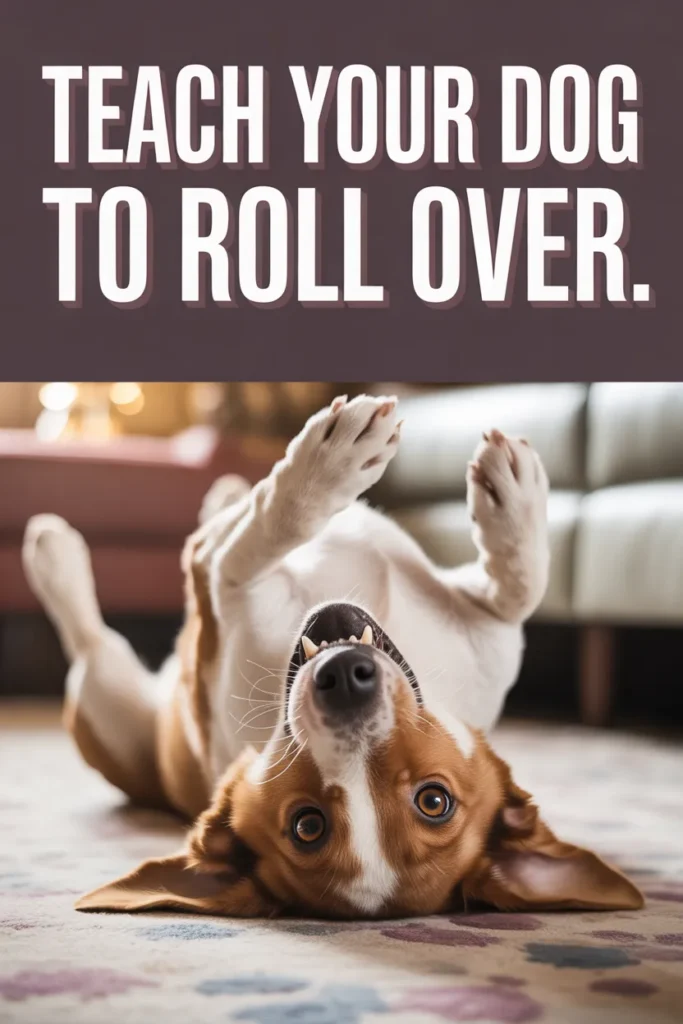
With the right approach, patience, and rewards, you can turn your pup into a rolling superstar in no time. Here’s how I do it.
Before You Start: Essential Training Tips
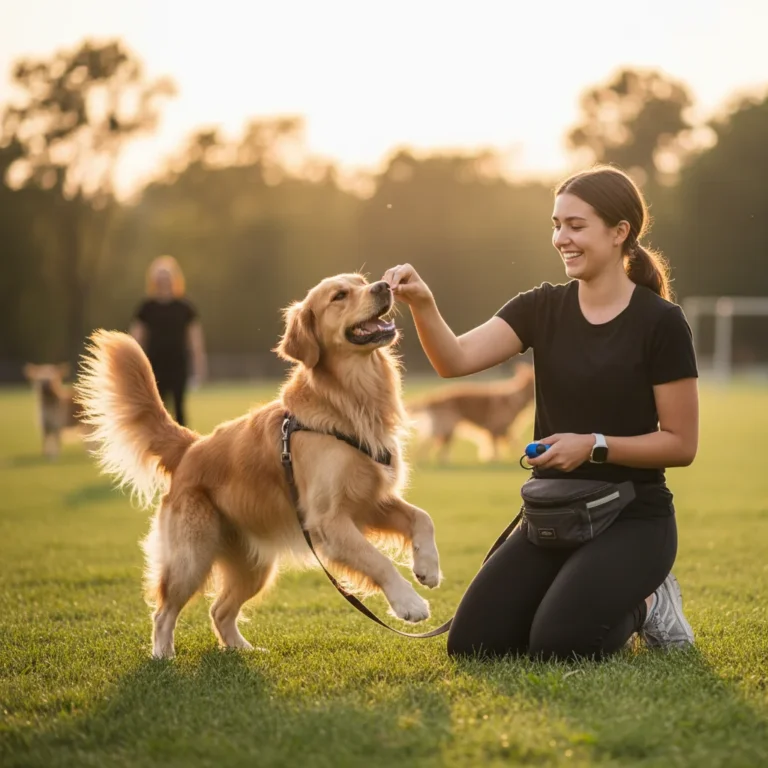
Setting the stage is crucial. I always start by keeping sessions short—about 5–10 minutes—so my dog doesn’t get tired or distracted. Positive reinforcement is key; I use high-value treats, praise, and gentle pets rather than corrections.
I train in a quiet, familiar spot with a soft surface like a rug or carpet. Every dog learns differently, so patience is vital. One thing I never skip is making sure my dog is comfortable with the “lie down” command before attempting “roll over.”
Pro Tip: Celebrate small victories and keep a calm, encouraging tone—it makes learning faster and more fun.
Step 1: Lie Down & Side Lure
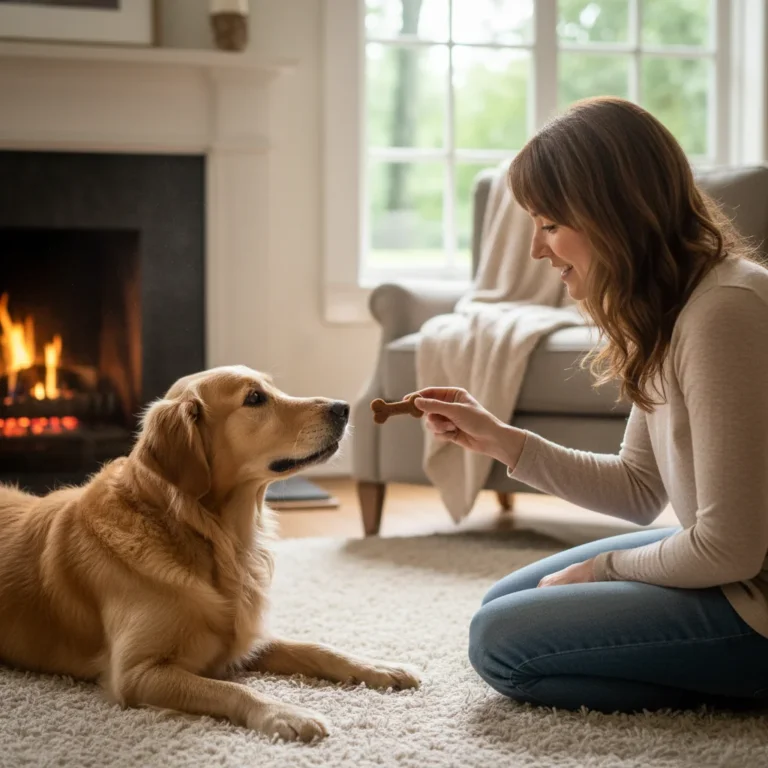
I start by asking my dog to lie down. Then, I hold a treat close to their nose and slowly move it toward their shoulder, curving it toward their hip. Even if their body only shifts slightly, I mark the behavior with a “Yes!” and reward.
This step helps my dog get used to shifting onto their side, which is the foundation for the full roll. I aim for smooth, confident movements rather than rushing.
Goal: My dog lies down and comfortably rolls onto their side when lured.
Step 2: Luring the Full Roll
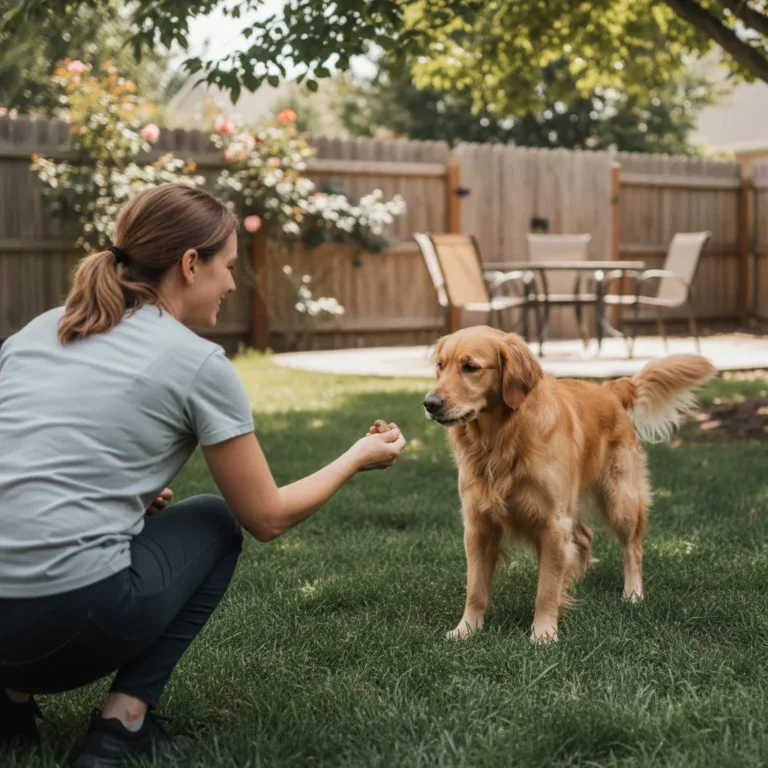
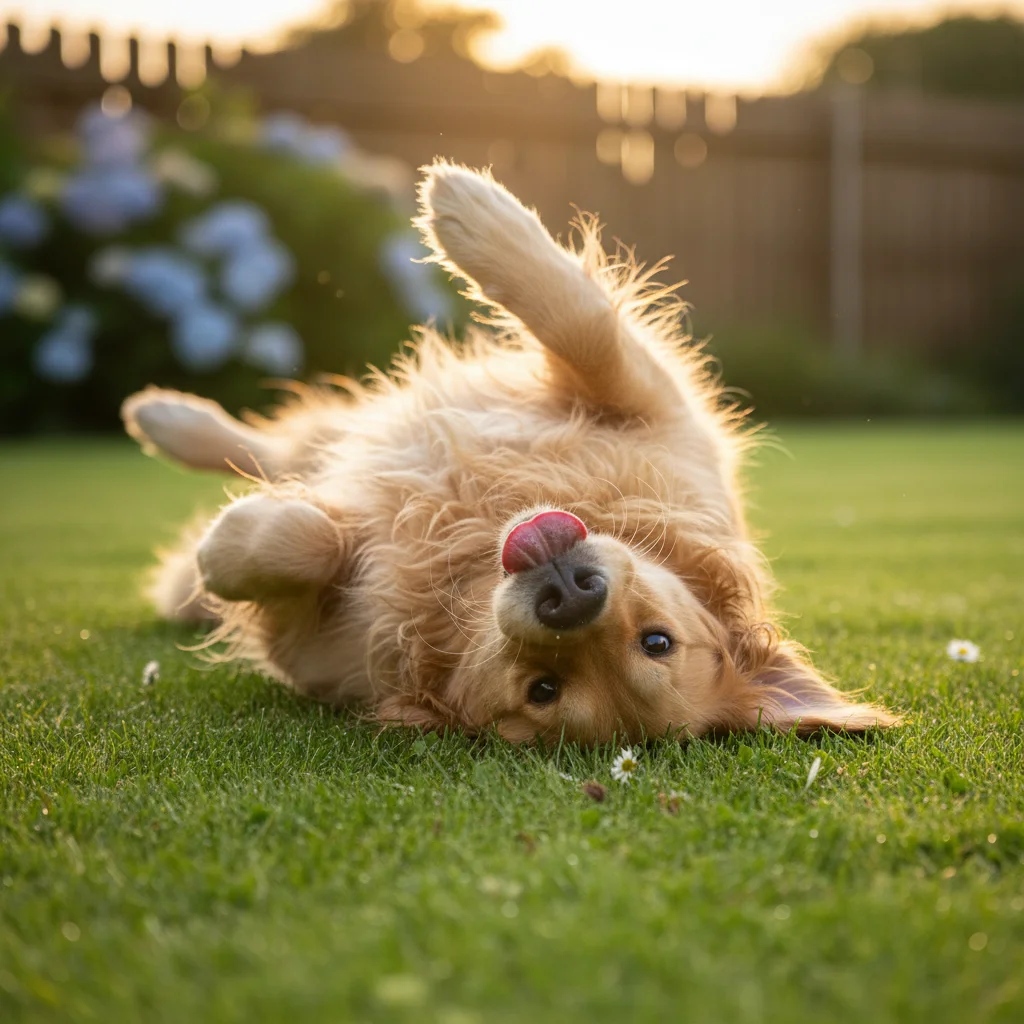
Next, I extend the side shift into a complete roll. I start with “lie down,” lure onto the side, then guide the treat over their back toward the opposite shoulder. As my dog follows the treat with their head, their body naturally rolls over.
I mark the moment they complete the roll and reward generously. If my dog stands up mid-roll, I slow down the treat movement and keep it close to their body.
Pro Tip: Smooth, slow arcs work better than fast motions.
Step 3: Add the Verbal Cue
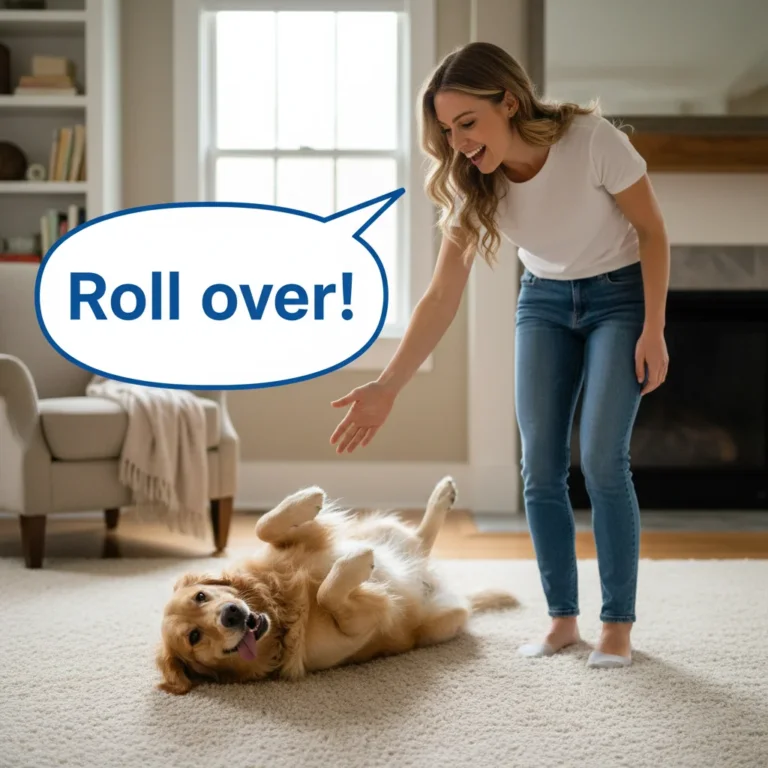
Once my dog rolls reliably with a lure, I introduce the verbal cue: “Roll over!” I say the cue just as I start the rolling motion, then reward as usual. Over time, I gradually reduce the hand motion while keeping the verbal cue consistent.
Consistency is key—everyone in the household uses the same command to avoid confusion.
Related Posts:
- 9 Essential Commands to Teach Your Labrador Retriever First
- How to Teach Your Dog to Focus
- 4 Steps to Teach Your Dog to Give You a High-Five
Step 4: Fade the Lure
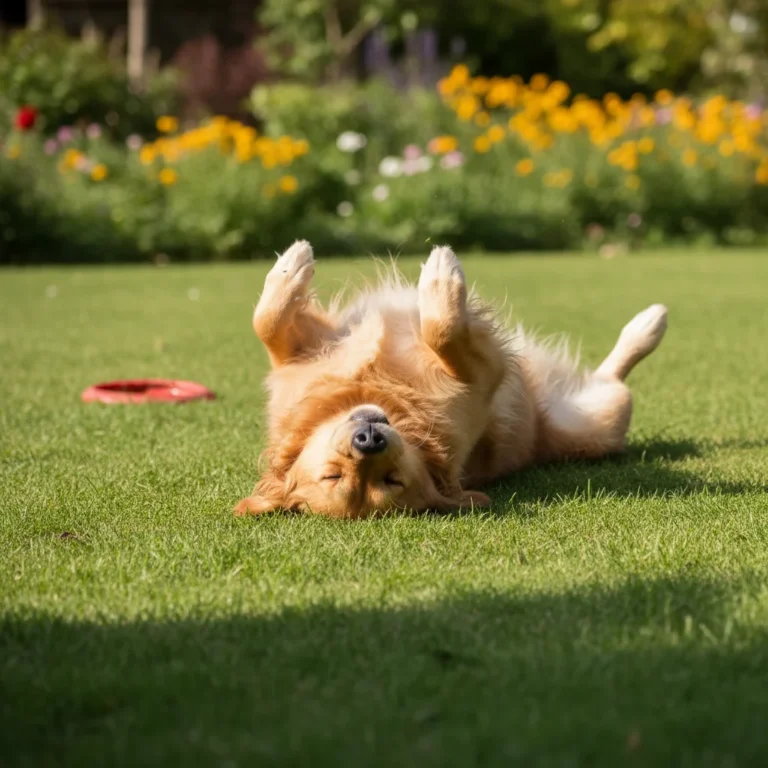
At this stage, the goal is for my dog to roll over without seeing a treat first. I use the same hand motion with an empty hand while saying “Roll over” and reward immediately from another hand or treat pouch.
I gradually shrink the hand gesture until the verbal cue alone triggers the roll. If my dog struggles, I go back to a clearer lure and fade it more slowly.
Pro Tip: Patience here prevents frustration and keeps learning positive.
Step 5: Practice & Proofing
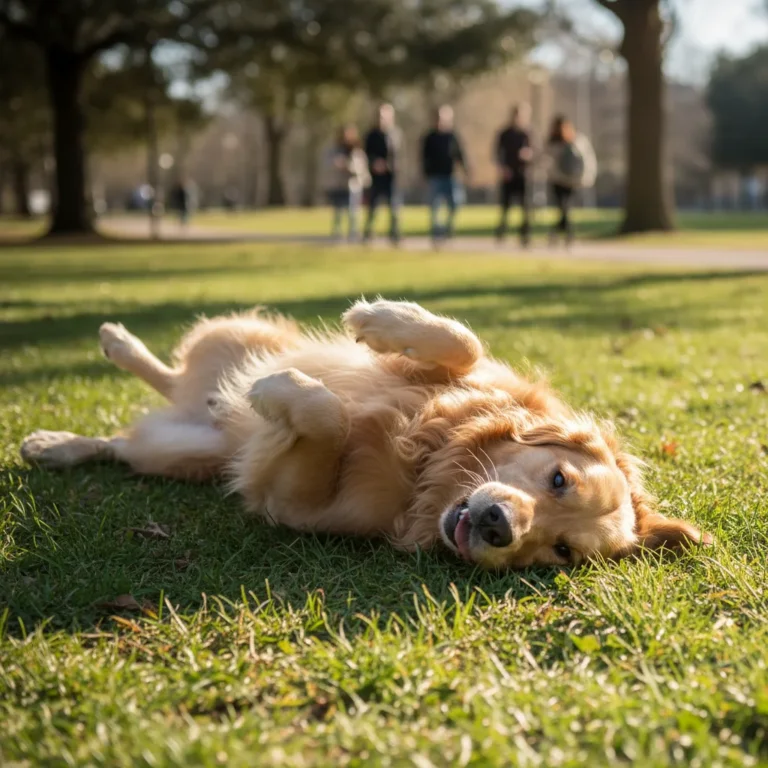
To keep the trick sharp, I practice a few short sessions per week. I mix treats, toys, praise, and play to keep motivation high. I also practice in different environments—like the backyard or a friend’s house—to proof the behavior against distractions.
Once confident, I teach rolling in the opposite direction or combining it with other tricks to level up the challenge.
Common Challenges & Easy Fixes
Dog keeps sitting or standing: Keep the treat closer and slow your motion. Make sure “lie down” is solid.
Dog isn’t interested: Try higher-value treats like cheese or chicken and train when slightly hungry.
Dog only rolls halfway: Reward partial progress and gradually increase expectations; smooth lures help.
Final Thoughts
For me, teaching my dog to roll over isn’t about perfection—it’s about consistent practice, patience, and lots of rewards. With encouragement and fun sessions, my dog now rolls on cue confidently and proudly soaks up the applause.
All content on this site is written and reviewed by our experienced team to ensure it is accurate, reliable, and helpful for our readers. Our Our Process page explains how we carefully research and create high-quality content, while our Team page introduces the professionals behind our work. We also provide clear guidelines for content or image concerns on our Image Removal page, so you can trust that we prioritize transparency, quality, and reader safety.