
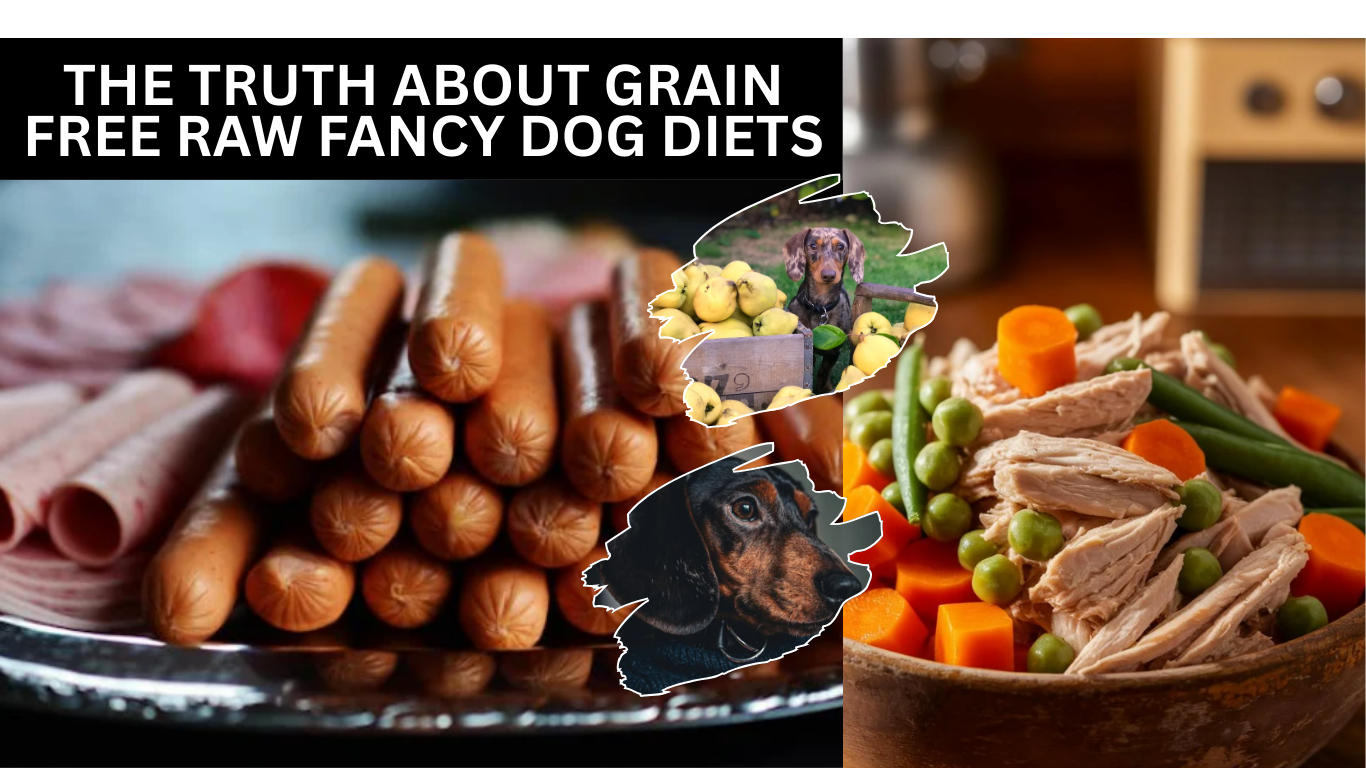
The Truth About Grain Free Raw Fancy Dog Diets
So, picture this—you’re standing in the pet food aisle, maybe even scrolling online, and your eyes glaze over at endless options. Every bag, can, or pouch seems to shout “ancestral diet!”, “grain-free!”, “raw-fed wolf energy!”, or “organic wild-caught salmon pâté with kale and quinoa.” You pause for a moment and think: does my dog really need to eat better than I do?
The truth is, dog food marketing has gotten very clever. It can feel overwhelming, even intimidating. But if you step back, a little common sense goes a long way. Dogs are pretty adaptable creatures, and while nutrition matters, most trends are more hype than necessity. That said, exploring these diets can help you make informed choices for your furry friend.
Grain-Free Diets: The Gluten-Free Craze… But for Dogs

Grain-free dog food has exploded in popularity over the past decade, largely because people started cutting carbs and gluten from their own diets. Naturally, many assumed dogs should follow the same pattern. But here’s a key fact: dogs aren’t wolves anymore. For thousands of years, they’ve eaten leftovers, table scraps, and grains without any problem.
Why people choose grain-free options:
- They believe grains trigger allergies or sensitivities.
- Marketing makes it sound cleaner, healthier, or more premium.
- More meat is automatically better, right?
The reality is different. Most dogs are not allergic to grains. In fact, common allergens include chicken, beef, and dairy—not rice, oats, or barley. Some grain-free foods replace grains with peas, lentils, or potatoes, and research has linked these ingredients to certain heart conditions in dogs (like DCM). Unless your dog has a confirmed grain allergy or medical condition, grain-free diets are usually unnecessary.
Bottom line: Grain-free food isn’t harmful, but it’s not automatically superior. Always consult your vet before investing in fancy gourmet formulas.
Raw Diets: Because Your Dog Is Basically a Wild Predator… Or Not

Raw diets have become incredibly popular, with images of raw chicken wings, beef organs, or whole sardines plastered across Instagram and dog forums. Some people swear by them for shinier coats, stronger teeth, better digestion, or even boundless energy.
Here’s the truth: while raw diets do mimic what dogs might have eaten in the wild, they come with significant risks. Raw meat can harbor harmful bacteria like salmonella and E. coli, which can make your dog seriously sick. Beyond safety, balancing raw meals is tricky—you can’t just hand your dog a raw chicken thigh and call it dinner. Dogs need the right mix of protein, fat, calcium, and vitamins to stay healthy.
Vets’ opinions are split. Some love it, others strongly advise against it. The safe approach is to work with a veterinary nutritionist if you’re considering raw feeding. Without proper guidance, you risk nutritional deficiencies that could affect your dog for life.
Freeze-Dried, Dehydrated, and Air-Dried Foods: Basically Doggie Jerky

If raw diets sound appealing but messy, freeze-dried, dehydrated, or air-dried foods offer a convenient alternative. These products are often minimally processed, sometimes even labeled “human-grade,” and typically just require adding water.
These diets can be excellent for dogs with sensitive stomachs or food allergies. They are shelf-stable, easy to travel with, and often nutritionally complete. The main drawback? They can be pricey, sometimes more expensive than your morning coffee. But for many pet parents, the convenience and quality make the investment worthwhile—just make sure the food is AAFCO-approved and nutritionally balanced.
Homemade Dog Food: Chef Mode Activated
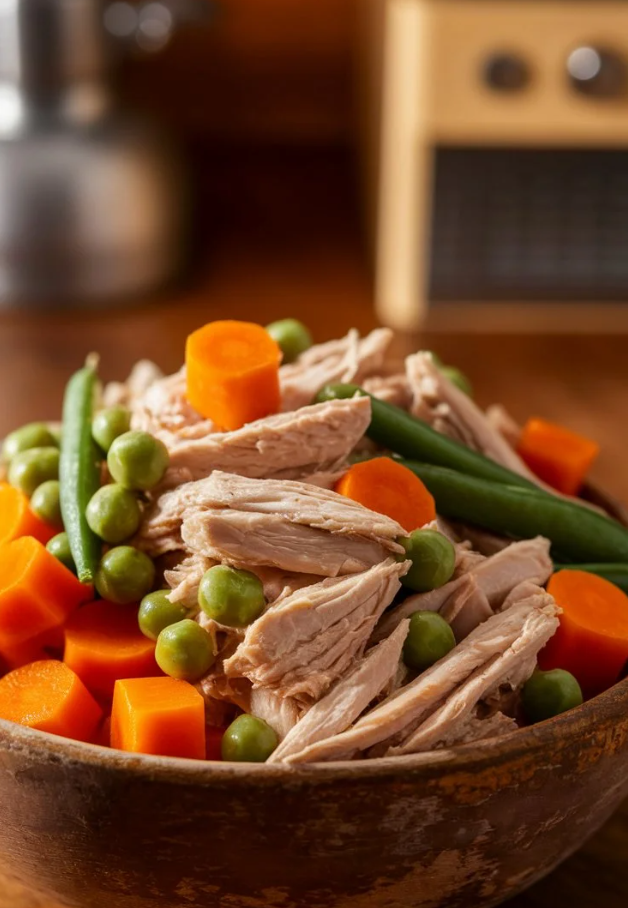
If you love cooking, homemade dog food can be incredibly satisfying. You know exactly what goes into your dog’s meals, which is perfect if your dog has allergies, health conditions, or if you just want full control over their nutrition.
But here’s the catch: it’s very easy to make mistakes. Even the most well-meaning pet parents can accidentally create meals that are nutritionally incomplete, leading to long-term health issues. Homemade diets require careful planning, consultation with a vet or veterinary nutritionist, and sometimes supplements to ensure your dog gets all the essential nutrients. Time, effort, and money are involved, but the reward is a healthy, happy pup who thrives on meals tailored specifically for them.
Vegetarian or Vegan Diets: For Dogs? Really?
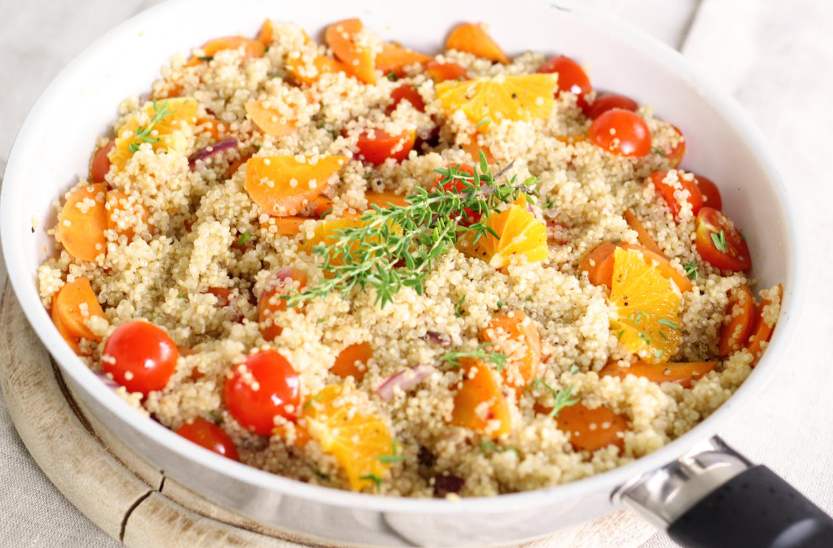
Yes, some dog owners opt for vegetarian or vegan diets to align their dog’s meals with their own lifestyle choices. Dogs are omnivores, meaning they can technically survive on a well-balanced plant-based diet.
However, it’s not easy to get right. Dogs require specific amino acids like taurine, which are naturally found in meat. Missing these nutrients can lead to serious health problems. If you’re committed to a plant-based diet for your dog, working with a veterinary nutritionist is essential. Otherwise, expect your pup to snack on grass, table scraps, or just silently judge your choices.
Buzzword Red Flags: Don’t Fall for the Hype

Dog food labels are packed with marketing buzzwords: “All Natural,” “Grain-Free,” “Limited Ingredient,” “Human Grade,” “Ancestral Formula,” and “Holistic.” Most of these terms have little or no regulatory meaning and are designed to catch your eye.
The real information is always on the back of the package:
- AAFCO statement: Confirms the food meets minimum nutritional requirements.
- Ingredient list: Focus on the first five ingredients—they make up the majority of the food.
- Guaranteed analysis: Shows protein, fat, fiber, and other critical nutrients.
Don’t be fooled by flashy labels—what matters is the nutrition inside.
So… What Should You Feed Your Dog?
Every dog is different, and there’s no one-size-fits-all answer. Age, breed, activity level, and health conditions all affect dietary needs. Here’s a practical breakdown:
- Puppies: Need more calories, protein, and DHA to support rapid growth.
- Senior dogs: Require fewer calories, joint support, and softer food for easier chewing.
- Sensitive stomachs: Limited ingredient or hydrolyzed protein diets can help reduce digestive issues.
- Healthy adult dogs: High-quality kibble with real meat, balanced nutrients, and no gimmicks usually does the trick.
Consulting your vet is key. They understand your dog’s health history and can recommend the best diet based on their individual needs.
Final Thoughts of Truth About Grain Free Raw Fancy Dog Diets

You love your dog, and that’s why you’re here—reading labels, exploring options, and making sure they get the best nutrition possible. But don’t let hype dictate your choices. Avoid trends that sound more like Instagram captions than real nutrition, and always make decisions based on your dog’s actual needs.
No matter what you feed them, your dog will probably still try to eat a sock, a bug, or the neighbor’s cat food. And that’s okay—that’s just life with dogs. Chaos, laughter, and unconditional love—wrapped up in fur.
Welcome to the wonderful madness of being a dog parent.