
6 Tips for Successful Dog Obedience Training
Training your dog can sometimes feel like you’re speaking a completely different language. You might find yourself standing in the yard, repeating “sit” for the fifth time, while your dog just stares at you with a blank expression, as if you’re trying to teach them rocket science. I’ve been there too, and I can assure you—it’s completely normal to feel stuck at first. The key is remembering that obedience training is not about forcing your dog; it’s about communication, patience, and understanding how your dog learns. With the right techniques, even the most stubborn or easily distracted dog can start following your cues reliably. It’s about small steps, consistent effort, and turning learning into a fun experience for both of you.
1. Start With the Basics (Don’t Overcomplicate It)
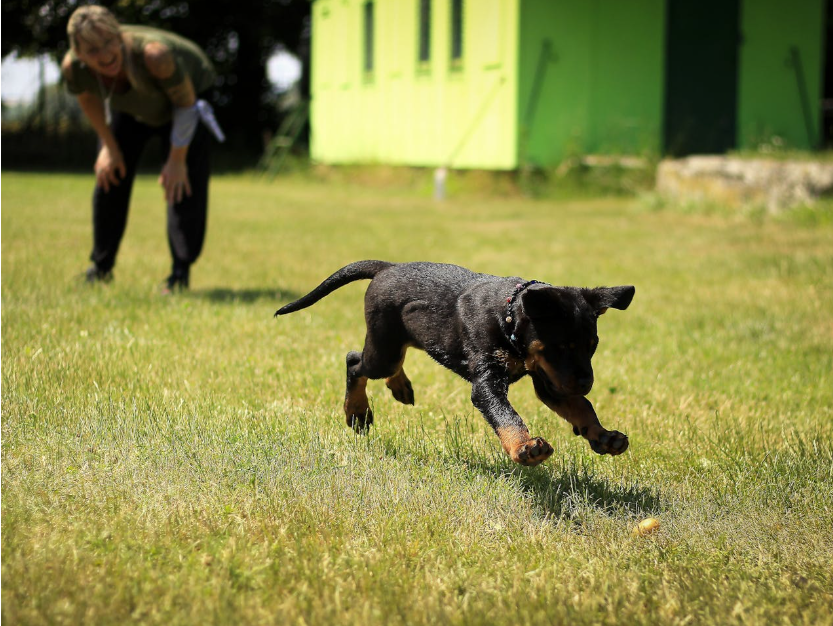
Before you get ahead of yourself and try teaching your dog complicated tricks or impressive stunts, start with the basics. Commands like sit, stay, come, and down are the foundation for all training. Think of it like building a house—without a solid foundation, nothing else will hold up. When teaching these basic commands, keep your words short, clear, and consistent. If one day you say “sit down” and the next day just “sit,” your dog will be confused, and progress will slow down. Using hand signals alongside verbal commands is incredibly helpful because dogs are visual learners. Even a simple gesture can help them connect the command to the action, making learning smoother and faster. Over time, these simple basics will allow you to expand into more advanced commands with confidence.
2. Use Positive Reinforcement (AKA, Bribe Your Dog)
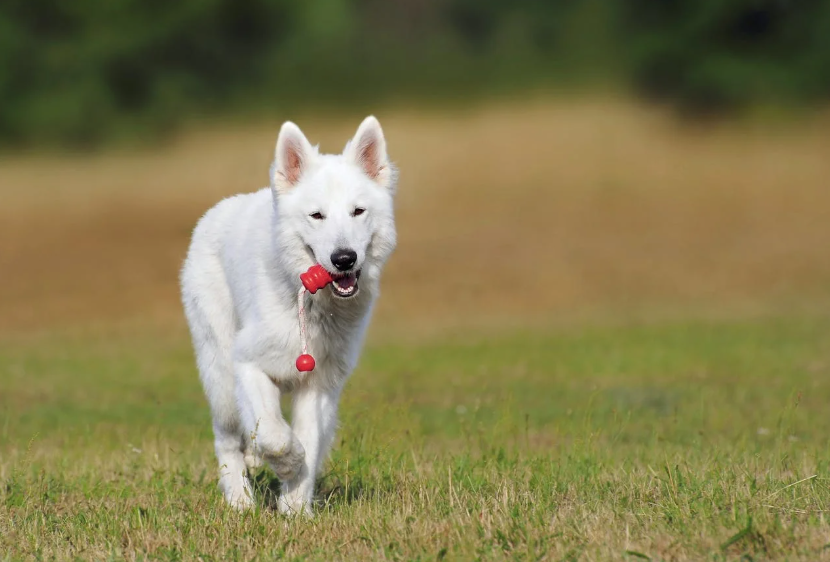
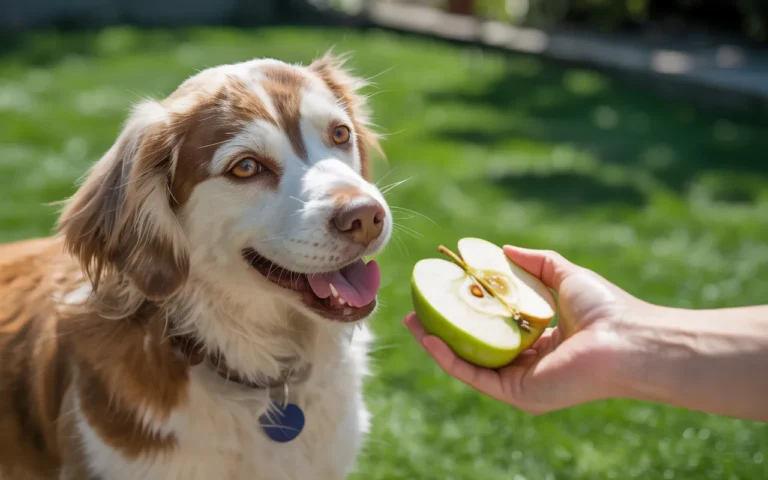
Dogs, just like people, respond best when there’s a reward involved. Positive reinforcement isn’t bribery—it’s teaching your dog that listening to you brings good things. Whether it’s a small treat, enthusiastic praise, or a gentle belly rub, rewarding your dog immediately after they follow a command helps them understand exactly what behavior you’re expecting. One thing I’ve learned from experience is that timing is everything. Even a delay of a few seconds can break the connection between the action and the reward. Keep treats small, so you’re not overfeeding, and use praise or play as additional reinforcement. When your dog begins to associate commands with fun and rewards, training becomes something they actually look forward to instead of a chore.
3. Be Consistent (Seriously, Don’t Skip This)
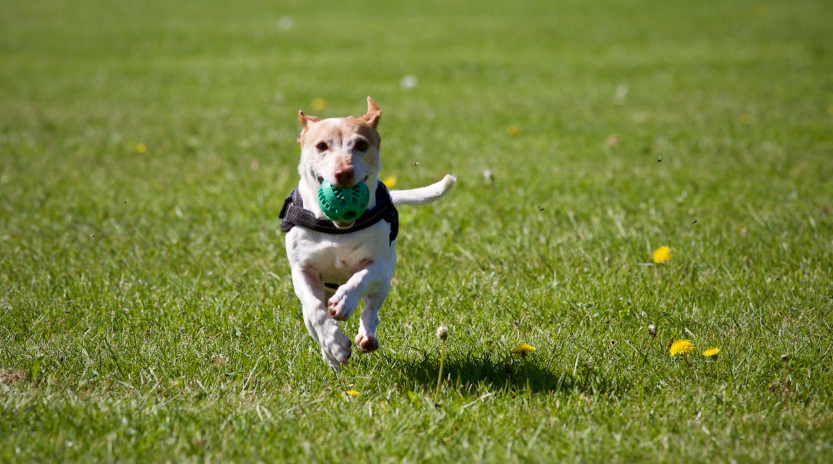
Consistency is one of the most important, yet often overlooked, aspects of dog training. If you practice a command once in a while, your dog will likely forget it or ignore it entirely. Daily, even short sessions are far more effective than occasional long ones. Another crucial point is household consistency—if one person says “come” while another says “here,” your dog will be completely puzzled. Everyone interacting with your dog should use the same words and gestures for commands. From experience, I’ve seen dogs learn much faster when everyone in the house follows the same rules. Repetition, patience, and consistency are what turn commands into second nature for your dog.
4. Keep Sessions Short and Fun (Dogs Have Short Attention Spans)

Dogs aren’t built to focus for long stretches of time. Long training sessions can be overwhelming and frustrating, both for you and your dog. Instead, aim for five to ten minutes of focused, energetic training. Short sessions keep your dog’s attention and make learning enjoyable. One trick I use is to always end on a positive note—have your dog succeed with a simple command at the end of the session, even if it’s just a quick “sit” or “stay.” This way, they finish with a sense of accomplishment and begin associating training with happiness, rather than stress.
5. Avoid Punishment (Your Dog Isn’t Trying to Annoy You)

It’s easy to get frustrated when your dog isn’t listening, but punishing them doesn’t teach them the right behavior—it only teaches fear. Scolding, yelling, or using negative tactics can damage trust and make training harder. Instead, approach mistakes with patience. If a command isn’t working, take a short break, calm yourself, and try again. Sometimes dogs just need a moment to reset, especially if they’re distracted or overwhelmed. In my experience, remaining calm and using positive reinforcement consistently produces far better results than any punishment ever could.
6. Socialize, Socialize, Socialize (It’s Training in Disguise)
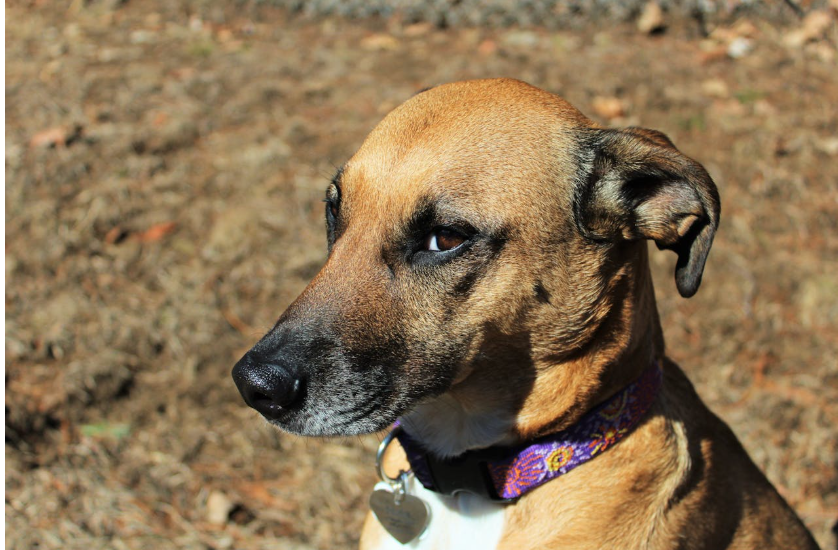
Obedience isn’t just about commands in the living room—it’s about how your dog behaves in the real world. Socialization is a form of practical training. Introducing your dog to new places, people, and other animals teaches them how to act appropriately in different situations. Walks around busy streets, trips to dog-friendly cafés, or visits to dog parks are excellent ways to practice commands while your dog encounters distractions. From my own experience, dogs that are well-socialized are not only more confident but also more responsive to commands when it really counts. Socialization and obedience go hand in hand, reinforcing training in a natural, real-world setting.
FAQs
Q: How long does dog obedience training take?
The timeline varies based on your dog’s age, breed, and temperament. Puppies often learn faster, but even adult dogs can master commands with patience and consistent practice. Think of it as a marathon, not a sprint—steady effort wins every time.
Q: Can older dogs learn new commands?
Absolutely. Older dogs may require a bit more patience, but they are fully capable of learning. Using positive reinforcement and breaking tasks into manageable steps helps older dogs gain confidence and learn at their own pace.
Q: Should I use treats for every command?
Treats are extremely helpful for introducing new commands, but once your dog consistently obeys, you can gradually replace treats with praise, playtime, or affection. This ensures your dog doesn’t only respond when food is involved.
Q: What do I do if my dog isn’t responding to training?
Step back and evaluate your approach. Make sure your commands are clear, your training sessions are consistent, and your dog isn’t overwhelmed. Sometimes breaking tasks into smaller steps or seeking advice from a professional trainer can make all the difference.
Final Thoughts of Tips for Successful Dog Obedience Training
Training a dog can feel overwhelming, but with patience, consistent practice, and positive reinforcement, you can teach your dog to listen reliably and enjoy the process. Obedience training strengthens the bond between you and your dog, builds trust, and improves communication. Whether you’re working with a lively puppy or an older dog, keeping sessions short, fun, and rewarding will make training something both of you look forward to. Remember, this isn’t just about commands—it’s about nurturing a strong, loving relationship that lasts a lifetime.