7 Tips on How to Clean a Fabric Couch
Fabric couches are some of the coziest spots in any home. They invite you to sit, relax, and maybe even curl up with a blanket on a lazy afternoon. But if you have a dog—or even kids—you know that fabric sofas have a bit of a downside: they attract spills, crumbs, dirt, and those unexpected “gifts” our pets sometimes leave behind. One minute your couch looks perfect, the next it’s covered in mysterious stains or carrying that unmistakable wet-dog smell.
Keeping your fabric sofa looking and smelling fresh doesn’t have to be a struggle, though. With the right approach, a little know-how, and some consistent care, you can bring it back to life and make it feel as clean and inviting as the day you bought it. Let’s dive into how you can tackle stains, odors, and everyday dirt effectively.
1. Vacuum Thoroughly Before Anything Else
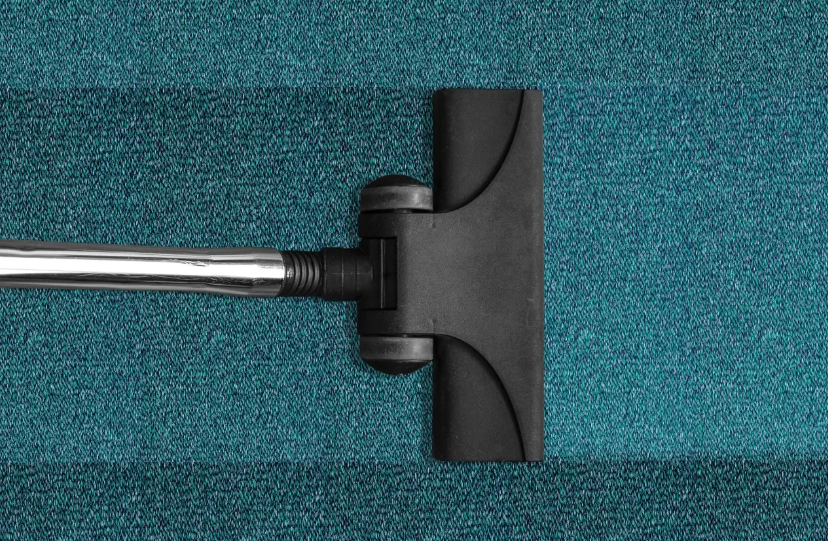
The very first step in caring for your couch is giving it a good vacuum. Before you even think about sprays, cleaners, or scrubbing, you need to remove all the loose dirt, crumbs, and pet hair that have settled into the cushions and fabric. Think about it: if you skip this step, all that debris will just get pushed deeper into the fibers when you start cleaning, making your efforts less effective and potentially even damaging the fabric.
Take the time to use your vacuum’s upholstery attachment, and make sure you reach every corner. Lift the cushions, check the seams, and get under any nooks where dirt loves to hide. If you have a dog, you’re likely to find a small mountain of hair hiding in these spots. For stubborn strands, a lint roller works wonders, or even a slightly damp rubber glove can help pick up hair that the vacuum leaves behind. It’s a small trick that can save a lot of frustration later.
2. Check the Manufacturer’s Cleaning Tag
Every fabric couch comes with a little tag that many people ignore—but it’s actually there to protect your couch and make cleaning easier. These tags carry a cleaning code that tells you exactly which types of cleaners are safe for your specific fabric. Ignoring this can lead to ruined cushions, discoloration, or stubborn watermarks that are impossible to remove.
Here’s a quick guide to the codes you might see:
- W: Safe to use water-based cleaners.
- S: Solvent-based cleaners only; avoid water.
- WS: Both water-based and solvent-based cleaners are safe.
- X: Vacuum only—no cleaners or water should touch this fabric.
Checking this tag before anything else ensures that you’re taking the safest approach for your couch. It might feel tedious, but it’s far better than dealing with permanent damage later.
3. Create a Simple DIY Cleaning Solution
For most couches, you don’t need expensive cleaners or special chemicals to tackle stains and smells. A simple, homemade solution can often do the trick—especially if your couch allows water-based cleaning (codes W or WS). Here’s a tried-and-true mixture that works wonders:
- 2 cups of warm water
- 1 tablespoon of dish soap
- 1 tablespoon of white vinegar
This combination lifts stains gently while neutralizing odors. The vinegar is particularly effective for eliminating lingering pet smells that seem to embed themselves deep in the fabric.
When applying the solution, it’s important to dab, not scrub. Use a clean cloth to gently blot the stain, lifting it without pushing it further into the fibers. Scrubbing might feel satisfying, but it can actually make the stain worse and damage your fabric over time.
4. Blot Stains Immediately (Especially Dog Messes)
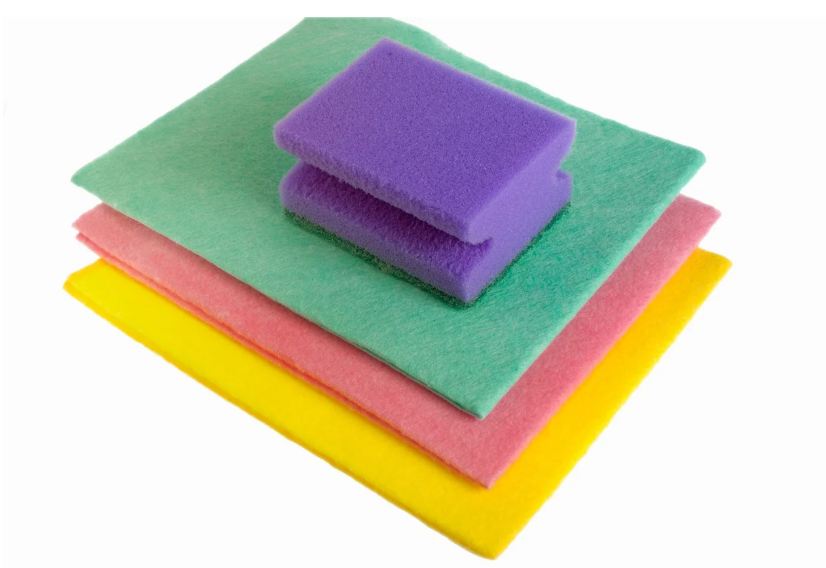
Timing is everything when it comes to removing stains. The moment a spill or pet accident occurs, you want to act quickly. Blotting the stain with a clean cloth or paper towel immediately absorbs the liquid and prevents it from settling into the fabric. Always remember: blot, don’t rub. Rubbing spreads the stain and can embed it more deeply.
For pet-related accidents, start by carefully removing any solid material, then blot the area until it’s mostly dry. After that, apply your cleaning solution and blot again patiently. Stains don’t always disappear instantly, so giving the cleaner time to work while continuing to blot is key.
Dog stains are particularly tricky because they carry bacteria and odors that linger if not fully treated. This is where enzymatic cleaners come in. These are formulated to break down the proteins in urine, feces, or vomit, completely neutralizing the smell instead of just covering it up. They’re indispensable for any pet owner dealing with persistent odors.
5. Deodorize with Baking Soda
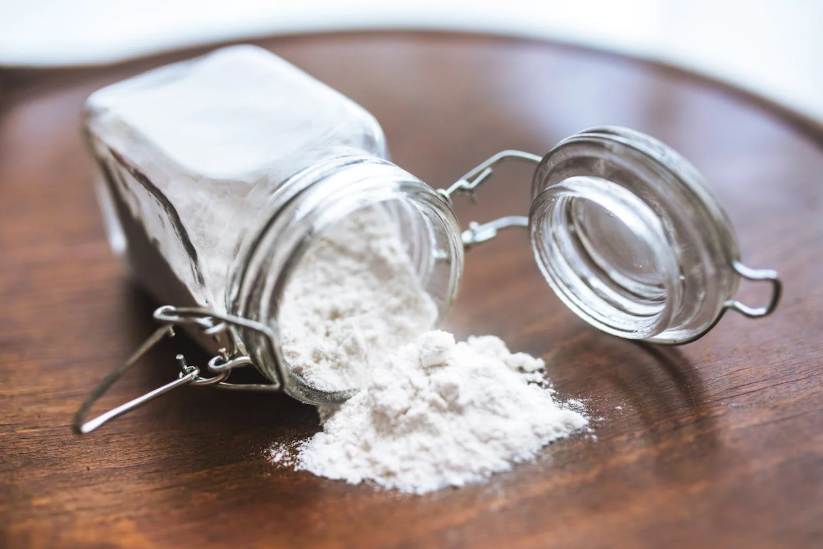
Sometimes, even when the stain is gone, the smell remains. Fabric couches, especially in dog-friendly homes, can hold onto odors that are stubborn and unpleasant. This is where baking soda becomes your best friend.
Sprinkle a generous layer over your couch and let it sit for at least 20 minutes. For strong odors, leaving it overnight can make a huge difference. Baking soda works by absorbing the trapped smells in the fibers, leaving your couch fresher. Once the waiting time is up, vacuum thoroughly to remove the powder and any odors it has absorbed.
For a little extra freshness, you can mix in a few drops of essential oil—lavender or lemon are popular choices—before sprinkling. This adds a subtle scent without overwhelming the space.
6. Steam Clean for a Deep Refresh
If your couch allows water-based cleaning, a steam cleaner can take your cleaning efforts to the next level. Steam cleaning uses hot water vapor to loosen dirt, stains, and even allergens embedded deep within the fabric. It’s perfect for giving your couch a thorough refresh.
Most steam cleaners also extract the dirty water, so your couch doesn’t stay wet and grimy after cleaning. Just be sure to allow plenty of drying time before anyone sits down—wet cushions aren’t comfortable and can even lead to mildew if left damp.
Steam cleaning is especially effective for pet owners because it tackles not just visible stains but also the underlying odors and bacteria that can accumulate over time.
7. Use Enzymatic Cleaners for Tough Dog Stains
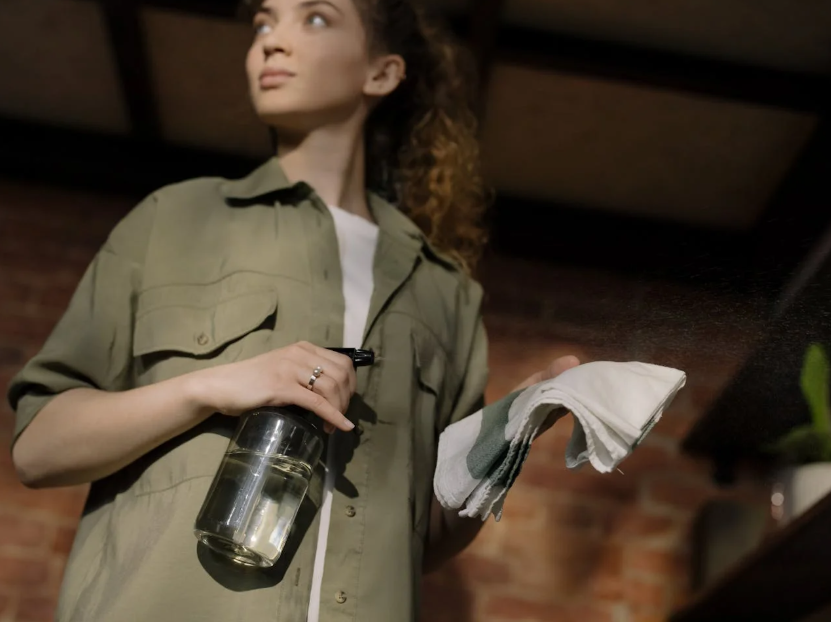
Some messes simply won’t budge with basic cleaning solutions. That’s when enzymatic cleaners become essential. They’re specifically designed to break down the organic material in pet accidents, including urine, feces, and vomit, and remove the odor at its source.
Spray the cleaner on the affected area and let it sit for the recommended time, usually 10–15 minutes. Then blot with a clean cloth to lift both the cleaner and the stain. These products are highly effective and a must-have for anyone who wants to keep their couch looking and smelling fresh despite frequent dog mishaps.
FAQs
Can I use bleach or harsh chemicals on my fabric couch?
No, bleach and strong chemicals can damage your couch fibers and discolor the fabric. Stick to gentle cleaners like mild soap, vinegar, or products designed for fabric sofas.
What if a stain won’t come out?
If you’ve tried multiple methods and the stain is still stubborn, it’s wise to call in a professional upholstery cleaner. They have tools and specialized solutions that can remove tough stains without harming your couch.
How do I prevent my dog from making the couch smell?
Routine cleaning and deodorizing are essential. Using washable slipcovers or blankets on your couch makes maintenance easier. Also, keeping your dog clean and well-groomed helps prevent odors from embedding in the fabric in the first place.
Final Thoughts of 7 Tips on How to Clean a Fabric Couch
Keeping a fabric couch clean can feel challenging, especially when pets are part of the household. But with consistent care and the right methods, it’s entirely manageable. Vacuuming regularly, acting quickly on spills, deodorizing with baking soda, and using enzymatic cleaners for tough pet stains can transform your sofa from messy to fresh in no time.
Whether it’s everyday spills or those occasional dog accidents, your fabric couch can stay inviting, comfortable, and odor-free with a little attention. A clean, well-maintained couch doesn’t just look better—it also makes your living space feel more welcoming for everyone, including your furry friends.