7 Tips to Remove Pet Odors from Your Home (Without Losing Your Mind)
Let’s be real—sharing your home with pets means sharing it with smells too. No matter how much you love your dog curling up on the couch or your cat claiming every soft surface, odors can slowly creep in until one day you walk inside and immediately notice them. That moment is familiar to almost every pet owner.
The good news is this: you don’t have to choose between a fresh-smelling home and the animals you adore. With the right habits and a little consistency, you can keep your space clean, comfortable, and welcoming for both you and your guests.
1. Wash Everything That’s Washable
Fabric Holds Smells More Than You Think
If it’s made of fabric, it’s quietly soaking up odors. Pet beds, throw blankets, couch covers, pillowcases, even the rug your dog naps on every afternoon—all of it traps smells over time. You might not notice it daily, but the buildup happens fast.
Washing these items regularly makes a huge difference. Warm or hot water helps break down odor-causing bacteria, and adding white vinegar to the rinse cycle neutralizes smells without leaving its own scent behind. It sounds simple, but once you do it consistently, the change is noticeable.
Making laundry part of your routine instead of waiting for things to get unbearable keeps odors from ever taking over. When clean fabrics become the norm, your entire home smells lighter and fresher.
2. Vacuum Like You Actually Mean It
Pet Smells Live in Fur, Dust, and Dander
Vacuuming isn’t just about keeping floors looking tidy. Pet odors cling to hair, dander, and dust that sink deep into carpets and furniture. If those particles stay put, smells stick around no matter how many candles you light.
Using a vacuum with a HEPA filter helps capture the tiny particles that regular vacuums miss. Going over high-traffic areas is important, but the real magic happens when you clean under furniture, along baseboards, and in corners. Upholstery matters too—couches and chairs absorb odors just as easily as carpets.
Think of vacuuming as active odor control, not just cleaning. The more thorough you are, the less scent you’ll notice lingering.
3. Baking Soda Does the Quiet Work
Neutralizing Odors Without Covering Them Up
Baking soda is one of the simplest and safest tools you can use around pets. It doesn’t mask smells—it absorbs them. That’s why it works so well on carpets, rugs, and even pet bedding.
Sprinkling baking soda over problem areas and letting it sit gives it time to pull odors out of the fibers. Vacuuming afterward removes both the powder and the trapped smells. For ongoing trouble spots, keeping a small open container nearby helps absorb odors continuously.
It’s one of those solutions that doesn’t draw attention to itself but consistently delivers results.
4. Go After the Source, Not the Air
Sprays Don’t Fix What’s Underneath
Air fresheners can make a room smell better for a few minutes, but they don’t solve the actual problem. When pet odors are present, they usually come from a specific place—an accident spot, a litter box area, a favorite cushion, or a rug that’s been through a lot.
Finding and cleaning the source changes everything. Enzyme cleaners are especially effective because they break down the organic material causing the odor instead of spreading it around. Once the source is truly clean, the smell doesn’t come back.
This step is where long-term freshness really starts.
5. Fresh Air Is One of the Most Powerful Tools
Stagnant Air Traps Smells
Homes that stay closed up tend to hold onto odors. Opening windows, even for a short time, allows fresh air to move through and carry smells out. Fans help circulate air, especially in rooms where pets spend the most time.
Sunlight plays a role too. Letting pet blankets or cushions sit in natural light helps reduce bacteria that contribute to odor. It’s simple, free, and surprisingly effective.
Fresh air doesn’t just remove smells—it makes your home feel better overall.
6. Grooming Your Pet Is Part of a Fresh Home
Clean Pets Mean Cleaner Spaces
A large portion of pet odor starts with the pet itself. Regular grooming reduces shedding, dander, and natural oils that transfer onto furniture and floors.
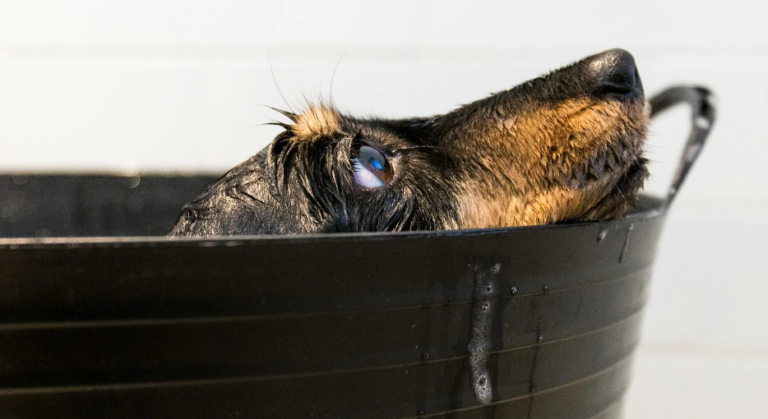
Bathing your dog on a sensible schedule, brushing regularly, and wiping paws after walks all help prevent smells from spreading throughout your home. Cats benefit from brushing too, especially during shedding seasons.
Grooming improves your pet’s health and comfort while making your living space easier to maintain.
7. Air Purifiers Help with Lingering Odors
Cleaning the Air Itself
When you’ve handled fabrics, floors, and pets but still notice a lingering smell, the issue is often in the air. Pet dander and microscopic odor particles float around and settle back onto surfaces.
Air purifiers with HEPA filters remove those particles from circulation. Placing one where your pet spends the most time helps keep odors from building up again. Regular filter changes are essential so the purifier keeps working as intended.
Conclusion of Tips to Remove Pet Odors from Your Home
A home with pets doesn’t need to smell sterile or artificial. It just needs to smell clean and comfortable. Once these habits become part of your routine—washing fabrics, vacuuming thoroughly, airing out rooms, grooming your pet—the effort feels manageable and the results last.
Pets bring energy, warmth, and personality into a home. With consistent care, you can enjoy all of that without the lingering smells, creating a space that feels good for you, your guests, and your furry companions.