
10 Effective Training Tips for French Bulldogs
French Bulldogs have captured the hearts of dog lovers everywhere. Their signature bat-like ears, expressive eyes, and lovable personality make them irresistible companions. Though they are small in size, they are surprisingly sturdy, affectionate, and eager to interact with their human families. Their playful yet calm nature makes them a perfect choice for apartments or homes, but like any dog, they thrive best when given proper guidance and structure through training.
Whether you’re welcoming a Frenchie into your home for the first time or looking to strengthen the lessons your dog already knows, understanding their unique temperament and learning style is key to creating a harmonious relationship.
1. Start with Basic Commands
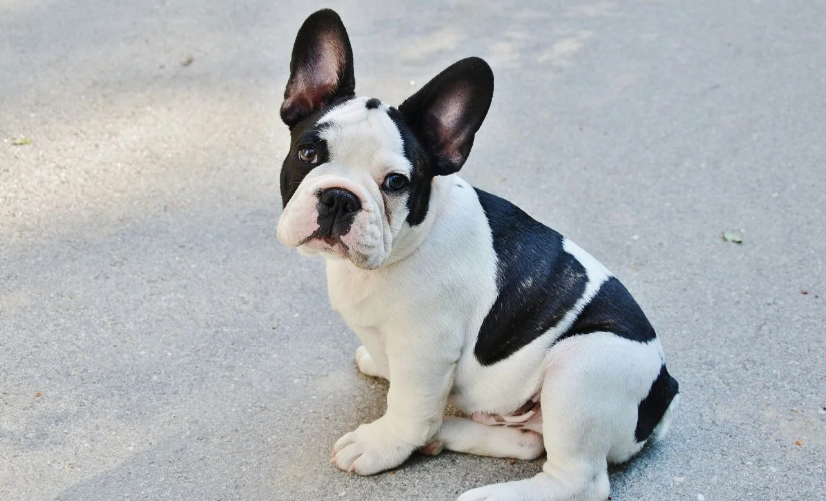
French Bulldogs are bright and attentive, which means they are quick learners when approached the right way. The foundation of their training starts with basic commands like sit, stay, come, and down. These simple commands may seem small, but they are the building blocks for more advanced skills and ensure your dog respects your guidance.
Consistency is vital. Every member of the household should use the same words and gestures to avoid confusing your Frenchie. Short, regular training sessions of around five to ten minutes work best since these dogs have naturally brief attention spans. Use treats, praise, or a favorite toy as rewards to reinforce positive behavior. Practicing commands in different areas, indoors and outdoors, helps your French Bulldog learn to respond in any situation.
2. Socialization is Crucial

French Bulldogs thrive when they are confident and comfortable in various situations. Socialization at an early age helps them grow into well-rounded and friendly companions. Introducing your dog to different people, other animals, and a variety of environments reduces anxiety and discourages fearful or aggressive tendencies later in life.
You can enroll your puppy in group classes, invite friends over for gentle interactions, or set up controlled playdates with other well-mannered dogs. Positive experiences during these social encounters are essential. Always supervise your Frenchie, stepping in if they seem nervous or overwhelmed, to ensure each interaction leaves them feeling secure and happy.
3. Crate Training
Crate training is an excellent tool for providing your French Bulldog with a safe, comforting space. When introduced correctly, a crate can become a retreat where your dog feels secure and calm. Make it inviting with a soft bed and a couple of favorite toys, turning the crate into a place they genuinely enjoy.
It’s important never to use the crate as a form of punishment. Start with short periods of time inside, gradually increasing the duration as your dog grows more comfortable. Before crate time, ensure they have had enough exercise and bathroom breaks so the experience is positive rather than stressful.
4. House Training

House training a French Bulldog requires patience, persistence, and a little routine. Puppies need frequent trips outside, especially after eating, sleeping, or playing. Whenever your dog goes to the bathroom outdoors, praise them enthusiastically and offer a small reward to reinforce the behavior.
Accidents are completely normal, and punishing your puppy will only confuse them. Focus on cleaning any mess thoroughly to remove odors that could draw them back to the same spot. Over time, with consistency and encouragement, your Frenchie will understand where and when it’s appropriate to go.
5. Leash Training
Despite their small size, French Bulldogs can be surprisingly strong, which is why leash training is crucial. Teaching your dog to walk calmly by your side ensures walks are safe and enjoyable for both of you.
Begin by allowing your Frenchie to wear a collar and leash indoors so they get used to the feel. When stepping outside, encourage your dog with praise and small treats when they walk without pulling. If they start to tug, stop walking and only resume when they return to your side. Patience and consistency during each walk make leash training effective and stress-free.
6. Teach Boundaries and Limits

Establishing clear boundaries is important for your French Bulldog’s sense of structure and safety. This involves setting rules about where they can go in your home, what furniture is off-limits, and which behaviors are unacceptable.
Use simple commands like “leave it” or “off” consistently, and reward your dog whenever they respect the rules. Reinforcing boundaries not only makes daily life smoother but also helps your Frenchie feel secure because they understand the limits within their environment.
7. Address Behavioral Issues Early
French Bulldogs are charming, but like all dogs, they may develop unwanted behaviors if not addressed promptly. Common challenges include excessive barking, chewing, or jumping on people. Tackling these issues early prevents them from becoming ingrained habits.
Observe what triggers your dog’s behavior and try to redirect or manage it constructively. For instance, boredom can lead to destructive chewing, so providing engaging toys or interactive activities can reduce these tendencies. Staying proactive ensures your Frenchie develops into a well-mannered adult dog.
8. Mental Stimulation

Mental exercise is just as important as physical activity for French Bulldogs. Without stimulation, these intelligent dogs can become bored and restless, which may lead to undesirable behavior. Providing toys, games, and activities that challenge their minds helps keep them sharp and happy.
Puzzle toys can keep your dog engaged for extended periods, while short training sessions or learning new tricks provide mental enrichment. Even simple interactive games, like hide-and-seek or fetch with a twist, can make a big difference in your dog’s overall well-being.
9. Social Manners
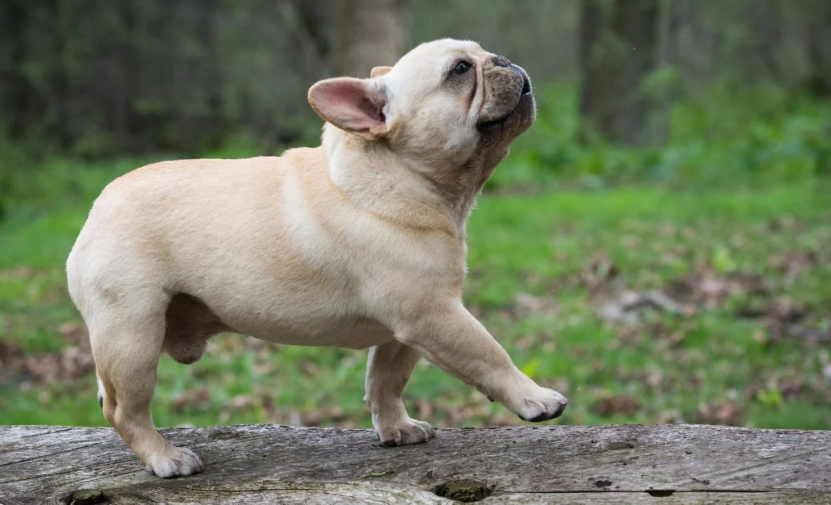
Teaching social manners is crucial for your French Bulldog’s interactions with both humans and other dogs. Good behavior includes not jumping on guests, avoiding excessive barking, and staying calm around other animals.
Reinforce positive behavior with praise, treats, or play. If your dog steps out of line, gently redirect them to the expected behavior. Over time, these lessons help your Frenchie grow into a polite and confident companion who is enjoyable to be around in any social setting.
10. Patience and Love
Training a French Bulldog requires a gentle hand, patience, and plenty of affection. These dogs are sensitive and respond best to encouragement rather than harsh corrections. Celebrate small victories and remain calm during setbacks, remembering that every dog learns at their own pace.
With consistent practice, love, and positive reinforcement, your French Bulldog will become a loyal, well-behaved, and happy member of your family. The bond you build through training and shared experiences is what truly makes the journey rewarding.
Conclusion of Training Tips for French Bulldogs
Working with a French Bulldog to teach them good behavior is a deeply satisfying experience. Early training, combined with positive reinforcement, mental and physical stimulation, and clear boundaries, will help your dog grow into a confident, joyful companion.
Every French Bulldog has their own personality, so adjusting techniques to suit their individual temperament ensures the best results. With dedication, consistency, and a lot of love, your Frenchie will flourish and provide you with years of companionship, laughter, and joy.