

7 Vet-Approved Remedies for Dog Rashes
If your dog has been constantly scratching, licking, or rubbing against furniture, walls, or even your legs, it’s a pretty clear sign that something is irritating their skin. Most of the time, what you’re seeing is a rash, and while it can look uncomfortable—or even alarming—it’s something that can usually be treated at home if you know the right steps. The key is to act quickly. Ignoring it or hoping it will go away on its own can often make the problem worse, turning a simple irritation into a painful or infected area. The good news is, there are multiple remedies you can try at home to soothe your pup and reduce their discomfort. But remember, if anything seems serious, unusual, or doesn’t improve, your veterinarian should always be your first call.
1. Oatmeal Baths – Gentle Relief for Irritated Skin
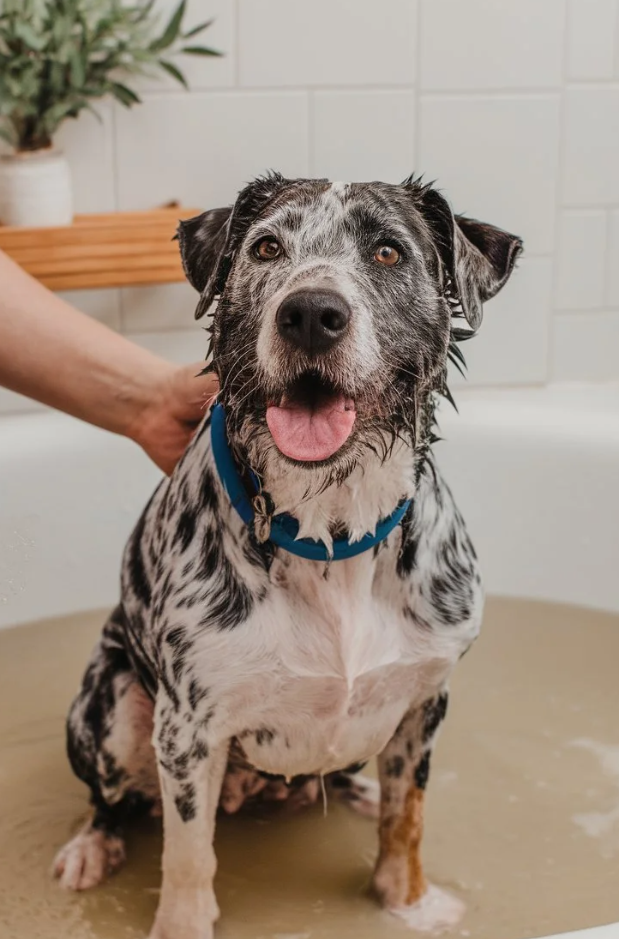
When your dog’s skin looks red, inflamed, or dry, an oatmeal bath can work wonders. Oatmeal contains natural compounds that help reduce inflammation and soothe itching. It’s one of those remedies that dogs actually seem to enjoy, and it can bring almost immediate relief. To prepare an oatmeal bath, grind plain, unflavored oats into a fine powder and mix it into a lukewarm bath. Make sure the water is not hot, because hot water can irritate the skin even further. Let your dog soak for about 10 to 15 minutes, and then rinse gently with clean water. This can be done a few times a week, depending on how your dog’s skin reacts. Oatmeal works by creating a protective layer on the skin that helps lock in moisture while calming inflammation. After the bath, your dog’s skin should feel less itchy, and the soothing effect can help prevent them from scratching or biting the area further.
2. Coconut Oil – Natural Moisturizer and Antimicrobial Helper

Coconut oil is a versatile natural remedy that helps in several ways. It’s deeply moisturizing, which can relieve dryness, and it also has antibacterial and antifungal properties, making it a great option for certain mild skin infections. To use it, simply apply a small amount to the affected area and massage it gently into the skin. Use it once or twice daily, and be careful not to use too much, as excess oil can leave your dog greasy. Some dogs may try to lick the oil off, so if that happens, distract them with a toy or give them a little break before reapplying. Coconut oil works by hydrating the skin and helping to protect it from bacteria or fungi that might be contributing to the irritation. Over time, it can improve the skin’s texture and reduce redness, helping your dog feel more comfortable.
3. Aloe Vera – Cooling Comfort for Hot Spots
Aloe vera isn’t just for sunburns—it can be a lifesaver for dogs with inflamed or itchy spots. The gel is cooling, hydrating, and naturally anti-inflammatory. However, not all aloe products are safe for dogs. It’s important to only use pure aloe vera gel without alcohol or any additives. Apply a thin layer of aloe gel to the affected area two to three times a day. Let it dry completely before your dog can lick it off. If you’re using a fresh plant, make sure your dog doesn’t chew the leaves, as certain compounds can be toxic if ingested. Aloe vera helps calm irritated skin while moisturizing and protecting it. For dogs with hot spots or areas of redness, it can bring a noticeable reduction in discomfort within a few applications.
4. Apple Cider Vinegar – Antimicrobial Aid (Use With Caution)

Apple cider vinegar (ACV) can be very effective for bacterial or fungal skin irritations, but it must never be applied to raw or open wounds because it can sting painfully. For mild rashes where the skin is intact, it can help restore balance and fight off microbial growth. Before using, dilute the vinegar with water in a 50/50 ratio. Then, use a cotton ball or a spray bottle to gently apply it to the affected area once or twice a day. ACV works as an antibacterial and antifungal agent, which can be particularly helpful for yeast infections or minor hot spots. If your dog’s skin is broken or extremely sensitive, skip this method entirely. The vinegar can burn and worsen discomfort if applied incorrectly.
5. Chamomile or Green Tea Soaks – Herbal Relief

Chamomile and green tea are known for their natural anti-inflammatory properties, making them excellent choices for calming irritated skin. These teas can reduce redness, swelling, and discomfort without harsh chemicals. Brew a strong cup of chamomile or green tea and allow it to cool. Soak a clean cloth in the tea and press it gently onto the rash, or, for larger areas, pour the tea into a spray bottle and lightly mist your dog’s skin. Repeat this process once or twice a day. Using herbal teas can also add a pleasant scent while helping your dog feel more comfortable. The natural antioxidants in these teas contribute to soothing the skin and supporting healing.
6. Omega-3 Supplements – Nourishment From the Inside
Sometimes, skin problems aren’t just external—they reflect what’s going on inside your dog’s body. Dryness, inflammation, and itchiness can often be improved through diet, particularly with the addition of Omega-3 fatty acids. Adding a high-quality, vet-approved fish oil or Omega-3 supplement to your dog’s food can help improve skin hydration and reduce inflammation over time. Results aren’t immediate; it may take a few weeks to notice a real difference, but the long-term benefits are worth it. Omega-3s help strengthen the skin’s barrier, making it more resistant to irritants and helping prevent future rashes. Regular supplementation can keep your dog’s coat shiny and skin healthy.
7. Hydrocortisone Cream – Quick Relief for Severe Itching
When a rash is really bothering your dog, a small amount of 1% hydrocortisone cream can help reduce inflammation and itching quickly. This is one of the few over-the-counter treatments that veterinarians commonly recommend for short-term use. Apply a pea-sized amount to the affected area and prevent your dog from licking it off, using a cone if necessary. Limit application to once or twice a day for a few days, because long-term use can thin the skin. Hydrocortisone works by calming redness, swelling, and irritation, making it especially useful for hot spots or mild allergic reactions.
When to See the Vet
While these home remedies are effective for many mild rashes, some situations require professional care. Contact your veterinarian if you notice severe redness, swelling, or pain, open sores or raw skin, excessive hair loss, foul-smelling discharge, or a rash that doesn’t improve in a few days. These could indicate infections, allergies, or underlying health issues that need medical attention. Early veterinary intervention can prevent complications and ensure your dog stays healthy and comfortable.
Final Thoughts of Vet-Approved Remedies for Dog
Dog rashes can be frustrating to deal with, but most are manageable when addressed promptly and carefully. Whether you’re giving your dog an oatmeal bath, applying coconut oil or aloe, or using a vet-approved hydrocortisone cream, the goal is always the same: stop the itch, soothe the skin, and keep your pup happy and comfortable. After all the scratching and discomfort, a little extra attention, belly rubs, and care will go a long way in helping your dog feel better. Your dog will thank you with tail wags, cuddles, and a lot less scratching.