
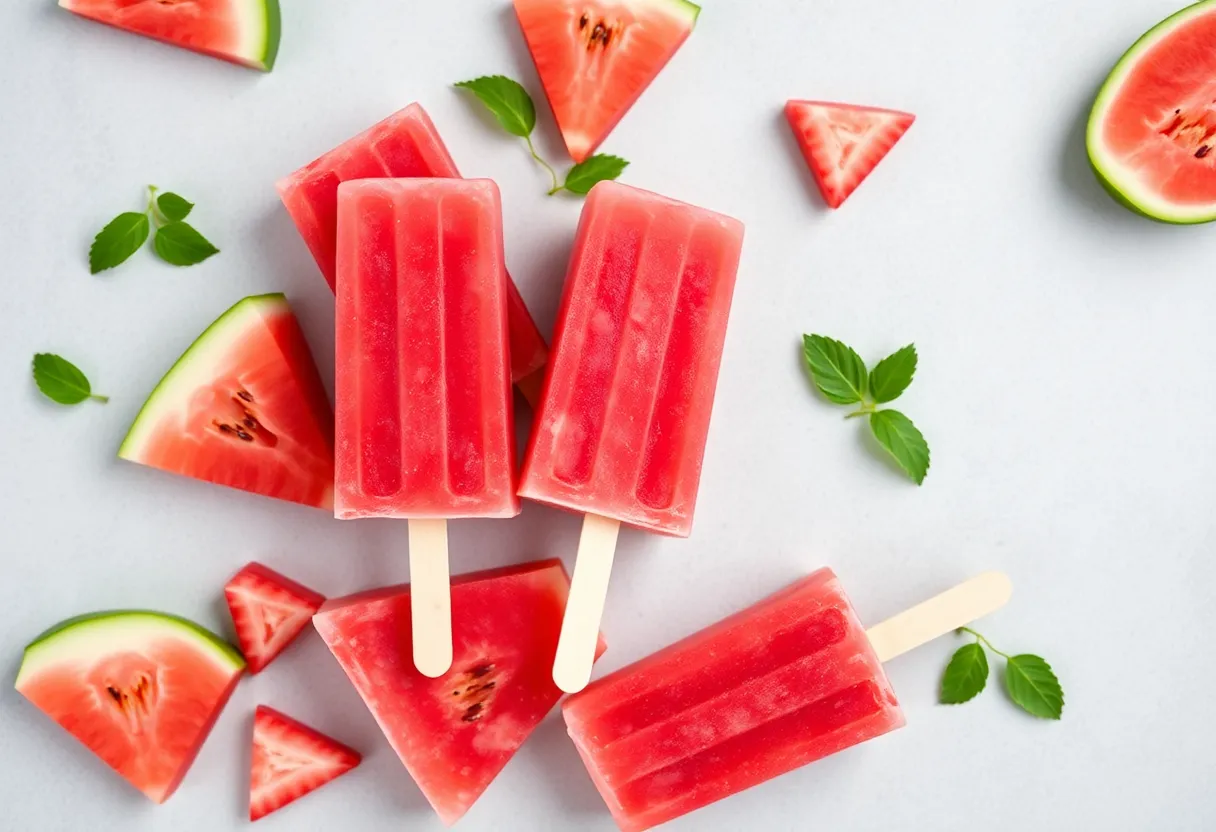
Watermelon Popsicles For Dogs
When summer hits, everything feels heavier — including our dogs. You can see it in the way they stretch out on the floor, seek shade, and pant more than usual. If you’ve ever eaten a slice of cold watermelon on a hot day while your dog sat nearby staring hopefully, you already know where this starts.
Sharing a bite feels harmless, but turning watermelon into a frozen treat changes everything. Watermelon popsicles are more than just a fun snack. They help cool your dog down, support hydration, and give you a simple way to offer something fresh without relying on processed treats.
After years of making homemade dog treats, this is one of those recipes that sticks around because it actually works — for energy levels, digestion, and summer comfort.
Why Watermelon Is a Smart Choice for Dogs
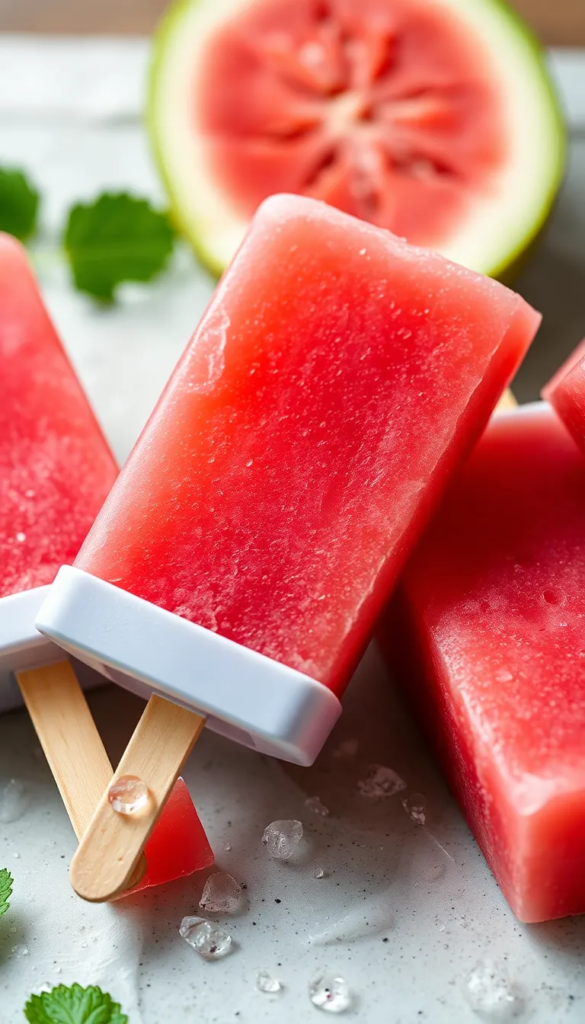
Watermelon is mostly water, which makes it incredibly useful during warm weather. Dogs don’t always drink enough when it’s hot, especially if they’re active, older, or picky. A frozen watermelon treat adds moisture in a way they actually enjoy.
Beyond hydration, watermelon naturally contains vitamins A and C along with potassium. These nutrients support immune health, muscle function, and overall balance. What matters most is that watermelon delivers these benefits without being heavy, greasy, or overly rich.
When prepared correctly, it’s gentle on the stomach and suitable for most dogs.
What Makes Watermelon Popsicles Better Than Regular Treats
Frozen treats do something regular snacks don’t. They cool the mouth, slow down eating, and keep dogs engaged longer. Instead of gulping down a biscuit in seconds, your dog gets something they can lick, chew, and focus on.
That mental engagement matters. It reduces boredom, especially during hot afternoons when walks are shorter and playtime is limited. A popsicle becomes both a reward and an activity.
Compared to store-bought frozen treats, homemade watermelon popsicles let you control every ingredient. No fillers. No artificial sweeteners. No guessing.
Ingredients You Actually Need
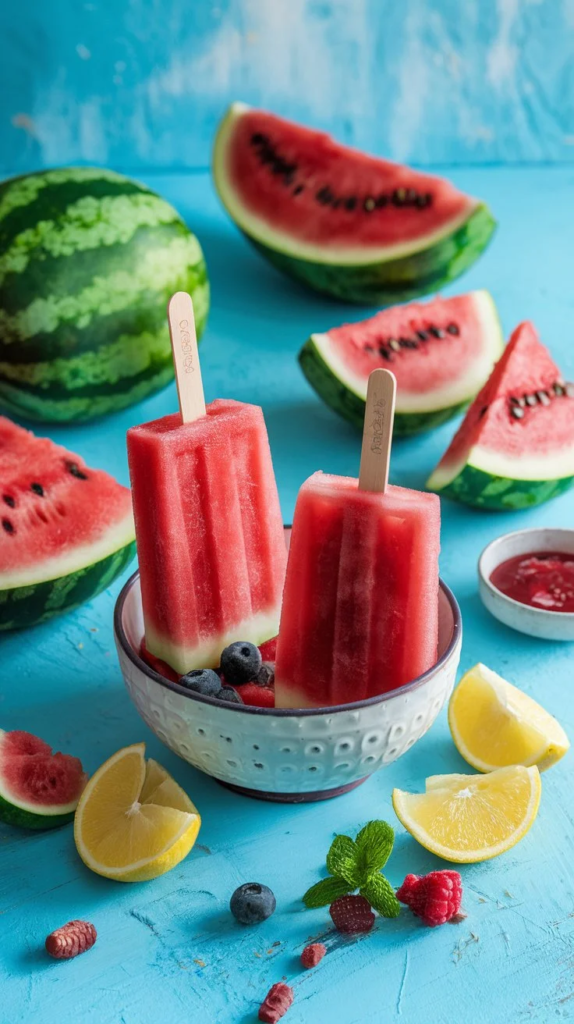
This recipe stays simple on purpose. Overcomplicating dog treats usually causes more problems than benefits.
Watermelon
This is the base of everything. It must be ripe, fresh, and completely free of seeds and rind. Seeds can cause digestive issues, and the rind is difficult for dogs to process.
Plain Yogurt (Optional)
Yogurt adds creaminess and probiotics. If your dog tolerates dairy well, it can support digestion and gut health. It must be plain and unsweetened.
Honey (Optional)
A very small amount can enhance flavor if the watermelon isn’t naturally sweet. This is optional and should be used sparingly.
Water or Coconut Water (Optional)
Sometimes watermelon blends thick. A small splash helps reach a pourable texture without changing the nutritional balance.
How to Make Watermelon Popsicles at Home
Start by cutting the watermelon into manageable chunks and removing every visible seed. This step matters more than people think.
Add the watermelon to a blender and blend until completely smooth. If you’re using yogurt or honey, add them now and blend again. The mixture should look like a thick juice.
If it feels too dense, add a little water or coconut water until it pours easily.
Pour the mixture into popsicle molds, ice cube trays, or small paper cups. Popsicle sticks are optional. Freeze for at least four to six hours until solid.
When it’s time to serve, run the mold under warm water for a few seconds so the popsicle releases easily.
How Often Dogs Should Have Watermelon Popsicles
Even healthy treats need limits. These popsicles work best as an occasional reward, not a daily habit.
For small dogs, one small cube once a week is usually enough. Medium and large dogs can handle slightly more, depending on activity level and diet. Treats should never replace meals or make up a large portion of daily calories.
Watch how your dog reacts the first time. Every dog is different.
Storage Tips That Actually Work
Once frozen, popsicles should be wrapped individually or stored in an airtight container. This prevents freezer burn and keeps flavors fresh.
They can be stored for up to two or three months, though most households don’t keep them that long because dogs make quick work of them.
Labeling the container helps if you prepare multiple homemade treats.
Health Benefits You’ll Notice Over Time
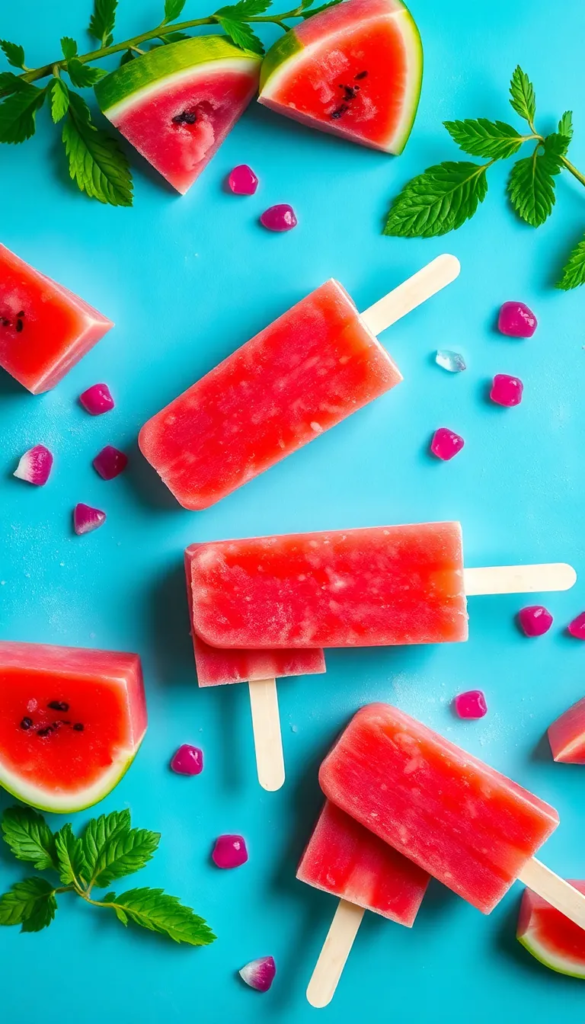
Dogs who enjoy watermelon popsicles often drink more fluids overall during summer. You may notice less heavy panting after outdoor play and better energy recovery.
The low calorie content makes these treats useful for dogs who need weight control without feeling deprived. The frozen texture also soothes gums, which can be helpful for teething puppies or senior dogs.
Mental stimulation is another benefit owners often overlook. Licking and chewing frozen treats keeps dogs occupied and relaxed.
Common Mistakes to Avoid
Seeds are the most common issue. Even a few can cause stomach discomfort, especially in smaller dogs.
Sweeteners are another risk. Artificial sweeteners like xylitol are extremely dangerous and should never be used under any circumstances.
Too much honey can also cause problems. Sugar, even natural sugar, should stay minimal.
If your dog has food sensitivities, introduce new ingredients slowly and watch for reactions like itching, vomiting, or loose stools.
Fun Variations for Dogs Who Like Variety
Some dogs love simple watermelon. Others enjoy variety.
You can blend in a few blueberries or strawberries for antioxidants. A small piece of banana adds natural sweetness and thickness. A few spinach leaves can add nutrients without changing flavor much.
For savory-loving dogs, diluted chicken or beef broth can replace water. Always ensure broths are low-sodium and free from onions or garlic.
Is This Treat Safe for Every Dog?
Most dogs tolerate watermelon well, but dogs with diabetes, sensitive digestion, or specific dietary restrictions should be monitored closely. When in doubt, start with a small amount and consult your veterinarian.
If your dog simply isn’t interested, that’s okay. Not every treat works for every dog, and preferences vary just like they do with people.
Final Thoughts of Watermelon Popsicles For Dogs
Watermelon popsicles are one of those rare treats that balance fun, nutrition, and simplicity. They don’t require special tools, expensive ingredients, or advanced cooking skills.
What they do require is attention — to ingredients, portion sizes, and your dog’s individual needs.
When made thoughtfully, they become more than a snack. They become part of how you care for your dog during the toughest days of summer.