
What Fruits Can Dogs Eat? (Best vs. Worst Choices)
As a dog owner, I’ve often found myself wanting to share my favorite snacks with my pup—especially fruits. But I quickly learned that while some fruits are incredibly healthy for dogs, others can be dangerous or even life-threatening. Understanding the difference isn’t just helpful—it’s essential for your dog’s safety and long-term health.
Key Takeaways
- Many fruits are safe and provide vitamins, fiber, and antioxidants for dogs
- Fruits should make up no more than 10% of a dog’s daily calorie intake
- Some fruits like grapes and cherries are highly toxic and must be avoided completely
- Dogs have fewer taste buds than humans (~1,700 vs 9,000), but they still enjoy natural sweetness
- Hydrating fruits like watermelon can help prevent dehydration in hot weather
- Always remove seeds, pits, and rinds before feeding
- Introduce new fruits slowly to avoid digestive upset
I’ve personally seen how adding the right fruits in moderation can improve digestion, boost energy, and even make training more fun.
The Best Fruits for Dogs
1. Blueberries – The Antioxidant Powerhouse
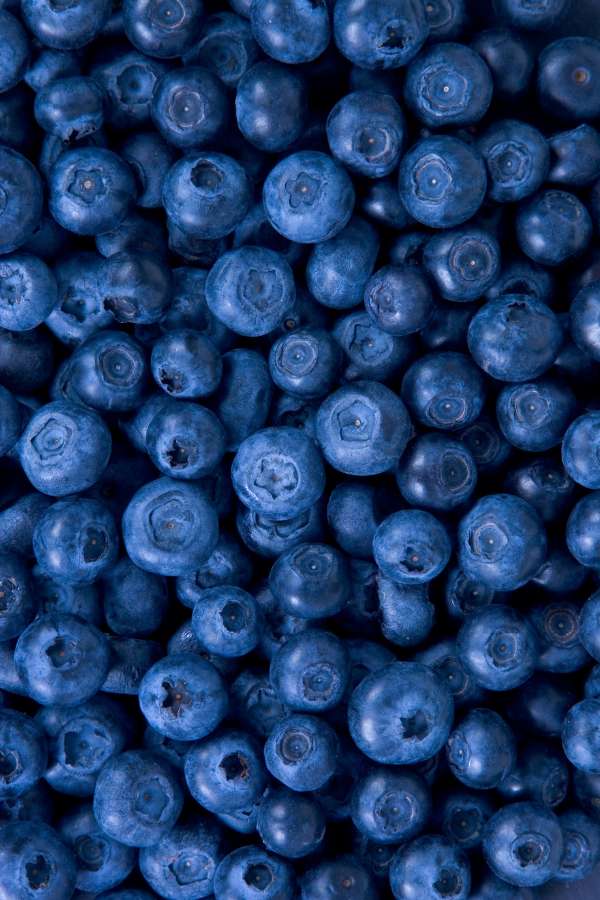
Nutritional Profile: Rich in antioxidants, vitamin C, vitamin K, and fiber
Health Benefits:
Supports brain health, especially in senior dogs
Boosts immunity and reduces inflammation
Promotes eye health
Serving Guidelines:
Small dogs: 2–3 berries
Medium dogs: 5–6 berries
Large dogs: 8–10 berries
Tip: I often use frozen blueberries as training treats—they’re low-calorie and refreshing.
2. Watermelon – The Hydrating Summer Treat

Nutritional Profile: Over 90% water with vitamins A and C
Health Benefits:
Helps prevent dehydration
Supports digestion
Great for weight management
Serving Guidelines:
Always remove seeds and rind
Serve small cubes depending on dog size
3. Pumpkin – The Digestive Champion

Nutritional Profile: High in fiber and vitamin A
Health Benefits:
Helps with both diarrhea and constipation
Supports immune health
Aids weight control
Serving Guidelines:
Use plain cooked pumpkin only
4. Apples – The Crunchy Dental Helper

Nutritional Profile: Fiber, vitamin C, antioxidants
Health Benefits:
Helps clean teeth naturally
Supports gut health
Provides antioxidants
Important Tip: Always remove seeds and core
5. Strawberries – The Vitamin C Boost

Nutritional Profile: High in vitamin C and antioxidants
Health Benefits:
Supports immune system
May help whiten teeth naturally
Supports heart health
6. Bananas – The Energy Provider

Nutritional Profile: Potassium, fiber, natural sugars
Health Benefits:
Boosts energy
Supports digestion
Helps muscle function
Tip: I use bananas sparingly due to sugar content
7. Cranberries – The Urinary Tract Supporter
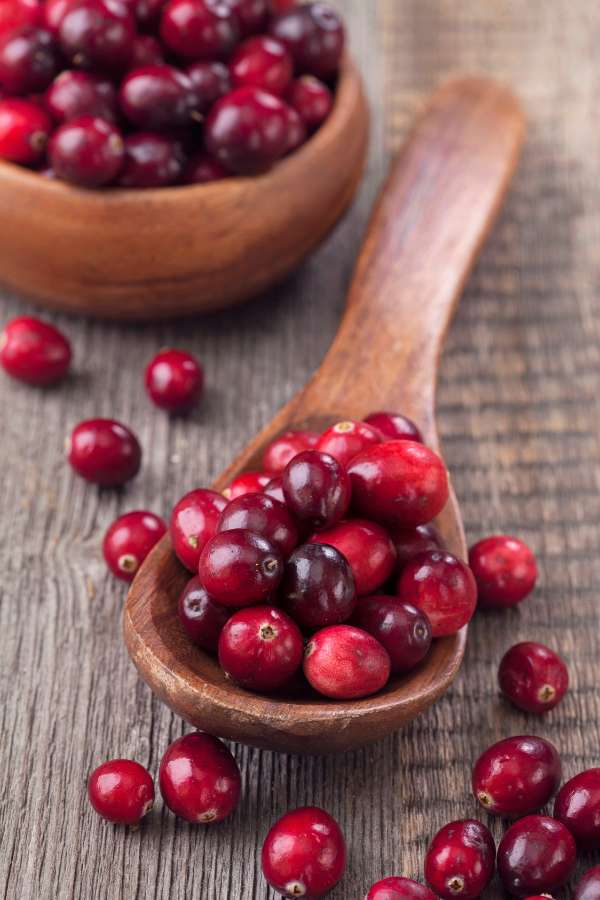
Health Benefits:
May help prevent UTIs
Provides antioxidants
Supports dental health
8. Kiwi – The Vitamin Powerhouse
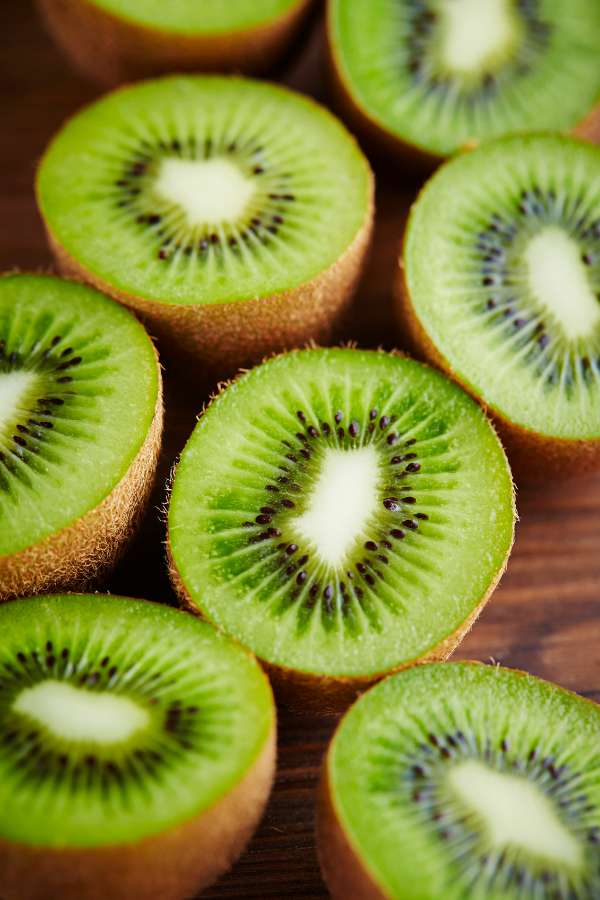
Health Benefits:
Boosts immunity
Supports digestion
Improves skin and coat health
Always remove skin before feeding
9. Cucumbers – The Low-Calorie Crunch
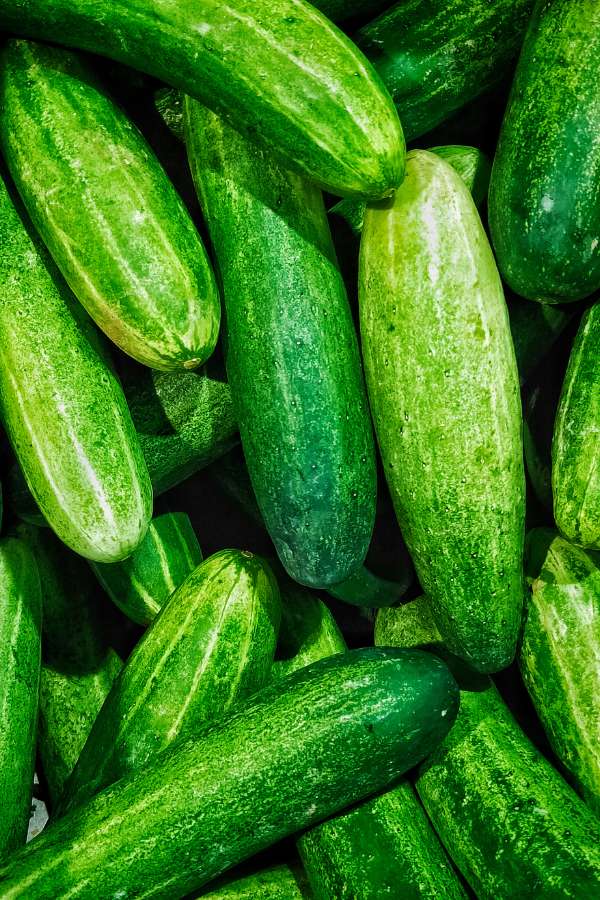
Nutritional Profile: 95% water
Health Benefits:
Great for hydration
Helps with weight management
Freshens breath
10. Cantaloupe – The Beta-Carotene Boost

Health Benefits:
Supports eye health
Boosts immunity
Helps hydration
Remove rind and seeds before serving
Fruits to Avoid: The Dangerous Choices
1. Grapes and Raisins – The Silent Killers
Why They’re Dangerous:
Even small amounts can cause acute kidney failure in dogs
Toxic Effects:
Vomiting, lethargy, kidney damage, possible death
What to Do:
Seek immediate veterinary help—don’t wait for symptoms
2. Lemons and Limes – The Acidic Irritants
Why They’re Dangerous:
High acidity and essential oils can cause toxicity
Toxic Effects:
Digestive upset, weakness, irritation
3. Cherries – The Cyanide Carriers
Why They’re Dangerous:
Pits contain cyanide compounds
Toxic Effects:
Breathing issues, blockage risk, poisoning
4. Wild Berries – The Unknown Dangers
Why They’re Dangerous:
Many wild berries are toxic and hard to identify
Toxic Effects:
Seizures, organ damage, severe illness
General Guidelines for Feeding Fruits to Dogs
Introduction Rules
Start with small portions
Monitor for allergies or digestive issues
Keep fruit intake under 10% of daily calories
Preparation Safety
Wash thoroughly
Remove seeds, pits, and rinds
Avoid canned or processed fruits
Special Considerations
Diabetic dogs need vet guidance before eating fruit
Overweight dogs should stick to low-calorie options
Senior dogs may need softer fruits
Conclusion
From my experience, fruits can be a fantastic addition to your dog’s diet when chosen carefully. They’re not just treats—they’re a natural way to boost nutrition, hydration, and overall wellbeing.
The key is balance and awareness. Stick to safe fruits, avoid toxic ones, and always introduce new foods gradually. Every dog is different, so paying attention to how your pup reacts is the best approach.