What To Do If Your Dog Gets Too Fat
I never thought my dog could become overweight—but one day, I noticed the extra pounds were affecting their energy and overall health. Like many pet owners, I used to give treats freely and guess at portion sizes, thinking it was harmless.
Save For Later
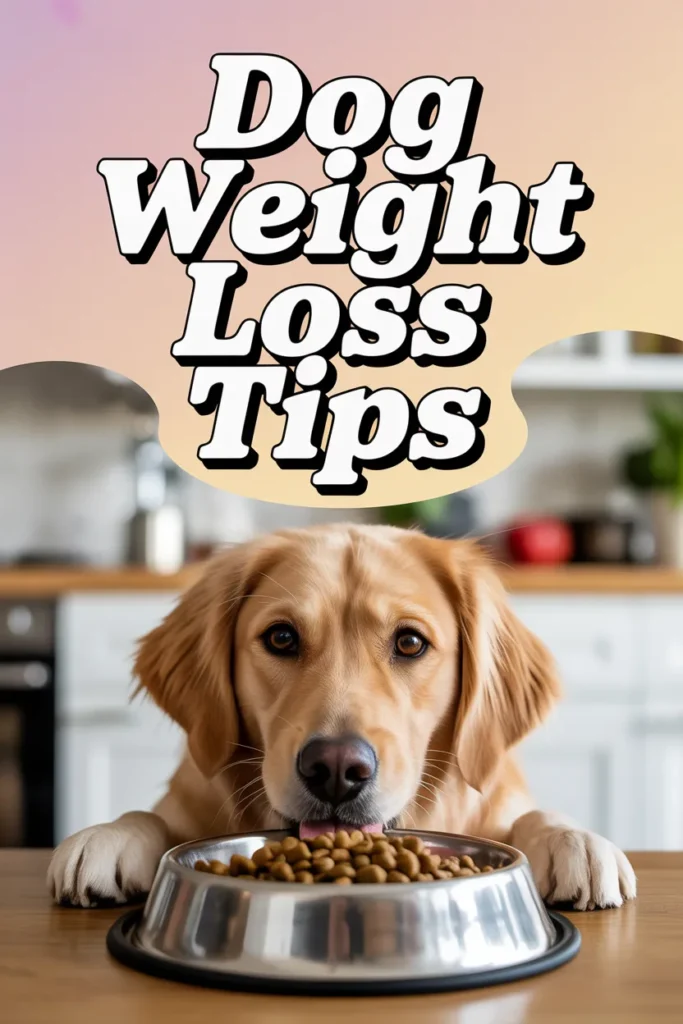
The truth is, dog obesity can lead to serious health problems like diabetes, joint pain, and a shorter lifespan. In this guide, I’ll share the practical steps I took to help my dog lose weight safely, from understanding why they gained it to creating a consistent routine that works.
Step 1: Admit There’s a Problem
I had to face the reality: my dog was overweight. Those extra pounds weren’t just cute—they were affecting their health, increasing risks of diabetes, joint pain, and a shorter lifespan. I realized this wasn’t about blame but taking responsibility for their nutrition, treats, and daily activity. Admitting the issue was the first step toward real change.
Step 2: Figure Out Why Your Dog Is Fat
Understanding why my dog gained weight was eye-opening. Overfeeding, too many treats, and a sedentary lifestyle were obvious culprits. I also learned that medical issues like thyroid problems or hormonal imbalances can play a role. Using a food scale and monitoring treats helped me pinpoint the causes instead of guessing.
Pro Tip: Use a food scale and track treats to identify the real causes of your dog’s weight gain, including diet, activity, and potential medical issues.
Step 3: Get a Vet Check-Up
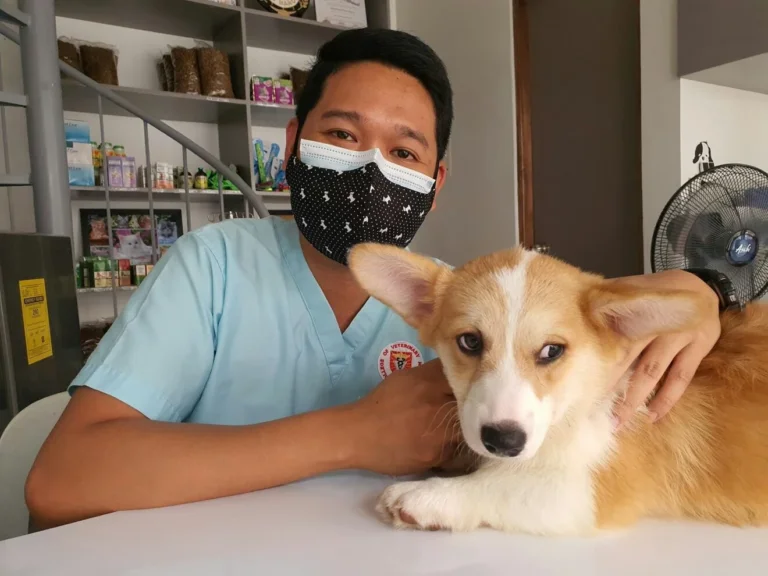
Before making changes, I took my dog to the vet. They confirmed the ideal weight for my dog’s breed, age, and activity level and ruled out any medical issues. The vet also helped me design a realistic, safe weight-loss plan. Getting professional guidance made me confident I was helping my dog safely.
Step 4: Measure Their Food

Eyeballing meals wasn’t cutting it. I switched to a measuring cup and kitchen scale to ensure precise portions. Adding low-calorie fillers like carrots or green beans kept my dog feeling full without extra calories. This simple change balanced nutrition and appetite while keeping weight under control.
Step 5: Cut Back on Treats
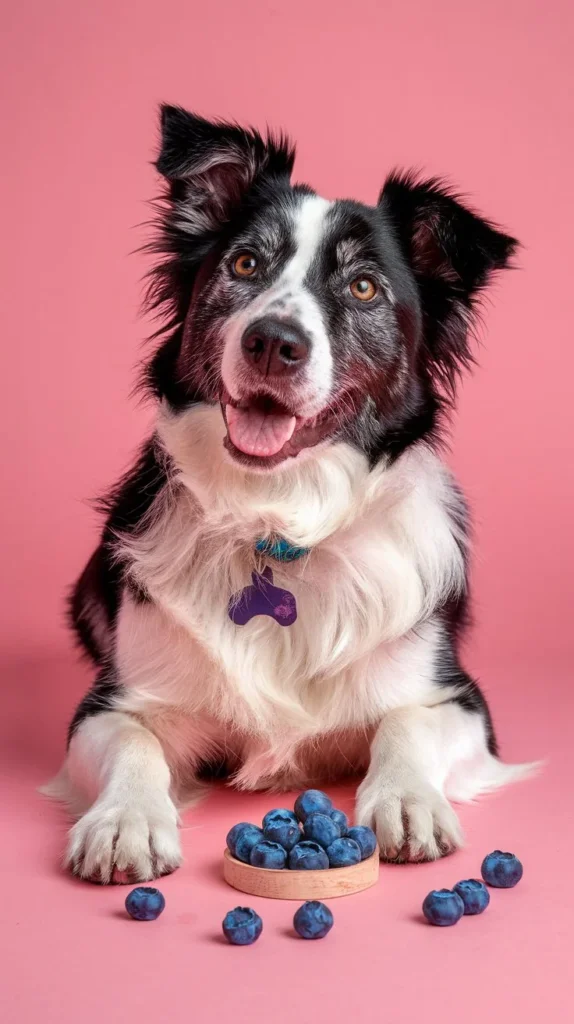
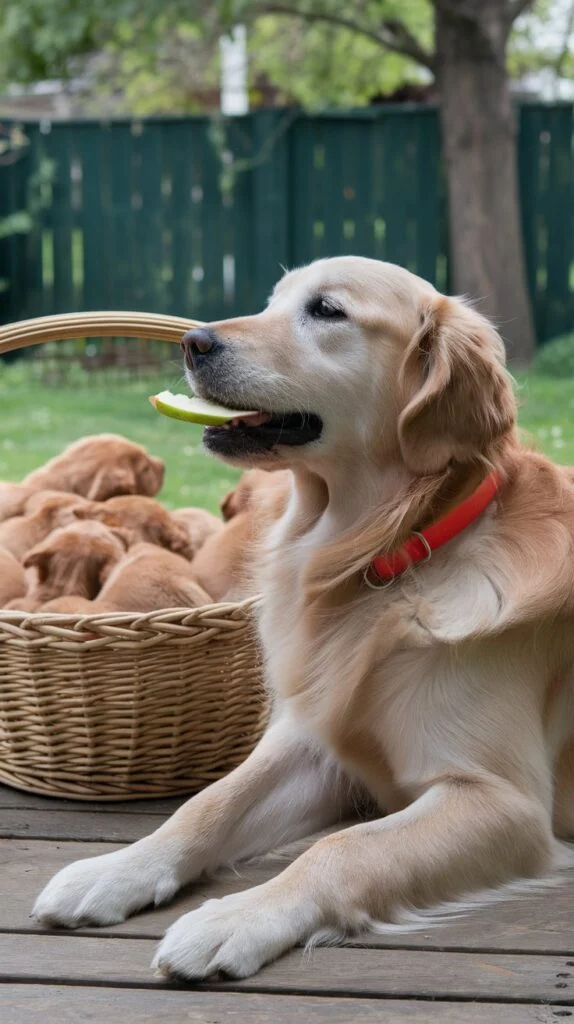
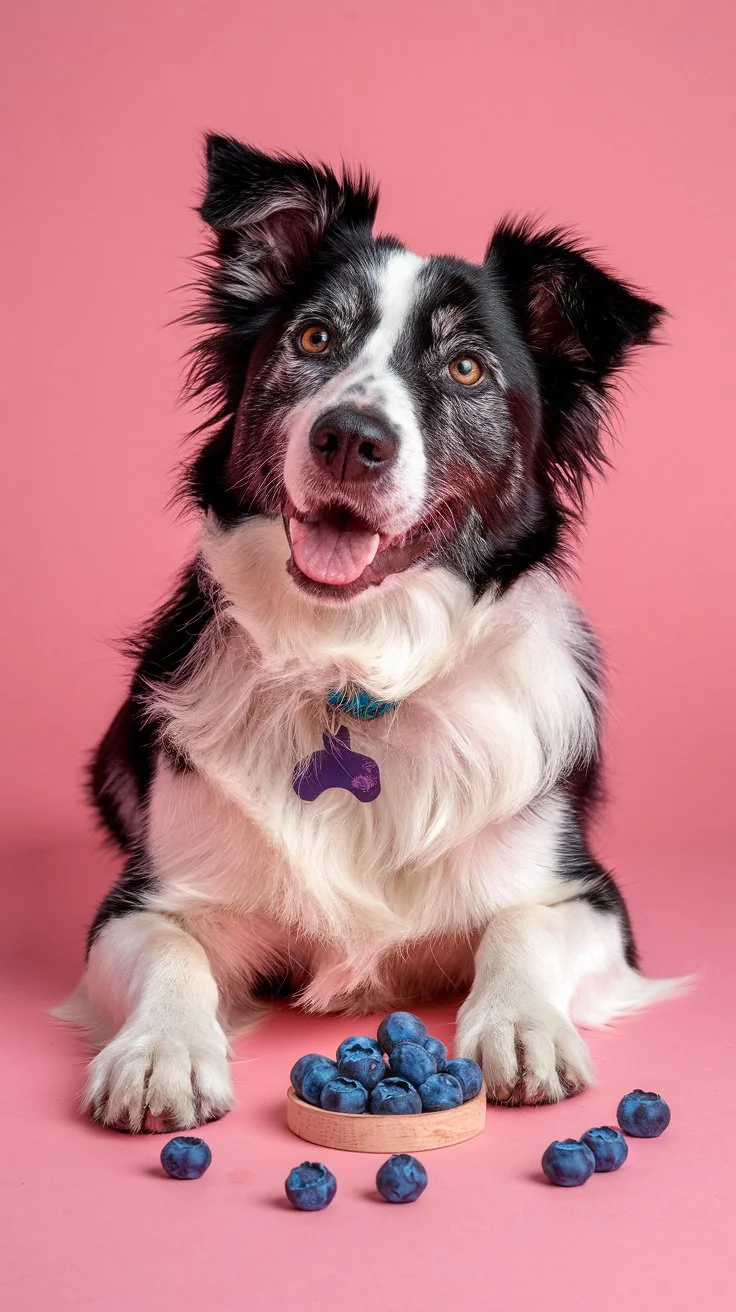
I realized treats were sabotaging progress. Limiting them to 10% of daily calories and swapping high-calorie snacks for blueberries, apple slices, or a few pieces of kibble made a huge difference. Treats became a tool for training and rewarding good behavior, not a daily indulgence.
Step 6: Get Moving
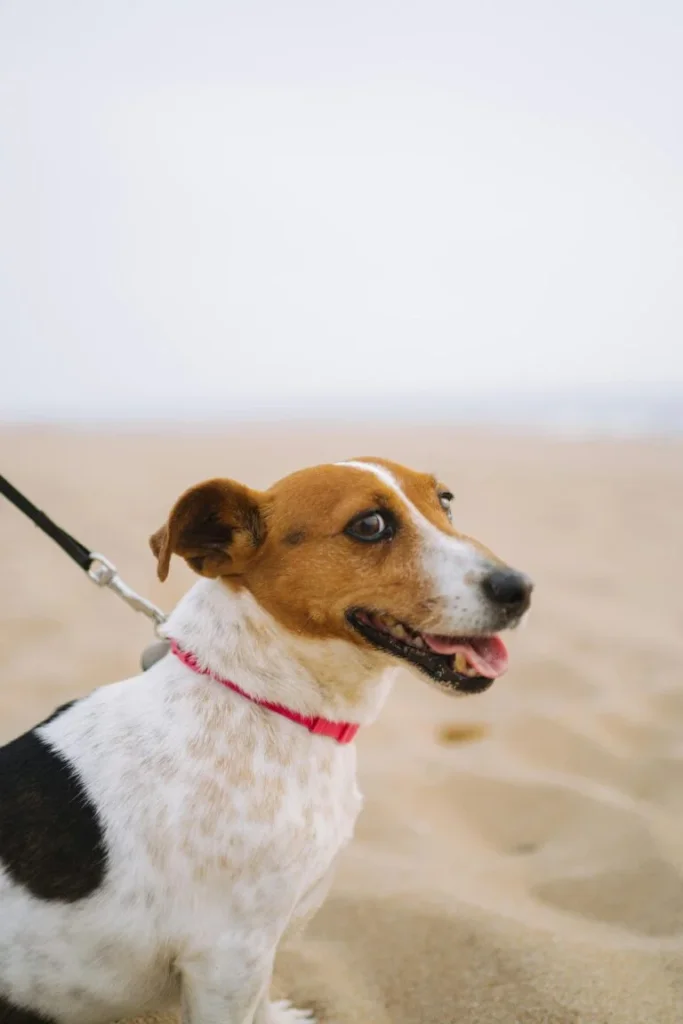
Exercise transformed my dog’s energy and mood. I started with short walks and gradually added fetch, backyard play, and hiking. Consistent daily activity helped burn calories and improved both physical and mental health. Even small amounts of movement daily made a measurable impact.
Related Posts:
- Calming Dog Treats for Anxiety
- Homemade Anti-Inflammatory Dog Treats
- Easy Allergy-Friendly Dog Treat
Step 7: Monitor Progress

I weighed my dog weekly and tracked their energy and mobility. Healthy weight loss is gradual—about 1-2% of body weight per week. When progress slowed, I adjusted portions, treats, and activity. Celebrating small wins kept me motivated and reinforced positive habits for my dog.
Step 8: Stay Consistent
Consistency became my best friend. Controlling meals, avoiding table scraps, sticking to walks, and maintaining routines ensured sustainable weight loss. Over time, I noticed my dog’s improved energy, agility, and overall happiness. Healthy habits now benefit both of us long-term.
FAQs
How do I know if my dog is overweight?
If I can’t feel their ribs easily or see a waistline, it’s a warning sign. My vet gave a precise assessment.
Can I just switch to “diet” dog food?
Diet food helps, but it isn’t enough alone. Portion control and exercise are still essential.
My dog begs constantly. What should I do?
Ignoring begging consistently teaches them it won’t work. Over time, they stop, and treats become intentional rewards.
How long will weight loss take?
It depends on how much weight needs shedding. I focus on slow, steady progress to keep my dog healthy.
Conclusion: What To Do If Your Dog Gets Too Fat
Helping my dog reach a healthy weight required effort, patience, and consistency. Measured meals, fewer treats, daily exercise, and monitoring progress made all the difference. Now, my dog has more energy, better mobility, and a longer, happier life. Taking control of their health strengthened our bond—and honestly, made me feel better too.
All content on this site is written and reviewed by our experienced team to ensure it is accurate, reliable, and helpful for our readers. Our Our Process page explains how we carefully research and create high-quality content, while our Team page introduces the professionals behind our work. We also provide clear guidelines for content or image concerns on our Image Removal page, so you can trust that we prioritize transparency, quality, and reader safety.