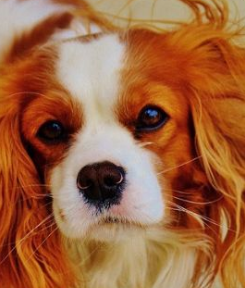
When Do Cavalier King Charles Spaniels Get Their Full Coat?
I’ve often wondered when my Cavalier would finally grow that long, silky coat everyone talks about. If you’re asking the same question, the simple answer is this: most Cavalier King Charles Spaniels develop their full coat between 1 to 2 years of age.
Save For Later
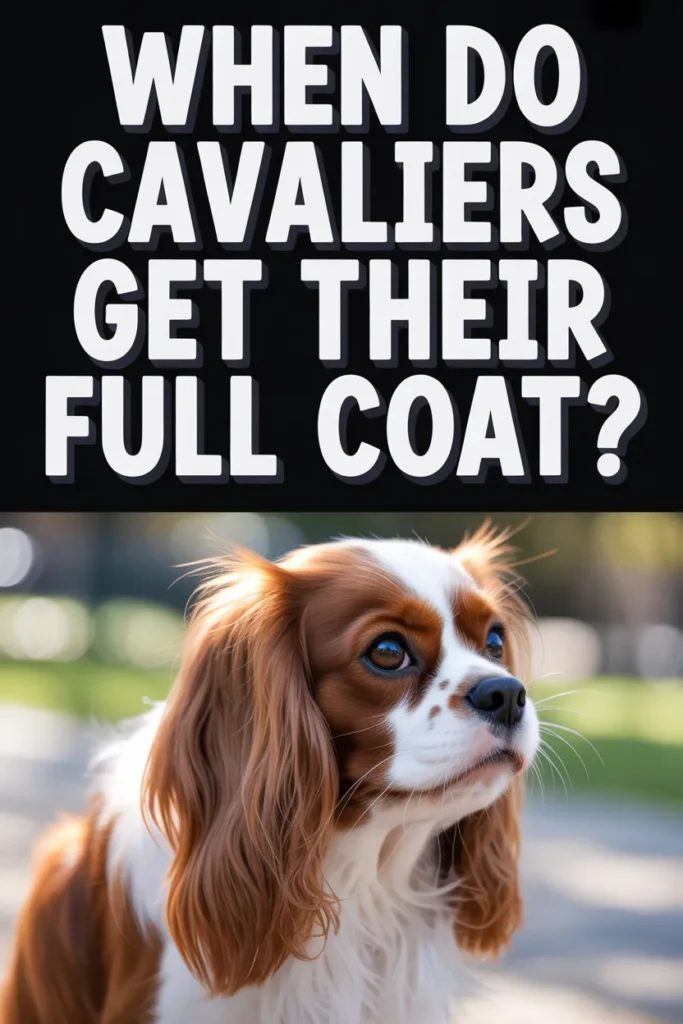
But it’s not an overnight change. I’ve seen the coat go through multiple stages—from soft puppy fluff to a fuller, slightly wavy adult coat. During this time, shedding increases and grooming needs change too.
In this guide, I’ll walk you through how the Cavalier coat develops, what affects its growth, and what I personally do to keep it shiny and healthy.
Key Takeaways
- Cavaliers usually get their full coat between 12–24 months
- Puppy coat starts changing around 6–9 months
- Regular brushing (at least 2–3 times weekly) is essential
- Nutrition plays a major role in coat quality
- Stress and health issues can impact hair growth
- Avoid shaving—it damages coat structure
Understanding the Cavalier King Charles Spaniel Coat
From my experience, the Cavalier coat is what makes this breed stand out. It’s a mix of a soft undercoat and a silky outer layer, giving that smooth and elegant look people love.
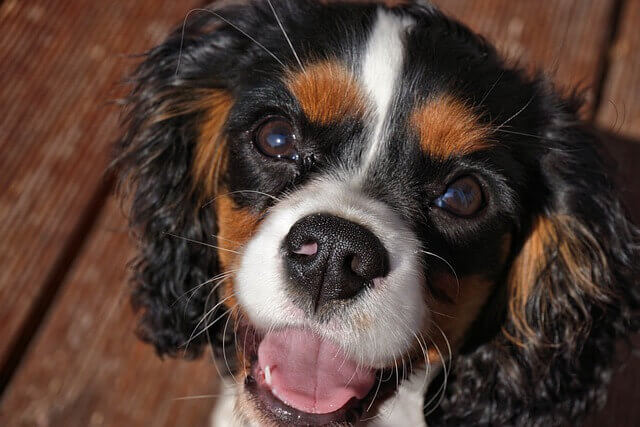
Cavaliers come in four main coat colors: Blenheim, Tricolor, Ruby, and Black and Tan. I’ve even seen litters where multiple colors appear together, which is quite interesting.
One thing I noticed early on is the feathering. The longer hair on the ears, chest, legs, and tail needs extra care because it tangles faster than the rest of the coat.
To keep everything manageable, I stick to regular brushing. Without it, mats can form quickly, especially in those feathered areas.
As for bathing, I don’t overdo it. Once every 4–6 weeks works well. Bathing too often can dry out the skin and strip natural oils, which actually makes the coat look dull.
When Do Cavalier King Charles Spaniels Get Their Full Coat?
In my case, my Cavalier didn’t reach a full coat until around 18 months. Most Cavaliers fully develop their coat between 1 and 2 years, although some may take a bit longer.
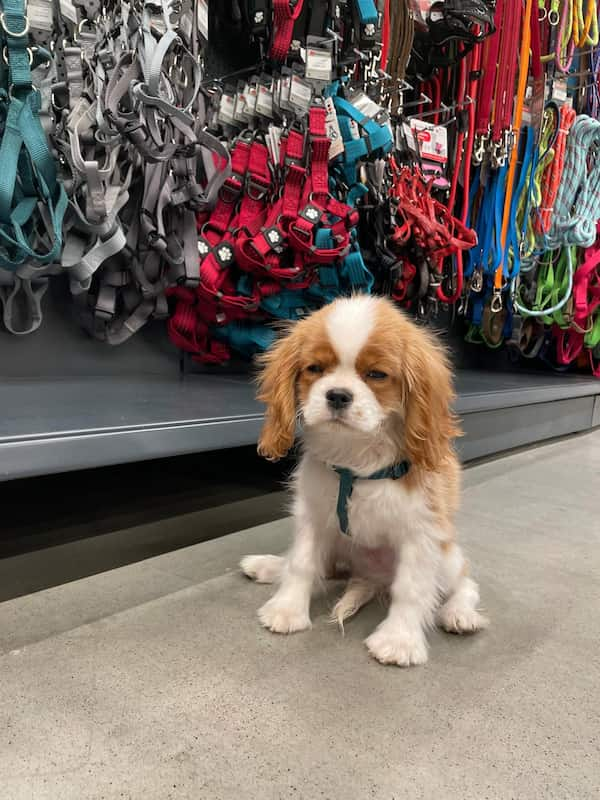
As puppies, their fur is soft and fluffy, but it gradually becomes longer and thicker. Around 6 to 9 months, I noticed more shedding—this is completely normal as the adult coat starts coming in.
During the first year, grooming is pretty minimal. But once the adult coat develops, I had to increase brushing to avoid tangles and keep it looking neat.
From what I’ve seen, consistency matters more than anything once they reach adulthood.
Factors That Affect Hair Growth in Cavaliers
Genetics
From what I’ve observed, genetics play the biggest role in how a Cavalier’s coat turns out. Coat thickness, length, and even shine depend heavily on what they inherit.
Some coat issues like thinning or patchy hair can also be genetic, so it’s not always something you can control.
Health
I always say this—if the dog is healthy, the coat shows it. A shiny coat is usually a sign everything inside is working well.
On the other hand, dull or slow-growing hair can point to issues like nutrient deficiencies or underlying health problems.
Pro Tip: I always judge my Cavalier’s health by the coat—if it’s shiny and smooth, everything inside is likely on track; dull fur is often an early warning sign.
Age
I noticed coat changes a lot during the first year. Growth can look uneven at times, especially when they’re shedding their puppy coat.
As they get older, things stabilize. However, senior Cavaliers (around 8+ years) may develop thinner or rougher coats due to aging and hormonal changes.
Nutrition
Diet made a huge difference for my dog. Protein is especially important because hair is made mostly of protein.
I made sure to include nutrients like omega-3 and omega-6 fatty acids, along with vitamins A and E. Studies show that omega fatty acids can improve coat shine and reduce dryness significantly.
Also, keeping my dog well-hydrated helped maintain overall coat health.
Stress
I didn’t realize this at first, but stress can affect a dog’s coat. Changes in routine or separation anxiety can lead to increased shedding.
Stress hormones like cortisol can interrupt normal hair growth. I’ve also seen dogs lick or chew their fur more when stressed, which damages the coat.
Grooming
Regular grooming is something I never skip. Brushing helps remove dead hair and improves blood circulation, which supports healthy growth.
I stick to brushing at least twice a week. It keeps the coat smooth and prevents mats from forming, especially around the ears and legs.
How to Keep Cavalier King Charles Spaniel Coat Shiny?
Regular Brushing
Brushing is the simplest way I keep my Cavalier’s coat looking good. It spreads natural oils, removes dirt, and prevents tangles.
I noticed that consistent brushing alone can make the coat look noticeably shinier within weeks.
Balanced Diet
A proper diet has a direct impact on coat shine. Foods rich in omega fatty acids help maintain natural oils and prevent dryness.
From my experience, improving diet quality shows visible results in about 4–6 weeks.
Avoid Shavin
I learned this the hard way—shaving a Cavalier is not a good idea. It can damage the coat and cause uneven regrowth.
Instead, I go for light trimming if needed and let the coat grow naturally.Grooming Products
Using the right shampoo matters more than people think. I always choose mild, dog-specific products that don’t strip natural oils.
Good products help maintain softness and reduce skin irritation.
Fish Oil
Adding fish oil to my dog’s diet made a visible difference. Omega-3 fatty acids help reduce dryness and improve coat texture.
Many vets recommend fish oil because it supports both skin and coat health.
FAQs
Why is my Cavalier so fluffy?
Cavaliers are naturally fluffy because of their double coat. However, if the fluffiness suddenly increases, it could be due to hormonal changes or health issues. I would check with a vet in that case.
Does the coat change with seasons?
Yes, I’ve noticed seasonal shedding, especially in spring and fall. It’s the body’s way of adjusting to temperature changes.
Why is my Cavalier puppy losing hair?
In most cases, it’s normal shedding as they transition to their adult coat. But if you see redness, itching, or bald spots, it’s best to consult a vet.
All content on this site is written and reviewed by our experienced team to ensure it is accurate, reliable, and helpful for our readers. Our Our Process page explains how we carefully research and create high-quality content, while our Team page introduces the professionals behind our work. We also provide clear guidelines for content or image concerns on our Image Removal page, so you can trust that we prioritize transparency, quality, and reader safety.