Why Your Dog Needs Hydrotherapy – Main Benefits
Dogs don’t always cry or limp when something hurts. Many continue to wag their tails, follow you around, and curl up beside you even while dealing with stiffness, soreness, or chronic pain. Over time, pet parents often notice small changes—slower walks, hesitation before jumping, difficulty standing up, or less interest in play. These signs are easy to miss, but they usually mean the body needs support.
Hydrotherapy has become one of the most effective and trusted therapies for dogs dealing with pain, mobility issues, recovery, and aging. It combines controlled movement with the natural support of water, allowing dogs to exercise safely while protecting their joints and muscles.
This guide covers everything you need to know about canine hydrotherapy, from how it works to who benefits most and what a real session looks like.
What Is Hydrotherapy for Dogs
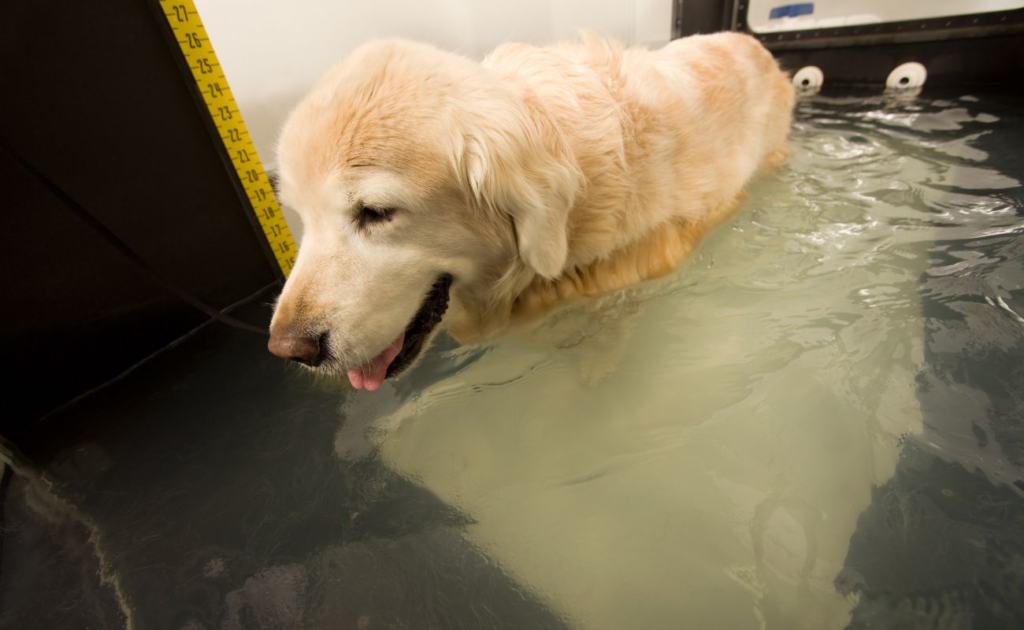
Hydrotherapy is a form of physical therapy that uses water to help dogs move, heal, and regain strength. It is performed in a controlled environment, usually a purpose-built pool or underwater treadmill designed specifically for dogs.
Water reduces the impact of gravity on the body. When a dog is supported by water, their joints carry far less weight, which makes movement easier and less painful. At the same time, water creates resistance, helping muscles work and rebuild strength without stress.
This balance between support and resistance is what makes hydrotherapy so powerful.
How Hydrotherapy Actually Works
Buoyancy and Joint Support
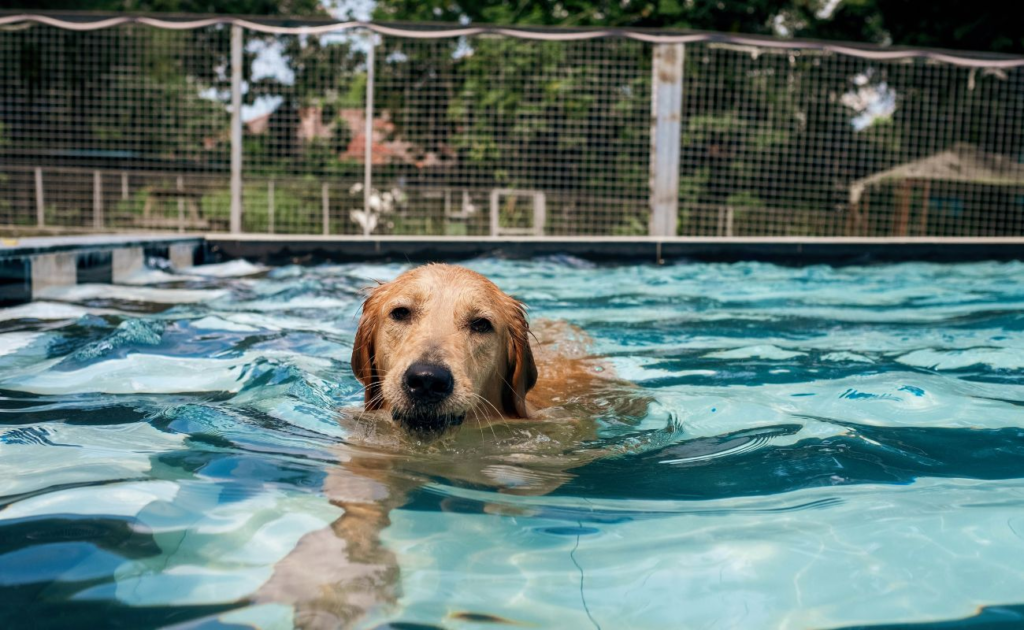
Water buoyancy lifts a portion of your dog’s body weight, reducing pressure on joints, ligaments, and the spine. For dogs with arthritis, hip dysplasia, or post-surgical pain, this relief is immediate and noticeable. Movements that feel difficult or painful on land often become smooth and comfortable in water.
Resistance Without Impact
Water naturally resists movement. Every step, paddle, or stretch works the muscles gently but effectively. Unlike land exercises, there’s no pounding or jolting impact, which makes hydrotherapy ideal for dogs that cannot tolerate traditional workouts.
Warmth and Muscle Relaxation
Most hydrotherapy pools are kept warm. Heat helps relax tight muscles, improves flexibility, and increases blood flow. This warmth often reduces stiffness and makes it easier for dogs to move naturally.
Why Dogs Need Hydrotherapy
Hydrotherapy isn’t just for injured dogs. It supports dogs at many stages of life and health conditions.
Pain Management
Chronic pain conditions like arthritis, spinal issues, and joint degeneration can slowly limit a dog’s quality of life. Hydrotherapy reduces pressure on painful areas while keeping the body active. Dogs often move more freely in water than they can on land, which helps maintain strength without worsening pain.
Improved Mobility and Flexibility
As dogs age or recover from injury, muscles weaken and joints stiffen. Regular hydrotherapy sessions improve range of motion, strengthen supporting muscles, and help dogs regain confidence in their movement. Over time, this translates into better balance, smoother walking, and easier transitions from sitting to standing.
Post-Surgery Recovery
After surgery, dogs need controlled movement to heal properly. Too much activity can cause setbacks, while too little leads to stiffness and muscle loss. Hydrotherapy provides a safe middle ground, allowing gradual movement under supervision while minimizing strain on healing tissues.
Weight Control and Fitness
Overweight dogs face extra pressure on joints and organs, making exercise uncomfortable or even risky. Hydrotherapy allows them to burn calories and build muscle without overloading their bodies. This makes it one of the safest exercise options for dogs struggling with weight.
Circulation and Overall Health
Movement in water encourages better blood flow, which supports healing, reduces inflammation, and nourishes muscles and joints. Improved circulation often leads to better energy levels and overall physical health.
Dogs That Benefit Most from Hydrotherapy
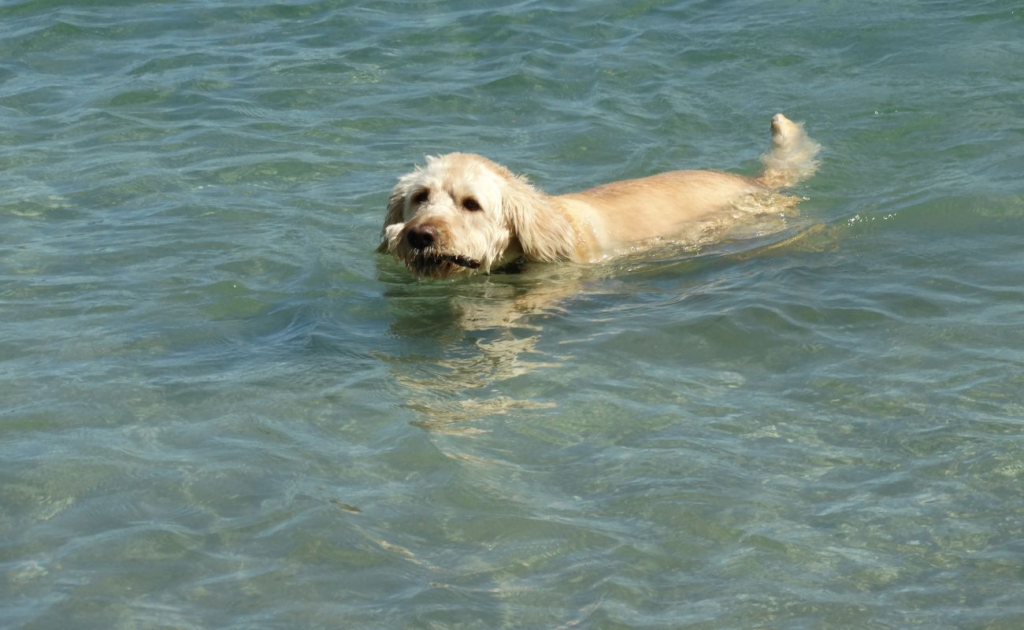
Hydrotherapy is suitable for most dogs, but it is especially beneficial for:
Dogs with arthritis or joint disease
Dogs recovering from orthopedic or neurological surgery
Senior dogs experiencing stiffness or reduced mobility
Dogs with hip or elbow dysplasia
Overweight dogs needing low-impact exercise
Dogs with muscle weakness or balance issues
Veterinary approval is always recommended before starting therapy, especially for dogs with heart conditions, open wounds, or infections.
What Happens During a Hydrotherapy Session
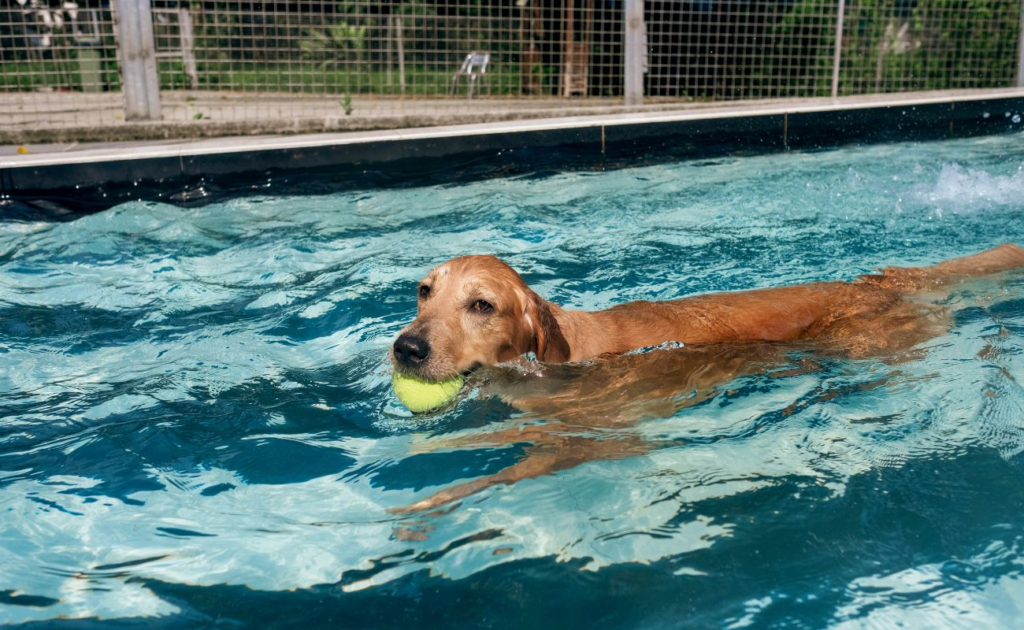
Initial Assessment
Every dog begins with an assessment. The therapist reviews medical history, observes movement, and identifies limitations or problem areas. This ensures the therapy plan matches the dog’s condition, comfort level, and goals.
Customized Therapy Plan
There is no one-size-fits-all approach. Some dogs benefit from gentle walking in an underwater treadmill, while others do better swimming in a pool. Session length, water depth, and intensity are adjusted carefully to match progress.
Guided Water Exercise
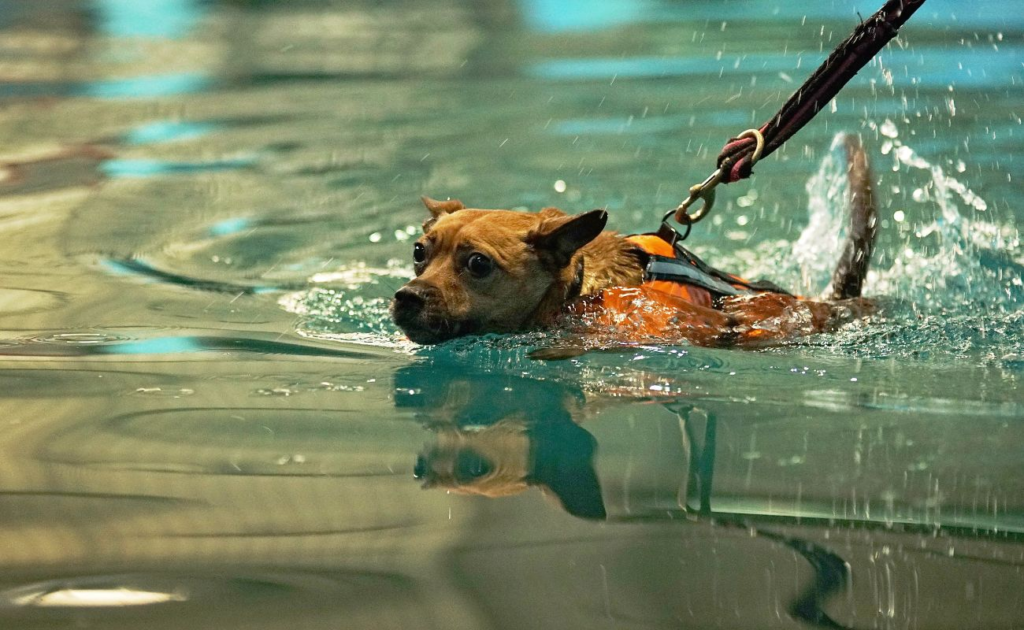
During the session, dogs are supported and guided at all times. Life vests or harnesses may be used for safety. The therapist encourages controlled movement, proper posture, and calm pacing to maximize benefit.
Continuous Monitoring
Dogs are closely monitored for fatigue, stress, or discomfort. Adjustments are made immediately if needed. Over time, as strength and confidence improve, sessions may gradually become more challenging.
How Often Dogs Need Hydrotherapy
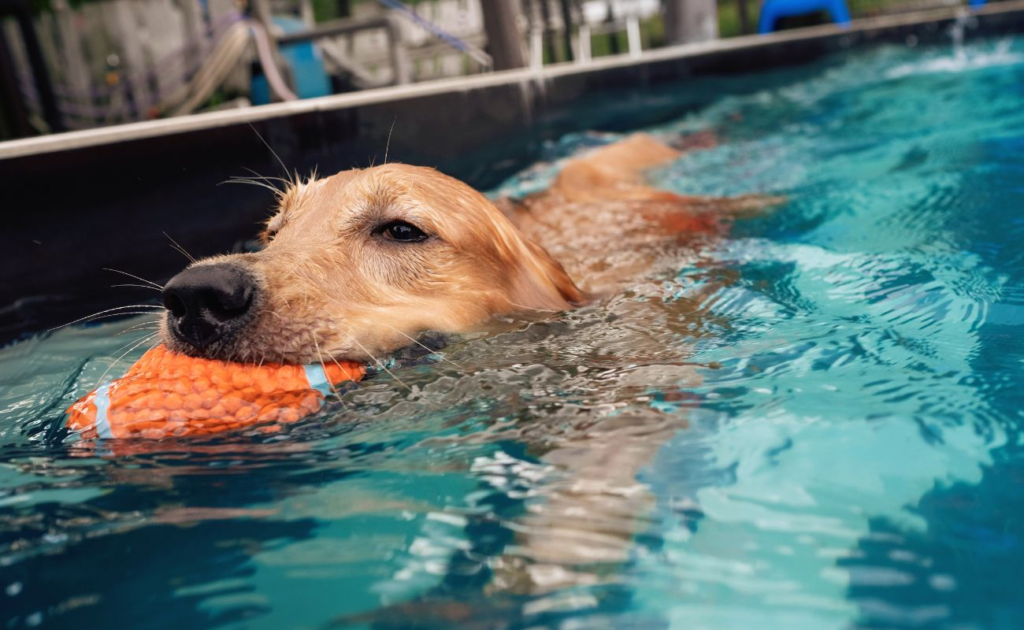
Frequency depends on the dog’s condition and goals. Some dogs attend sessions once a week for maintenance, while others may start with multiple sessions per week during recovery. Progress is reviewed regularly, and plans are adjusted as the dog improves.
Consistency matters more than intensity. Slow, steady progress leads to the best long-term results.
Is Hydrotherapy Safe for Older Dogs
Yes, hydrotherapy is one of the safest and most effective therapies for senior dogs. Aging joints, muscle loss, and reduced balance make land exercise difficult, but water allows older dogs to move comfortably and confidently.
Many senior dogs show noticeable improvements in mobility, mood, and willingness to move after starting hydrotherapy. It often helps them stay active and independent longer.
Choosing the Right Hydrotherapy Center
A quality hydrotherapy facility should have trained professionals, clean and temperature-controlled equipment, and a calm, dog-friendly environment. Experience matters. Therapists should understand canine anatomy, rehabilitation, and behavior to ensure sessions are safe and effective.
Final Thought of Why Your Dog Needs Hydrotherapy
Hydrotherapy is not a luxury treatment. For many dogs, it is a powerful tool that restores movement, reduces pain, and improves daily comfort. Whether your dog is recovering from surgery, managing a lifelong condition, or simply slowing down with age, hydrotherapy offers a gentle yet effective way to support their body.
When dogs can move without pain, their confidence returns. They play more, rest better, and enjoy life again. Hydrotherapy helps make that possible—one calm, supported step at a time.