Your Dog Is Shaking? Here’s Why
Health issues in dogs can sometimes feel like a confusing maze, especially when it involves our furry friends. One minute your dog is happily wagging their tail, looking joyful and content, and the next, they might start trembling or shaking, leaving you worried and unsure of what’s going on. It’s natural to feel concerned, but before you panic, it’s important to understand that there could be several reasons behind your dog’s shaking. Some are completely harmless, while others might require closer attention.
1. It’s Cold, Baby!

One of the simplest reasons your dog might be shaking is because they’re feeling cold. Dogs, just like us, react to temperature, and if they don’t have thick fur coats, a chilly day or night can make them tremble. Small breeds or those with short hair, like Chihuahuas or Greyhounds, are especially prone to this. Even if you’re bundled up in a cozy sweater, your dog might feel like they’re freezing without some extra warmth.
You might notice them shivering when they’re outside, lying on a cold floor, or even just during winter walks. Providing a warm blanket, a cozy dog sweater, or a heated bed can make a world of difference. Shivering from the cold is usually harmless, but keeping them comfortable is always a priority.
2. Anxiety and Fear
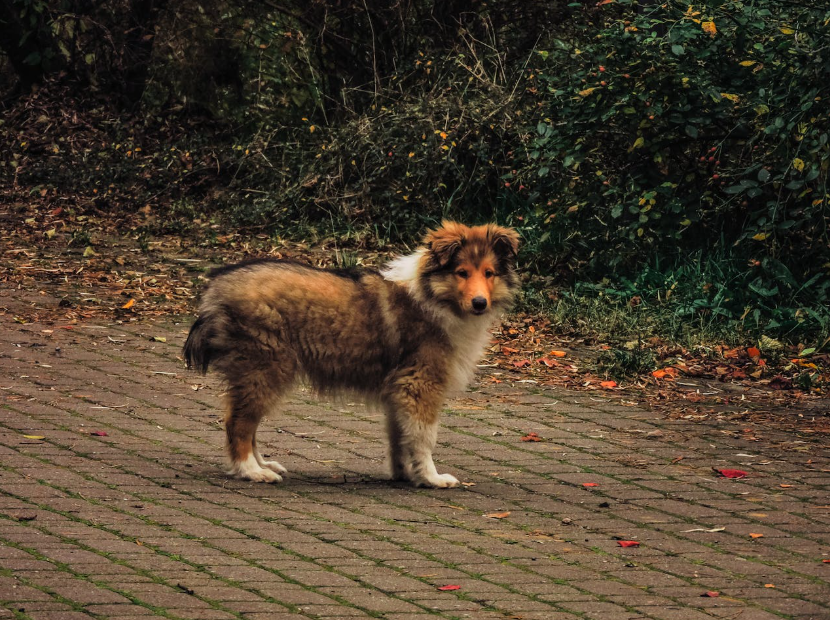
Shaking can also be an emotional response to stress or fear. Dogs are incredibly intuitive, and they often pick up on the energy and emotions around them. Loud noises, thunderstorms, fireworks, or even a sudden change in the household can make them nervous or scared.
You might see your dog trembling, pacing, or seeking constant comfort from you when they’re feeling anxious. Sometimes, it’s as simple as a neighbor’s cat appearing outside, a new person visiting, or a stressful environment that’s just too much for them. Offering gentle reassurance, a quiet space, or holding them close can help them feel safe until they calm down. Signs like hiding, whining, or excessive clinginess often point to anxiety rather than illness.
3. Medical Reasons

If your dog’s shaking doesn’t seem related to cold or fear, there may be a medical reason behind it. Health issues can manifest as trembling or shivering, and it’s important to pay attention to your dog’s overall behavior and physical condition.
Some common medical causes include:
- Pain – If your dog is experiencing discomfort from an injury, arthritis, or another physical condition, they might shake as a response.
- Seizures – Trembling that happens in episodes could indicate neurological issues that require a vet’s attention.
- Hypoglycemia (Low Blood Sugar) – Smaller breeds are especially prone to this, and shaking may signal they need food or a quick snack.
- Infections or Illness – Fever or general sickness can also lead to shivering. Feeling unusually warm, lethargic, or having other unusual behaviors may accompany this.
Watching for other signs like vomiting, loss of appetite, or unusual behavior can help determine whether medical attention is necessary. When in doubt, consulting a veterinarian ensures your dog gets the care they need.
4. Excitement or Happiness
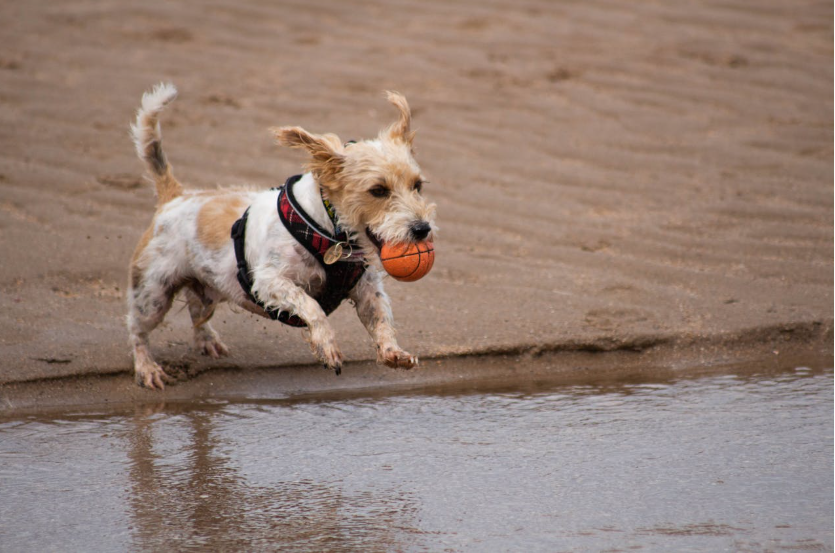
Not all shaking is a bad thing. Dogs often tremble when they’re extremely happy or excited. Whether it’s seeing you after a long day, anticipating their favorite meal, or getting ready for a walk, some dogs can’t contain their joy.
This type of shaking is usually harmless and comes with other signs of excitement like tail wagging, jumping, playful barking, or bouncing around. It’s their way of expressing pure happiness, and while it may look a little frantic, it’s usually nothing to worry about. Observing the context can help you tell the difference between excitement and anxiety or pain.
5. Overstimulation Situations
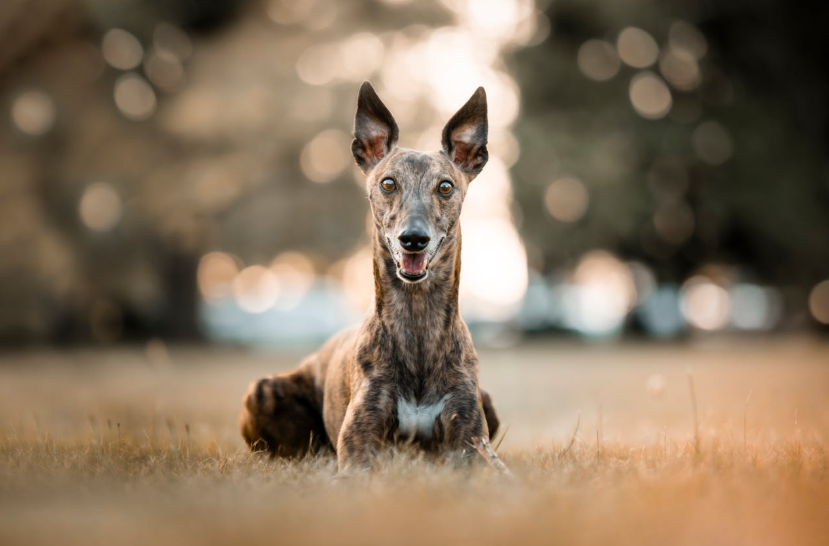
Sometimes, dogs shake when they’ve been overstimulated. Too much noise, too many people, or even an overwhelming number of smells can lead to trembling. It’s similar to how humans might feel drained or anxious after being in a busy, crowded place for too long.
When this happens, giving your dog a calm space to relax can help tremendously. A quiet corner, a soft bed, or just a few moments away from the chaos can allow them to regain composure. Overstimulation is usually temporary, and most dogs settle down once they’ve had a chance to decompress.
Conclusion of Your Dog Is Shaking

If your dog is shaking, the cause could range from simple cold or excitement to anxiety or a more serious medical issue. Paying attention to the context, their body language, and overall health can help you understand why they’re trembling. Dogs communicate through their behavior, and noticing patterns like when and how often they shake can give you important clues.
Trust your instincts as their owner. If something feels off, it’s always wise to consult a veterinarian. Most of the time, though, shaking can be a harmless response to excitement, cold, or a little bit of stress. Observing, understanding, and responding appropriately ensures your furry friend stays happy, healthy, and safe.